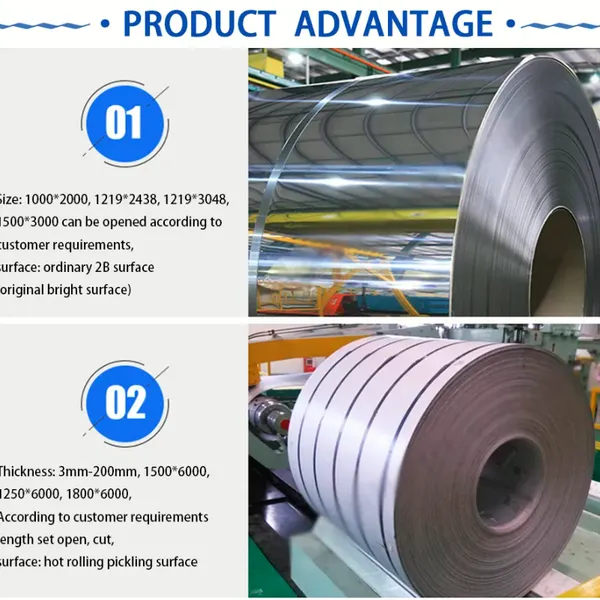

 Business License

Today, let's introduce some precautions for storing stainless steel pipes
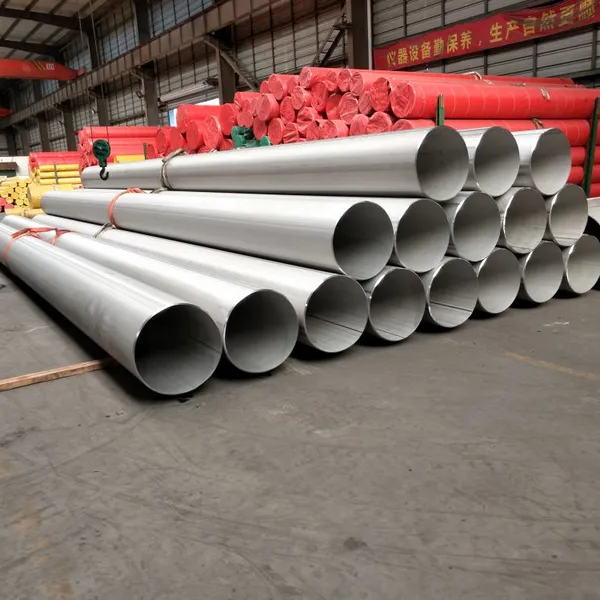
1. Select an appropriate site and warehouse: The site or warehouse where stainless steel pipes are stored should be located in a clean and well-drained area, far away from factories or mines that produce harmful gases or dust. The site should be free of weeds and other debris, and the steel should be kept clean; the warehouse should not store materials such as acids, alkalis, salts, and cement that are corrosive to stainless steel pipes; different types of stainless steel pipes should be stored separately to prevent confusion and corrosion contact; the warehouse should be well-ventilated on sunny days and sealed against moisture on rainy days, and the storage environment should be maintained in an appropriate state frequently.
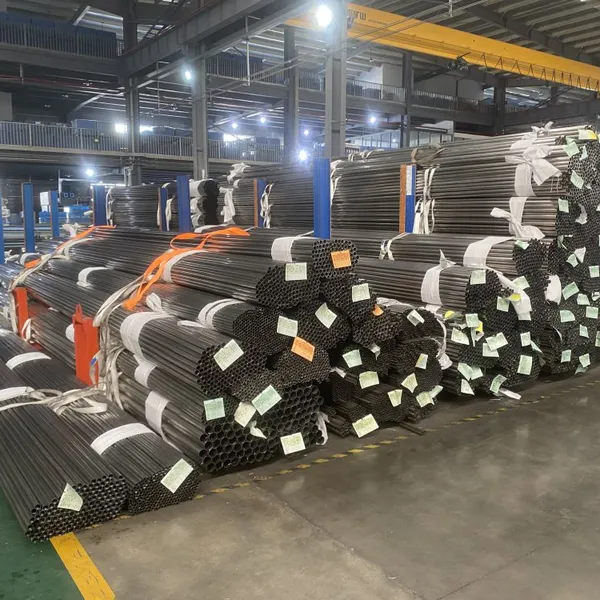
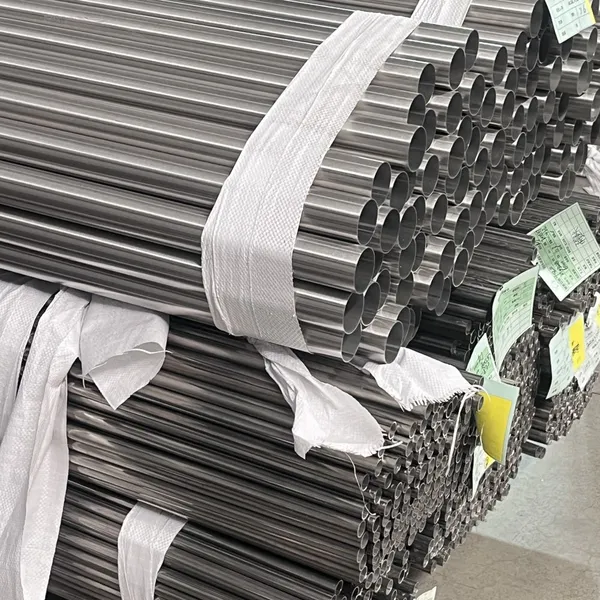
2. Proper stacking and first-in-first-out principle: The stacking principle requires that, under the condition of stable stacking and ensuring safety, materials should be stacked by type and specification. Different types of materials should be stacked separately to prevent confusion and mutual corrosion; items that are corrosive to steel are prohibited from being stored near the stack position; the bottom of the stack should be elevated, solid and flat to prevent materials from getting damp or deformed; the same type of materials should be stacked separately according to the order of entry into the warehouse to facilitate the implementation of the first-in-first-out principle; for steel sections stored outdoors, wooden pads or stone slabs must be placed under them, the stack surface should be slightly inclined to facilitate drainage, and attention should be paid to placing the materials straight to prevent bending and deformation; for angle steel and channel steel stored outdoors, they should be placed upside down, that is, the opening facing down, I-beams should be placed upright, and the I-shaped surface of the steel should not face upwards to avoid water accumulation and rusting.
3. Packaging and protective layers for the protective materials: The anti-corrosion agents or other coatings and packaging applied to the stainless steel pipes before leaving the factory are repeated measures to prevent material corrosion. During transportation and handling, care must be taken to protect the materials and prevent any damage, which can extend the storage period of the materials.
4. Maintain the cleanliness of the warehouse and enhance material preservation: When storing steel pipes, it is necessary to prevent them from being exposed to rain or contaminated with impurities. For materials that have been exposed to rain or contaminated, different methods should be used to clean them according to their properties. For example, for hard materials, a steel wire brush can be used; for soft materials, cloth or cotton can be used. For stainless steel pipes, regular inspections should be conducted after. If there is rust, the rust layer should be removed. Generally, after cleaning the surface of ordinary steel, no oil needs to be applied. However, for high-quality steel, alloy thin steel plates, thin-walled stainless steel pipes, and alloy steel pipes, after desalination, both the inside and outside surfaces need to be coated with anti-rust oil before storage. For stainless steel pipes with severe rust, for example,
Recently Posted
-
Does the stainless steel welded pipe have specific temperature requirements during the solution heat
January 20, 2026Solution heat treatment involves heating stainless steel to a high temperature and then rapidly cooling it to achieve an oversatur Read More
 -
Can stainless steel welded pipes be made into thick pipes
January 20, 2026With the improvement of high-quality welding technology and increasingly strict weld inspection, the application fields of s Read More
 -
Three types of commonly available food-grade stainless steel on the market
January 20, 2026The common food-grade stainless steel pipes are mainly composed of iron, chromium and carbon and other elements. Household stainle Read More
 -
What are the requirements for stainless steel welding pipe production equipment
January 20, 2026As is well known, stainless steel welded pipes have been widely used in various industries such as machinery, chemical engineering Read More

Contact Us
Recommended Products
-
 Stainless Steel Elbow Welded Elbow 45/90/180-degree Seamless Pressed Elbow Long Radius Elbow Short Radius Elbow WholesaleNegotiableMOQ: 1 Piece
 -
316L/1.4405 Seamless Stainless Steel PipeNegotiableMOQ: 2 Meters
-
310s 440 Seamless Sanitary Piping Price 321 904l 201 20 Inch Seamless Steel Pipe A554 Stainless Steel PipeNegotiableMOQ: 1 Piece
-
China Brand ZZ Wholesale 304L 316 316L Welded Austenitic Piping Stainless Steel Pipe SupplierNegotiableMOQ: 2 Meters
-
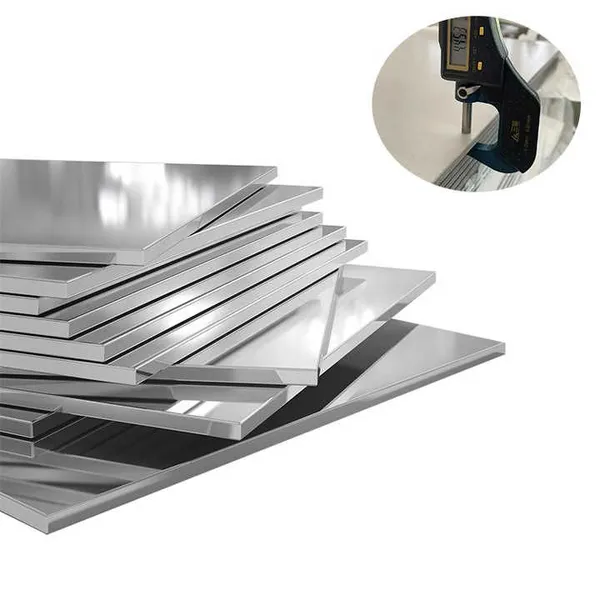
304/304L/316/409/410/904L/2205/2507/310H Premium Stainless Steel Sheets Supplier Custom Sizes & FinishesUS$ 1.72MOQ: 1 Ton
-
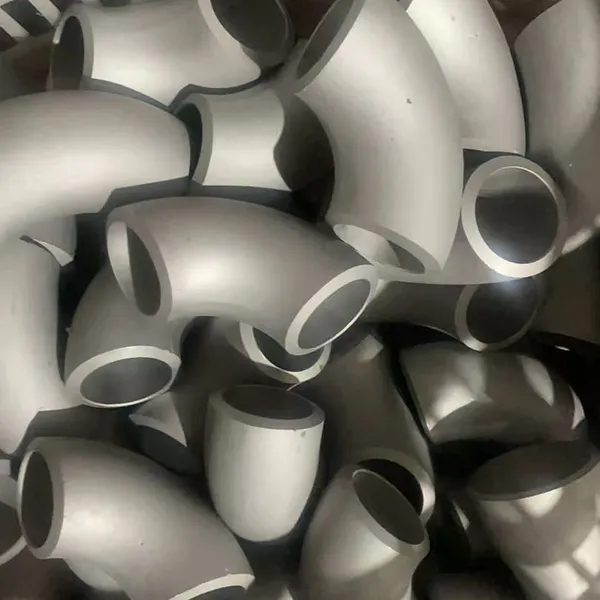
Stainless Steel ASME B16.9 Sch 45 90 Degree Pipe Fittings ElbowUS$ 8MOQ: 1 Piece
-
China Brand Zz 304L 316/316L GB En JIS Standard Thin Wall Welded Stainless Steel Water Pipe/TubeNegotiableMOQ: 2 Meters
-
BA 4 Inch 6 Inch 8 Inch 201 304 304L 316 316L Welded Seamless Stainless Steel PipeNegotiableMOQ: 2 Meters
-
ASME B36.19M-2004 SCH40S Stainless Steel Pipe - Complies With EU 3.1 CertificationUS$ 1 - 650MOQ: 1 Piece
-
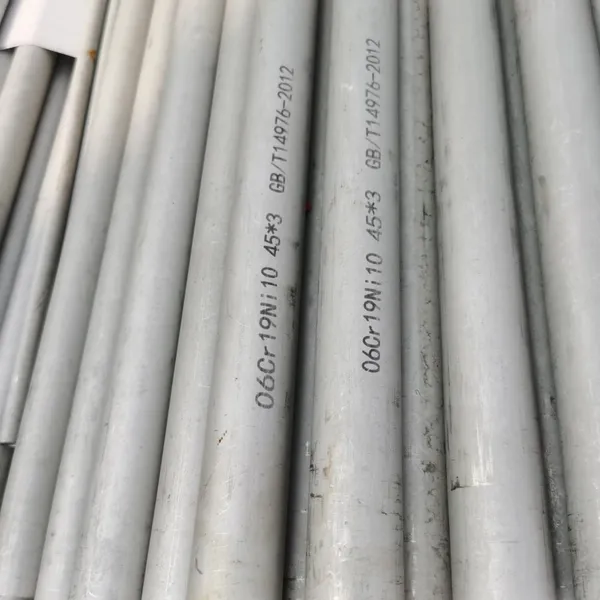
Factory TP309/TP309S/TP309H (UNS30900) Seamless Stainless Steel Pipe and Tube for Boiler BafflesUS$ 8MOQ: 200 Kilograms
-
TP347/TP347H/1.4961/S34709 Seamless Stainless Steel Pipe for UseNegotiableMOQ: 2 Meters
-
China 304 316 Stainless Steel Sanitary Welded Tube Food Grade Sanitary Grade Welded Pipe PolishingNegotiableMOQ: 1 Piece
-
China Manufacture Stainless Steel 316L Ba Seamless Welded Steel Pipe TubesUS$ 1760 - 1860MOQ: 5 Tons
-
316L/1.4405 Seamless Stainless Steel PipeNegotiableMOQ: 2 Meters
-
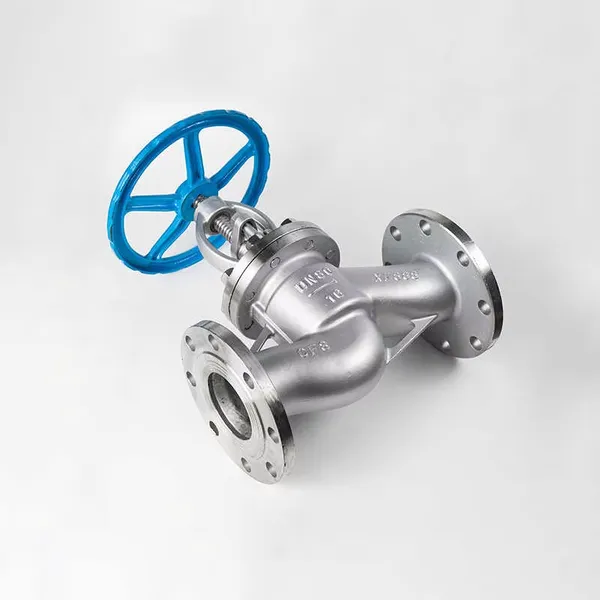
Stainless Steel Globe Valve – High Durability & Corrosion ResistanceNegotiableMOQ: 1 Piece
-
1.4529 Stainless Steel Flat Plate for Chemical Processing EquipmentUS$ 25 - 35MOQ: 1 Kilogram
-
Color Coated Steel Panels for Warehouse Partition Walls (Fireproof Grade)US$ 1 - 1.2MOQ: 50 Kilograms
-
Custom Width (600mm-1250mm) Colored Steel Coil With Scratch ResistanceUS$ 1 - 1.2MOQ: 50 Kilograms
-
0.5mm-3.0mm Colored Coated Steel Sheet With PVDF/Polyester CoatingUS$ 1 - 1.2MOQ: 50 Kilograms
-
JIS G 3322 Compliant Colored Coils With Third-Party Inspection ReportUS$ 1 - 1.2MOQ: 50 Kilograms