
 Business License

How to prevent white marks from appearing after the acid washing and passivation of stainless steel
To prevent white marks from appearing on stainless steel pipes after acid pickling and passivation, it is necessary to control the process operation from the root cause, eliminate pollution triggers, and strengthen post-treatment protection. Specific measures include addressing core issues such as residual salts, excessive acid pickling, and iron contamination in a targeted manner.
Precisely control the process parameters of acid pickling and passivation to eliminate over-pickling defects.
Over-pickling is the main cause of rough white spots appearing on the surface of stainless steel. It is necessary to strictly match the pipe material grade and set the process parameters. Select the appropriate passivation solution based on the type of stainless steel. For example, for austenitic stainless steel, a nitric acid - hydrofluoric acid system or an environmentally friendly passivation agent should be used. Avoid using highly concentrated acidic solutions. Strictly control the processing temperature and time. The normal temperature passivation time is generally 10-20 minutes. The heating passivation time (50-60℃) is shortened to 5-10 minutes. Do not allow prolonged or excessive concentration treatment. During the passivation process, stir the solution regularly to ensure uniform contact between the pipe surface and the passivation solution, and prevent excessive corrosion in local areas.
Strengthen the cleaning and drying process to thoroughly remove residual salts.
The crystallization of residual salts is the most common cause of white stains. The core solution strategy is "full rinsing + neutralization + thorough drying". After passivation, the pipe material needs to be immediately rinsed with flowing deionized water on its surface. The rinsing time should be no less than 5 minutes. Focus on rinsing the weld seams, inner walls, and other areas prone to liquid accumulation; for pipes with complex structures, a high-pressure water gun can be used to rinse the inner walls to ensure no passivation liquid remains; after rinsing, immerse it in a weak alkaline solution of 5% sodium carbonate for 2-3 minutes to neutralize the residual acidic substances, and then rinse it clean with deionized water; after the rinsing is completed, immediately use a hot air drying equipment to dry the inner and outer walls of the pipe material. The drying temperature should be controlled at 60-80℃ to ensure no moisture remains on the surface and to prevent salt from crystallizing during the drying process.
The entire process avoids iron ion contamination and eliminates corrosive white spots.
The attachment of iron ions can cause white rust spots. Therefore, isolation measures must be taken from the operating environment, tools, and materials. All the workholding fixtures, grinding tools, lifting devices, etc. used in the acid pickling and passivation process are made of stainless steel, and carbon steel tools must not come into contact with the surface of the pipes; the operation area should be kept clean, and the iron filings and dust on the ground and equipment should be cleaned regularly to prevent iron ions from falling on the surface of the pipes; when the pipes are in transit or stored, stainless steel trays or plastic trays should be used to avoid contact with carbon steel components; if iron filings are accidentally contaminated during the operation, they should be promptly cleaned with a stainless steel wire brush, and then wiped clean with alcohol before continuing the passivation treatment.
Carry out proper pre-treatment and welding quality control to eliminate the traces caused by defects.
The oxide scale, welding slag and defects on the pipe surface can lead to local residue of the passivation solution or uneven corrosion. Therefore, pre-treatment should be done before passivation. Before acid washing and passivation, use stainless steel grinding discs or polishing wheels to remove the rolled oxide scale, welding slag at the weld seam and the tempering color in the heat affected zone on the pipe surface, making the surface smooth and free of impurities; conduct 100% visual inspection of the weld seam. If pores, slag inclusion, cracks and other defects are found, they need to be repaired by welding and ground smooth before passivation; for stainless steel that is sensitive to welding sensitization, post-weld solution treatment or stabilization treatment can be adopted to eliminate the problem of chromium deficiency at the grain boundaries and avoid local white corrosion traces caused by the decline in material corrosion resistance.
Optimize the subsequent storage and protection conditions to prevent surface problems caused by the environment.
If the post-passivation pipes are stored improperly, white rust spots may appear due to moisture or corrosive media. Therefore, environmental control and protection measures must be implemented. After drying, the pipes should be stored in a dry, ventilated warehouse without corrosive media, with a relative humidity controlled below 60%, avoiding storage together with acids, alkalis, and salts; for long-term stored pipes, a layer of stainless steel-specific anti-rust agent can be sprayed on the surface to form a protective film to isolate air and moisture; in coastal or high-chloride ion environments, the post-passivated pipes need to undergo sealing treatment or coating with protective coatings in time to prevent the destruction of the passivation film by chloride ions and the formation of white pitting marks.
Introduce process quality inspection to promptly identify and adjust the process.
Set up inspection steps at key nodes of acid pickling and passivation to prevent trace issues in advance. After cleaning, visually inspect to determine if there are any residues. If there is a uniform moist luster on the surface, there are no residues; if there are dry and mottled spots, it needs to be rinsed again. After passivation drying, use the blue dot method to test the quality of the passivation film. If there are no blue dots on the surface, it indicates a complete passivation film; if blue dots appear, it needs to be passivated again. Regularly test the concentration of the passivation solution. When the solution ages and the concentration drops, add or replace the new solution in time to ensure stable passivation effect.
Recently Posted
-
Does the stainless steel welded pipe have specific temperature requirements during the solution heat
January 20, 2026Solution heat treatment involves heating stainless steel to a high temperature and then rapidly cooling it to achieve an oversatur Read More
 -
Can stainless steel welded pipes be made into thick pipes
January 20, 2026With the improvement of high-quality welding technology and increasingly strict weld inspection, the application fields of s Read More
 -
Three types of commonly available food-grade stainless steel on the market
January 20, 2026The common food-grade stainless steel pipes are mainly composed of iron, chromium and carbon and other elements. Household stainle Read More
 -
What are the requirements for stainless steel welding pipe production equipment
January 20, 2026As is well known, stainless steel welded pipes have been widely used in various industries such as machinery, chemical engineering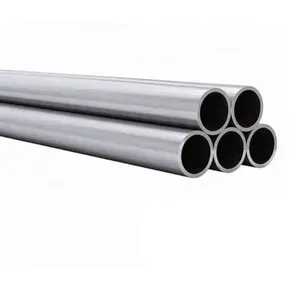 Read More

Contact Us
Recommended Products
-
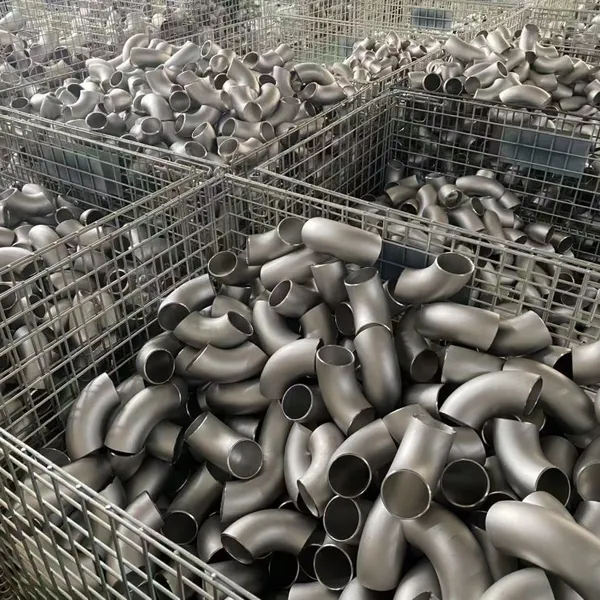
 Stainless Steel Elbow Welded Elbow 45/90/180-degree Seamless Pressed Elbow Long Radius Elbow Short Radius Elbow WholesaleNegotiableMOQ: 1 Piece
 -
316L/1.4405 Seamless Stainless Steel PipeNegotiableMOQ: 2 Meters
-
310s 440 Seamless Sanitary Piping Price 321 904l 201 20 Inch Seamless Steel Pipe A554 Stainless Steel PipeNegotiableMOQ: 1 Piece
-
China Brand ZZ Wholesale 304L 316 316L Welded Austenitic Piping Stainless Steel Pipe SupplierNegotiableMOQ: 2 Meters
-
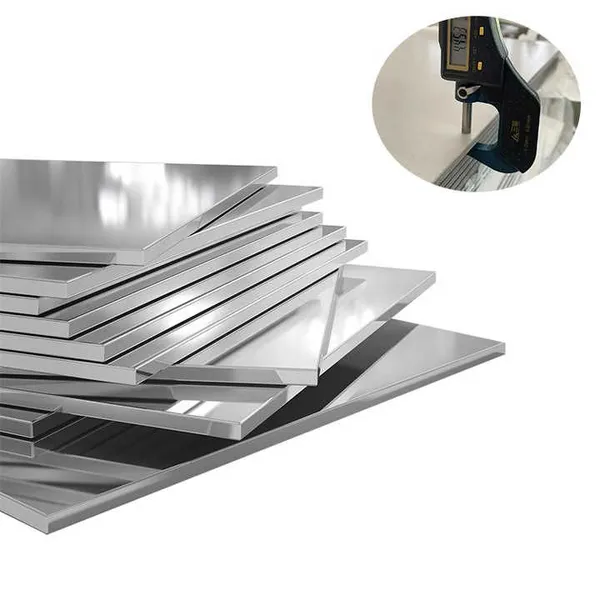
304/304L/316/409/410/904L/2205/2507/310H Premium Stainless Steel Sheets Supplier Custom Sizes & FinishesUS$ 1.72MOQ: 1 Ton
-
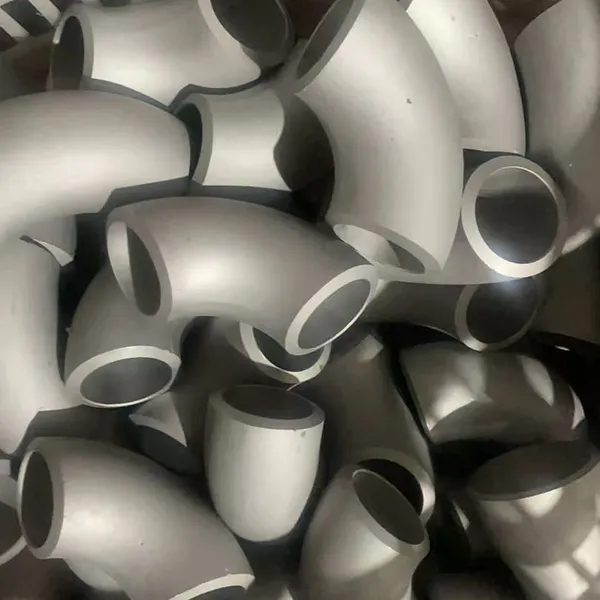
Stainless Steel ASME B16.9 Sch 45 90 Degree Pipe Fittings ElbowUS$ 8MOQ: 1 Piece
-
China Brand Zz 304L 316/316L GB En JIS Standard Thin Wall Welded Stainless Steel Water Pipe/TubeNegotiableMOQ: 2 Meters
-
BA 4 Inch 6 Inch 8 Inch 201 304 304L 316 316L Welded Seamless Stainless Steel PipeNegotiableMOQ: 2 Meters
-
ASME B36.19M-2004 SCH40S Stainless Steel Pipe - Complies With EU 3.1 CertificationUS$ 1 - 650MOQ: 1 Piece
-
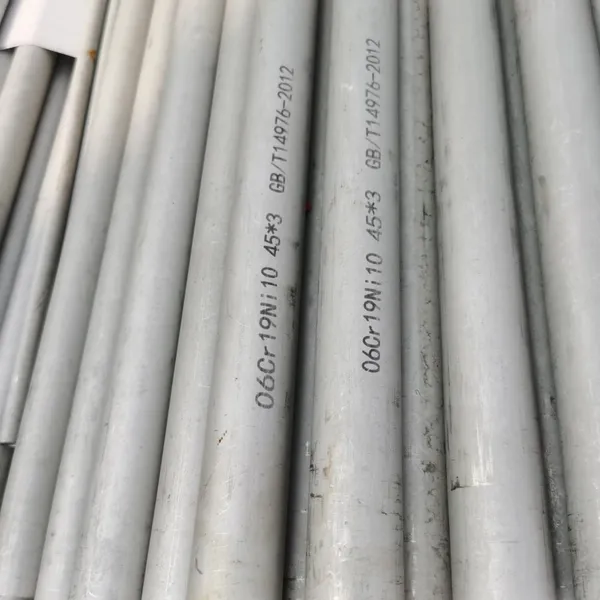
Factory TP309/TP309S/TP309H (UNS30900) Seamless Stainless Steel Pipe and Tube for Boiler BafflesUS$ 8MOQ: 200 Kilograms
-
TP347/TP347H/1.4961/S34709 Seamless Stainless Steel Pipe for UseNegotiableMOQ: 2 Meters
-
China 304 316 Stainless Steel Sanitary Welded Tube Food Grade Sanitary Grade Welded Pipe PolishingNegotiableMOQ: 1 Piece
-
China Manufacture Stainless Steel 316L Ba Seamless Welded Steel Pipe TubesUS$ 1760 - 1860MOQ: 5 Tons
-
316L/1.4405 Seamless Stainless Steel PipeNegotiableMOQ: 2 Meters
-
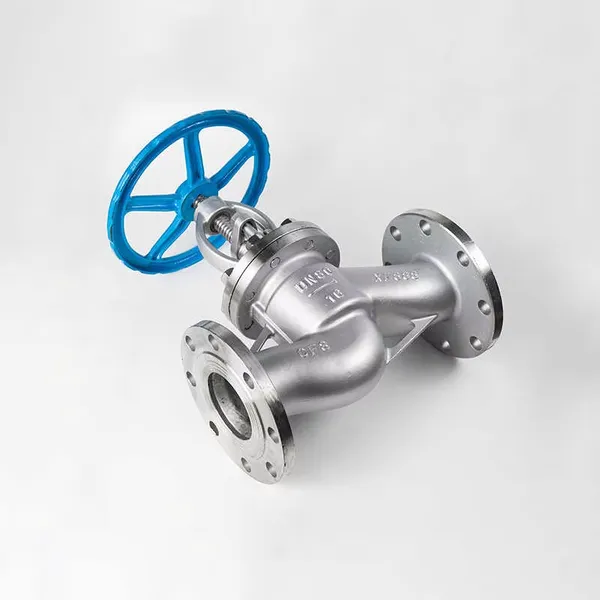
Stainless Steel Globe Valve – High Durability & Corrosion ResistanceNegotiableMOQ: 1 Piece
-
1.4529 Stainless Steel Flat Plate for Chemical Processing EquipmentUS$ 25 - 35MOQ: 1 Kilogram
-
Color Coated Steel Panels for Warehouse Partition Walls (Fireproof Grade)US$ 1 - 1.2MOQ: 50 Kilograms
-
Custom Width (600mm-1250mm) Colored Steel Coil With Scratch ResistanceUS$ 1 - 1.2MOQ: 50 Kilograms
-
0.5mm-3.0mm Colored Coated Steel Sheet With PVDF/Polyester CoatingUS$ 1 - 1.2MOQ: 50 Kilograms
-
JIS G 3322 Compliant Colored Coils With Third-Party Inspection ReportUS$ 1 - 1.2MOQ: 50 Kilograms