
 Business License

What causes the stainless steel weld seams to rust again after pickling and passivation
The re-rusting of stainless steel welds after pickling and passivation is the result of the combined effect of incomplete or damaged passivation films and the invasion of external corrosive media. The core reasons can be classified into three categories: process operation, material itself, and subsequent protection. The corresponding solutions should focus on "completing the passivation film" and "blocking the source of corrosion".
I. Core Causes of Rusting
1. Inadequate execution of pickling and passivation process: This is the most common cause, directly leading to the incomplete formation of the passivation film.
2. Incomplete pickling: Oxide scale, welding slag, and temper color in the heat-affected zone at the weld seam are not completely removed. Residual oxides can become corrosion points and disrupt the continuity of the passivation film.
3. Insufficient concentration and duration of passivation solution: Improper ratio of the passivation solution (such as too low concentration of nitric acid) or too short immersion time prevent the formation of a thick and dense passivation film on the stainless steel surface. Only a weak protective film is formed, which is easily penetrated by corrosive media.
4. Incomplete cleaning: Residual acid and passivation solution on the surface after pickling and passivation are not thoroughly rinsed off. Residual electrolytes can cause electrochemical corrosion in a humid environment, manifesting as local rusting.
5. Environmental contamination during operation: During pickling and passivation, the workpiece comes into contact with carbon steel tools or fixtures, or iron ion dust is present in the environment. Iron ions adhering to the stainless steel surface form "iron contamination points", acting as corrosion anodes and inducing pitting and rusting.
6. Material and structural defects of the weld seam itself
7. Burn-off of alloying elements in the weld seam: During welding, core elements for passivation such as chromium and nickel are burned off or diluted, reducing the corrosion resistance of the weld seam area compared to the base material. The formation of the passivation film becomes more difficult, and even after passivation, it is more prone to corrosion.
8. Porosity, slag inclusion, and cracks in the weld seam: These defects serve as "hiding places" for corrosive media. Pickling and passivation solutions cannot penetrate into the interior of the defects, preventing the formation of a passivation film at these locations, which leads to preferential corrosion during use.
9. Sensitization of the heat-affected zone after welding: After welding stainless steel, the heat-affected zone remains in the temperature range of 450-850°C, causing chromium carbide precipitation and chromium depletion at the grain boundaries, significantly reducing corrosion resistance. Passivation treatment cannot fully compensate for this intergranular corrosion risk, leading to rusting along the grain boundaries.
10. Improper storage and usage environment
11. Humid and corrosive storage environment: Workpieces after pickling and passivation are not dried in time or are stored in environments with high humidity and corrosive media such as chloride ions (e.g., salt spray in coastal areas or chemical environments). Chloride ions can destabilize the passivation film, causing pitting and rusting.
12. Lack of subsequent protection: For workpieces that are stored for a long time or used in harsh environments, relying solely on the pickling and passivation film is insufficient to resist corrosion. Without applying anti-rust agents or performing sealing treatment, rusting will accelerate.
II. Targeted Solutions
Optimize pickling and passivation processes to ensure complete passivation films
Thorough pre-treatment: Before passivation, grind the weld seams to remove slag, oxide scale, and temper color. If necessary, use mechanical polishing to ensure a smooth surface. Use stainless steel grinding tools to avoid iron ion contamination.
Precisely control passivation parameters: Select appropriate passivation solutions based on the stainless steel grade (e.g., 304, 316L), commonly using nitric acid-hydrofluoric acid systems or dedicated stainless steel passivation agents. Strictly control passivation temperature (room temperature or 50-60°C) and time (generally 10-30 minutes) to ensure a passivation film thickness of 5-10nm.
Enhance post-treatment cleaning and drying: After passivation, rinse the surface with flowing water, then neutralize residual acid with a weakly alkaline solution (e.g., 5% sodium carbonate solution), and finally rinse with deionized water. Immediately dry with hot air or in an oven after rinsing to prevent surface moisture retention.
Test passivation film quality: Use the blue dot method to check the passivation film integrity - apply potassium ferricyanide solution to the weld surface. If no blue spots appear, the passivation film is qualified; if blue spots are present, re-perform pickling and passivation.
Improve welding techniques to enhance weld seam corrosion resistance
Select matching welding materials: Use stainless steel wires and rods of the same grade or one grade higher than the base material to ensure the alloy element content in the weld seam and avoid dilution of chromium and nickel.
Adopt low-sensitization welding techniques: For sensitization-sensitive stainless steels (e.g., 304), use low current and rapid welding to reduce the dwell time of the heat-affected zone in the sensitization temperature range; or perform post-weld solution treatment (heat at 1050-1100°C and then rapidly cool) to eliminate chromium depletion at the grain boundaries and restore corrosion resistance.
Repair weld defects: For defects such as porosity, inclusions, and cracks, handle them by grinding and re-welding. Ensure the weld surface is smooth and defect-free before performing pickling and passivation.
Strengthen subsequent protection and environmental control
Proper storage protection: After passivation and drying, store the workpieces in a dry, well-ventilated environment free of corrosive media. For short-term storage, apply a dedicated stainless steel anti-rust agent; for long-term storage, perform sealing treatment (e.g., coating with transparent protective paint).
Avoid harsh usage environments: In environments with chloride ions, preferentially use stainless steels with higher corrosion resistance (e.g., 316L, 2205 duplex steel); or apply additional anti-corrosion treatments to the weld seams, such as rubber lining or anti-corrosion coating.
Remedial measures for rusting: For slightly rusted weld seams, first remove rust spots with sandpaper, then apply passivation paste locally. For severe rusting, re-perform overall pickling and passivation, and if necessary, inspect and repair welding defects.
III. Key Precautions for Preventing Rust Reoccurrence
Throughout the process, ensure that carbon steel and stainless steel workpieces do not come into contact. Tools, lifting gear, and turnover boxes should all be made of stainless steel.
The concentration of the pickling and passivation solution should be regularly tested, and it should be replenished or replaced in a timely manner to prevent a decline in passivation effect due to solution aging.
For stainless steel pipe welds used in the food and pharmaceutical industries, passivators that meet industry standards should be selected to avoid residue of the passivation solution affecting compliance.
Recently Posted
-
Does the stainless steel welded pipe have specific temperature requirements during the solution heat
January 20, 2026Solution heat treatment involves heating stainless steel to a high temperature and then rapidly cooling it to achieve an oversatur Read More
 -
Can stainless steel welded pipes be made into thick pipes
January 20, 2026With the improvement of high-quality welding technology and increasingly strict weld inspection, the application fields of s Read More
 -
Three types of commonly available food-grade stainless steel on the market
January 20, 2026The common food-grade stainless steel pipes are mainly composed of iron, chromium and carbon and other elements. Household stainle Read More
 -
What are the requirements for stainless steel welding pipe production equipment
January 20, 2026As is well known, stainless steel welded pipes have been widely used in various industries such as machinery, chemical engineering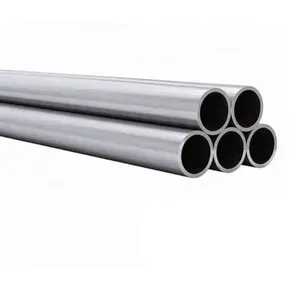 Read More

Contact Us
Recommended Products
-
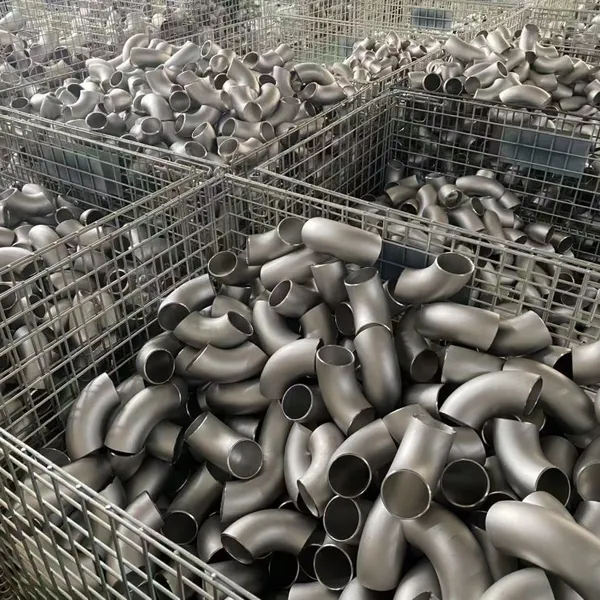
 Stainless Steel Elbow Welded Elbow 45/90/180-degree Seamless Pressed Elbow Long Radius Elbow Short Radius Elbow WholesaleNegotiableMOQ: 1 Piece
 -
316L/1.4405 Seamless Stainless Steel PipeNegotiableMOQ: 2 Meters
-
310s 440 Seamless Sanitary Piping Price 321 904l 201 20 Inch Seamless Steel Pipe A554 Stainless Steel PipeNegotiableMOQ: 1 Piece
-
China Brand ZZ Wholesale 304L 316 316L Welded Austenitic Piping Stainless Steel Pipe SupplierNegotiableMOQ: 2 Meters
-
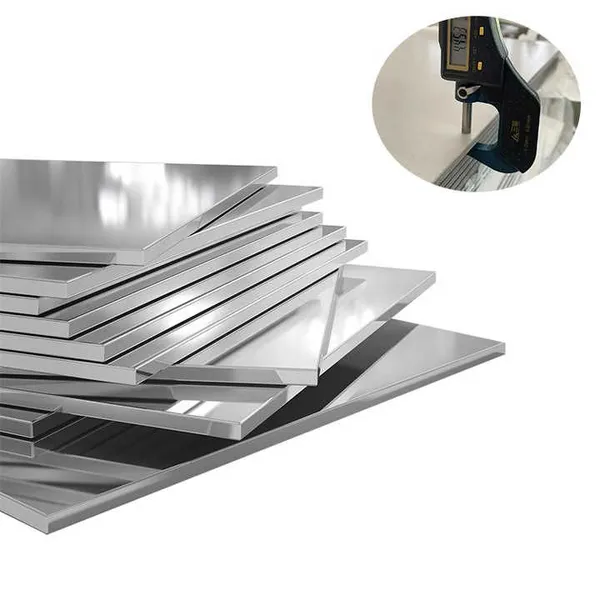
304/304L/316/409/410/904L/2205/2507/310H Premium Stainless Steel Sheets Supplier Custom Sizes & FinishesUS$ 1.72MOQ: 1 Ton
-
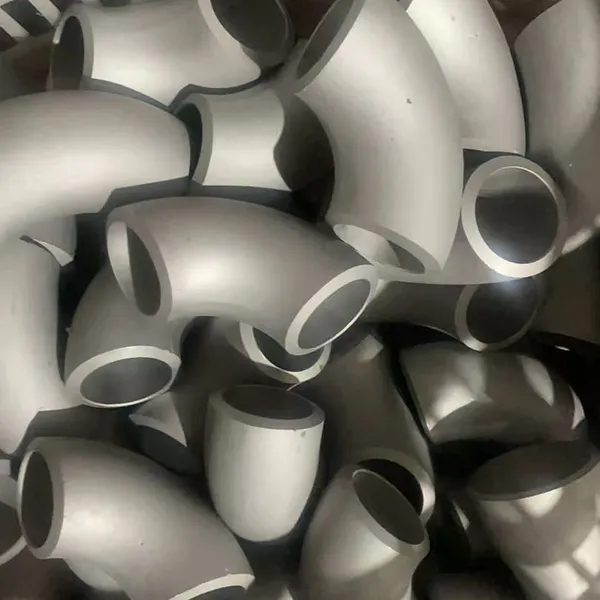
Stainless Steel ASME B16.9 Sch 45 90 Degree Pipe Fittings ElbowUS$ 8MOQ: 1 Piece
-
China Brand Zz 304L 316/316L GB En JIS Standard Thin Wall Welded Stainless Steel Water Pipe/TubeNegotiableMOQ: 2 Meters
-
BA 4 Inch 6 Inch 8 Inch 201 304 304L 316 316L Welded Seamless Stainless Steel PipeNegotiableMOQ: 2 Meters
-
ASME B36.19M-2004 SCH40S Stainless Steel Pipe - Complies With EU 3.1 CertificationUS$ 1 - 650MOQ: 1 Piece
-
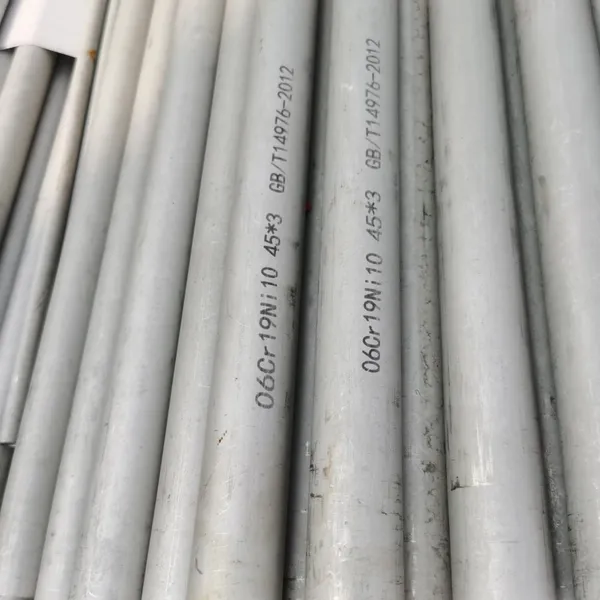
Factory TP309/TP309S/TP309H (UNS30900) Seamless Stainless Steel Pipe and Tube for Boiler BafflesUS$ 8MOQ: 200 Kilograms
-
TP347/TP347H/1.4961/S34709 Seamless Stainless Steel Pipe for UseNegotiableMOQ: 2 Meters
-
China 304 316 Stainless Steel Sanitary Welded Tube Food Grade Sanitary Grade Welded Pipe PolishingNegotiableMOQ: 1 Piece
-
China Manufacture Stainless Steel 316L Ba Seamless Welded Steel Pipe TubesUS$ 1760 - 1860MOQ: 5 Tons
-
316L/1.4405 Seamless Stainless Steel PipeNegotiableMOQ: 2 Meters
-
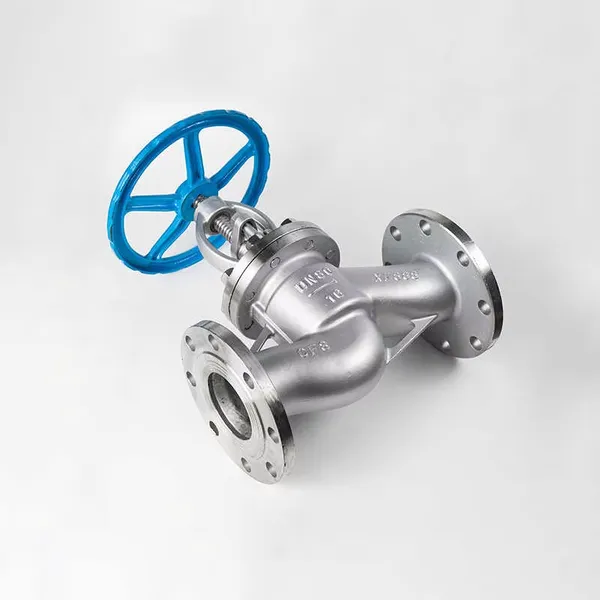
Stainless Steel Globe Valve – High Durability & Corrosion ResistanceNegotiableMOQ: 1 Piece
-
1.4529 Stainless Steel Flat Plate for Chemical Processing EquipmentUS$ 25 - 35MOQ: 1 Kilogram
-
Color Coated Steel Panels for Warehouse Partition Walls (Fireproof Grade)US$ 1 - 1.2MOQ: 50 Kilograms
-
Custom Width (600mm-1250mm) Colored Steel Coil With Scratch ResistanceUS$ 1 - 1.2MOQ: 50 Kilograms
-
0.5mm-3.0mm Colored Coated Steel Sheet With PVDF/Polyester CoatingUS$ 1 - 1.2MOQ: 50 Kilograms
-
JIS G 3322 Compliant Colored Coils With Third-Party Inspection ReportUS$ 1 - 1.2MOQ: 50 Kilograms