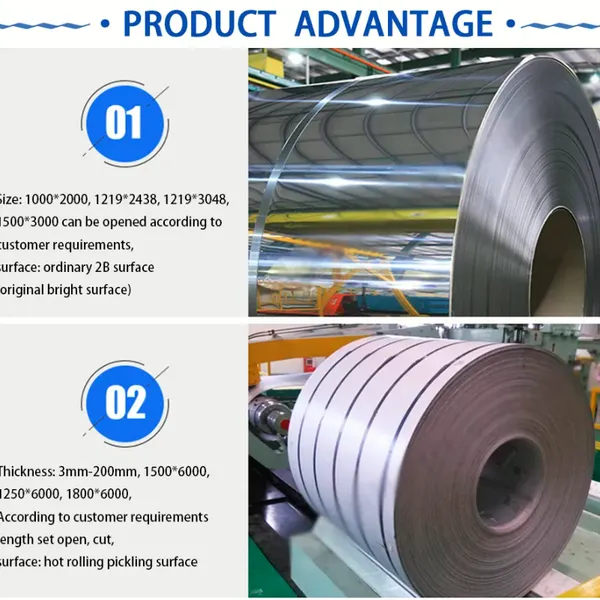

 Business License

What are the benefits of pickling and passivation of stainless steel pipes
After undergoing pickling and passivation treatment, stainless steel pipes can fundamentally optimize material performance and enhance their application value. At the same time, they can meet the strict application standards of multiple industries. The specific benefits are reflected in the following aspects.
Firstly, it significantly enhances corrosion resistance, which is the core function of pickling and passivation. The corrosion resistance of stainless steel depends on the dense chromium oxide film on its surface. However, during processing such as rolling and welding, stainless steel pipes may develop oxide scales, welding slag, temper colors in heat-affected zones, and may also be contaminated with iron ions. These substances can damage the integrity of the passive film. The pickling process can thoroughly remove these impurities and defect layers, and the subsequent passivation treatment will form a uniform and dense passive film on the surface of the pipe. This film can effectively prevent the contact of corrosive factors such as chloride ions and acidic or alkaline media with the stainless steel substrate, significantly reducing the probability of pitting, intergranular, and crevice corrosion. It particularly improves the corrosion resistance of the welded area, which may be compromised due to the loss of alloy elements and sensitization during welding, ensuring the stable performance of the pipe in harsh conditions such as coastal salt spray, chemical media, and humid environments.
Secondly, it purifies and homogenizes the surface condition. Pickling and passivation can remove contaminants such as rolling oil, dust, and iron filings from the surface of the pipe, and also eliminate surface irregularities and local defects caused during processing, making the surface smooth and uniform. This clean and uniform surface not only avoids local corrosion caused by residual contaminants but also prevents impurities such as iron ions from becoming corrosion initiators. For industries with extremely high requirements for surface cleanliness, such as food and pharmaceuticals, this treatment can reduce the residue and adsorption of media on the inner wall of the pipe, lowering the risk of contamination.
The third is to meet the compliance requirements of industry applications. In fields such as food, beverages, medicine, and drinking water treatment, stainless steel pipes must comply with strict hygiene and safety standards. After pickling and passivation, the surface of the pipes should have no residue of harmful substances, and the passivation film itself should be stable and harmless, not releasing impurities into the contact medium, thus meeting the hygiene certification and usage norms of these industries. In the chemical and nuclear power industries, pickling and passivation are also essential processes to ensure that the corrosion resistance of the pipes meets the standards and that the equipment operates safely. This is a crucial prerequisite for the products to enter these fields.
The fourth is to optimize the subsequent processing and usage performance. The surface of the stainless steel pipe after pickling and passivation is smooth and chemically stable. On the one hand, it is less likely to rust during transportation and storage, reducing losses in the warehousing and logistics links. On the other hand, if subsequent processes such as coating or film covering are required, the clean surface can enhance the adhesion of the coating and film, avoiding the problem of peeling caused by surface impurities. For sanitary pipes, the smooth inner wall can also reduce the resistance during fluid transportation, reduce the deposition of dirt, and facilitate daily cleaning and maintenance.
Finally, pickling and passivation can extend the service life of stainless steel pipes. By enhancing corrosion resistance and reducing surface defects, pickling and passivation treatment can lower the probability of corrosion and damage during the pipe's use, decrease the frequency of maintenance and replacement due to corrosion, and thereby reduce the overall usage cost. This advantage is particularly prominent in long-serving industrial pipelines and sanitary-grade pipeline systems.
Recently Posted
-
Does the stainless steel welded pipe have specific temperature requirements during the solution heat
January 20, 2026Solution heat treatment involves heating stainless steel to a high temperature and then rapidly cooling it to achieve an oversatur Read More
 -
Can stainless steel welded pipes be made into thick pipes
January 20, 2026With the improvement of high-quality welding technology and increasingly strict weld inspection, the application fields of s Read More
 -
Three types of commonly available food-grade stainless steel on the market
January 20, 2026The common food-grade stainless steel pipes are mainly composed of iron, chromium and carbon and other elements. Household stainle Read More
 -
What are the requirements for stainless steel welding pipe production equipment
January 20, 2026As is well known, stainless steel welded pipes have been widely used in various industries such as machinery, chemical engineering Read More

Contact Us
Recommended Products
-
 Stainless Steel Elbow Welded Elbow 45/90/180-degree Seamless Pressed Elbow Long Radius Elbow Short Radius Elbow WholesaleNegotiableMOQ: 1 Piece
 -
316L/1.4405 Seamless Stainless Steel PipeNegotiableMOQ: 2 Meters
-
310s 440 Seamless Sanitary Piping Price 321 904l 201 20 Inch Seamless Steel Pipe A554 Stainless Steel PipeNegotiableMOQ: 1 Piece
-
China Brand ZZ Wholesale 304L 316 316L Welded Austenitic Piping Stainless Steel Pipe SupplierNegotiableMOQ: 2 Meters
-
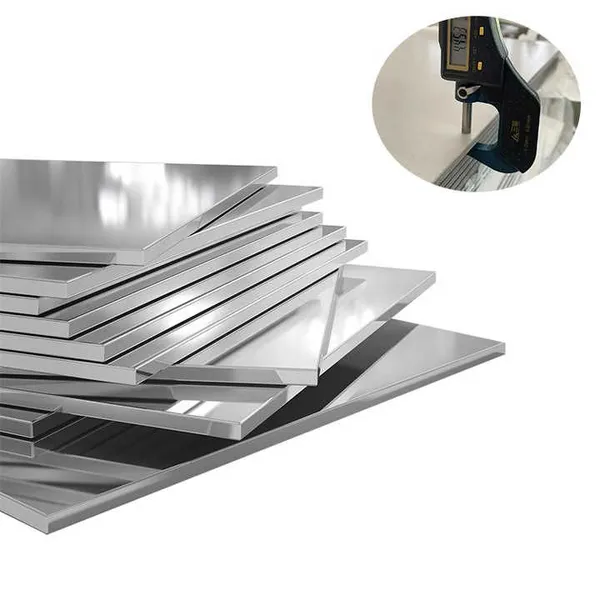
304/304L/316/409/410/904L/2205/2507/310H Premium Stainless Steel Sheets Supplier Custom Sizes & FinishesUS$ 1.72MOQ: 1 Ton
-
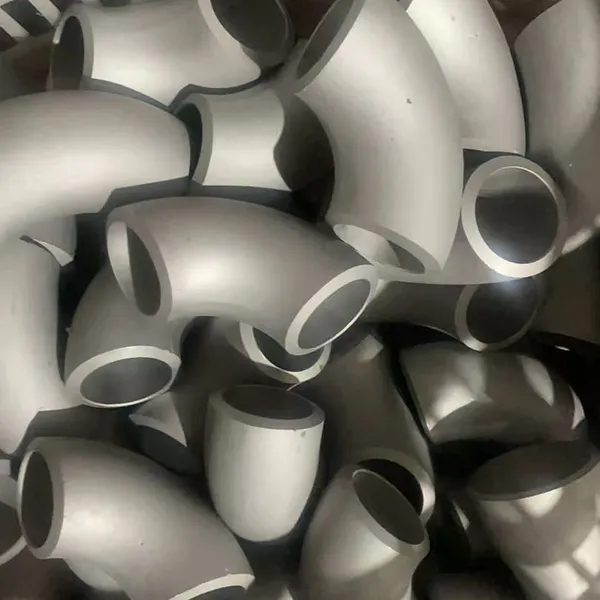
Stainless Steel ASME B16.9 Sch 45 90 Degree Pipe Fittings ElbowUS$ 8MOQ: 1 Piece
-
China Brand Zz 304L 316/316L GB En JIS Standard Thin Wall Welded Stainless Steel Water Pipe/TubeNegotiableMOQ: 2 Meters
-
BA 4 Inch 6 Inch 8 Inch 201 304 304L 316 316L Welded Seamless Stainless Steel PipeNegotiableMOQ: 2 Meters
-
ASME B36.19M-2004 SCH40S Stainless Steel Pipe - Complies With EU 3.1 CertificationUS$ 1 - 650MOQ: 1 Piece
-
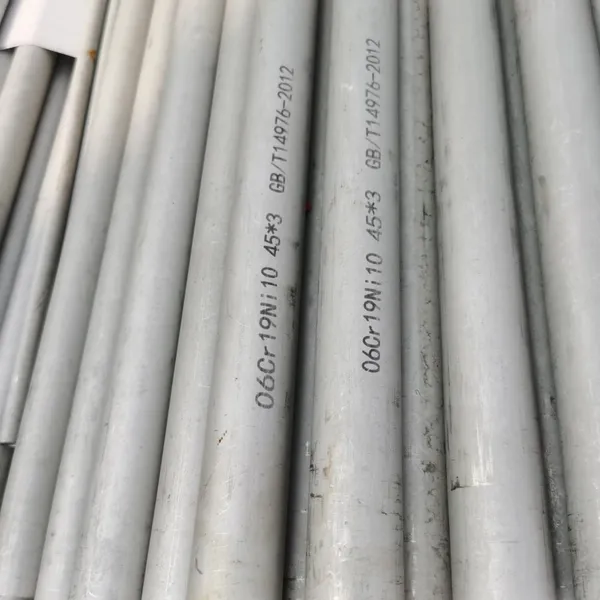
Factory TP309/TP309S/TP309H (UNS30900) Seamless Stainless Steel Pipe and Tube for Boiler BafflesUS$ 8MOQ: 200 Kilograms
-
TP347/TP347H/1.4961/S34709 Seamless Stainless Steel Pipe for UseNegotiableMOQ: 2 Meters
-
China 304 316 Stainless Steel Sanitary Welded Tube Food Grade Sanitary Grade Welded Pipe PolishingNegotiableMOQ: 1 Piece
-
China Manufacture Stainless Steel 316L Ba Seamless Welded Steel Pipe TubesUS$ 1760 - 1860MOQ: 5 Tons
-
316L/1.4405 Seamless Stainless Steel PipeNegotiableMOQ: 2 Meters
-
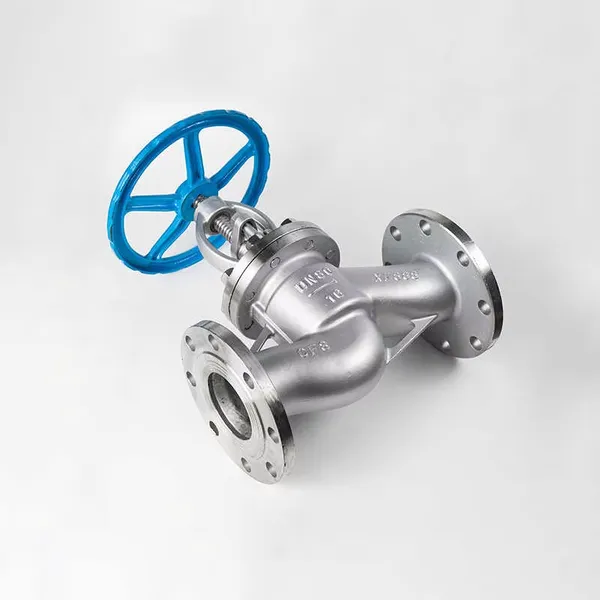
Stainless Steel Globe Valve – High Durability & Corrosion ResistanceNegotiableMOQ: 1 Piece
-
1.4529 Stainless Steel Flat Plate for Chemical Processing EquipmentUS$ 25 - 35MOQ: 1 Kilogram
-
Color Coated Steel Panels for Warehouse Partition Walls (Fireproof Grade)US$ 1 - 1.2MOQ: 50 Kilograms
-
Custom Width (600mm-1250mm) Colored Steel Coil With Scratch ResistanceUS$ 1 - 1.2MOQ: 50 Kilograms
-
0.5mm-3.0mm Colored Coated Steel Sheet With PVDF/Polyester CoatingUS$ 1 - 1.2MOQ: 50 Kilograms
-
JIS G 3322 Compliant Colored Coils With Third-Party Inspection ReportUS$ 1 - 1.2MOQ: 50 Kilograms