
 Business License

What are the effects of stainless steel's corrosion resistance in different environments
The corrosion resistance of stainless steel is fundamentally determined by the stability of the surface chromium oxide passivation film. Different environmental factors such as medium composition, humidity, temperature, and stress conditions can significantly affect its corrosion resistance by either damaging the passivation film or accelerating electrochemical reactions. The compatibility of different grades also changes accordingly. The following explanations are given based on common environments:
1. Atmospheric Environment
The corrosion degree in the atmospheric environment is mainly related to the content of chlorides and pollutants, as well as humidity. In dry rural areas and ordinary urban environments, 304 stainless steel can maintain stability for a long time, and the passivation film is not easily damaged, with almost no obvious corrosion; in mild industrial atmospheres (containing a small amount of SO₂, etc.), it can also be used normally, only possibly forming a small amount of surface dirt film, which can be restored to its original luster after cleaning. However, in high-humidity and chlorine-containing industrial atmospheres or coastal urban atmospheres, chloride ions will adsorb and penetrate the passivation film, easily causing pitting corrosion, and the pitting potential of 304 stainless steel will significantly decrease with the increase of chloride ion concentration, and may cause surface rust spots if exposed for a long time; at this time, 316 stainless steel with molybdenum has a stronger ability to resist chloride ion penetration and better corrosion resistance.
2. Marine / Coastal Environment
The core corrosion threat in marine and coastal environments is high concentrations of chlorides. The chloride ion concentration in seawater can reach tens of thousands of ppm, and the corrosion risks in salt spray, splash zones, and damp crevices are the highest. Chloride ions are small and highly polarizable, easily penetrating the passivation film and reacting with the metal to form soluble chlorides, causing local dissolution of the passivation film and triggering pitting corrosion and crevice corrosion. If there is sediment coverage or structural crevices, the corrosion will be exacerbated, and even stress corrosion cracking may occur. 316 stainless steel with molybdenum has a stronger ability to resist chloride ion penetration and better corrosion resistance.
3. Acid-Base Environment
The types, concentrations, and temperatures of acid-base media have a significant impact on the corrosion resistance of stainless steel. The tolerance of different grades varies significantly.
Acidic Environment: 304 stainless steel has good adaptability to weak organic acids such as nitric acid and acetic acid with concentrations ≤ 65%; it is widely used in food, nitric acid storage tanks, etc.; however, even weak inorganic strong acids (such as sulfuric acid and hydrochloric acid) will quickly destroy its passivation film, causing severe overall corrosion, and is not suitable. 316L, duplex steel 2205, etc. have better corrosion resistance to weak acids and chlorine-containing acidic environments, while high-molybdenum grades such as 317J4L can cope with more demanding acid conditions.
Alkaline Environment: Under low-concentration, normal-temperature strong alkali conditions, 304, 316, etc. stainless steel perform stably; however, high-temperature, high-concentration strong alkali (such as concentrated NaOH solution) will cause stress corrosion cracking, especially in sensitive areas such as welding heat affected zones, and a low-carbon or stabilized treatment grade is required, and the environmental temperature and alkali concentration should be controlled.
4. Soil Environment
The corrosion of soil is related to moisture content, salt content, pH value, and microorganisms. In dry, neutral soil, the passivation film of stainless steel is stable and has good corrosion resistance; while in humid, high-salt, acidic or strongly alkaline soil, the corrosion will accelerate, and chloride ions and sulfides are prone to cause pitting and crevice corrosion, and microbial metabolic products will also destroy the passivation film. Underground pipelines, storage tanks, etc., if using 304 stainless steel, need to be cautious; 316L or duplex steel are more suitable, and at the same time, anti-corrosion coatings and cathodic protection should be done.
5. High Temperature and Stress Environment
High temperatures accelerate corrosion reactions and affect the stability of the passivation film, and may also cause sensitization, leading to intergranular corrosion, resulting in a significant decrease in the toughness and strength of the material. For example, 304 stainless steel is prone to sensitization at temperatures above 550°C, with chromium carbide precipitating at the grain boundaries, causing intergranular corrosion. At this time, low-carbon grades such as 316L have advantages. Meanwhile, the combined effect of tensile stress and corrosive media can lead to stress corrosion cracking. In media containing chlorine, hydroxide ions, etc., this risk significantly increases. It is necessary to avoid this by reducing stress or selecting stress corrosion-resistant grades.
Six. Summary of Key Environmental Factors Affecting Corrosion Resistance
Chloride ions: The "enemy" of stainless steel's passivation film, they are the main causes of pitting and crevice corrosion. The higher the concentration and temperature, the greater the corrosion risk.
Humidity and temperature: High humidity (relative humidity over 60%) easily forms an electrolyte water film, accelerating electrochemical corrosion; an increase in temperature will accelerate the corrosion reaction rate and also reduce the stability of the passivation film.
Medium pH value: The more the pH value deviates from neutrality, the faster the corrosion rate is, and the destructive effect of strong acids and strong bases on the passivation film is particularly significant.
Pollutants and microorganisms: SO₂, sulfides, etc. will exacerbate corrosion, and microbial metabolic products will destroy the passivation film and induce local corrosion.
Structure and stress: Areas with crevices and covered by deposits are prone to form blocked cells, and tensile stress will induce stress corrosion cracking.
Seven. Material Adaptation Suggestions
Normal dry atmosphere: Prefer 304, with high cost performance.
Coastal, chlorine-containing environment: Select 316/316L, and the key structure can be upgraded to duplex steel 2205 or high-molybdenum super austenitic stainless steel.
Acidic conditions: Select 316L, duplex steel, or Hastelloy alloys according to the type and concentration of the acid.
High-temperature sensitization risk environment: Select low-carbon or stabilized (containing titanium, niobium) grades such as 316L.
Would you like me to provide specific stainless steel grades and anti-corrosion measures suggestions based on your actual application scenarios (such as coastal outdoor, weak acid in food factories, high-temperature chemical processes)?
Recently Posted
-
Does the stainless steel welded pipe have specific temperature requirements during the solution heat
January 20, 2026Solution heat treatment involves heating stainless steel to a high temperature and then rapidly cooling it to achieve an oversatur Read More
 -
Can stainless steel welded pipes be made into thick pipes
January 20, 2026With the improvement of high-quality welding technology and increasingly strict weld inspection, the application fields of s Read More
 -
Three types of commonly available food-grade stainless steel on the market
January 20, 2026The common food-grade stainless steel pipes are mainly composed of iron, chromium and carbon and other elements. Household stainle Read More
 -
What are the requirements for stainless steel welding pipe production equipment
January 20, 2026As is well known, stainless steel welded pipes have been widely used in various industries such as machinery, chemical engineering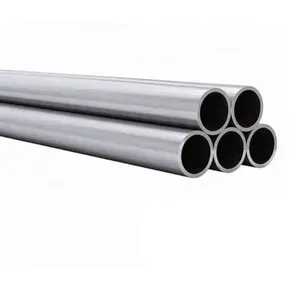 Read More

Contact Us
Recommended Products
-
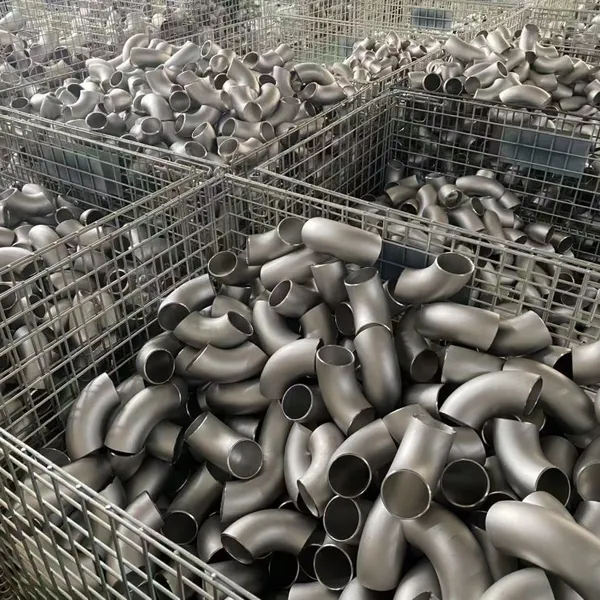
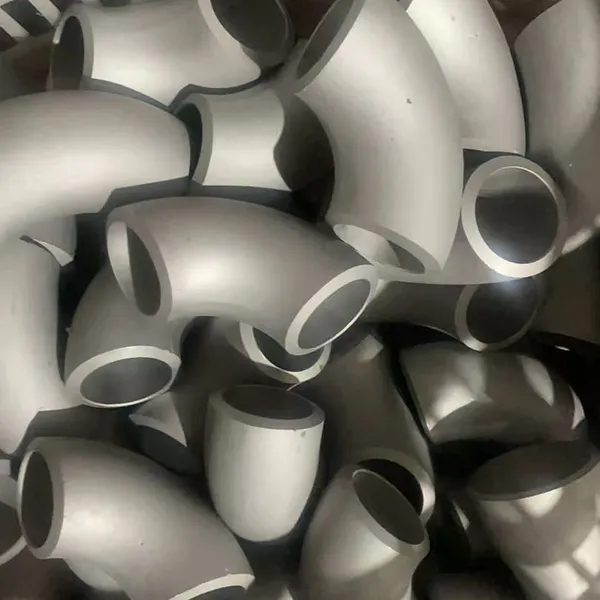
 Stainless Steel Elbow Welded Elbow 45/90/180-degree Seamless Pressed Elbow Long Radius Elbow Short Radius Elbow WholesaleNegotiableMOQ: 1 Piece
 -
316L/1.4405 Seamless Stainless Steel PipeNegotiableMOQ: 2 Meters
-
310s 440 Seamless Sanitary Piping Price 321 904l 201 20 Inch Seamless Steel Pipe A554 Stainless Steel PipeNegotiableMOQ: 1 Piece
-
China Brand ZZ Wholesale 304L 316 316L Welded Austenitic Piping Stainless Steel Pipe SupplierNegotiableMOQ: 2 Meters
-
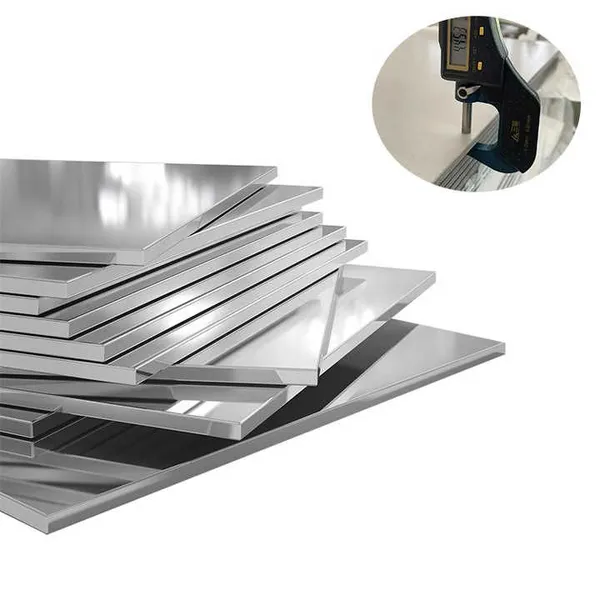
304/304L/316/409/410/904L/2205/2507/310H Premium Stainless Steel Sheets Supplier Custom Sizes & FinishesUS$ 1.72MOQ: 1 Ton
-
Stainless Steel ASME B16.9 Sch 45 90 Degree Pipe Fittings ElbowUS$ 8MOQ: 1 Piece
-
China Brand Zz 304L 316/316L GB En JIS Standard Thin Wall Welded Stainless Steel Water Pipe/TubeNegotiableMOQ: 2 Meters
-
BA 4 Inch 6 Inch 8 Inch 201 304 304L 316 316L Welded Seamless Stainless Steel PipeNegotiableMOQ: 2 Meters
-
ASME B36.19M-2004 SCH40S Stainless Steel Pipe - Complies With EU 3.1 CertificationUS$ 1 - 650MOQ: 1 Piece
-
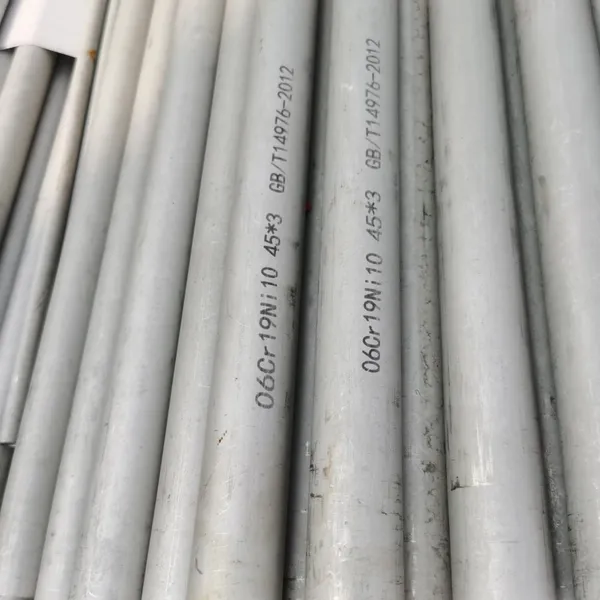
Factory TP309/TP309S/TP309H (UNS30900) Seamless Stainless Steel Pipe and Tube for Boiler BafflesUS$ 8MOQ: 200 Kilograms
-
TP347/TP347H/1.4961/S34709 Seamless Stainless Steel Pipe for UseNegotiableMOQ: 2 Meters
-
China 304 316 Stainless Steel Sanitary Welded Tube Food Grade Sanitary Grade Welded Pipe PolishingNegotiableMOQ: 1 Piece
-
China Manufacture Stainless Steel 316L Ba Seamless Welded Steel Pipe TubesUS$ 1760 - 1860MOQ: 5 Tons
-
316L/1.4405 Seamless Stainless Steel PipeNegotiableMOQ: 2 Meters
-
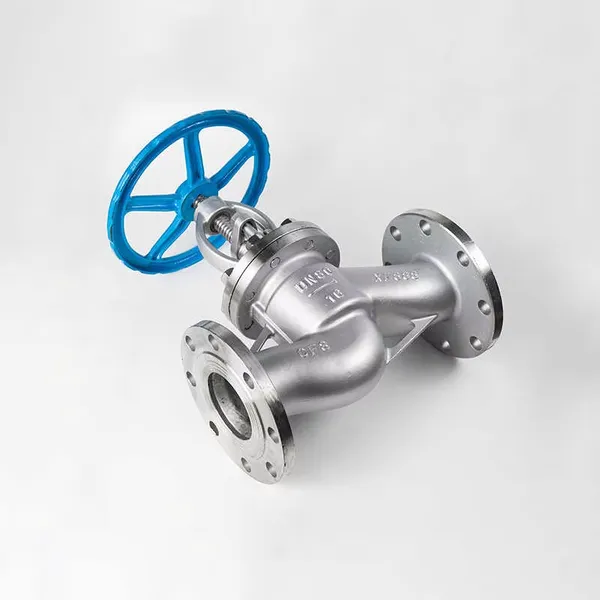
Stainless Steel Globe Valve – High Durability & Corrosion ResistanceNegotiableMOQ: 1 Piece
-
1.4529 Stainless Steel Flat Plate for Chemical Processing EquipmentUS$ 25 - 35MOQ: 1 Kilogram
-
Color Coated Steel Panels for Warehouse Partition Walls (Fireproof Grade)US$ 1 - 1.2MOQ: 50 Kilograms
-
Custom Width (600mm-1250mm) Colored Steel Coil With Scratch ResistanceUS$ 1 - 1.2MOQ: 50 Kilograms
-
0.5mm-3.0mm Colored Coated Steel Sheet With PVDF/Polyester CoatingUS$ 1 - 1.2MOQ: 50 Kilograms
-
JIS G 3322 Compliant Colored Coils With Third-Party Inspection ReportUS$ 1 - 1.2MOQ: 50 Kilograms