
 Business License

High-pressure fine water mist stainless steel pipeline
The high-pressure fine water mist stainless steel pipeline system is an advanced fire protection solution that combines high-pressure fine water mist fire suppression technology with corrosion-resistant pipeline materials. It is widely used in data centers, rail transit, ships, power facilities, archives, and other places with high requirements for fire suppression efficiency, environmental safety, and equipment durability. Here are its core points and technical explanations:
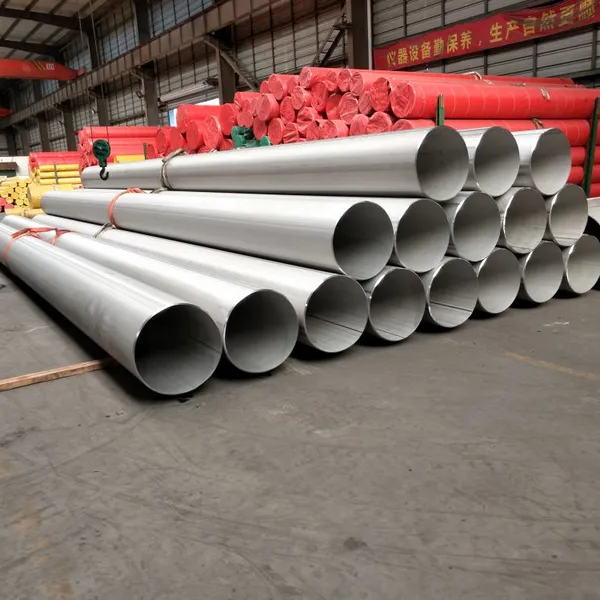
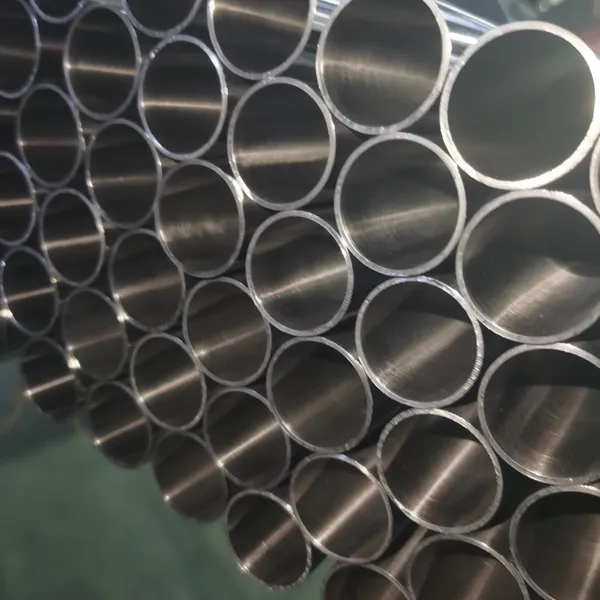
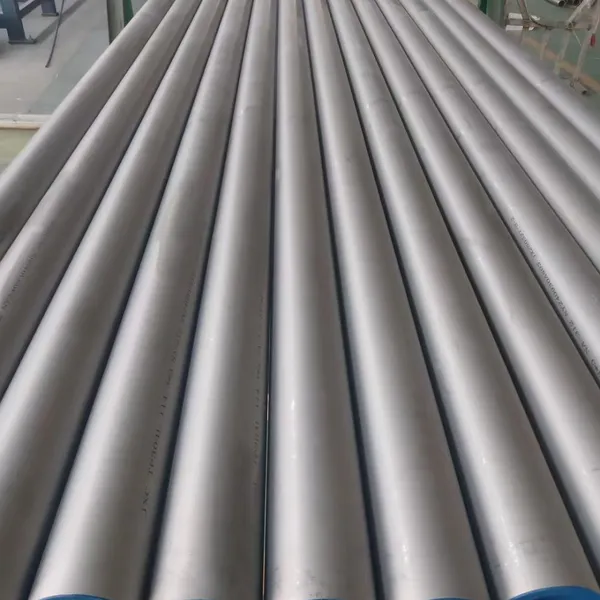
1. Specifications of commonly used high-pressure fine water mist fire protection stainless steel seamless pipes:
(As shown in Figure 1)
II. System Overview
High-pressure fine water mist (Hi-Fog):
By applying high pressure (typically ≥ 10 MPa), water is atomized into fine water droplets with diameters ranging from 10 to 100 micrometers. It features efficient fire suppression, cooling, smoke suppression, and reduction of water damage.
Stainless steel pipeline:
Made of 304/316 stainless steel, it is corrosion-resistant and has high strength, enabling long-term stable operation in complex environments.
III. Advantages of Stainless Steel Pipes
Corrosion Resistance:
316 stainless steel contains molybdenum, which has a stronger resistance to chloride ion corrosion and is suitable for high-corrosion environments such as coastal areas and chemical zones.
Pressure-bearing Capacity:
The yield strength of stainless steel is high (for example, 316L is approximately 205 MPa), enabling it to withstand high system pressure (typically 20-35 MPa), thus avoiding the risk of rupture.
Hygiene and Environmental Protection:
It does not release harmful substances and complies with hygiene requirements for food, medical, and other places.
Long Service Life:
Resistant to rust and wear, with low maintenance costs, and the design life can reach over 30 years.
IV. System Composition and Design Key Points
Core Components:
Pump Set:
Provide continuous high pressure of ≥ 10 MPa (centrifugal pump or piston pump).
Stainless Steel Pipeline Network:
Main pipelines (DN50-DN200), branch pipes, valves, flanges, etc.
Fine Water Mist Nozzles:
Special atomizing nozzles, covering evenly and responding quickly.
Control System:
Automatic/Manual Trigger, linked to the fire alarm system.
Design Parameters:
Working Pressure:
Usually 10-35 MPa (adjusted according to nozzle type and protection area requirements).
Flow Calculation:
Determined based on the volume of the protected area, hazard level (NFPA 750/GB 50898 standards).
Pipeline Layout:
Ring or branch network layout to ensure pressure balance and rapid response.
V. Installation and Construction Precautions
Material selection:
316 stainless steel is preferred, especially in high salt spray and acidic environments.
The pipe wall thickness should be calculated based on the pressure (for example, a wall thickness of 40 for SCH40). Connection method:
Welding:
Argon arc welding ensures sealing and prevents intergranular corrosion.
Flange/Socket connection:
Easy for maintenance, but requires strict sealing treatment.
Construction specifications:
Clean the interior of the pipeline to avoid residual welding slag and rust.
Avoid mechanical scratches or excessive bending to prevent stress concentration.
Install sleeves at wall/ceiling penetrations to prevent vibration and mechanical damage.
VI. Maintenance and Management
Water quality control:
Regularly filter and soften the water source to prevent impurities from clogging the nozzles or corroding the pipes.
Leak detection:
Regularly inspect welds and flange connections, using leak detection fluid or ultrasonic testing equipment.
Pressure test:
Conduct a static pressure/dynamic pressure test once a year to ensure the reliability of the system.
Nozzle maintenance:
Clean obstructions, check the atomization effect, and replace if necessary.
VII. Application Scenario Examples
Data Center:
Pollution-free fire suppression, protecting server equipment.
Ship Engine Room:
Resistant to salt spray corrosion, meeting SOLAS regulations.
Rail Transit:
Quick fire control in tunnels and subway stations, reducing obstacles to escape.
Ancient Buildings/Museums:
Minimal water usage, maximizing protection of cultural relics.
VIII. Relevant Standards and Certifications
International standards:
NFPA 750 (Fine Water Mist Fire Extinguishing System), ISO 14520 (Gas Fire Extinguishing System).
Domestic standards:
GB 50898 "Technical Specifications for Fine Water Mist Fire Extinguishing System".
Material certification:
ASTM A240 (Stainless Steel Sheet), WRAS (British Water Certification), etc.
IX. Common Issues and Solutions
Nozzle blockage:
Install a pre-filter and regularly clean the pipes.
Pipe corrosion:
Choose high-grade stainless steel (such as 316L) and avoid contact with chlorine-containing media.
Unstable pressure:
Check the pressure maintenance device of the water pump and ensure the stable operation of the pressure stabilizing pump.
Recently Posted
-
Does the stainless steel welded pipe have specific temperature requirements during the solution heat
January 20, 2026Solution heat treatment involves heating stainless steel to a high temperature and then rapidly cooling it to achieve an oversatur Read More
 -
Can stainless steel welded pipes be made into thick pipes
January 20, 2026With the improvement of high-quality welding technology and increasingly strict weld inspection, the application fields of s Read More
 -
Three types of commonly available food-grade stainless steel on the market
January 20, 2026The common food-grade stainless steel pipes are mainly composed of iron, chromium and carbon and other elements. Household stainle Read More
 -
What are the requirements for stainless steel welding pipe production equipment
January 20, 2026As is well known, stainless steel welded pipes have been widely used in various industries such as machinery, chemical engineering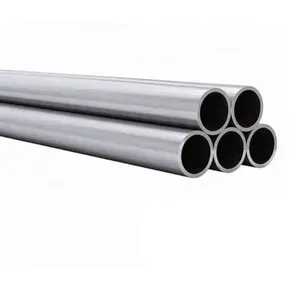 Read More

Contact Us
Recommended Products
-
 Stainless Steel Elbow Welded Elbow 45/90/180-degree Seamless Pressed Elbow Long Radius Elbow Short Radius Elbow WholesaleNegotiableMOQ: 1 Piece
 -
316L/1.4405 Seamless Stainless Steel PipeNegotiableMOQ: 2 Meters
-
310s 440 Seamless Sanitary Piping Price 321 904l 201 20 Inch Seamless Steel Pipe A554 Stainless Steel PipeNegotiableMOQ: 1 Piece
-
China Brand ZZ Wholesale 304L 316 316L Welded Austenitic Piping Stainless Steel Pipe SupplierNegotiableMOQ: 2 Meters
-
304/304L/316/409/410/904L/2205/2507/310H Premium Stainless Steel Sheets Supplier Custom Sizes & FinishesUS$ 1.72MOQ: 1 Ton
-
Stainless Steel ASME B16.9 Sch 45 90 Degree Pipe Fittings ElbowUS$ 8MOQ: 1 Piece
-
China Brand Zz 304L 316/316L GB En JIS Standard Thin Wall Welded Stainless Steel Water Pipe/TubeNegotiableMOQ: 2 Meters
-
BA 4 Inch 6 Inch 8 Inch 201 304 304L 316 316L Welded Seamless Stainless Steel PipeNegotiableMOQ: 2 Meters
-
ASME B36.19M-2004 SCH40S Stainless Steel Pipe - Complies With EU 3.1 CertificationUS$ 1 - 650MOQ: 1 Piece
-
Factory TP309/TP309S/TP309H (UNS30900) Seamless Stainless Steel Pipe and Tube for Boiler BafflesUS$ 8MOQ: 200 Kilograms
-
TP347/TP347H/1.4961/S34709 Seamless Stainless Steel Pipe for UseNegotiableMOQ: 2 Meters
-
China 304 316 Stainless Steel Sanitary Welded Tube Food Grade Sanitary Grade Welded Pipe PolishingNegotiableMOQ: 1 Piece
-
China Manufacture Stainless Steel 316L Ba Seamless Welded Steel Pipe TubesUS$ 1760 - 1860MOQ: 5 Tons
-
316L/1.4405 Seamless Stainless Steel PipeNegotiableMOQ: 2 Meters
-
Stainless Steel Globe Valve – High Durability & Corrosion ResistanceNegotiableMOQ: 1 Piece
-
1.4529 Stainless Steel Flat Plate for Chemical Processing EquipmentUS$ 25 - 35MOQ: 1 Kilogram
-
Color Coated Steel Panels for Warehouse Partition Walls (Fireproof Grade)US$ 1 - 1.2MOQ: 50 Kilograms
-
Custom Width (600mm-1250mm) Colored Steel Coil With Scratch ResistanceUS$ 1 - 1.2MOQ: 50 Kilograms
-
0.5mm-3.0mm Colored Coated Steel Sheet With PVDF/Polyester CoatingUS$ 1 - 1.2MOQ: 50 Kilograms
-
JIS G 3322 Compliant Colored Coils With Third-Party Inspection ReportUS$ 1 - 1.2MOQ: 50 Kilograms