
 Business License

What impacts will weld defects have on the safety of building structures
The impact of weld defects in stainless steel welded pipes on the safety of building structures mainly manifests in aspects such as strength, sealing performance, corrosion resistance, and fatigue resistance. The specific effects are as follows:
Strength reduction
Reduced load-bearing capacity: The weld is a critical part of the connection in stainless steel welded pipes. If there are defects such as pores, slag inclusions, or incomplete penetration, the effective bearing area of the weld will be reduced. When the building structure is subjected to loads, these defect areas are prone to form stress concentration, leading to premature cracks and expansion of the weld, thereby reducing the load-bearing capacity of the entire welded pipe and the building structure, and affecting the safety of the building.
Structural stability affected: Stainless steel welded pipes in building structures usually play a supporting and anchoring role. Weld defect may cause local deformation or fracture of the welded pipe under force, destroying the overall stability of the structure, making the building more prone to severe accidents such as tilting and collapse when subjected to external forces such as earthquakes and wind loads.
Sealing failure
Leakage problem: For stainless steel welded pipes used in building water supply and drainage, gas systems, etc., weld defects such as incomplete fusion, cracks, etc. will damage the sealing performance of the weld. This may cause leakage of water, gas, etc. inside the pipe, not only resulting in waste of resources and environmental pollution, but also causing electrical short circuits, gas explosions, etc., endangering the lives and property safety of people.
Affecting the operation of related equipment: In some building systems that require a sealed environment, such as air conditioning systems, fire protection systems, etc., the sealing performance of the welded pipe weld is crucial. Weld defect-induced leakage will cause unstable system pressure, affecting the normal operation of the equipment, reducing the reliability and effectiveness of the system, and in emergency situations (such as fire when the fire protection system cannot supply water normally), may cause serious consequences.
Corrosion resistance weakened
Accelerated corrosion: The corrosion resistance of stainless steel welded pipes is an important performance to ensure their long-term use in buildings. Cracks, pores, etc. at the weld will damage the passivation film on the surface of stainless steel, exposing the internal metal to the corrosive media such as air, moisture, acids, and alkalis, thereby accelerating the corrosion process at the weld.
Shortened service life: With the intensification of corrosion, the strength and sealing performance of the weld will further decline, leading to premature failure of the welded pipe and the need for replacement or maintenance. This not only increases the maintenance cost of the building but also may affect the normal use of the building during maintenance.
Fatigue performance damaged
Fatigue crack expansion: During the use of buildings, stainless steel welded pipes may be subjected to periodic load effects, such as building vibration, thermal expansion and contraction. Weld defects will become the starting point of fatigue cracks, and under the cyclic load action, cracks will continue to expand, eventually leading to fatigue fracture of the welded pipe.
Increased risk of sudden accidents: Fatigue fracture usually occurs without obvious precursors and has great suddenness and danger. When the weld of the stainless steel welded pipe fails due to damaged fatigue performance, it may suddenly disrupt the force balance of the building structure, causing local or overall structural damage, and posing serious hazards to the people and facilities inside the building.
Recently Posted
-
Does the stainless steel welded pipe have specific temperature requirements during the solution heat
January 20, 2026Solution heat treatment involves heating stainless steel to a high temperature and then rapidly cooling it to achieve an oversatur Read More
 -
Can stainless steel welded pipes be made into thick pipes
January 20, 2026With the improvement of high-quality welding technology and increasingly strict weld inspection, the application fields of s Read More
 -
Three types of commonly available food-grade stainless steel on the market
January 20, 2026The common food-grade stainless steel pipes are mainly composed of iron, chromium and carbon and other elements. Household stainle Read More
 -
What are the requirements for stainless steel welding pipe production equipment
January 20, 2026As is well known, stainless steel welded pipes have been widely used in various industries such as machinery, chemical engineering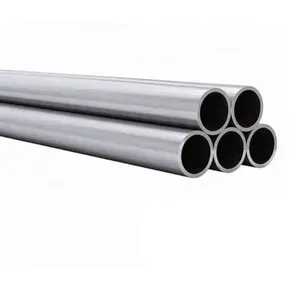 Read More

Contact Us
Recommended Products
-
 Stainless Steel Elbow Welded Elbow 45/90/180-degree Seamless Pressed Elbow Long Radius Elbow Short Radius Elbow WholesaleNegotiableMOQ: 1 Piece
 -
316L/1.4405 Seamless Stainless Steel PipeNegotiableMOQ: 2 Meters
-
310s 440 Seamless Sanitary Piping Price 321 904l 201 20 Inch Seamless Steel Pipe A554 Stainless Steel PipeNegotiableMOQ: 1 Piece
-
China Brand ZZ Wholesale 304L 316 316L Welded Austenitic Piping Stainless Steel Pipe SupplierNegotiableMOQ: 2 Meters
-
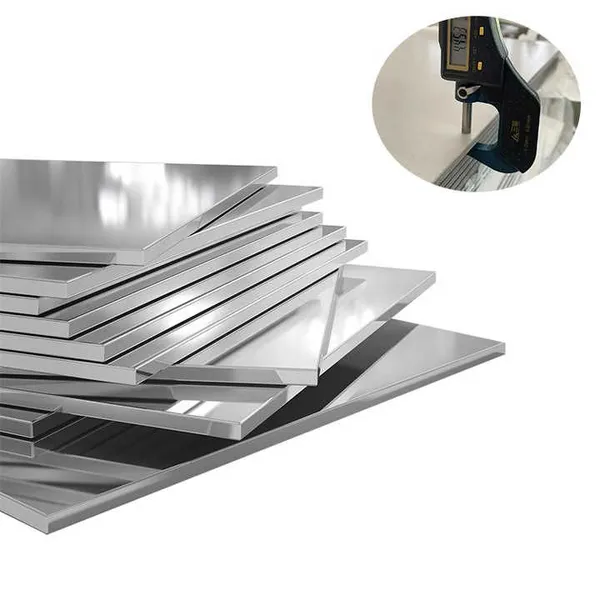
304/304L/316/409/410/904L/2205/2507/310H Premium Stainless Steel Sheets Supplier Custom Sizes & FinishesUS$ 1.72MOQ: 1 Ton
-
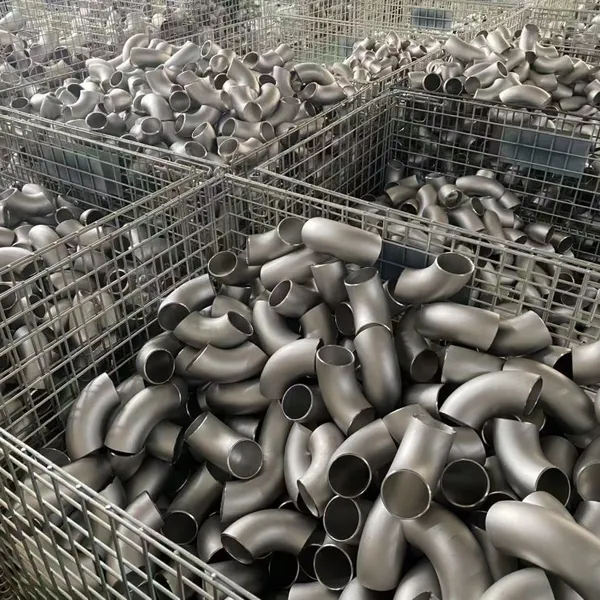
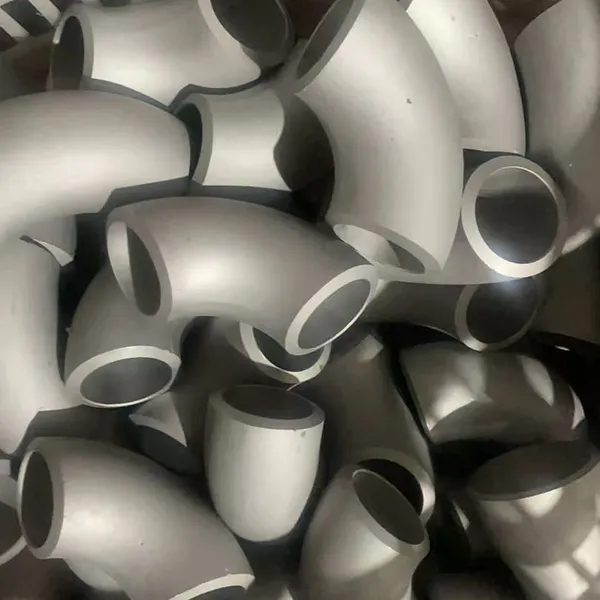
Stainless Steel ASME B16.9 Sch 45 90 Degree Pipe Fittings ElbowUS$ 8MOQ: 1 Piece
-
China Brand Zz 304L 316/316L GB En JIS Standard Thin Wall Welded Stainless Steel Water Pipe/TubeNegotiableMOQ: 2 Meters
-
BA 4 Inch 6 Inch 8 Inch 201 304 304L 316 316L Welded Seamless Stainless Steel PipeNegotiableMOQ: 2 Meters
-
ASME B36.19M-2004 SCH40S Stainless Steel Pipe - Complies With EU 3.1 CertificationUS$ 1 - 650MOQ: 1 Piece
-
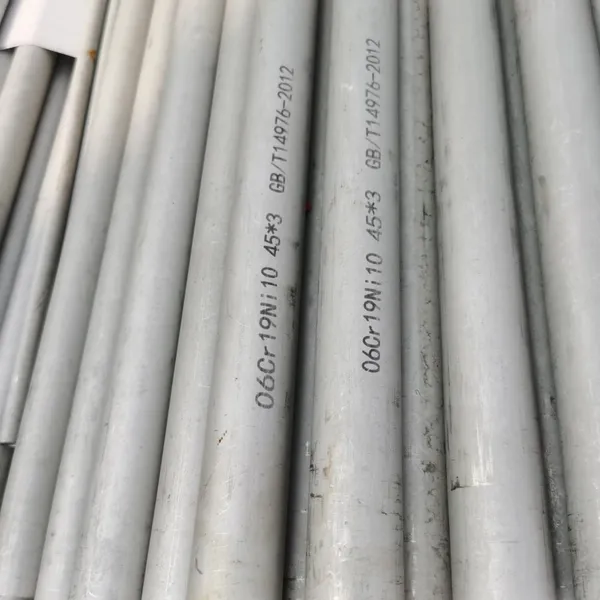
Factory TP309/TP309S/TP309H (UNS30900) Seamless Stainless Steel Pipe and Tube for Boiler BafflesUS$ 8MOQ: 200 Kilograms
-
TP347/TP347H/1.4961/S34709 Seamless Stainless Steel Pipe for UseNegotiableMOQ: 2 Meters
-
China 304 316 Stainless Steel Sanitary Welded Tube Food Grade Sanitary Grade Welded Pipe PolishingNegotiableMOQ: 1 Piece
-
China Manufacture Stainless Steel 316L Ba Seamless Welded Steel Pipe TubesUS$ 1760 - 1860MOQ: 5 Tons
-
316L/1.4405 Seamless Stainless Steel PipeNegotiableMOQ: 2 Meters
-
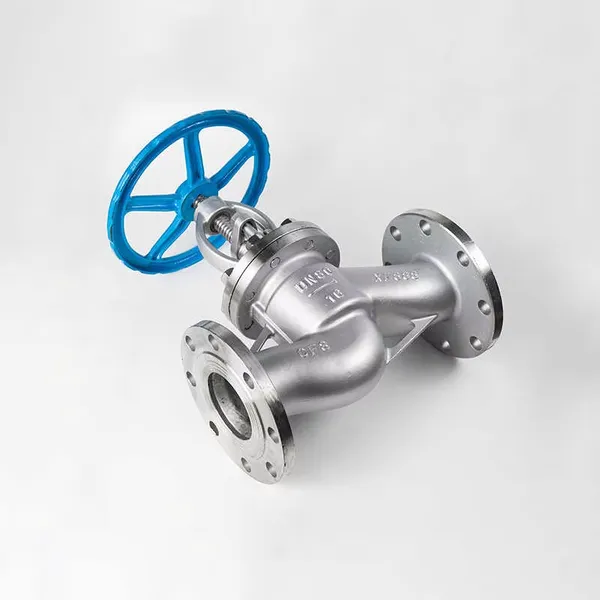
Stainless Steel Globe Valve – High Durability & Corrosion ResistanceNegotiableMOQ: 1 Piece
-
1.4529 Stainless Steel Flat Plate for Chemical Processing EquipmentUS$ 25 - 35MOQ: 1 Kilogram
-
Color Coated Steel Panels for Warehouse Partition Walls (Fireproof Grade)US$ 1 - 1.2MOQ: 50 Kilograms
-
Custom Width (600mm-1250mm) Colored Steel Coil With Scratch ResistanceUS$ 1 - 1.2MOQ: 50 Kilograms
-
0.5mm-3.0mm Colored Coated Steel Sheet With PVDF/Polyester CoatingUS$ 1 - 1.2MOQ: 50 Kilograms
-
JIS G 3322 Compliant Colored Coils With Third-Party Inspection ReportUS$ 1 - 1.2MOQ: 50 Kilograms