
 Business License

How to Improve the Quality of Welding Joints in Stainless Steel Weld Pipes
Improving the weld quality of stainless steel pipe welding is a systematic project that requires strict control at all stages from pre-welding preparation, welding process control to post-welding treatment. The following are specific measures:
Pre-welding preparation
Material selection
Pipe material quality control: Select stainless steel pipe that meets national standards and has reliable quality. Check the material certificate, chemical composition, and mechanical performance indicators of the pipe to ensure it complies with the design requirements. At the same time, pay attention to that the surface of the pipe should have no obvious defects such as cracks, scratches, rust, etc., to avoid affecting the welding quality.
Welding material matching: According to the material and welding process requirements of the stainless steel pipe, select appropriate welding materials, such as welding rods, welding wires, and protective gases. Ensure that the chemical composition of the welding materials matches the pipe material to guarantee the mechanical properties and corrosion resistance of the weld seam.
Groove processing and cleaning
Precise groove processing: Use mechanical processing or plasma cutting methods to process the groove, ensuring that the angle, backing edge, and gap parameters of the groove meet the welding process requirements. The surface of the groove should be smooth, without burrs, beveling defects, etc., to ensure stable arc and good fusion during welding.
Thorough cleaning of the weldment: Before welding, thoroughly remove oil, rust, oxide scale, moisture, etc. from the pipe groove and both sides of the surface. The cleaned weldment should be welded within the specified time to prevent re-contamination.
Equipment debugging: Conduct a comprehensive inspection and debugging of the welding equipment to ensure stable and reliable performance. Check the output current and voltage of the welding power supply to ensure stability. Check the smoothness of the wire feeding mechanism and the accuracy of the gas flow control system. According to the welding process requirements, preset welding parameters such as welding current, voltage, welding speed, and gas flow.
Welding process control
Welding process parameter optimization
Reasonable selection of current and voltage: Based on the wall thickness, material, and welding position of the stainless steel pipe, through welding process evaluation and other methods, determine the optimal welding current and voltage parameters. Excessive current may cause overheating of the weld seam, coarse grain, and even burn-through defects; too small current may cause incomplete penetration, slag inclusion, etc.
Matching welding speed: The welding speed should be matched with the welding current and voltage to ensure uniform weld penetration and width. Excessive welding speed will cause the weld seam to cool too quickly, easily resulting in gas porosity, cracks, etc.; too slow welding speed may cause the weld seam to overheat and excessive deformation.
Controlling gas flow: For gas protection welding, strictly control the gas flow rate. The appropriate gas flow rate can effectively protect the welding area, prevent air intrusion, and avoid weld seam defects such as gas porosity. Excessive or insufficient gas flow will affect the protection effect.
Welding operation norms
Maintain correct posture: Welders should maintain the correct welding posture and techniques to ensure the stability of the arc and uniform heat transfer during welding.
Select appropriate feeding method: According to the type and position of the weld seam, choose the appropriate feeding method, such as straight line, sawtooth, or crescent shape. During feeding, maintain a uniform speed and swing amplitude to ensure the weld seam is fully fused and avoid weld seam unevenness, slag inclusion, etc.
Multi-layer multi-pass welding technology: For thicker stainless steel pipes, a multi-layer multi-pass welding process is usually adopted. During welding, pay attention to the control of interlayer temperature to avoid excessive or insufficient interlayer temperature affecting the weld seam quality. After each layer is welded, clean the weld seam surface and check for defects before proceeding to the next layer welding.
Environmental control: Try to conduct welding operations in indoor or relatively enclosed environments to avoid welding in harsh conditions such as strong wind, humidity, and low temperature. When the environmental temperature is too low, take preheating measures; when the air humidity is high, dry the weldment and welding materials.
Post-weld treatment
Weld appearance inspection: After the welding is completed, immediately conduct an appearance inspection of the weld to check if the weld shape is good, whether the weld surface is smooth and uniform, and if there are any defects such as pores, cracks, undercut, or weld spurs. For welds with unsatisfactory appearance, timely repair or rework should be carried out.
Non-destructive testing: According to the requirements of the construction project and relevant standards, use non-destructive testing methods to inspect the weld, such as ultrasonic testing, radiographic testing, magnetic particle testing, and penetrant testing, to detect whether there are any defects inside the weld. For the detected defects, analyze the causes and formulate a reasonable repair plan for handling.
Weld heat treatment: For some important stainless steel welded pipe welding structures, post-weld heat treatment may be required, such as stress relief annealing, to eliminate welding residual stress, improve the microstructure and properties of the weld, and enhance the weld's crack resistance and corrosion resistance.
Quality records and traceability: Establish a complete welding quality record file, recording the welding parameters of each weld, the operator, welding time, non-destructive testing results, etc., to facilitate quality traceability and analysis. Through the analysis of quality records, summarize experiences and lessons, and continuously improve welding processes and quality control measures.
Recently Posted
-
Does the stainless steel welded pipe have specific temperature requirements during the solution heat
January 20, 2026Solution heat treatment involves heating stainless steel to a high temperature and then rapidly cooling it to achieve an oversatur Read More
 -
Can stainless steel welded pipes be made into thick pipes
January 20, 2026With the improvement of high-quality welding technology and increasingly strict weld inspection, the application fields of s Read More
 -
Three types of commonly available food-grade stainless steel on the market
January 20, 2026The common food-grade stainless steel pipes are mainly composed of iron, chromium and carbon and other elements. Household stainle Read More
 -
What are the requirements for stainless steel welding pipe production equipment
January 20, 2026As is well known, stainless steel welded pipes have been widely used in various industries such as machinery, chemical engineering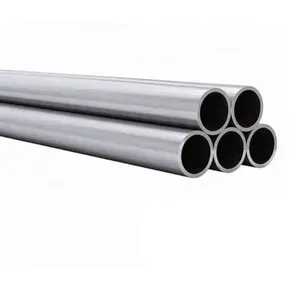 Read More

Contact Us
Recommended Products
-
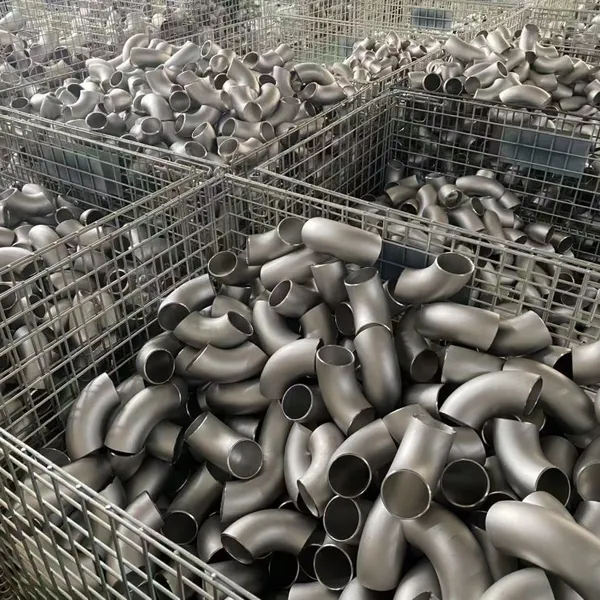
 Stainless Steel Elbow Welded Elbow 45/90/180-degree Seamless Pressed Elbow Long Radius Elbow Short Radius Elbow WholesaleNegotiableMOQ: 1 Piece
 -
316L/1.4405 Seamless Stainless Steel PipeNegotiableMOQ: 2 Meters
-
310s 440 Seamless Sanitary Piping Price 321 904l 201 20 Inch Seamless Steel Pipe A554 Stainless Steel PipeNegotiableMOQ: 1 Piece
-
China Brand ZZ Wholesale 304L 316 316L Welded Austenitic Piping Stainless Steel Pipe SupplierNegotiableMOQ: 2 Meters
-
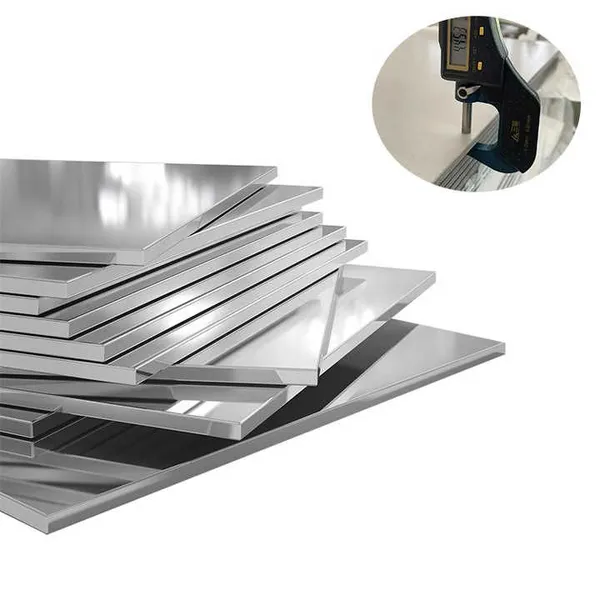
304/304L/316/409/410/904L/2205/2507/310H Premium Stainless Steel Sheets Supplier Custom Sizes & FinishesUS$ 1.72MOQ: 1 Ton
-
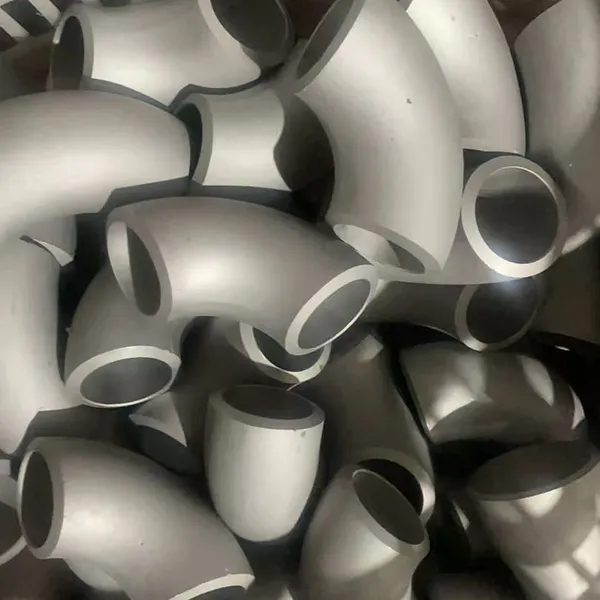
Stainless Steel ASME B16.9 Sch 45 90 Degree Pipe Fittings ElbowUS$ 8MOQ: 1 Piece
-
China Brand Zz 304L 316/316L GB En JIS Standard Thin Wall Welded Stainless Steel Water Pipe/TubeNegotiableMOQ: 2 Meters
-
BA 4 Inch 6 Inch 8 Inch 201 304 304L 316 316L Welded Seamless Stainless Steel PipeNegotiableMOQ: 2 Meters
-
ASME B36.19M-2004 SCH40S Stainless Steel Pipe - Complies With EU 3.1 CertificationUS$ 1 - 650MOQ: 1 Piece
-
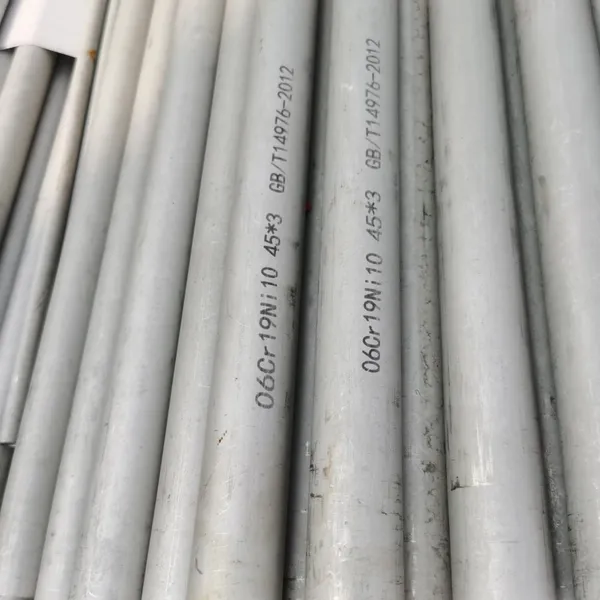
Factory TP309/TP309S/TP309H (UNS30900) Seamless Stainless Steel Pipe and Tube for Boiler BafflesUS$ 8MOQ: 200 Kilograms
-
TP347/TP347H/1.4961/S34709 Seamless Stainless Steel Pipe for UseNegotiableMOQ: 2 Meters
-
China 304 316 Stainless Steel Sanitary Welded Tube Food Grade Sanitary Grade Welded Pipe PolishingNegotiableMOQ: 1 Piece
-
China Manufacture Stainless Steel 316L Ba Seamless Welded Steel Pipe TubesUS$ 1760 - 1860MOQ: 5 Tons
-
316L/1.4405 Seamless Stainless Steel PipeNegotiableMOQ: 2 Meters
-
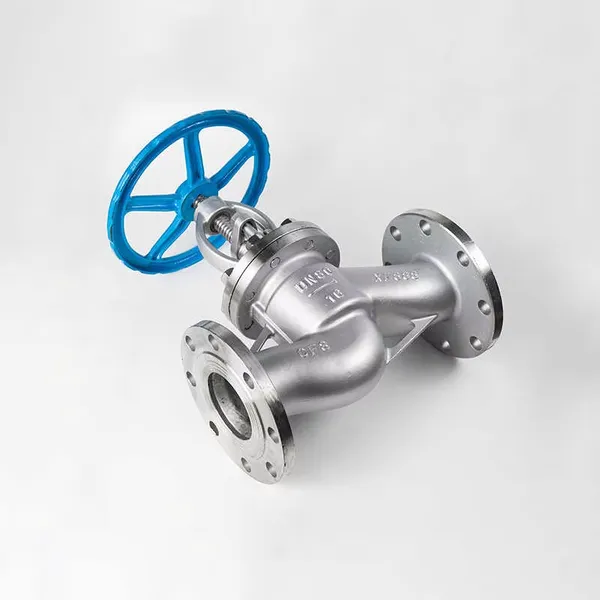
Stainless Steel Globe Valve – High Durability & Corrosion ResistanceNegotiableMOQ: 1 Piece
-
1.4529 Stainless Steel Flat Plate for Chemical Processing EquipmentUS$ 25 - 35MOQ: 1 Kilogram
-
Color Coated Steel Panels for Warehouse Partition Walls (Fireproof Grade)US$ 1 - 1.2MOQ: 50 Kilograms
-
Custom Width (600mm-1250mm) Colored Steel Coil With Scratch ResistanceUS$ 1 - 1.2MOQ: 50 Kilograms
-
0.5mm-3.0mm Colored Coated Steel Sheet With PVDF/Polyester CoatingUS$ 1 - 1.2MOQ: 50 Kilograms
-
JIS G 3322 Compliant Colored Coils With Third-Party Inspection ReportUS$ 1 - 1.2MOQ: 50 Kilograms