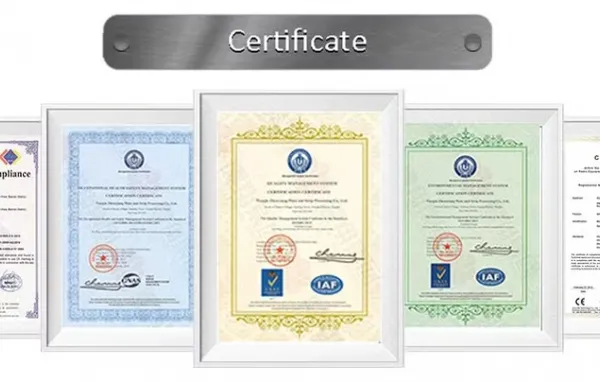

 Business License

Introduction to 304 and 316 Stainless Steel Pipes
In various industries such as construction, food processing, and chemical manufacturing, stainless steel water pipes are highly favored due to their outstanding corrosion resistance and mechanical properties. Among the stainless steel water pipe family, 304 and 316 are the most common two materials. When faced with these two options, how should you make a wise decision? This article will provide you with a detailed analysis of the characteristics and application scenarios of 304 and 316 stainless steel water pipes.
1. 304 Stainless Steel Water Pipes: The Classic Choice
Summary of Characteristics
The 304 stainless steel water pipe is mainly composed of chromium and nickel as its alloy elements. It possesses excellent corrosion resistance, heat resistance and good mechanical properties. This material performs stably in normal environments, is not prone to rusting, and has a relatively low cost, thus being widely used in various situations.
Application scenario
In the field of construction: 304 stainless steel water pipes are suitable for water supply systems in high-rise buildings, residential communities, etc., meeting the daily water usage requirements.
Food processing: Since 304 stainless steel meets food safety standards, it is commonly used in the manufacturing of food processing equipment to ensure that food is not contaminated.
Medical equipment: In the medical field, 304 stainless steel pipes are used to manufacture surgical instruments, medical devices, etc., to ensure medical safety.
II. 316 Stainless Steel Water Pipes: The Premium Choice
Summary of Characteristics
The 316 stainless steel water pipe is enhanced with molybdenum elements on the basis of 304, significantly improving its corrosion resistance, especially in high chloride ion environments. This makes the 316 stainless steel water pipe outstanding in harsh environments such as marine engineering and chemical industries.
Application scenario
Marine Engineering: 316 stainless steel water pipes can withstand the high salt content and corrosiveness of seawater, making them an ideal choice for marine platforms, ships, and other equipment.
Chemical industry: In chemical production, 316 stainless steel pipes can resist corrosion from various chemical substances, ensuring production safety.
High-end decoration: In today's pursuit of high-quality living, 316 stainless steel pipes have become the preferred material for high-end decoration due to their outstanding performance and attractive appearance.
III. How to Make Wise Choices?
Take environmental factors into consideration
Conventional environment: If the project is in a conventional setting and there are certain cost requirements, 304 stainless steel water pipes are a relatively cost-effective choice.
Harsh environment: If the project is located in an environment with high salt content and high corrosiveness, or requires withstanding extreme conditions such as high temperature and high pressure, 316 stainless steel water pipes would be more suitable.
Consider the service life
Short-term use: If the project is for short-term use or a temporary construction project, consider using 304 stainless steel pipes which have a lower cost.
Long-term use: If the project requires long-term use and has high requirements for material performance, 316 stainless steel water pipes can ensure a longer service life due to their outstanding corrosion resistance and mechanical properties.
Take into account the budget constraints
Cost control: Under the condition of limited budget, 304 stainless steel water pipes have become a more attractive option due to their lower cost and wide range of application fields.
High-end requirements: If the project aims for high quality and high performance, and has sufficient budget, 316 stainless steel water pipes can meet the more demanding usage requirements.
IV. Summary and Recommendations
When choosing between 304 and 316 stainless steel pipes, it is necessary to consider multiple factors such as project requirements, environmental conditions, service life, and budget constraints. By thoroughly understanding the characteristics and application scenarios of both materials and weighing them against the actual situation, you will be able to make an informed decision.
Whether choosing 304 or 316 stainless steel water pipes, it is important to select products produced by reputable factories to ensure that the material meets relevant standards and requirements. At the same time, during installation and use, one should follow relevant regulations to ensure the safety and stable operation of the water pipe system.
In conclusion, wise choices stem from in-depth understanding and rational judgment. I hope this article can provide you with valuable references and help you find the most suitable material for your stainless steel water pipes.
Recently Posted
-
Does the stainless steel welded pipe have specific temperature requirements during the solution heat
January 20, 2026Solution heat treatment involves heating stainless steel to a high temperature and then rapidly cooling it to achieve an oversatur Read More
 -
Can stainless steel welded pipes be made into thick pipes
January 20, 2026With the improvement of high-quality welding technology and increasingly strict weld inspection, the application fields of s Read More
 -
Three types of commonly available food-grade stainless steel on the market
January 20, 2026The common food-grade stainless steel pipes are mainly composed of iron, chromium and carbon and other elements. Household stainle Read More
 -
What are the requirements for stainless steel welding pipe production equipment
January 20, 2026As is well known, stainless steel welded pipes have been widely used in various industries such as machinery, chemical engineering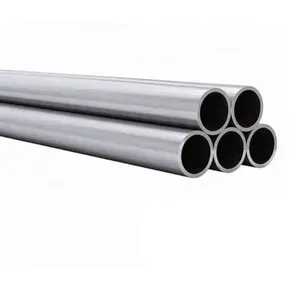 Read More

Contact Us
Recommended Products
-
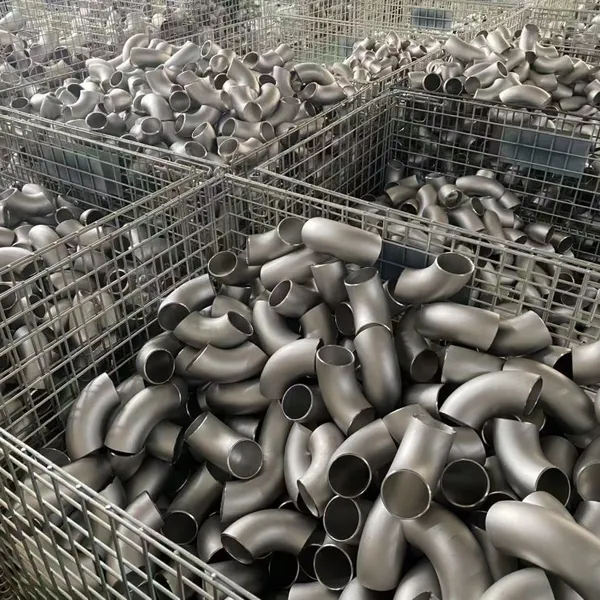
 Stainless Steel Elbow Welded Elbow 45/90/180-degree Seamless Pressed Elbow Long Radius Elbow Short Radius Elbow WholesaleNegotiableMOQ: 1 Piece
 -
316L/1.4405 Seamless Stainless Steel PipeNegotiableMOQ: 2 Meters
-
310s 440 Seamless Sanitary Piping Price 321 904l 201 20 Inch Seamless Steel Pipe A554 Stainless Steel PipeNegotiableMOQ: 1 Piece
-
China Brand ZZ Wholesale 304L 316 316L Welded Austenitic Piping Stainless Steel Pipe SupplierNegotiableMOQ: 2 Meters
-
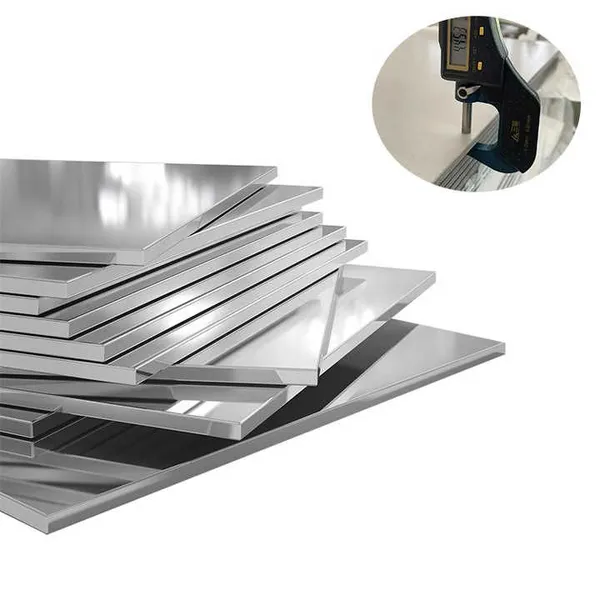
304/304L/316/409/410/904L/2205/2507/310H Premium Stainless Steel Sheets Supplier Custom Sizes & FinishesUS$ 1.72MOQ: 1 Ton
-
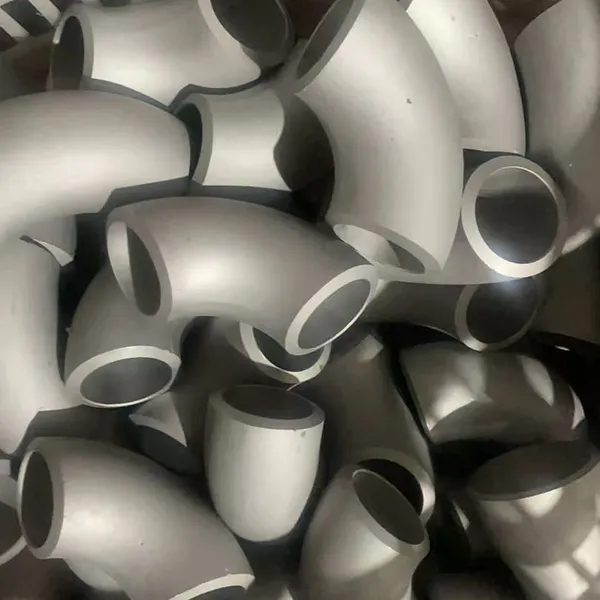
Stainless Steel ASME B16.9 Sch 45 90 Degree Pipe Fittings ElbowUS$ 8MOQ: 1 Piece
-
China Brand Zz 304L 316/316L GB En JIS Standard Thin Wall Welded Stainless Steel Water Pipe/TubeNegotiableMOQ: 2 Meters
-
BA 4 Inch 6 Inch 8 Inch 201 304 304L 316 316L Welded Seamless Stainless Steel PipeNegotiableMOQ: 2 Meters
-
ASME B36.19M-2004 SCH40S Stainless Steel Pipe - Complies With EU 3.1 CertificationUS$ 1 - 650MOQ: 1 Piece
-
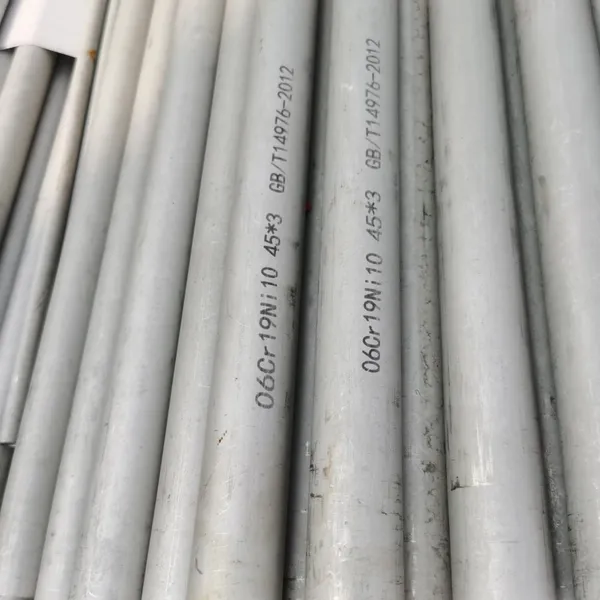
Factory TP309/TP309S/TP309H (UNS30900) Seamless Stainless Steel Pipe and Tube for Boiler BafflesUS$ 8MOQ: 200 Kilograms
-
TP347/TP347H/1.4961/S34709 Seamless Stainless Steel Pipe for UseNegotiableMOQ: 2 Meters
-
China 304 316 Stainless Steel Sanitary Welded Tube Food Grade Sanitary Grade Welded Pipe PolishingNegotiableMOQ: 1 Piece
-
China Manufacture Stainless Steel 316L Ba Seamless Welded Steel Pipe TubesUS$ 1760 - 1860MOQ: 5 Tons
-
316L/1.4405 Seamless Stainless Steel PipeNegotiableMOQ: 2 Meters
-
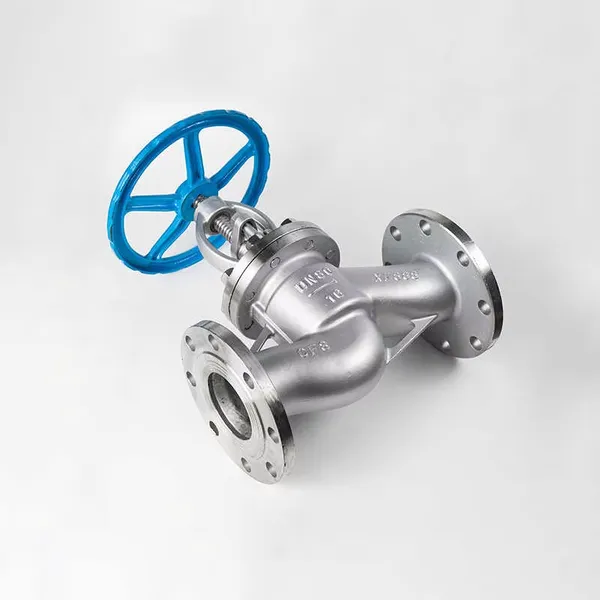
Stainless Steel Globe Valve – High Durability & Corrosion ResistanceNegotiableMOQ: 1 Piece
-
World's Most Affordable Color-Coated Steel Sheets - 0.3mm to 3mm Thickness - Mill Test Report IncludedUS$ 1102MOQ: 10 Kilograms
-
Color-Coated Steel Sheets With 15-Year Fade Warranty - JIS G 3322 Standard CompliantUS$ 1102MOQ: 10 Kilograms
-
Prefab Building Material - 0.4mm Color-Coated Corrugated Sheets - 100,000㎡ Monthly OutputUS$ 1102MOQ: 10 Kilograms
-
Industrial-Grade Color-Coated Sheets - 150-250g/m² Zinc Coating - Weather & UV ResistantUS$ 1102MOQ: 10 Kilograms
-
Factory-Direct Color-Coated Steel Plates - PVDF/Polyester Coating - 1220mm Standard WidthUS$ 1102MOQ: 10 Kilograms