
 Business License

How does stainless steel perform in terms of corrosion resistance in the food processing industry
In the food processing industry, the corrosion resistance of stainless steel is outstanding. The following provides an analysis from various aspects:
General food processing environment
Acid-base environment: Many foods such as fruits, vegetables, and meats will present certain acidity or alkalinity during the processing process. The chromium element in stainless steel will form a dense oxide chromium passivation film on the surface, which can effectively resist the erosion of common acidic and alkaline substances. For example, in juice processing, there are acidic components such as citric acid, and 304 stainless steel equipment and pipelines with this material can maintain good corrosion resistance and will not be rapidly corroded due to contact with juice, ensuring the service life and food safety of the equipment.
Wet environment: Food processing workshops usually have high humidity. In this humid environment, ordinary metals are prone to rust, but stainless steel can prevent the reaction between oxygen in the air and the metal substrate due to its passivation film, thus avoiding rusting. For example, in the seafood processing workshop, the environment is often humid, and the stainless steel workbenches, shelves, etc., can well resist the corrosion of the humid environment and maintain their performance and appearance.
Special food processing environment
High-salt environment: In the processing of pickled foods and other products, high-salt environments have strong corrosiveness. Generally, 304 stainless steel may experience pitting corrosion and other corrosion phenomena in high-salt environments, but 316 stainless steel, due to the addition of molybdenum, can significantly improve its corrosion resistance to chloride ions. In high-salt food processing, such as pickling pickles and salted fish, containers and mixing equipment with 316 stainless steel material can effectively resist salt corrosion and reduce the risk of equipment damage and metal ion leaching.
High-temperature environment: In the food processing steps such as high-temperature sterilization and baking, stainless steel not only has to withstand high temperatures but may also come into contact with steam, grease, etc. Stainless steel can still maintain the stability of its passivation film at high temperatures and has good high-temperature oxidation resistance. For example, in high-temperature steam sterilization equipment, stainless steel can withstand the repeated action of high-temperature steam and will not suffer severe corrosion due to the combined effect of high temperature and humidity; in baking equipment, stainless steel baking trays and other facilities are not easily corroded by food substances such as grease in the high-temperature environment, ensuring the quality and safety of food processing.
Cleaning and disinfection process
Chemical disinfectants: The food processing industry needs to regularly clean and disinfect equipment and utensils. Common disinfectants such as chlorine-containing disinfectants and hydrogen peroxide have certain oxidizing properties. Stainless steel has good tolerance to these disinfectants, and its passivation film can resist the oxidation effect of disinfectants, thus not being severely corroded due to frequent disinfection. However, when using chlorine-containing disinfectants, if the concentration is too high or the contact time is too long, it may cause certain corrosion to stainless steel. Therefore, it is necessary to control the concentration and action time of the disinfectant.
Mechanical cleaning: During mechanical cleaning with high-pressure water guns, brushes, etc., the surface of stainless steel may be slightly worn, but as long as it is not excessive wear that destroys the passivation film, stainless steel can still rely on its self-repair ability to form a passivation film again at the worn area and maintain its corrosion resistance.
Recently Posted
-
Does the stainless steel welded pipe have specific temperature requirements during the solution heat
January 20, 2026Solution heat treatment involves heating stainless steel to a high temperature and then rapidly cooling it to achieve an oversatur Read More
 -
Can stainless steel welded pipes be made into thick pipes
January 20, 2026With the improvement of high-quality welding technology and increasingly strict weld inspection, the application fields of s Read More
 -
Three types of commonly available food-grade stainless steel on the market
January 20, 2026The common food-grade stainless steel pipes are mainly composed of iron, chromium and carbon and other elements. Household stainle Read More
 -
What are the requirements for stainless steel welding pipe production equipment
January 20, 2026As is well known, stainless steel welded pipes have been widely used in various industries such as machinery, chemical engineering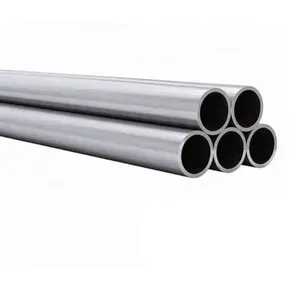 Read More

Contact Us
Recommended Products
-
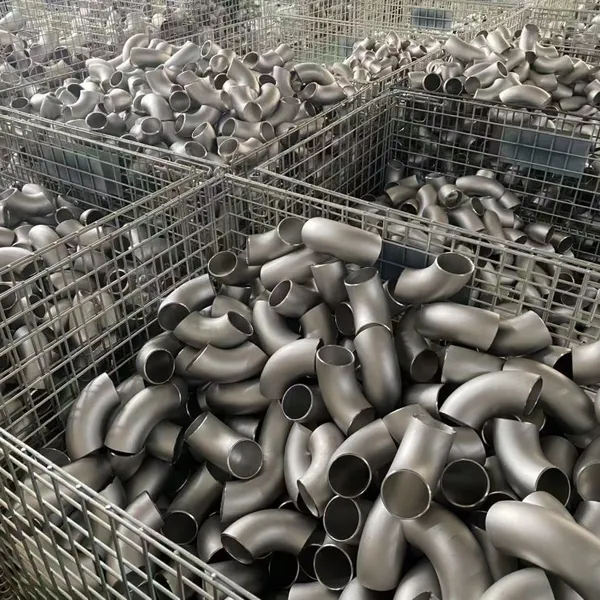
 Stainless Steel Elbow Welded Elbow 45/90/180-degree Seamless Pressed Elbow Long Radius Elbow Short Radius Elbow WholesaleNegotiableMOQ: 1 Piece
 -
316L/1.4405 Seamless Stainless Steel PipeNegotiableMOQ: 2 Meters
-
310s 440 Seamless Sanitary Piping Price 321 904l 201 20 Inch Seamless Steel Pipe A554 Stainless Steel PipeNegotiableMOQ: 1 Piece
-
China Brand ZZ Wholesale 304L 316 316L Welded Austenitic Piping Stainless Steel Pipe SupplierNegotiableMOQ: 2 Meters
-
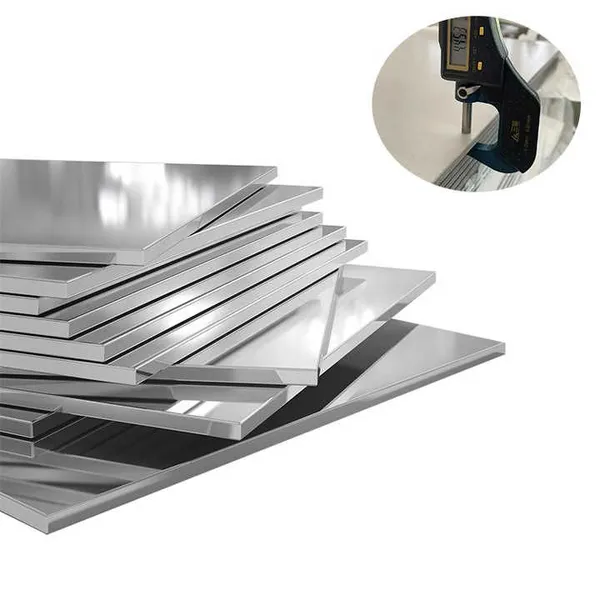
304/304L/316/409/410/904L/2205/2507/310H Premium Stainless Steel Sheets Supplier Custom Sizes & FinishesUS$ 1.72MOQ: 1 Ton
-
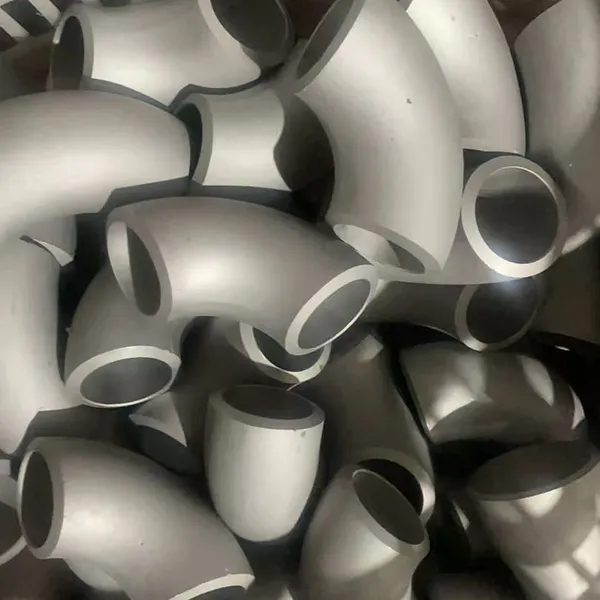
Stainless Steel ASME B16.9 Sch 45 90 Degree Pipe Fittings ElbowUS$ 8MOQ: 1 Piece
-
China Brand Zz 304L 316/316L GB En JIS Standard Thin Wall Welded Stainless Steel Water Pipe/TubeNegotiableMOQ: 2 Meters
-
BA 4 Inch 6 Inch 8 Inch 201 304 304L 316 316L Welded Seamless Stainless Steel PipeNegotiableMOQ: 2 Meters
-
ASME B36.19M-2004 SCH40S Stainless Steel Pipe - Complies With EU 3.1 CertificationUS$ 1 - 650MOQ: 1 Piece
-
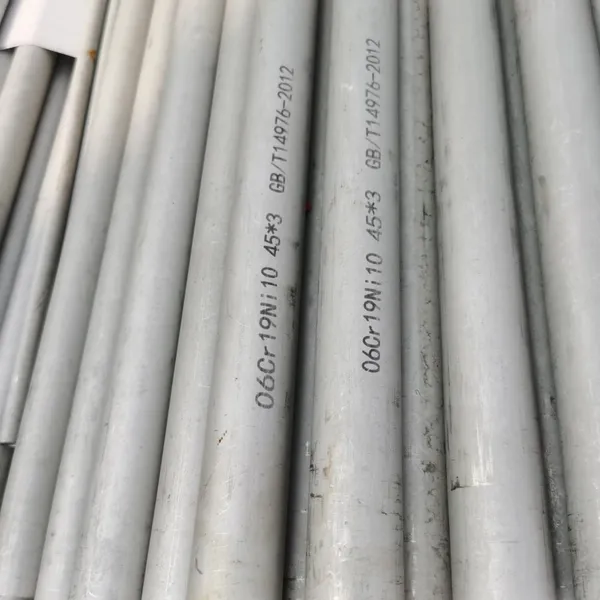
Factory TP309/TP309S/TP309H (UNS30900) Seamless Stainless Steel Pipe and Tube for Boiler BafflesUS$ 8MOQ: 200 Kilograms
-
TP347/TP347H/1.4961/S34709 Seamless Stainless Steel Pipe for UseNegotiableMOQ: 2 Meters
-
China 304 316 Stainless Steel Sanitary Welded Tube Food Grade Sanitary Grade Welded Pipe PolishingNegotiableMOQ: 1 Piece
-
China Manufacture Stainless Steel 316L Ba Seamless Welded Steel Pipe TubesUS$ 1760 - 1860MOQ: 5 Tons
-
316L/1.4405 Seamless Stainless Steel PipeNegotiableMOQ: 2 Meters
-
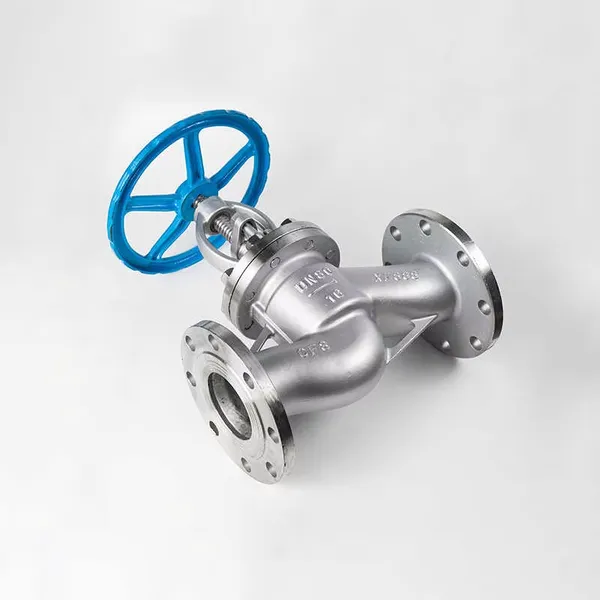
Stainless Steel Globe Valve – High Durability & Corrosion ResistanceNegotiableMOQ: 1 Piece
-
1.4529 Stainless Steel Flat Plate for Chemical Processing EquipmentUS$ 25 - 35MOQ: 1 Kilogram
-
Color Coated Steel Panels for Warehouse Partition Walls (Fireproof Grade)US$ 1 - 1.2MOQ: 50 Kilograms
-
Custom Width (600mm-1250mm) Colored Steel Coil With Scratch ResistanceUS$ 1 - 1.2MOQ: 50 Kilograms
-
0.5mm-3.0mm Colored Coated Steel Sheet With PVDF/Polyester CoatingUS$ 1 - 1.2MOQ: 50 Kilograms
-
JIS G 3322 Compliant Colored Coils With Third-Party Inspection ReportUS$ 1 - 1.2MOQ: 50 Kilograms