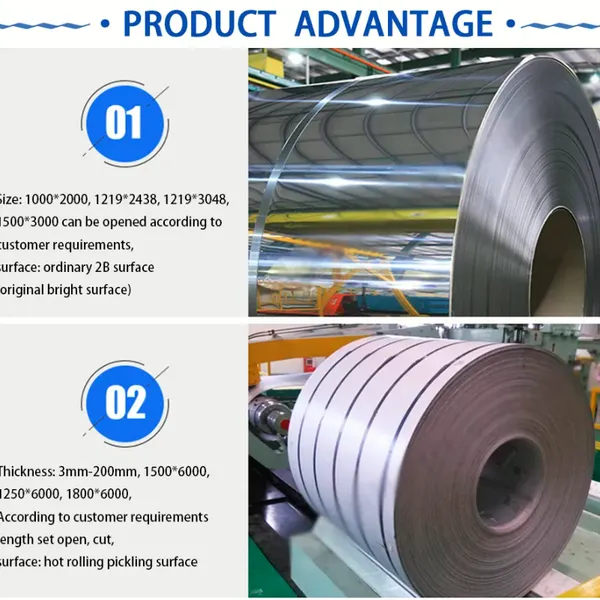

 Business License

How to Enhance the Anti-Oxidation Performance of 316L Stainless Steel Pipes
Improving the oxidation resistance of 316L stainless steel tubes can be achieved through adjustments in material composition, surface treatment, optimization of processing techniques, and control of the operating environment. Here is a detailed introduction:
Material composition adjustment
Increase the content of key alloy elements
Chromium (Cr): Chromium is a crucial element for forming an oxidation-resistant protective film. Increasing the chromium content appropriately (within the standard range) can promote the formation of a thicker and denser chromium oxide (Cr₂O₃) film on the surface, enhancing the oxidation resistance. However, excessively high chromium content may lead to other performance issues, such as reduced material toughness.
Molybdenum (Mo): Molybdenum can enhance the resistance to pitting and crevice corrosion of stainless steel at high temperatures, helping to stabilize the protective film. Increasing the molybdenum content appropriately can improve the performance of 316L stainless steel tubes in harsh oxidation environments.
Adding trace elements
Rare earth elements: Adding trace amounts of rare earth elements (such as cerium, lanthanum, etc.) can improve the structure and properties of the oxide film. Rare earth elements can inhibit the growth of crystals in the oxide film, making the oxide film more dense, and simultaneously increasing the adhesion between the oxide film and the base material, reducing the peeling of the oxide film, and thereby enhancing the oxidation resistance.
Tantalum (Ta) and niobium (Nb): These elements can improve the high-temperature strength and oxidation resistance of stainless steel. They can combine with carbon to form stable carbides, reducing the segregation of carbon at grain boundaries, thereby enhancing the stability of the material at high temperatures.
Surface treatment
Passivation treatment
Using chemical methods to form a more complete and denser passivation film on the surface of stainless steel tubes. Common passivation solutions contain nitric acid, potassium dichromate, etc. After treatment, impurities and free iron on the surface can be removed, enhancing the oxidation resistance of the surface. The process parameters (such as passivation solution concentration, treatment time, temperature, etc.) need to be strictly controlled to ensure the passivation effect.
Coating treatment
Ceramic coating: Coating the surface of stainless steel tubes with ceramic coatings, such as aluminum oxide (Al₂O₃), zirconium oxide (ZrO₂), etc. Ceramic coatings have excellent high-temperature and oxidation resistance, and can act as a barrier to prevent oxygen from contacting the stainless steel substrate, thereby enhancing the oxidation resistance.
Metal coating: Such as nickel plating, chromium plating, etc. Metal coatings can fill surface defects, improve surface smoothness, and at the same time have certain oxidation resistance.
Processing technique optimization
Heat processing technology control
During hot processing such as forging and rolling, strictly control the heating temperature, holding time, and cooling rate. Appropriate heat processing techniques can make the microstructure of stainless steel more uniform, reducing internal stress and defects, thereby enhancing the oxidation resistance. For example, using an appropriate hot rolling temperature and cooling method can refine the grains and improve the overall performance of the material.
Heat treatment after cold processing
Heat treatment after cold processing: Cold processing can cause stainless steel tubes to generate work hardening and residual stress, which may reduce the oxidation resistance of the material. Through appropriate heat treatment (such as solution treatment), residual stress can be eliminated, the microstructure and properties of the material can be restored, and the oxidation resistance can be improved. Solution treatment generally involves heating the stainless steel tubes to a high temperature (such as 1050 - 1100°C), holding for a certain period of time, and then rapidly cooling.
Control of the operating environment
Temperature and atmosphere control
During use, try to avoid 316L stainless steel tubes being exposed to excessively high temperature environments. If it is unavoidable, the operating atmosphere should be controlled to reduce the content of oxidizing gases (such as oxygen, water vapor, etc.), or use protective atmospheres (such as nitrogen, argon, etc.) for protection. For example, in some high-temperature industrial furnaces, nitrogen can be introduced to reduce the oxygen concentration, slowing down the oxidation rate of the stainless steel tubes.
Avoid contact with corrosive media Although 316L stainless steel pipes have certain corrosion resistance, their antioxidant performance may be affected in certain specific corrosive media. Stainless steel pipes should be avoided from coming into contact with strong acids, strong bases, sulfur-containing compounds and other corrosive media. If avoidance is not possible, corresponding protective measures should be taken, such as adding anti-corrosion coatings or using corrosion-resistant linings.
Recently Posted
-
Does the stainless steel welded pipe have specific temperature requirements during the solution heat
January 20, 2026Solution heat treatment involves heating stainless steel to a high temperature and then rapidly cooling it to achieve an oversatur Read More
 -
Can stainless steel welded pipes be made into thick pipes
January 20, 2026With the improvement of high-quality welding technology and increasingly strict weld inspection, the application fields of s Read More
 -
Three types of commonly available food-grade stainless steel on the market
January 20, 2026The common food-grade stainless steel pipes are mainly composed of iron, chromium and carbon and other elements. Household stainle Read More
 -
What are the requirements for stainless steel welding pipe production equipment
January 20, 2026As is well known, stainless steel welded pipes have been widely used in various industries such as machinery, chemical engineering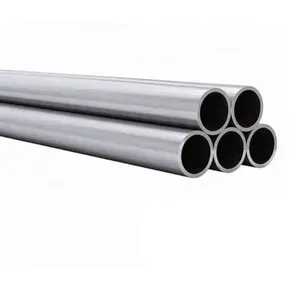 Read More

Contact Us
Recommended Products
-
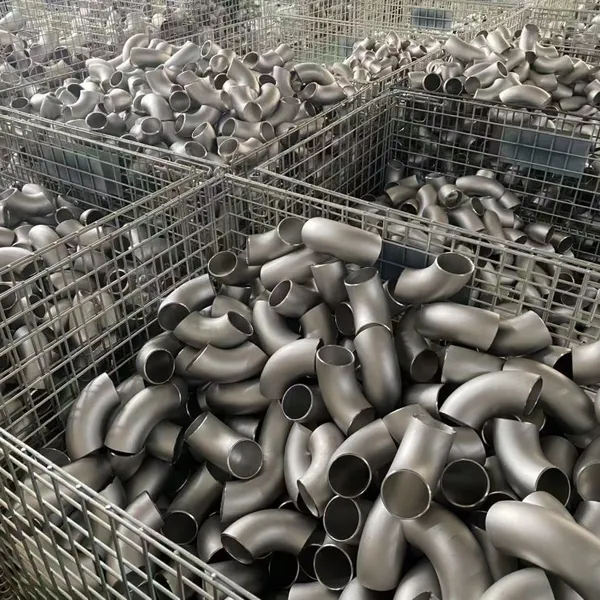
 Stainless Steel Elbow Welded Elbow 45/90/180-degree Seamless Pressed Elbow Long Radius Elbow Short Radius Elbow WholesaleNegotiableMOQ: 1 Piece
 -
316L/1.4405 Seamless Stainless Steel PipeNegotiableMOQ: 2 Meters
-
310s 440 Seamless Sanitary Piping Price 321 904l 201 20 Inch Seamless Steel Pipe A554 Stainless Steel PipeNegotiableMOQ: 1 Piece
-
China Brand ZZ Wholesale 304L 316 316L Welded Austenitic Piping Stainless Steel Pipe SupplierNegotiableMOQ: 2 Meters
-
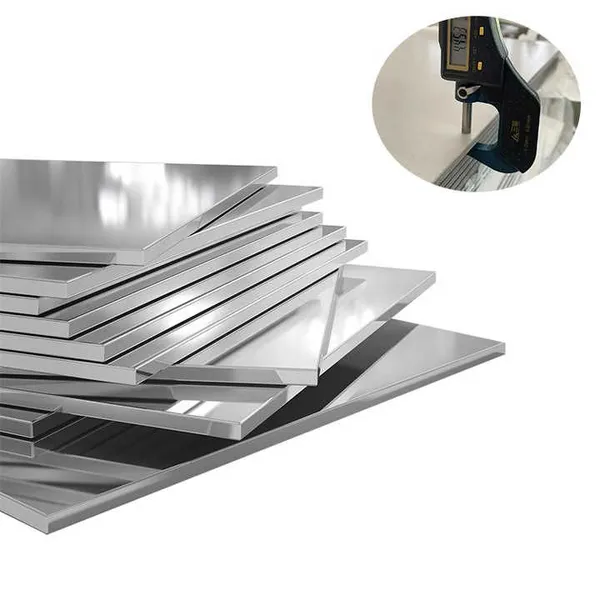
304/304L/316/409/410/904L/2205/2507/310H Premium Stainless Steel Sheets Supplier Custom Sizes & FinishesUS$ 1.72MOQ: 1 Ton
-
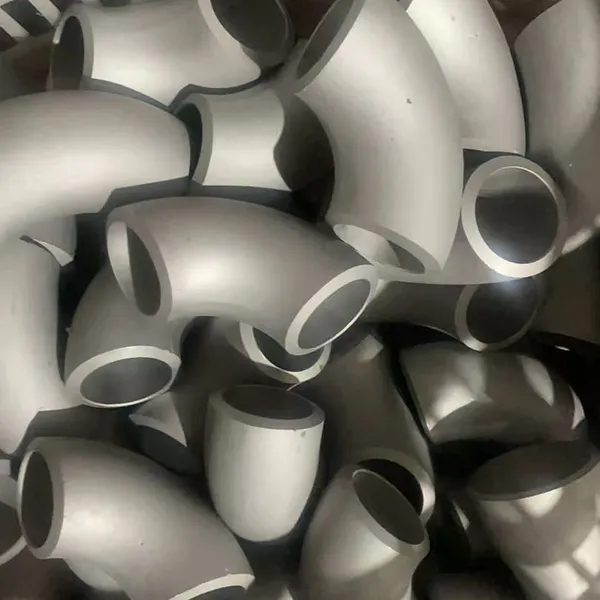
Stainless Steel ASME B16.9 Sch 45 90 Degree Pipe Fittings ElbowUS$ 8MOQ: 1 Piece
-
China Brand Zz 304L 316/316L GB En JIS Standard Thin Wall Welded Stainless Steel Water Pipe/TubeNegotiableMOQ: 2 Meters
-
BA 4 Inch 6 Inch 8 Inch 201 304 304L 316 316L Welded Seamless Stainless Steel PipeNegotiableMOQ: 2 Meters
-
ASME B36.19M-2004 SCH40S Stainless Steel Pipe - Complies With EU 3.1 CertificationUS$ 1 - 650MOQ: 1 Piece
-
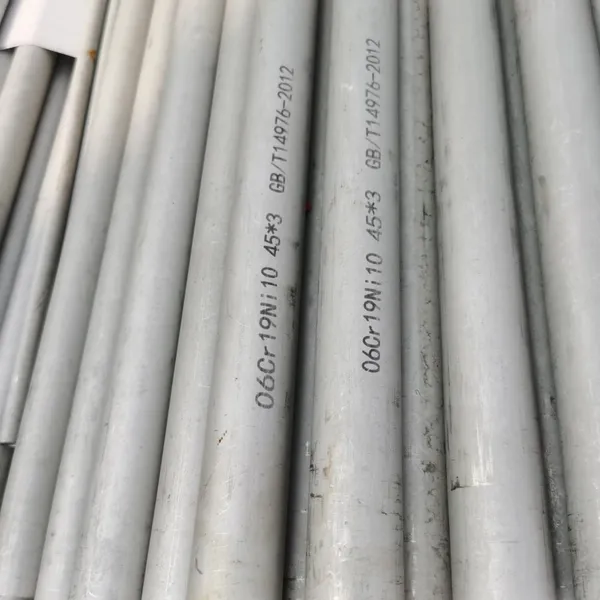
Factory TP309/TP309S/TP309H (UNS30900) Seamless Stainless Steel Pipe and Tube for Boiler BafflesUS$ 8MOQ: 200 Kilograms
-
TP347/TP347H/1.4961/S34709 Seamless Stainless Steel Pipe for UseNegotiableMOQ: 2 Meters
-
China 304 316 Stainless Steel Sanitary Welded Tube Food Grade Sanitary Grade Welded Pipe PolishingNegotiableMOQ: 1 Piece
-
China Manufacture Stainless Steel 316L Ba Seamless Welded Steel Pipe TubesUS$ 1760 - 1860MOQ: 5 Tons
-
316L/1.4405 Seamless Stainless Steel PipeNegotiableMOQ: 2 Meters
-
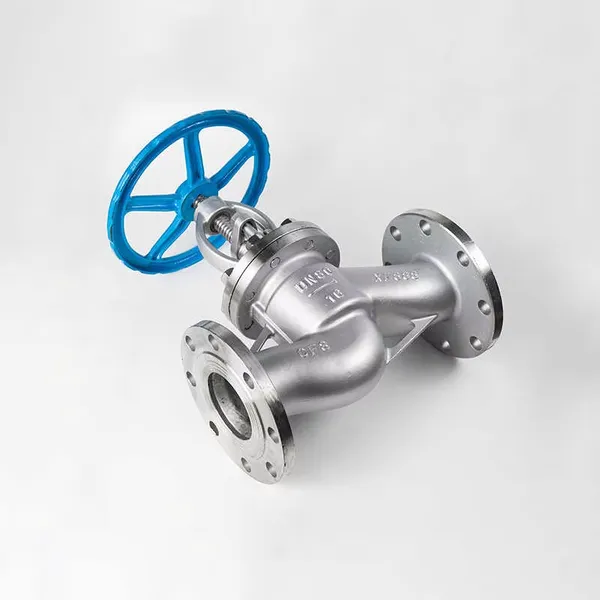
Stainless Steel Globe Valve – High Durability & Corrosion ResistanceNegotiableMOQ: 1 Piece
-
1.4529 Stainless Steel Flat Plate for Chemical Processing EquipmentUS$ 25 - 35MOQ: 1 Kilogram
-
Color Coated Steel Panels for Warehouse Partition Walls (Fireproof Grade)US$ 1 - 1.2MOQ: 50 Kilograms
-
Custom Width (600mm-1250mm) Colored Steel Coil With Scratch ResistanceUS$ 1 - 1.2MOQ: 50 Kilograms
-
0.5mm-3.0mm Colored Coated Steel Sheet With PVDF/Polyester CoatingUS$ 1 - 1.2MOQ: 50 Kilograms
-
JIS G 3322 Compliant Colored Coils With Third-Party Inspection ReportUS$ 1 - 1.2MOQ: 50 Kilograms