
 Business License

Introduction to Heat Treatment and Pickling Passivation for Corrosion Resistance of Stainless Steel
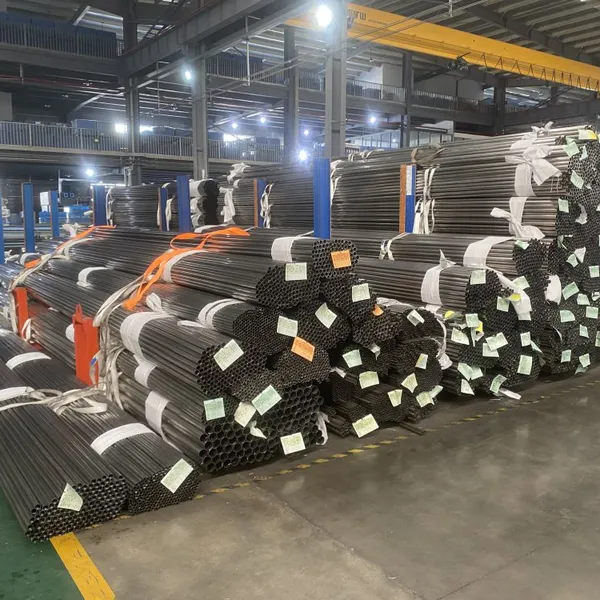
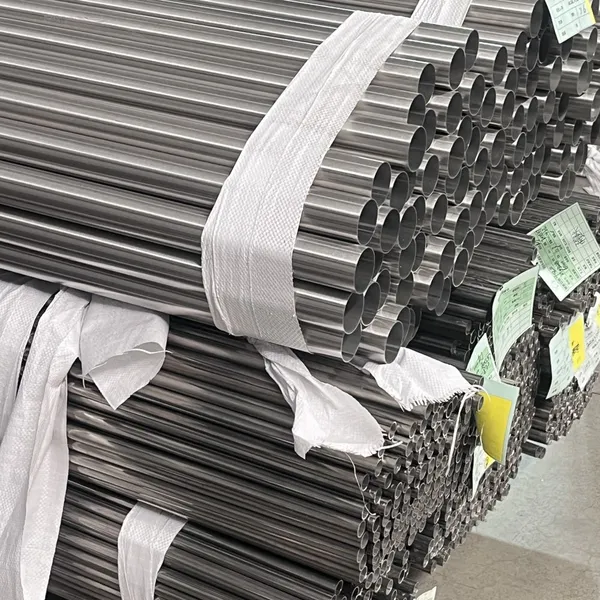
Stainless steel pipes have been widely used in multiple fields such as water supply and drainage systems, HVAC, and industrial fluid transmission due to their excellent corrosion resistance, high strength and toughness. However, in the face of complex and changeable environmental conditions, relying solely on the inherent properties of stainless steel materials is no longer sufficient to meet all requirements. Therefore, further enhancing the corrosion resistance of stainless steel pipes through surface treatment processes such as heat treatment and pickling passivation is particularly important. This article will comprehensively analyze the principles, methods of these two processes and their applications in improving the corrosion resistance of stainless steel pipes.
Heat treatment: Improving internal structure and performance
Principles and Methods of Heat Treatment
Heat treatment of stainless steel pipe fittings is a process of treating stainless steel materials at high temperatures. By controlling parameters such as time, temperature and cooling rate during heating and cooling, the microstructure and properties of stainless steel are changed. This process mainly includes three stages: heating, holding and cooling. The aim is to refine the grain, precipitate phase transformation and phase decomposition, thereby enhancing the material's strength and hardness, and increasing its mechanical properties such as tensile and compressive resistance.
Improvement in corrosion resistance performance
Heat treatment not only enhances the mechanical properties of stainless steel but also significantly improves its corrosion resistance. By eliminating internal stresses and defects and reducing the content of sensitive phases in the microstructure, the corrosion resistance of stainless steel pipes is effectively enhanced. In addition, heat treatment can adjust the ratio of austenite to ferrite and optimize the crystal structure of the material, further enhancing its corrosion resistance.
Pickling and passivation: Forming a protective oxide film
The principle of pickling and passivation
Stainless steel pickling and passivation is an important metal surface treatment process, aiming to enhance the corrosion resistance of stainless steel. Its basic principle is to remove the oxides and impurities on the surface of stainless steel through pickling, and then form a dense protective oxide film on the surface of stainless steel through passivation treatment. This film is mainly formed by the rapid oxidation of the Cr element in the steel on the surface, which has a very high protective property and can effectively isolate air and moisture, preventing stainless steel from corroding.
Pickling and passivation method
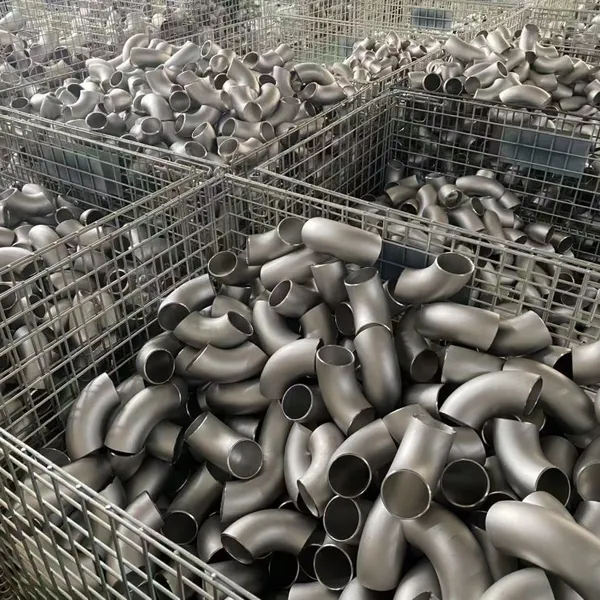
According to different operation methods, the pickling and passivation treatment of stainless steel can mainly be divided into six methods: immersion method, paste method, brushing method, spray method, circulation method and electrochemical method. Among them, the immersion method is particularly suitable for the treatment of stainless steel pipelines, elbows and small parts, which can ensure the completeness of the surface reaction and form a dense and uniform passivation film. The paste method is widely used in the treatment of welds and welding discoloration and other difficult-to-treat areas due to its simple operation and flexible on-site adaptability.
Improvement in corrosion resistance performance
Pickling and passivation make the entire surface of stainless steel uniform and balanced by removing contaminants and defects on its surface. More importantly, it can preferentially dissolve iron and iron oxides, thereby removing the chromium-poor layer and enriching the chromium content on the surface of stainless steel. Under the action of oxidants, these chromium-rich areas will further form a complete and stable passive film, significantly improving the corrosion resistance of stainless steel pipes.
The Comprehensive Application of Heat Treatment and Pickling Passivation
In practical applications, heat treatment and pickling passivation are often used in combination to achieve the best treatment effect. Heat treatment can improve the internal structure and performance of stainless steel, providing a good foundation for pickling passivation. And pickling passivation can further form a protective oxide film on the basis of heat treatment, enhancing the corrosion resistance of stainless steel pipes. This comprehensive application not only extends the service life of stainless steel pipes but also meets the aesthetic and practical requirements of various application scenarios.
Conclusion
Heat treatment and pickling passivation, as key processes for enhancing the corrosion resistance of stainless steel pipes, play a significant role in multiple fields. By optimizing the internal structure and surface state of stainless steel, these two processes can significantly improve the corrosion resistance, strength, and hardness of stainless steel pipes. With the continuous development of industrial technology, heat treatment and pickling passivation processes will be constantly improved and innovated, providing more reliable technical support for the application of stainless steel pipes.
Recently Posted
-
Does the stainless steel welded pipe have specific temperature requirements during the solution heat
January 20, 2026Solution heat treatment involves heating stainless steel to a high temperature and then rapidly cooling it to achieve an oversatur Read More
 -
Can stainless steel welded pipes be made into thick pipes
January 20, 2026With the improvement of high-quality welding technology and increasingly strict weld inspection, the application fields of s Read More
 -
Three types of commonly available food-grade stainless steel on the market
January 20, 2026The common food-grade stainless steel pipes are mainly composed of iron, chromium and carbon and other elements. Household stainle Read More
 -
What are the requirements for stainless steel welding pipe production equipment
January 20, 2026As is well known, stainless steel welded pipes have been widely used in various industries such as machinery, chemical engineering Read More

Contact Us
Recommended Products
-
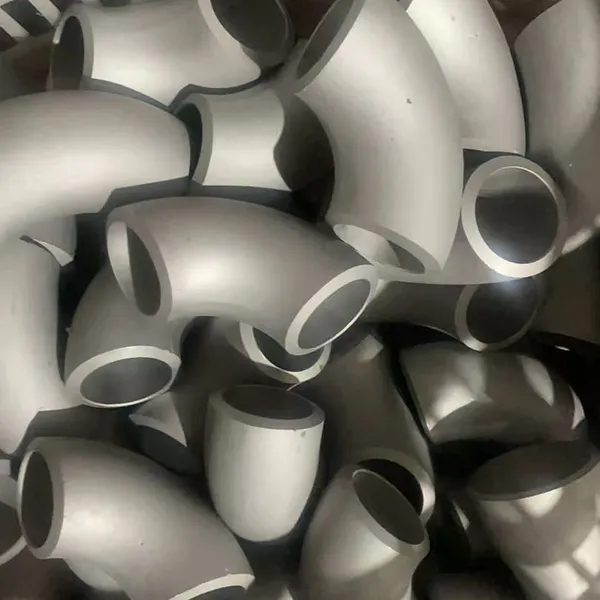
 Stainless Steel Elbow Welded Elbow 45/90/180-degree Seamless Pressed Elbow Long Radius Elbow Short Radius Elbow WholesaleNegotiableMOQ: 1 Piece
 -
316L/1.4405 Seamless Stainless Steel PipeNegotiableMOQ: 2 Meters
-
310s 440 Seamless Sanitary Piping Price 321 904l 201 20 Inch Seamless Steel Pipe A554 Stainless Steel PipeNegotiableMOQ: 1 Piece
-
China Brand ZZ Wholesale 304L 316 316L Welded Austenitic Piping Stainless Steel Pipe SupplierNegotiableMOQ: 2 Meters
-
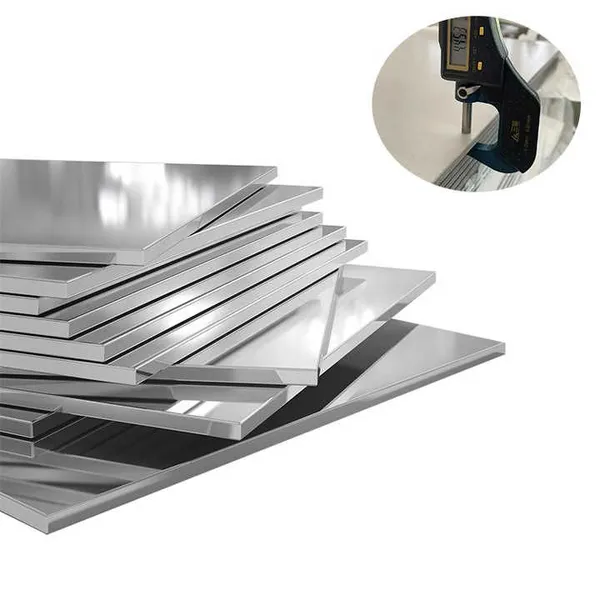
304/304L/316/409/410/904L/2205/2507/310H Premium Stainless Steel Sheets Supplier Custom Sizes & FinishesUS$ 1.72MOQ: 1 Ton
-
Stainless Steel ASME B16.9 Sch 45 90 Degree Pipe Fittings ElbowUS$ 8MOQ: 1 Piece
-
China Brand Zz 304L 316/316L GB En JIS Standard Thin Wall Welded Stainless Steel Water Pipe/TubeNegotiableMOQ: 2 Meters
-
BA 4 Inch 6 Inch 8 Inch 201 304 304L 316 316L Welded Seamless Stainless Steel PipeNegotiableMOQ: 2 Meters
-
ASME B36.19M-2004 SCH40S Stainless Steel Pipe - Complies With EU 3.1 CertificationUS$ 1 - 650MOQ: 1 Piece
-
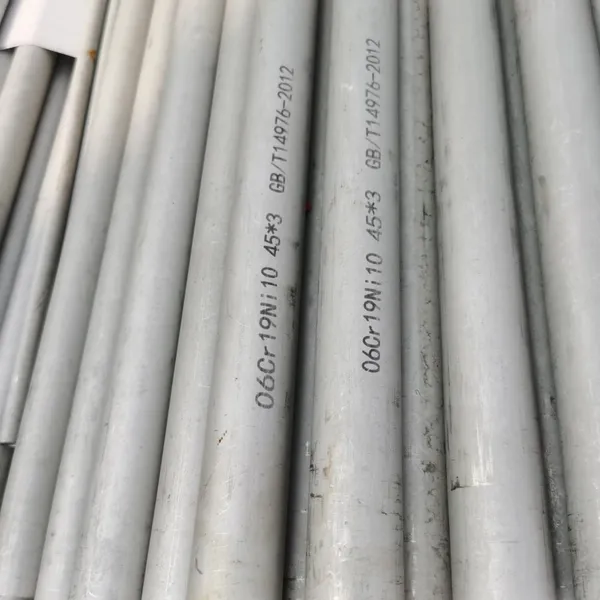
Factory TP309/TP309S/TP309H (UNS30900) Seamless Stainless Steel Pipe and Tube for Boiler BafflesUS$ 8MOQ: 200 Kilograms
-
TP347/TP347H/1.4961/S34709 Seamless Stainless Steel Pipe for UseNegotiableMOQ: 2 Meters
-
China 304 316 Stainless Steel Sanitary Welded Tube Food Grade Sanitary Grade Welded Pipe PolishingNegotiableMOQ: 1 Piece
-
China Manufacture Stainless Steel 316L Ba Seamless Welded Steel Pipe TubesUS$ 1760 - 1860MOQ: 5 Tons
-
316L/1.4405 Seamless Stainless Steel PipeNegotiableMOQ: 2 Meters
-
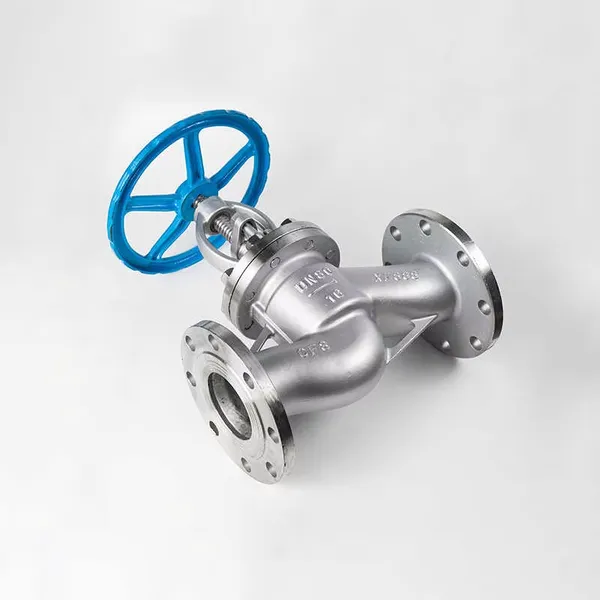
Stainless Steel Globe Valve – High Durability & Corrosion ResistanceNegotiableMOQ: 1 Piece
-
1.4529 Stainless Steel Flat Plate for Chemical Processing EquipmentUS$ 25 - 35MOQ: 1 Kilogram
-
Color Coated Steel Panels for Warehouse Partition Walls (Fireproof Grade)US$ 1 - 1.2MOQ: 50 Kilograms
-
Custom Width (600mm-1250mm) Colored Steel Coil With Scratch ResistanceUS$ 1 - 1.2MOQ: 50 Kilograms
-
0.5mm-3.0mm Colored Coated Steel Sheet With PVDF/Polyester CoatingUS$ 1 - 1.2MOQ: 50 Kilograms
-
JIS G 3322 Compliant Colored Coils With Third-Party Inspection ReportUS$ 1 - 1.2MOQ: 50 Kilograms