
 Business License

Practical Tips for Repairing Leakage in Stainless Steel Pipe Weld Joints
Stainless steel pipes have been widely used in various industrial, construction and civilian fields due to their excellent corrosion resistance and high strength. However, due to factors such as welding techniques, material quality or environmental conditions, leakage problems may occur at the welds. This article will introduce several practical techniques for repairing leakage in stainless steel pipe welds, helping readers quickly and effectively solve this problem.
I. Traditional Restoration Methods
Re-sealing and re-welding
The traditional method for repairing weld leaks in stainless steel pipes is to stop the operation, release the medium, and then re-seal and re-weld. Although this method is effective, it is time-consuming and labor-intensive, and it requires a shutdown operation, which affects production efficiency.
2. Adhesive Leak Sealing
Another method is to use adhesives for leak sealing. However, common adhesives have poor resistance to various media, and the treatment effect is often unsatisfactory. Therefore, when choosing adhesives, special attention should be paid to their media resistance and bonding strength.
II. Modern Efficient Restoration Technologies
Sorel carbon nanopolymer material repair
The sorre carbon nanopolymer material has excellent bonding strength, medium resistance, corrosion resistance and anti-aging properties, and has achieved good application results in leakage control. The repair steps are as follows:
Remove the insulation layer: expose the leakage area.
Polish the leakage area: Use a grinding machine to polish the leakage area and its surrounding area until the original metal color is exposed, and then clean it thoroughly with absolute ethanol.
Mixing materials: Mix the Soray carbon nanopolymer material in the prescribed proportion.
Seal the leakage points: Seal the small leakage areas until there is no more leakage.
Apply and wrap the reinforcing tape: Mix the SD7101H material until it is uniformly colorless and free of variations. Then apply it to the leakage area and wrap the reinforcing tape. Apply the material between each layer.
Material curing: Once the material has fully cured, the repair can be completed.
2. Handicraft polymer composite material repair
Hendico polymer composite material technology has the advantages of short time, low cost and good effect. Its greatest merit is that it uses the extremely strong bonding force of the material to bond with the substrate, without generating thermal stress, thus avoiding brittle fractures of the pipeline in the later stage. The repair steps are as follows:
Remove the protective layer: expose the leakage area.
Polishing and cleaning: Use a polishing machine to polish the leakage area and its surrounding areas, and then clean them thoroughly with absolute ethanol.
Blending material: Blending polymer composite material.
Seal the leakage points: Seal the small leakage areas until there is no more leakage.
Apply and wrap the reinforcing tape: First, apply a thin layer evenly to ensure complete coverage. Then, press it down and continue applying until a certain thickness is reached. Cover the entire weld seam with this layer, and then wrap the reinforcing tape.
Material curing and pressure test: After the material has cured, water supply pressure test can be carried out.
III. Welding Leak Sealing Techniques
Plug welding repair method
Make a conical wedge using a resilient metal (such as a nail or a welding rod tip), and insert it into the leaking hole to stop the leakage or reduce it. Then, perform welding repair.
2. Hammering and Pressing Welding Repair Method
Using external force (such as a pointed hammer, flat-nose chisel, etc.) to press and seal part of the leakage area, creating conditions for welding afterwards, then perform welding. This method is applicable to cracks, pores or shrinkage cavities in low-pressure vessels and pipelines, as well as leakage areas in water, steam and other media with lower pressure and carbon steel pipelines or containers with a wall thickness of over 3.5mm or other leakage parts.
3. Plug welding repair method
Use appropriate iron wire or welding rod ends to plug the cracks or holes to reduce the pressure and flow rate of leakage, and then perform rapid welding. This method is suitable for situations where the cracks are wide or the sand holes and gas pores have larger diameters.
4. Top-flow welding repair method
By utilizing the principle of thermal expansion and contraction of objects, this method involves intermittently welding from both sides of the crack towards the center. The local temporary closure of the leakage point is achieved through the internal thermal stress in the weld seam. This method is applicable to situations such as metal fatigue cracks and weld seam cracks.
5. Bonding and Patching Method
Use an adhesive to bond the object to be welded together with a matching repair plate. Then, proceed with the welding process using normal techniques. This method is suitable for situations with too many cracked areas. It saves both time and effort during the welding process.
IV. Preventive Measures
To prevent the occurrence of leakage at the welds of stainless steel pipes, the following preventive measures can be taken:
Select high-quality raw materials: Ensure the strips are flat and free of impurities.
Control the welding parameters, such as cooling water and welding temperature, to ensure the quality of the weld seam.
Strengthen gas protection: During the welding process, ensure the protective effect of the gas to prevent unstable weld seams.
Regular equipment maintenance: Use advanced and well-maintained equipment for welding to ensure the quality of the weld seams.
V. Conclusion
The repair of weld leaks in stainless steel pipes is a crucial task that requires the selection of appropriate repair methods and techniques. By understanding and applying the aforementioned practical skills, one can quickly and effectively solve the problem of weld leaks, ensuring the normal operation and service life of the stainless steel pipes. At the same time, strengthening preventive measures is also the key to reducing the occurrence of weld leaks. We hope this article can provide readers with useful references and assistance.
Recently Posted
-
Does the stainless steel welded pipe have specific temperature requirements during the solution heat
January 20, 2026Solution heat treatment involves heating stainless steel to a high temperature and then rapidly cooling it to achieve an oversatur Read More
 -
Can stainless steel welded pipes be made into thick pipes
January 20, 2026With the improvement of high-quality welding technology and increasingly strict weld inspection, the application fields of s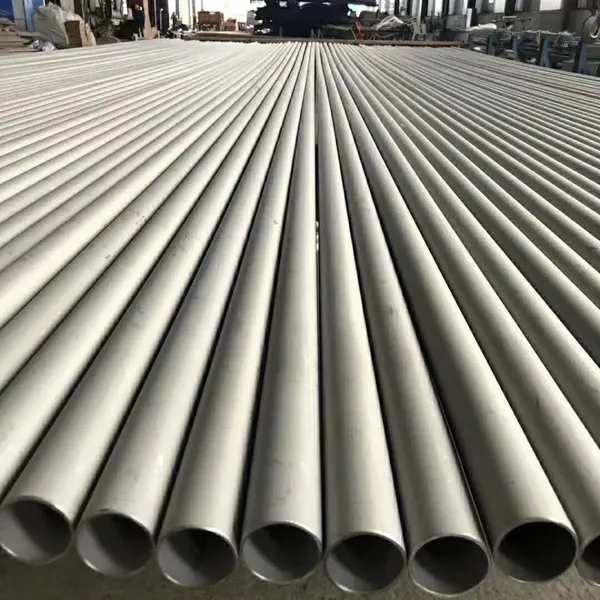 Read More
 -
Three types of commonly available food-grade stainless steel on the market
January 20, 2026The common food-grade stainless steel pipes are mainly composed of iron, chromium and carbon and other elements. Household stainle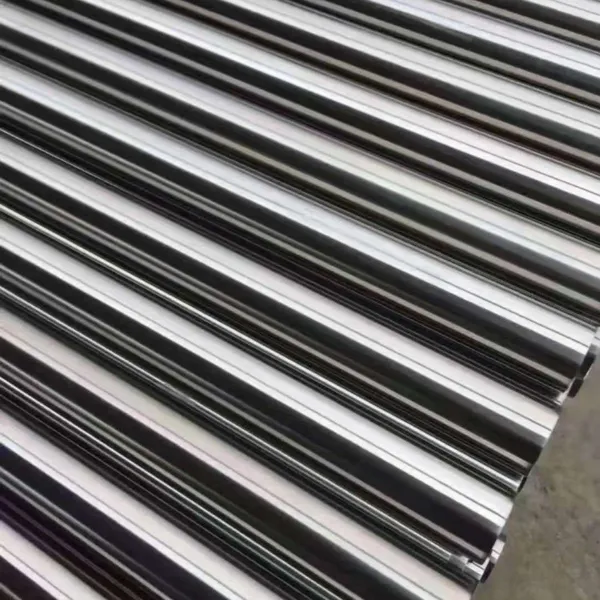 Read More
 -
What are the requirements for stainless steel welding pipe production equipment
January 20, 2026As is well known, stainless steel welded pipes have been widely used in various industries such as machinery, chemical engineering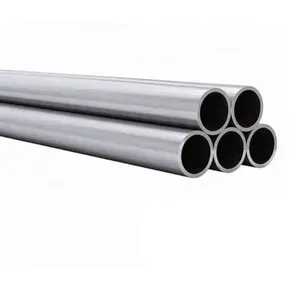 Read More

Contact Us
Recommended Products
-
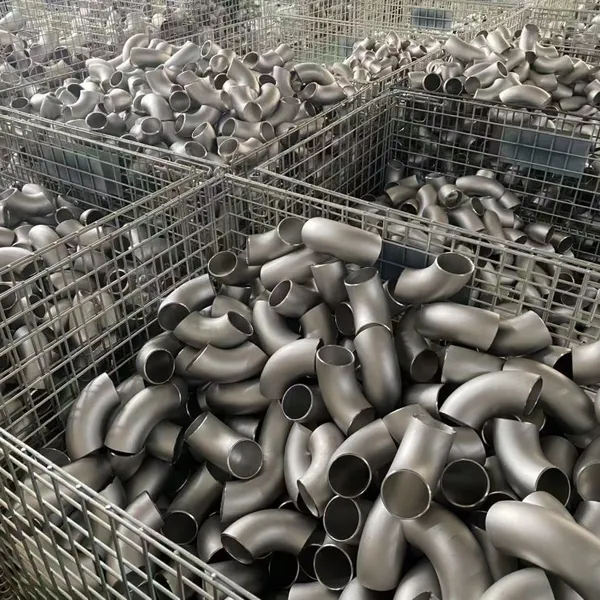
 Stainless Steel Elbow Welded Elbow 45/90/180-degree Seamless Pressed Elbow Long Radius Elbow Short Radius Elbow WholesaleNegotiableMOQ: 1 Piece
 -
316L/1.4405 Seamless Stainless Steel PipeNegotiableMOQ: 2 Meters
-
310s 440 Seamless Sanitary Piping Price 321 904l 201 20 Inch Seamless Steel Pipe A554 Stainless Steel PipeNegotiableMOQ: 1 Piece
-
China Brand ZZ Wholesale 304L 316 316L Welded Austenitic Piping Stainless Steel Pipe SupplierNegotiableMOQ: 2 Meters
-
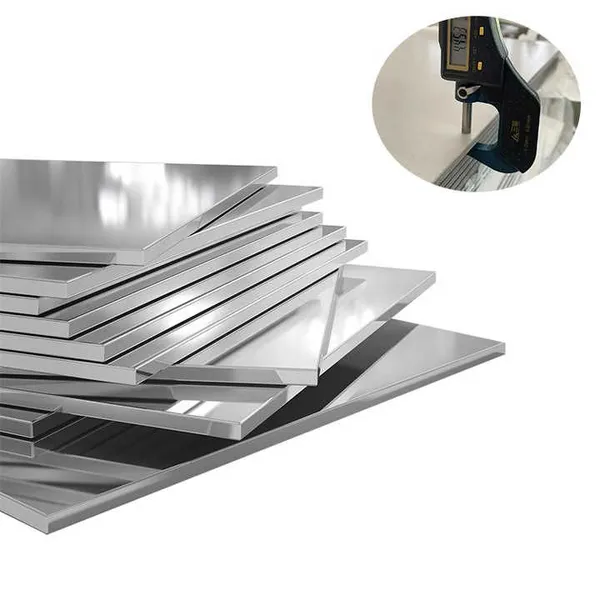
304/304L/316/409/410/904L/2205/2507/310H Premium Stainless Steel Sheets Supplier Custom Sizes & FinishesUS$ 1.72MOQ: 1 Ton
-
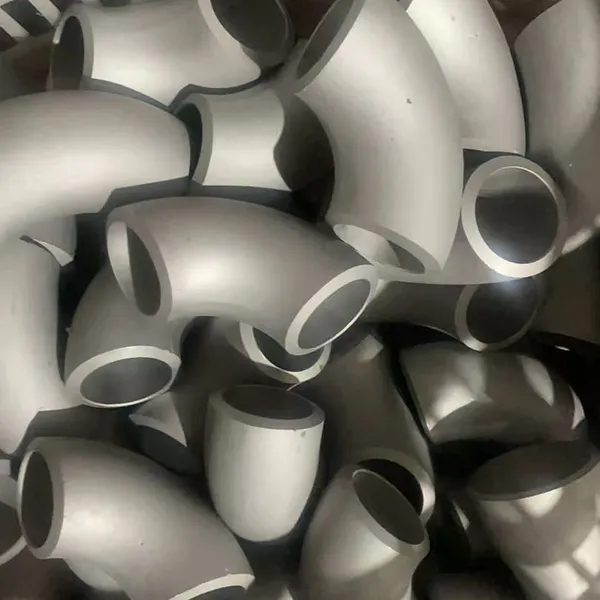
Stainless Steel ASME B16.9 Sch 45 90 Degree Pipe Fittings ElbowUS$ 8MOQ: 1 Piece
-
China Brand Zz 304L 316/316L GB En JIS Standard Thin Wall Welded Stainless Steel Water Pipe/TubeNegotiableMOQ: 2 Meters
-
BA 4 Inch 6 Inch 8 Inch 201 304 304L 316 316L Welded Seamless Stainless Steel PipeNegotiableMOQ: 2 Meters
-
ASME B36.19M-2004 SCH40S Stainless Steel Pipe - Complies With EU 3.1 CertificationUS$ 1 - 650MOQ: 1 Piece
-
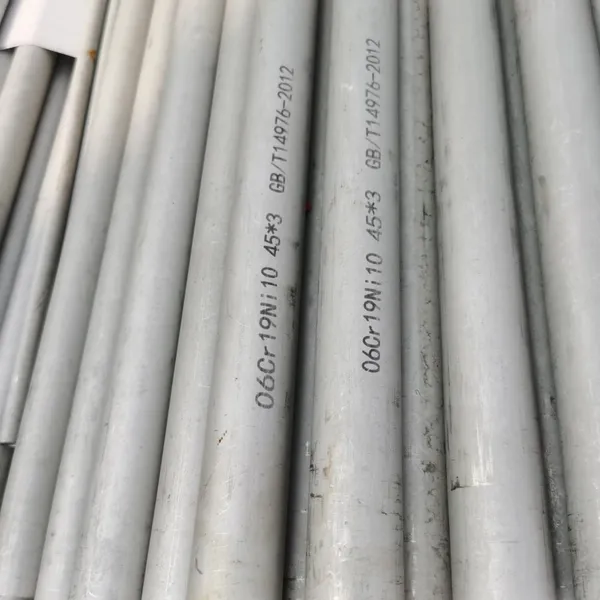
Factory TP309/TP309S/TP309H (UNS30900) Seamless Stainless Steel Pipe and Tube for Boiler BafflesUS$ 8MOQ: 200 Kilograms
-
TP347/TP347H/1.4961/S34709 Seamless Stainless Steel Pipe for UseNegotiableMOQ: 2 Meters
-
China 304 316 Stainless Steel Sanitary Welded Tube Food Grade Sanitary Grade Welded Pipe PolishingNegotiableMOQ: 1 Piece
-
China Manufacture Stainless Steel 316L Ba Seamless Welded Steel Pipe TubesUS$ 1760 - 1860MOQ: 5 Tons
-
316L/1.4405 Seamless Stainless Steel PipeNegotiableMOQ: 2 Meters
-
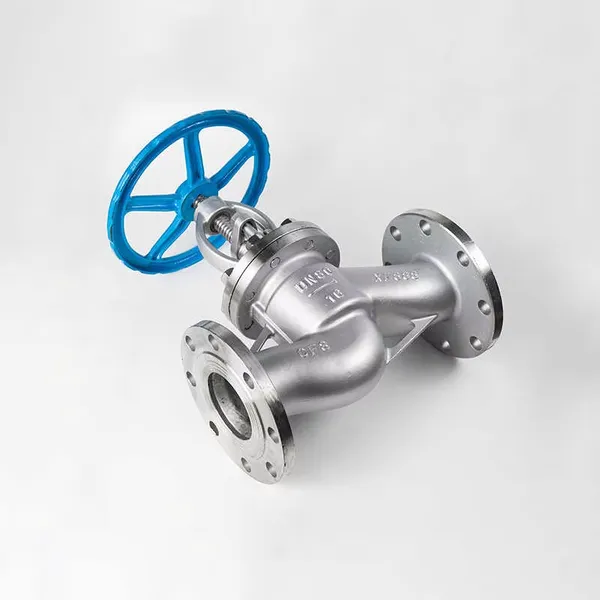
Stainless Steel Globe Valve – High Durability & Corrosion ResistanceNegotiableMOQ: 1 Piece
-
1.4529 Stainless Steel Flat Plate for Chemical Processing EquipmentUS$ 25 - 35MOQ: 1 Kilogram
-
Color Coated Steel Panels for Warehouse Partition Walls (Fireproof Grade)US$ 1 - 1.2MOQ: 50 Kilograms
-
Custom Width (600mm-1250mm) Colored Steel Coil With Scratch ResistanceUS$ 1 - 1.2MOQ: 50 Kilograms
-
0.5mm-3.0mm Colored Coated Steel Sheet With PVDF/Polyester CoatingUS$ 1 - 1.2MOQ: 50 Kilograms
-
JIS G 3322 Compliant Colored Coils With Third-Party Inspection ReportUS$ 1 - 1.2MOQ: 50 Kilograms