
 Business License

How to clean oil stains from 304 stainless steel pipes
In industrial production and daily life, 304 stainless steel pipes are widely used due to their excellent corrosion resistance, high strength and aesthetic appearance. However, after long-term use and exposure to various environments, the surface of 304 stainless steel pipes is inevitably covered with oil stains, which not only affects their appearance but also may affect the performance and service life of the pipes. This article will deeply explore effective methods for cleaning the oil stains on 304 stainless steel pipes, helping users solve this problem.
1. Understand the types of oil stains on 304 stainless steel pipes
The surface of 304 stainless steel pipes is covered with various types of oil stains, including grease, lubricating oil, engine oil, handprints, dust, etc. The sources and properties of these oil stains vary, and so does the difficulty of cleaning. Therefore, before cleaning, it is necessary to assess the type and severity of the oil stains in order to select the appropriate cleaning method and cleaning agent.
II. Select the appropriate cleaning agent
For the cleaning of oil stains on 304 stainless steel pipes, common cleaning agents include degreasing agents, wax removers and specialized stainless steel cleaners. These cleaning agents have excellent decontamination capabilities and can quickly break down and remove oil stains. When choosing a cleaning agent, it is necessary to consider comprehensively based on the type and severity of the oil stains, as well as the surface treatment of the pipes and their subsequent uses.
III. Selection and Application of Cleaning Methods
Spraying and wiping method: For large-diameter 304 stainless steel pipes, the spraying and wiping method can be used for cleaning. Dilute the cleaning agent according to the ratio, then use a spray bottle or sprayer to evenly spray the cleaning agent on the pipe surface, and then wipe it with a clean cloth or sponge until the oil stains are completely removed. This method is suitable for situations with relatively light oil stains.
Soaking cleaning method: For small-diameter 304 stainless steel pipes or pipes with heavy oil stains, the soaking cleaning method can be used. Completely immerse the pipe in the cleaning agent. According to the severity of the oil stains and the instructions of the cleaning agent, leave it in the agent for a certain period of time. Then, gently wipe the surface of the pipe with a brush or cloth, and finally rinse it clean with water. This method can ensure that the oil stains are completely removed without causing damage to the pipe surface.
Ultrasonic cleaning method: For 304 stainless steel pipes with particularly stubborn oil stains or those that are difficult to clean, the ultrasonic cleaning method can be adopted. Place the pipe in the ultrasonic cleaning machine, add an appropriate amount of cleaning agent and water, and start the ultrasonic cleaning machine. By utilizing the vibration and cavitation effect of ultrasonic waves, the oil stains can be separated and removed from the surface of the pipe. This method is characterized by high efficiency, rapidity, and thoroughness, and is suitable for cleaning high-precision and complex-shaped pipes.
IV. Cleaning Precautions
Avoid using sharp objects for scrubbing: During the cleaning process, avoid using steel wool or other sharp objects to scrub the surface of the pipes, as this may cause scratches on the stainless steel surface and damage the high-chromium oxide film on the surface, leading to rusting of the pipes.
Select the appropriate cleaning temperature: The cleaning effect of the cleaning agent is closely related to the temperature. Generally speaking, as the temperature rises, the activity of the cleaning agent increases and its decontamination ability improves. However, excessively high temperatures may cause the cleaning agent to decompose or the pipeline to deform. Therefore, during the cleaning process, the appropriate cleaning temperature should be selected based on the instructions for using the cleaning agent and the material of the pipeline.
Clean and dry promptly: After the cleaning process is completed, promptly rinse the surface of the pipeline with clean water to remove any remaining cleaning agents. Then, use a clean cloth or paper towel to dry the pipeline surface to prevent moisture residue from causing the pipeline to rust or corrode.
V. Summary
Cleaning 304 stainless steel pipes of oil stains is a task that seems simple but is actually quite complex. By choosing the right cleaning agent, adopting the correct cleaning method and following the necessary precautions, the problem of cleaning 304 stainless steel pipes of oil stains can be effectively solved. During actual operation, adjustments and optimizations should be made flexibly according to specific circumstances to achieve the best cleaning results. At the same time, regular cleaning and maintenance of 304 stainless steel pipes can extend their service life, improve the performance and safety of the piping system.
Recently Posted
-
Does the stainless steel welded pipe have specific temperature requirements during the solution heat
January 20, 2026Solution heat treatment involves heating stainless steel to a high temperature and then rapidly cooling it to achieve an oversatur Read More
 -
Can stainless steel welded pipes be made into thick pipes
January 20, 2026With the improvement of high-quality welding technology and increasingly strict weld inspection, the application fields of s Read More
 -
Three types of commonly available food-grade stainless steel on the market
January 20, 2026The common food-grade stainless steel pipes are mainly composed of iron, chromium and carbon and other elements. Household stainle Read More
 -
What are the requirements for stainless steel welding pipe production equipment
January 20, 2026As is well known, stainless steel welded pipes have been widely used in various industries such as machinery, chemical engineering Read More

Contact Us
Recommended Products
-
 Stainless Steel Elbow Welded Elbow 45/90/180-degree Seamless Pressed Elbow Long Radius Elbow Short Radius Elbow WholesaleNegotiableMOQ: 1 Piece
 -
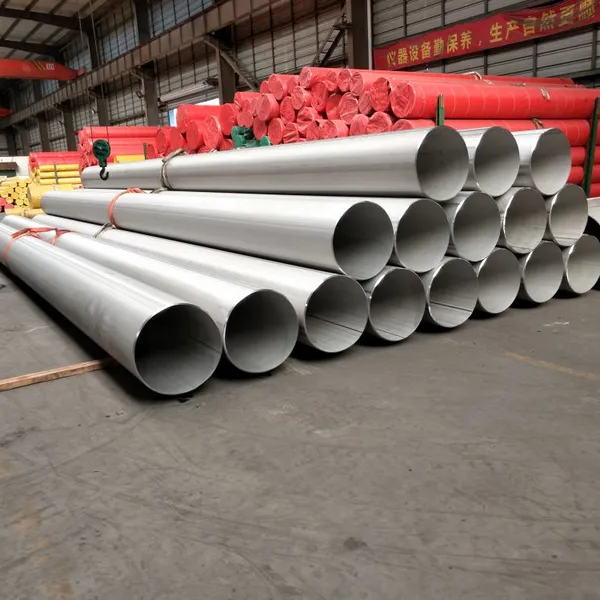
316L/1.4405 Seamless Stainless Steel PipeNegotiableMOQ: 2 Meters
-
310s 440 Seamless Sanitary Piping Price 321 904l 201 20 Inch Seamless Steel Pipe A554 Stainless Steel PipeNegotiableMOQ: 1 Piece
-
China Brand ZZ Wholesale 304L 316 316L Welded Austenitic Piping Stainless Steel Pipe SupplierNegotiableMOQ: 2 Meters
-
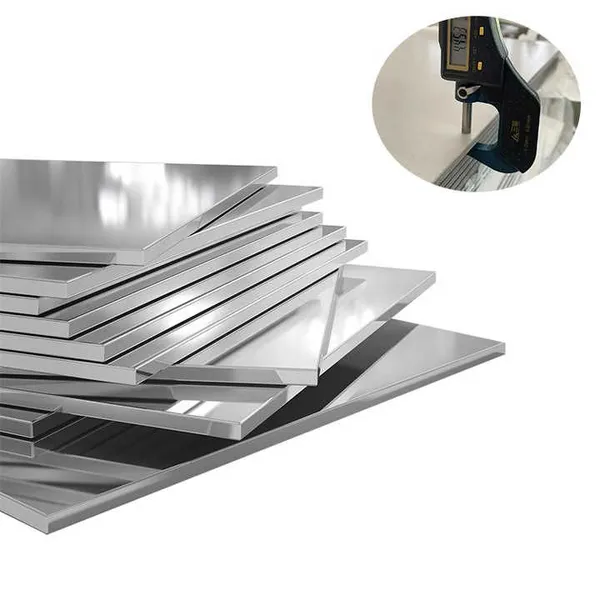
304/304L/316/409/410/904L/2205/2507/310H Premium Stainless Steel Sheets Supplier Custom Sizes & FinishesUS$ 1.72MOQ: 1 Ton
-
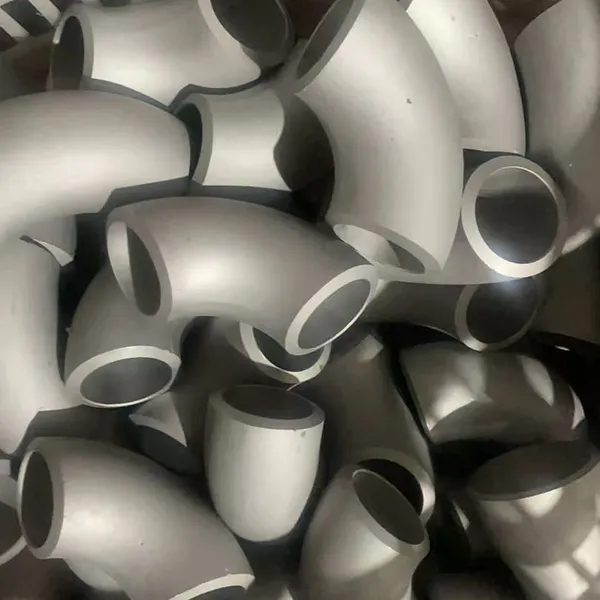
Stainless Steel ASME B16.9 Sch 45 90 Degree Pipe Fittings ElbowUS$ 8MOQ: 1 Piece
-
China Brand Zz 304L 316/316L GB En JIS Standard Thin Wall Welded Stainless Steel Water Pipe/TubeNegotiableMOQ: 2 Meters
-
BA 4 Inch 6 Inch 8 Inch 201 304 304L 316 316L Welded Seamless Stainless Steel PipeNegotiableMOQ: 2 Meters
-
ASME B36.19M-2004 SCH40S Stainless Steel Pipe - Complies With EU 3.1 CertificationUS$ 1 - 650MOQ: 1 Piece
-
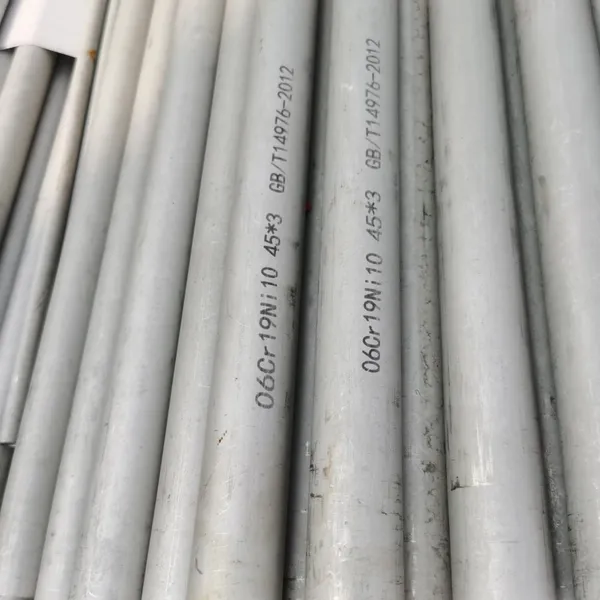
Factory TP309/TP309S/TP309H (UNS30900) Seamless Stainless Steel Pipe and Tube for Boiler BafflesUS$ 8MOQ: 200 Kilograms
-
TP347/TP347H/1.4961/S34709 Seamless Stainless Steel Pipe for UseNegotiableMOQ: 2 Meters
-
China 304 316 Stainless Steel Sanitary Welded Tube Food Grade Sanitary Grade Welded Pipe PolishingNegotiableMOQ: 1 Piece
-
China Manufacture Stainless Steel 316L Ba Seamless Welded Steel Pipe TubesUS$ 1760 - 1860MOQ: 5 Tons
-
316L/1.4405 Seamless Stainless Steel PipeNegotiableMOQ: 2 Meters
-
Stainless Steel Globe Valve – High Durability & Corrosion ResistanceNegotiableMOQ: 1 Piece
-
1.4529 Stainless Steel Flat Plate for Chemical Processing EquipmentUS$ 25 - 35MOQ: 1 Kilogram
-
Color Coated Steel Panels for Warehouse Partition Walls (Fireproof Grade)US$ 1 - 1.2MOQ: 50 Kilograms
-
Custom Width (600mm-1250mm) Colored Steel Coil With Scratch ResistanceUS$ 1 - 1.2MOQ: 50 Kilograms
-
0.5mm-3.0mm Colored Coated Steel Sheet With PVDF/Polyester CoatingUS$ 1 - 1.2MOQ: 50 Kilograms
-
JIS G 3322 Compliant Colored Coils With Third-Party Inspection ReportUS$ 1 - 1.2MOQ: 50 Kilograms