
 Business License

How to identify stainless steel seamless pipes
Identification of Stainless Steel Seamless Pipes
I. Magnetic Test
The magnetic test is the simplest method to distinguish annealed austenitic stainless steel from ferritic stainless steel. Austenitic stainless steel is non-magnetic material, but after cold processing under atmospheric pressure, it will acquire a slight magnetism on its own. However, pure chromium stainless steel and low alloy stainless steel are all highly magnetic steel.
II. Nitric Acid Spot Test
One notable feature of stainless steel pipes is their inherent resistance to corrosion in concentrated nitric acid and dilute nitric acid. This characteristic makes it easy to distinguish them from most other metals or alloys. However, high-carbon grades 420 and 440 base pipes in production nitric acid spot tests are slightly corroded. Colored metal enterprises will be corroded immediately when encountering concentrated nitric acid. Thin-walled stainless steel has a strong corrosive effect on carbon steel.
III. Copper Sulfate Spot Test
The copper sulfate spot test is a simple and convenient method for quickly distinguishing ordinary carbon steel from all types of double flange steel expansion joints. The concentration of the copper sulfate solution used is 5 - 10%.
Before conducting the spot test, the test area should be thoroughly and effectively cleaned of grease or various impurities on the concrete surface of the 304 stainless steel pipe, and polished with a soft abrasive cloth in one or a small area. Then, we will control the dripping of copper sulfate solution onto the cleaned area using a dropper. Ordinary carbon steel or iron forms a layer of metallic copper within a few seconds, while the surface of the double flange steel expansion joint does not produce copper deposits or show copper color.
The effect of the solution treatment of stainless steel seamless pipes
1. Make the arrangement and composition of stainless steel seamless pipes uniform and consistent
This is particularly important for raw materials, as the rolling temperature and cooling speed of each section of hot-rolled pipes are different, resulting in inconsistent structures. During high temperatures, atomic economic activities intensify, and the chemical composition tends to be uniform. After rapid cooling, a more uniform single-phase arrangement is achieved.
2. Eliminate work hardening to facilitate further cold processing.
Through solution treatment, the distorted lattice structure is restored, elongated and broken grains start to recrystallize, internal stress is eliminated, and the tensile strength of the wire decreases, while the elongation gradually increases.
3. Restore the inherent corrosion resistance of stainless steel pipes.
Because during the cold processing process, the formation of carbides and their segregation cause a decrease in the corrosion resistance of stainless steel pipes. After solution treatment, the corrosion resistance of the stainless steel seamless pipes returns to the optimal state.
Recently Posted
-
Does the stainless steel welded pipe have specific temperature requirements during the solution heat
January 20, 2026Solution heat treatment involves heating stainless steel to a high temperature and then rapidly cooling it to achieve an oversatur Read More
 -
Can stainless steel welded pipes be made into thick pipes
January 20, 2026With the improvement of high-quality welding technology and increasingly strict weld inspection, the application fields of s Read More
 -
Three types of commonly available food-grade stainless steel on the market
January 20, 2026The common food-grade stainless steel pipes are mainly composed of iron, chromium and carbon and other elements. Household stainle Read More
 -
What are the requirements for stainless steel welding pipe production equipment
January 20, 2026As is well known, stainless steel welded pipes have been widely used in various industries such as machinery, chemical engineering Read More

Contact Us
Recommended Products
-
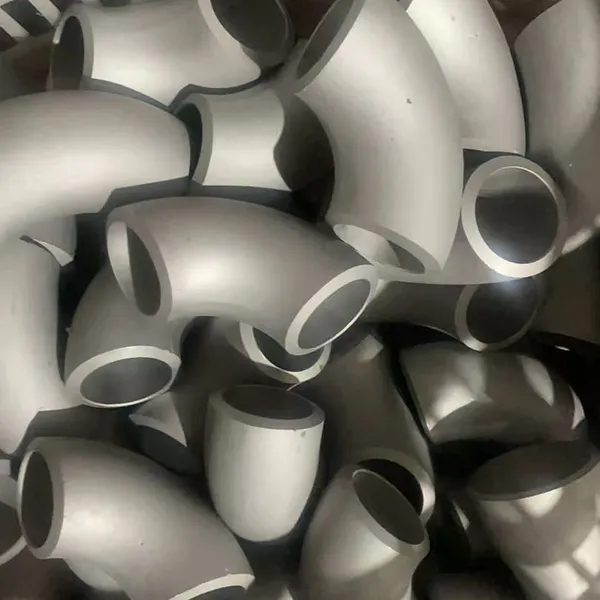
 Stainless Steel Elbow Welded Elbow 45/90/180-degree Seamless Pressed Elbow Long Radius Elbow Short Radius Elbow WholesaleNegotiableMOQ: 1 Piece
 -
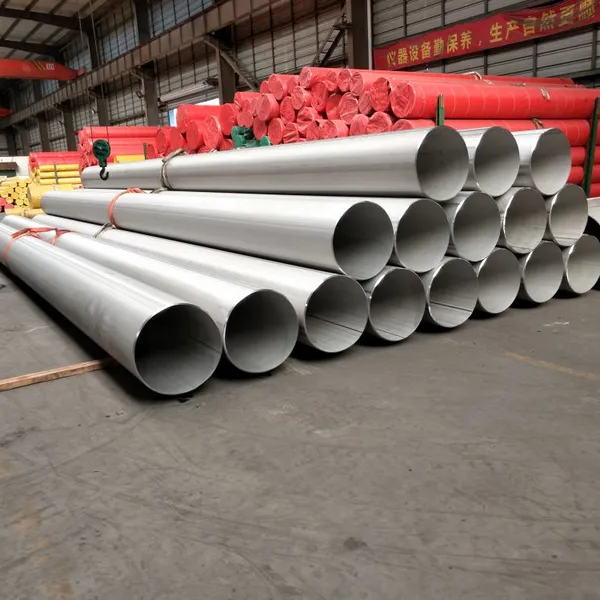
316L/1.4405 Seamless Stainless Steel PipeNegotiableMOQ: 2 Meters
-
310s 440 Seamless Sanitary Piping Price 321 904l 201 20 Inch Seamless Steel Pipe A554 Stainless Steel PipeNegotiableMOQ: 1 Piece
-
China Brand ZZ Wholesale 304L 316 316L Welded Austenitic Piping Stainless Steel Pipe SupplierNegotiableMOQ: 2 Meters
-
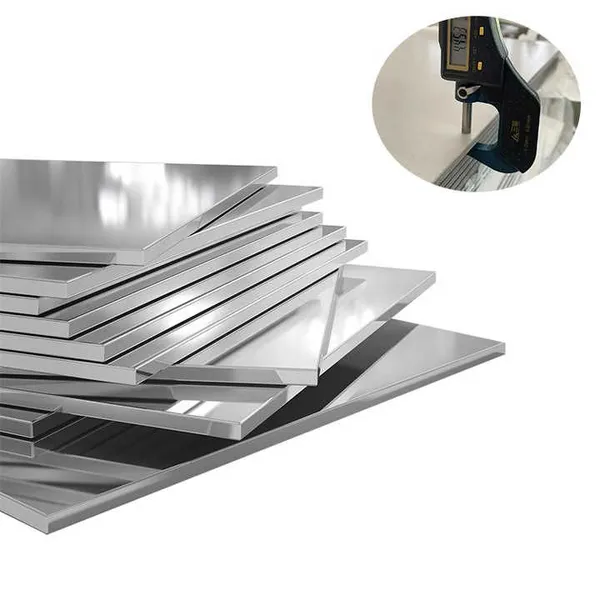
304/304L/316/409/410/904L/2205/2507/310H Premium Stainless Steel Sheets Supplier Custom Sizes & FinishesUS$ 1.72MOQ: 1 Ton
-
Stainless Steel ASME B16.9 Sch 45 90 Degree Pipe Fittings ElbowUS$ 8MOQ: 1 Piece
-
China Brand Zz 304L 316/316L GB En JIS Standard Thin Wall Welded Stainless Steel Water Pipe/TubeNegotiableMOQ: 2 Meters
-
BA 4 Inch 6 Inch 8 Inch 201 304 304L 316 316L Welded Seamless Stainless Steel PipeNegotiableMOQ: 2 Meters
-
ASME B36.19M-2004 SCH40S Stainless Steel Pipe - Complies With EU 3.1 CertificationUS$ 1 - 650MOQ: 1 Piece
-
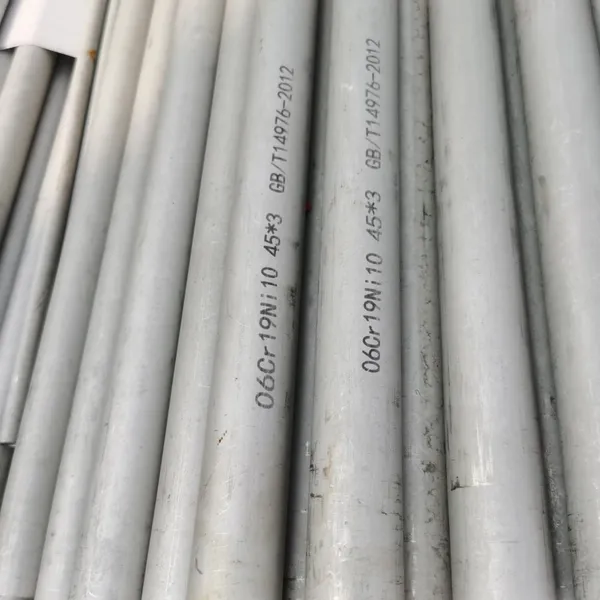
Factory TP309/TP309S/TP309H (UNS30900) Seamless Stainless Steel Pipe and Tube for Boiler BafflesUS$ 8MOQ: 200 Kilograms
-
TP347/TP347H/1.4961/S34709 Seamless Stainless Steel Pipe for UseNegotiableMOQ: 2 Meters
-
China 304 316 Stainless Steel Sanitary Welded Tube Food Grade Sanitary Grade Welded Pipe PolishingNegotiableMOQ: 1 Piece
-
China Manufacture Stainless Steel 316L Ba Seamless Welded Steel Pipe TubesUS$ 1760 - 1860MOQ: 5 Tons
-
316L/1.4405 Seamless Stainless Steel PipeNegotiableMOQ: 2 Meters
-
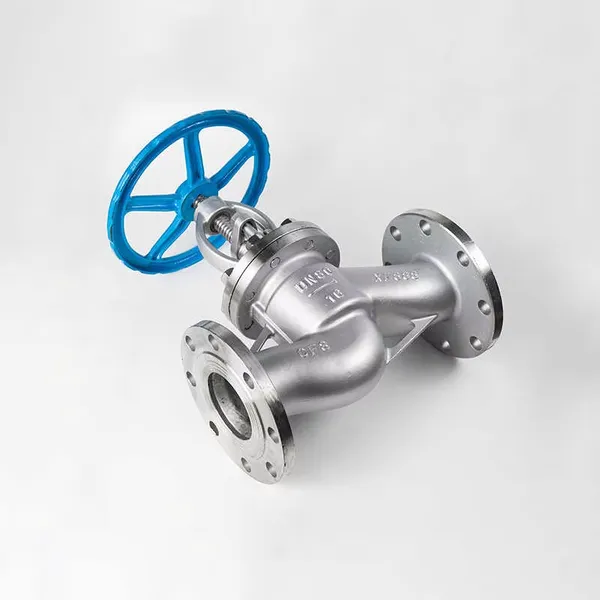
Stainless Steel Globe Valve – High Durability & Corrosion ResistanceNegotiableMOQ: 1 Piece
-
1.4529 Stainless Steel Flat Plate for Chemical Processing EquipmentUS$ 25 - 35MOQ: 1 Kilogram
-
Color Coated Steel Panels for Warehouse Partition Walls (Fireproof Grade)US$ 1 - 1.2MOQ: 50 Kilograms
-
Custom Width (600mm-1250mm) Colored Steel Coil With Scratch ResistanceUS$ 1 - 1.2MOQ: 50 Kilograms
-
0.5mm-3.0mm Colored Coated Steel Sheet With PVDF/Polyester CoatingUS$ 1 - 1.2MOQ: 50 Kilograms
-
JIS G 3322 Compliant Colored Coils With Third-Party Inspection ReportUS$ 1 - 1.2MOQ: 50 Kilograms