
 Business License

The Importance of Coating Treatment for Thin-Walled Stainless Steel Pipes
In modern building water supply and drainage systems, thin-walled stainless steel pipes have gradually become the preferred material for numerous projects due to their excellent corrosion resistance, high strength, and long lifespan. However, when thin-walled stainless steel pipes are buried in walls or floors, whether they need to undergo coating treatment has become a focus of concern for many users and professionals. This article will explore from multiple perspectives whether thin-walled stainless steel pipes need coating treatment when buried underground.
The characteristics of thin-walled stainless steel water pipes
Thin-walled stainless steel water pipes are renowned for their outstanding corrosion resistance and high strength. They can effectively resist the erosion of substances such as chloride, acids, and alkalis in water, while also having excellent sealing performance and thermal stability. These characteristics make thin-walled stainless steel water pipes perform exceptionally well in water supply systems, ensuring the purity and safety of water over a long period of time.
The complexity of the hidden environment
The pipes buried underground or within the walls are exposed to complex and variable environmental conditions. Inside the walls, it is a sealed environment with certain humidity, where there may be weak currents and acidic or alkaline corrosive substances. Moreover, during the construction process, materials such as concrete and cement mortar may also cause damage to the pipes. All these factors may lead to corrosion or scratches on the outer wall of the thin-walled stainless steel water pipes, thereby affecting their service life and performance.
The Importance of Overcoating Treatment
Prevent corrosion
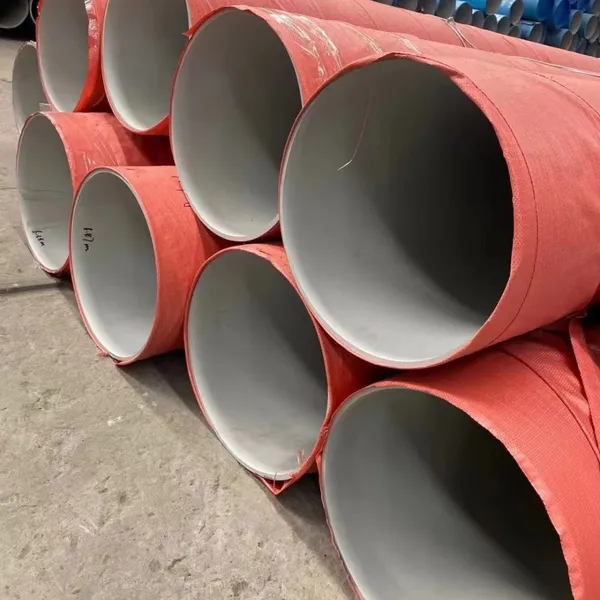
The plastic coating treatment can form a protective layer on the outer wall of thin-walled stainless steel water pipes, effectively blocking the moisture and acidic/alkaline corrosive substances inside the wall, and preventing the outer wall of the pipe from rusting or corroding. This is of vital importance for ensuring the safety of water quality and the long-term use of the pipes.
2. Enhance wear resistance
During the construction process, thin-walled stainless steel water pipes may be subjected to various kinds of friction and collisions. The coating treatment can enhance the wear resistance of the pipes, preventing the damage to the outer wall of the pipes caused by friction and collisions during the construction process, thereby extending the service life of the pipes.
3. Insulation effect
For hot water pipes, the plastic coating treatment also has a certain insulation effect. It can form a layer of insulation on the outer wall of the pipe, reducing heat loss and improving the efficiency of hot water transmission.
The choice of plastic coating treatment
When choosing the coating material, the corrosion resistance and wear resistance should be given priority consideration. Common coating materials include PE plastic, polyethylene tape, vinyl chloride tape, etc. These materials have excellent corrosion resistance and wear resistance, and can effectively protect the outer wall of the thin-walled stainless steel water pipe. At the same time, the method of coating treatment should also be selected according to specific circumstances, such as using different coating methods like winding type or covering type.
Conclusion
In conclusion, it is extremely necessary to apply coating treatment to thin-walled stainless steel water pipes when they are buried underground. This treatment can effectively prevent corrosion and scratches on the outer wall of the pipes, enhance the wear resistance of the pipes, and provide certain insulation effects. Therefore, in engineering projects, appropriate coating materials and methods should be selected based on specific circumstances to ensure the long-term performance and safety of thin-walled stainless steel water pipes in underground burial environments.
Recently Posted
-
Does the stainless steel welded pipe have specific temperature requirements during the solution heat
January 20, 2026Solution heat treatment involves heating stainless steel to a high temperature and then rapidly cooling it to achieve an oversatur Read More
 -
Can stainless steel welded pipes be made into thick pipes
January 20, 2026With the improvement of high-quality welding technology and increasingly strict weld inspection, the application fields of s Read More
 -
Three types of commonly available food-grade stainless steel on the market
January 20, 2026The common food-grade stainless steel pipes are mainly composed of iron, chromium and carbon and other elements. Household stainle Read More
 -
What are the requirements for stainless steel welding pipe production equipment
January 20, 2026As is well known, stainless steel welded pipes have been widely used in various industries such as machinery, chemical engineering Read More

Contact Us
Recommended Products
-
 Stainless Steel Elbow Welded Elbow 45/90/180-degree Seamless Pressed Elbow Long Radius Elbow Short Radius Elbow WholesaleNegotiableMOQ: 1 Piece
 -
316L/1.4405 Seamless Stainless Steel PipeNegotiableMOQ: 2 Meters
-
310s 440 Seamless Sanitary Piping Price 321 904l 201 20 Inch Seamless Steel Pipe A554 Stainless Steel PipeNegotiableMOQ: 1 Piece
-
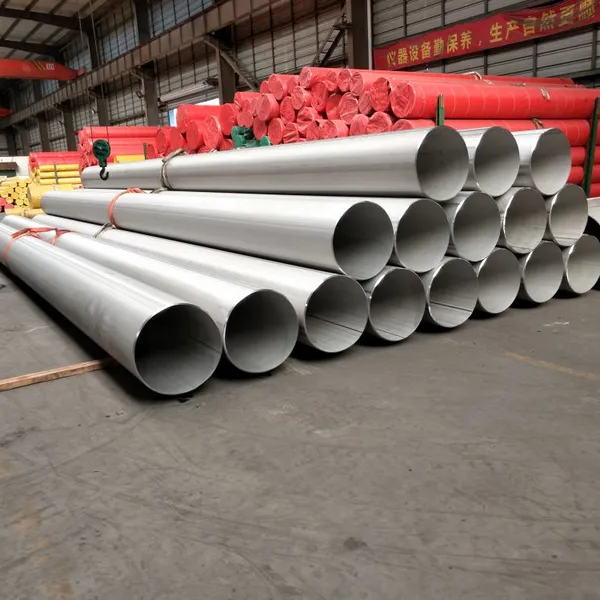
China Brand ZZ Wholesale 304L 316 316L Welded Austenitic Piping Stainless Steel Pipe SupplierNegotiableMOQ: 2 Meters
-
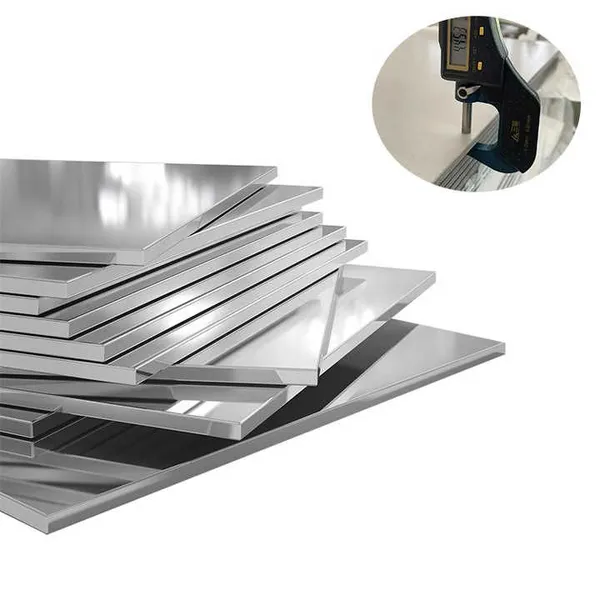
304/304L/316/409/410/904L/2205/2507/310H Premium Stainless Steel Sheets Supplier Custom Sizes & FinishesUS$ 1.72MOQ: 1 Ton
-
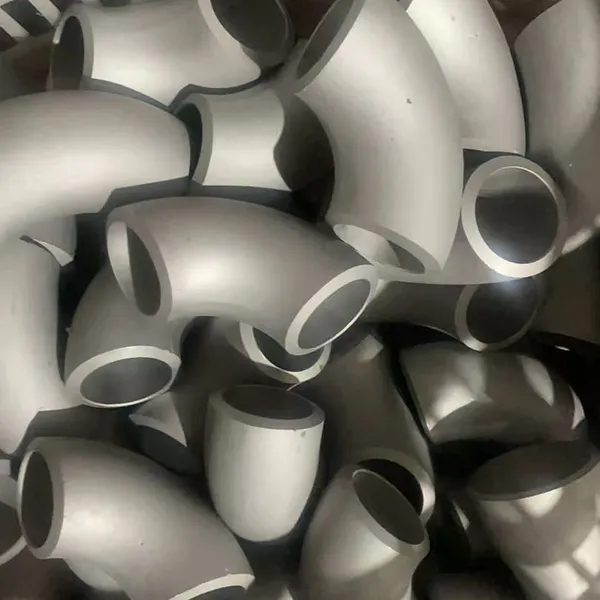
Stainless Steel ASME B16.9 Sch 45 90 Degree Pipe Fittings ElbowUS$ 8MOQ: 1 Piece
-
China Brand Zz 304L 316/316L GB En JIS Standard Thin Wall Welded Stainless Steel Water Pipe/TubeNegotiableMOQ: 2 Meters
-
BA 4 Inch 6 Inch 8 Inch 201 304 304L 316 316L Welded Seamless Stainless Steel PipeNegotiableMOQ: 2 Meters
-
ASME B36.19M-2004 SCH40S Stainless Steel Pipe - Complies With EU 3.1 CertificationUS$ 1 - 650MOQ: 1 Piece
-
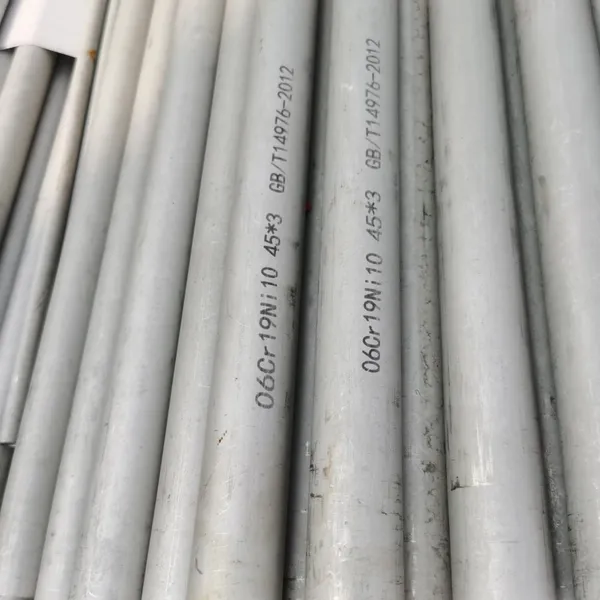
Factory TP309/TP309S/TP309H (UNS30900) Seamless Stainless Steel Pipe and Tube for Boiler BafflesUS$ 8MOQ: 200 Kilograms
-
TP347/TP347H/1.4961/S34709 Seamless Stainless Steel Pipe for UseNegotiableMOQ: 2 Meters
-
China 304 316 Stainless Steel Sanitary Welded Tube Food Grade Sanitary Grade Welded Pipe PolishingNegotiableMOQ: 1 Piece
-
China Manufacture Stainless Steel 316L Ba Seamless Welded Steel Pipe TubesUS$ 1760 - 1860MOQ: 5 Tons
-
316L/1.4405 Seamless Stainless Steel PipeNegotiableMOQ: 2 Meters
-
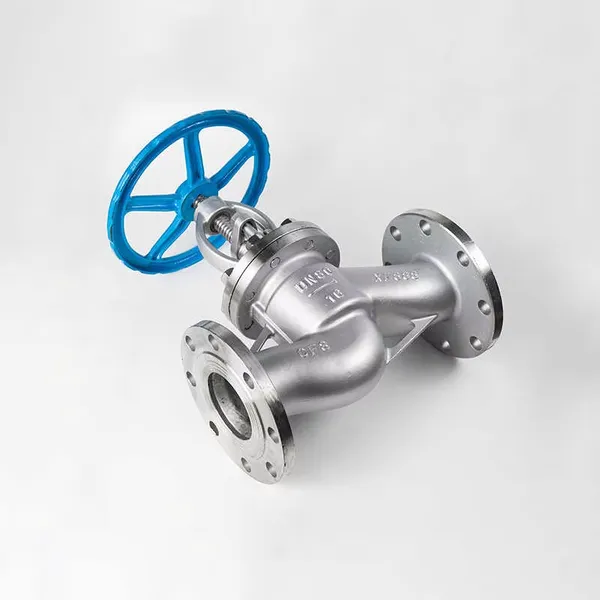
Stainless Steel Globe Valve – High Durability & Corrosion ResistanceNegotiableMOQ: 1 Piece
-
1.4529 Stainless Steel Flat Plate for Chemical Processing EquipmentUS$ 25 - 35MOQ: 1 Kilogram
-
Color Coated Steel Panels for Warehouse Partition Walls (Fireproof Grade)US$ 1 - 1.2MOQ: 50 Kilograms
-
Custom Width (600mm-1250mm) Colored Steel Coil With Scratch ResistanceUS$ 1 - 1.2MOQ: 50 Kilograms
-
0.5mm-3.0mm Colored Coated Steel Sheet With PVDF/Polyester CoatingUS$ 1 - 1.2MOQ: 50 Kilograms
-
JIS G 3322 Compliant Colored Coils With Third-Party Inspection ReportUS$ 1 - 1.2MOQ: 50 Kilograms