
 Business License

Introduction to the Advantages and Disadvantages of 304 Thin-Walled Stainless Steel Water Pipes
In modern architecture and home decoration, the selection of pipes is particularly important. Among them, 304 thin-walled stainless steel water pipes are favored by many people due to their excellent performance and wide application. However, before choosing 304 thin-walled stainless steel water pipes, it is crucial to understand their advantages and disadvantages. This article will comprehensively analyze the advantages and disadvantages of 304 thin-walled stainless steel water pipes to help readers make the best choice.
I. Introduction to 304 Thin-Walled Stainless Steel Pipes
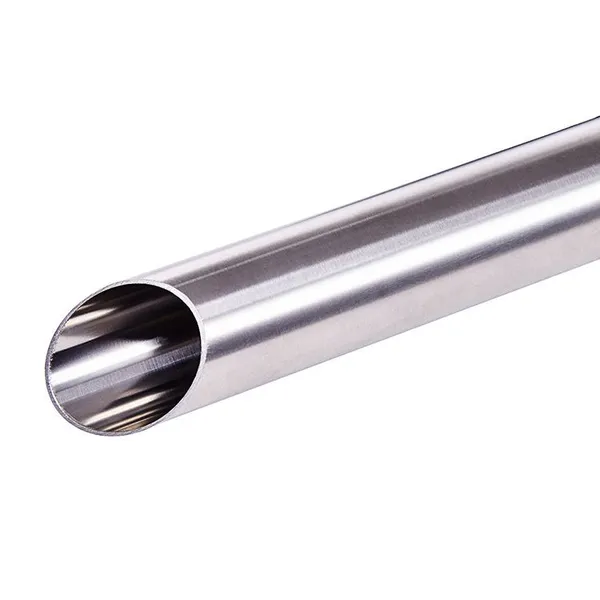
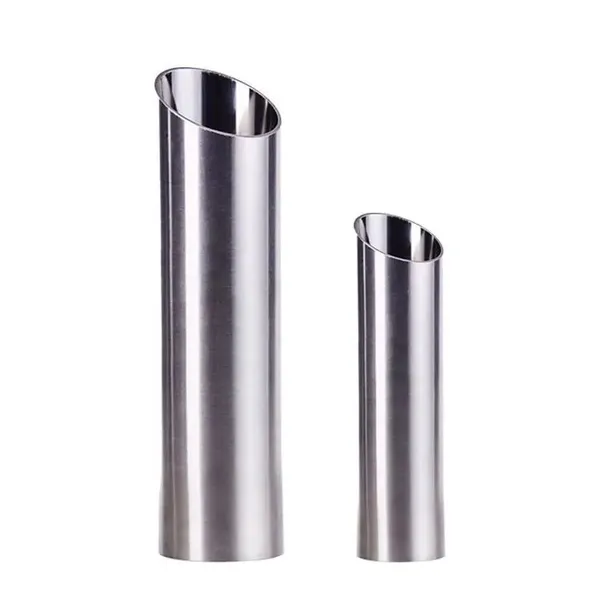
304 thin-walled stainless steel pipes are water pipes made of 304 stainless steel material, featuring a thin-walled structure. Compared with traditional pipes, they have better corrosion resistance and strength. 304 stainless steel is an austenitic stainless steel containing nickel and chromium, with excellent corrosion resistance, high-temperature resistance and low-temperature resistance. Its main components are 18% chromium and 8% nickel.
II. Advantages of 304 Thin-Walled Stainless Steel Pipes
Excellent corrosion resistance
One of the most significant advantages of 304 stainless steel pipes is their excellent corrosion resistance. Due to the presence of a certain proportion of chromium in 304 stainless steel, a passive film can form on its surface, effectively preventing surface oxidation and corrosion. Therefore, in damp and chemically corrosive environments, 304 thin-walled stainless steel pipes can maintain a long service life.
2. Good mechanical properties
304 thin-walled stainless steel pipes have excellent strength and toughness, capable of withstanding high pressure and impact forces. In practice, this enables 304 stainless steel pipes to be used in high-pressure water supply and important piping systems in various industrial fields.
3. Save space and materials
The thin-walled design makes 304 stainless steel pipes lighter, reducing the burden on building structures. Under the same diameter, the wall thickness of thin-walled pipes is smaller, which can effectively reduce material costs, and also lower the manpower and material resources required during transportation and installation.
4. Not prone to bacterial growth
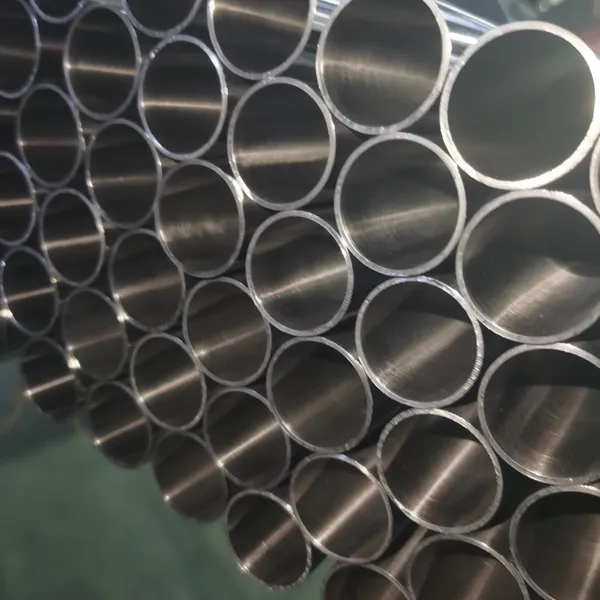
The surface of 304 stainless steel is smooth and not prone to bacterial growth or scale formation, which is particularly important for drinking water pipes. Compared with traditional PVC pipes or aluminum alloy pipes, 304 stainless steel water pipes have significant advantages in terms of hygiene and are an ideal choice for water pipes in both households and industries.
5. Beautiful and durable
304 stainless steel water pipes have a bright surface and an attractive appearance, which can perfectly match modern decoration styles. Meanwhile, their sturdy nature makes the pipes less prone to deformation, with a long service life, reducing the frequency of maintenance and replacement.
6. Environmentally friendly and recyclable
304 stainless steel is a recyclable material, which means it does not burden the environment when being disposed of. Compared with other materials, 304 thin-walled stainless steel water pipes perform exceptionally well in terms of environmental protection, further ensuring sustainability.
III. Disadvantages of 304 Thin-Walled Stainless Steel Pipes
The cost is relatively high.
Compared with traditional plastic pipes, 304 thin-walled stainless steel water pipes are more expensive. Although they are highly durable, the initial investment is relatively large, which may deter some users with tight budgets. This is also a drawback that cannot be ignored for construction projects.
2. Difficult to install
Due to the relatively heavy and rigid nature of 304 thin-walled stainless steel pipes, their installation process requires professional handling, which may be difficult for ordinary users to accomplish. This characteristic often leads to higher installation costs, increasing the overall project expenses.
3. Prone to the influence of corrosive water quality
Although 304 stainless steel has good corrosion resistance, its corrosion resistance can still be affected by water quality in some cases. For instance, water with a pH value that is too low or too high may accelerate the corrosion of stainless steel, especially in high-temperature environments, where the corrosion is particularly evident.
4. Large coefficient of thermal expansion
The thermal expansion coefficient of 304 stainless steel water pipes is relatively large. When the temperature changes, they are prone to deformation or stress, which may cause safety hazards in some special applications. Therefore, when designing the pipeline system, the impact of temperature changes should be taken into account, and a reasonable installation method should be selected.
5. High difficulty in maintenance
Once 304 thin-walled stainless steel water pipes are damaged or clogged, their repair work is rather complicated and requires professional equipment and technical support. This will increase the subsequent maintenance costs and difficulty to a certain extent.
IV. Conclusion
Among various pipe materials, 304 thin-walled stainless steel pipes stand out with their outstanding performance and are widely used in both household and industrial settings. They have significant advantages in terms of corrosion resistance, mechanical properties, space utilization, and environmental friendliness. However, their high cost, installation difficulty, and thermal expansion issues require careful consideration in certain applications.
When choosing pipe materials, consumers should make a comprehensive assessment based on specific needs and project conditions, and reasonably weigh the advantages and disadvantages of 304 thin-walled stainless steel water pipes to make a wise decision.
Recently Posted
-
Does the stainless steel welded pipe have specific temperature requirements during the solution heat
January 20, 2026Solution heat treatment involves heating stainless steel to a high temperature and then rapidly cooling it to achieve an oversatur Read More
 -
Can stainless steel welded pipes be made into thick pipes
January 20, 2026With the improvement of high-quality welding technology and increasingly strict weld inspection, the application fields of s Read More
 -
Three types of commonly available food-grade stainless steel on the market
January 20, 2026The common food-grade stainless steel pipes are mainly composed of iron, chromium and carbon and other elements. Household stainle Read More
 -
What are the requirements for stainless steel welding pipe production equipment
January 20, 2026As is well known, stainless steel welded pipes have been widely used in various industries such as machinery, chemical engineering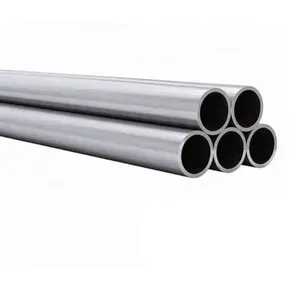 Read More

Contact Us
Recommended Products
-
 Stainless Steel Elbow Welded Elbow 45/90/180-degree Seamless Pressed Elbow Long Radius Elbow Short Radius Elbow WholesaleNegotiableMOQ: 1 Piece
 -
316L/1.4405 Seamless Stainless Steel PipeNegotiableMOQ: 2 Meters
-
310s 440 Seamless Sanitary Piping Price 321 904l 201 20 Inch Seamless Steel Pipe A554 Stainless Steel PipeNegotiableMOQ: 1 Piece
-
China Brand ZZ Wholesale 304L 316 316L Welded Austenitic Piping Stainless Steel Pipe SupplierNegotiableMOQ: 2 Meters
-
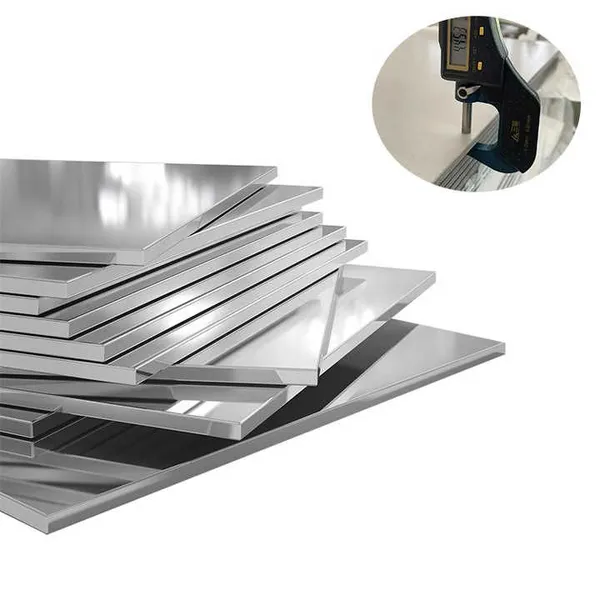
304/304L/316/409/410/904L/2205/2507/310H Premium Stainless Steel Sheets Supplier Custom Sizes & FinishesUS$ 1.72MOQ: 1 Ton
-
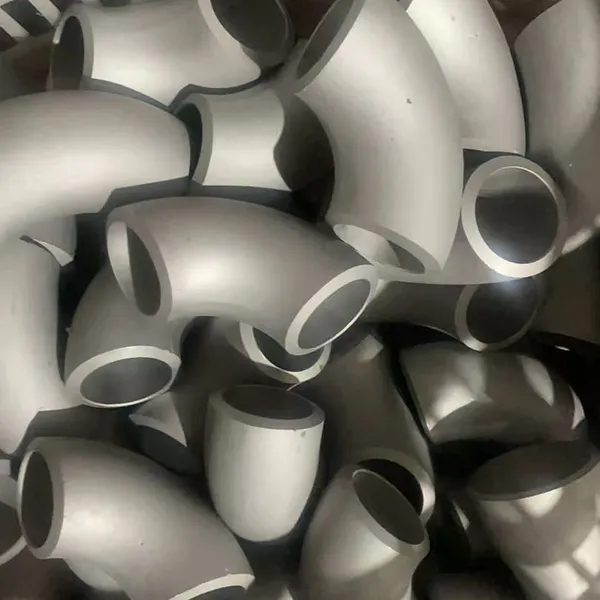
Stainless Steel ASME B16.9 Sch 45 90 Degree Pipe Fittings ElbowUS$ 8MOQ: 1 Piece
-
China Brand Zz 304L 316/316L GB En JIS Standard Thin Wall Welded Stainless Steel Water Pipe/TubeNegotiableMOQ: 2 Meters
-
BA 4 Inch 6 Inch 8 Inch 201 304 304L 316 316L Welded Seamless Stainless Steel PipeNegotiableMOQ: 2 Meters
-
ASME B36.19M-2004 SCH40S Stainless Steel Pipe - Complies With EU 3.1 CertificationUS$ 1 - 650MOQ: 1 Piece
-
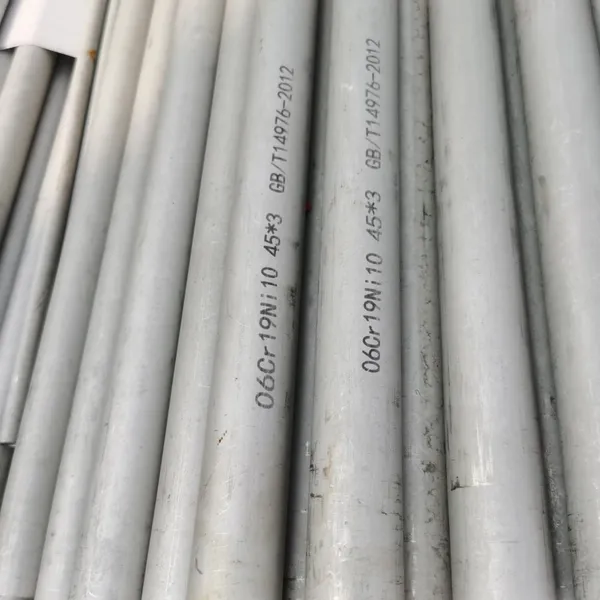
Factory TP309/TP309S/TP309H (UNS30900) Seamless Stainless Steel Pipe and Tube for Boiler BafflesUS$ 8MOQ: 200 Kilograms
-
TP347/TP347H/1.4961/S34709 Seamless Stainless Steel Pipe for UseNegotiableMOQ: 2 Meters
-
China 304 316 Stainless Steel Sanitary Welded Tube Food Grade Sanitary Grade Welded Pipe PolishingNegotiableMOQ: 1 Piece
-
China Manufacture Stainless Steel 316L Ba Seamless Welded Steel Pipe TubesUS$ 1760 - 1860MOQ: 5 Tons
-
316L/1.4405 Seamless Stainless Steel PipeNegotiableMOQ: 2 Meters
-
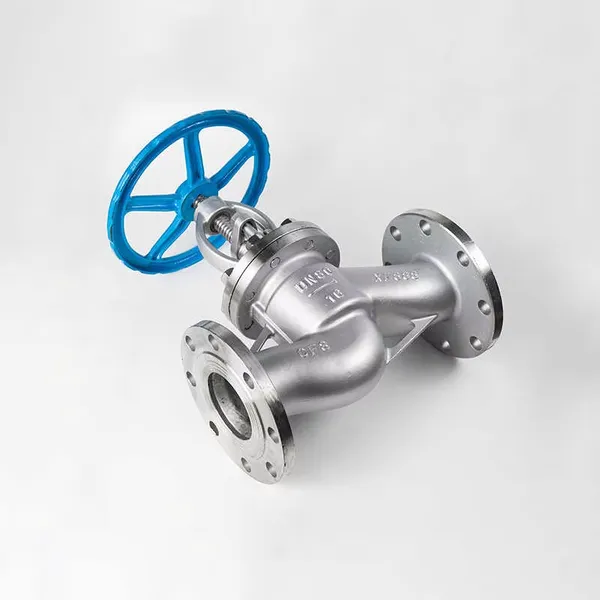
Stainless Steel Globe Valve – High Durability & Corrosion ResistanceNegotiableMOQ: 1 Piece
-
1.4529 Stainless Steel Flat Plate for Chemical Processing EquipmentUS$ 25 - 35MOQ: 1 Kilogram
-
Color Coated Steel Panels for Warehouse Partition Walls (Fireproof Grade)US$ 1 - 1.2MOQ: 50 Kilograms
-
Custom Width (600mm-1250mm) Colored Steel Coil With Scratch ResistanceUS$ 1 - 1.2MOQ: 50 Kilograms
-
0.5mm-3.0mm Colored Coated Steel Sheet With PVDF/Polyester CoatingUS$ 1 - 1.2MOQ: 50 Kilograms
-
JIS G 3322 Compliant Colored Coils With Third-Party Inspection ReportUS$ 1 - 1.2MOQ: 50 Kilograms