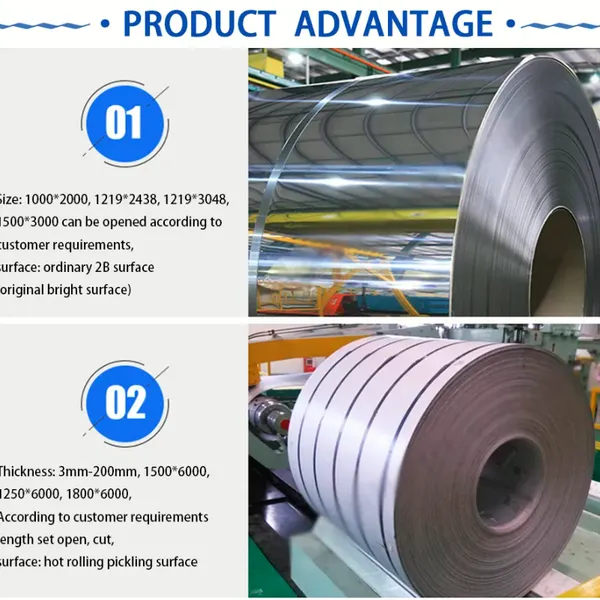

 Business License

Analysis of the reasons for the expansion and bursting of heat exchange tubes
1. The bulging and shrinking phenomenon of heat exchange tubes
The bulging and shrinking of heat exchange tubes refers to the phenomenon where the tubes appear to expand and contract, and this causes excessive stress on exposed devices, piping, and other auxiliary equipment, resulting in many serious problems such as water leakage, rupture, and confidential leakage.
2. Causes of the bulging and shrinking of heat exchange tubes
1. Inadequate design
When the tube wall is too thin or the length of the tube is too long, bulging and shrinking phenomena are likely to occur during use. Additionally, if a new type of heat exchanger that has not been fully tested is used, bulging and shrinking phenomena may occur during use.
2. Operating conditions
The temperature and pressure at which the heat exchange tubes are used are the main causes of bulging. Generally, when the temperature and pressure exceed the rated values, the heat exchange tubes will bulge. In addition, if the heat exchange tubes are over-fixed or placed improperly, bulging may occur.
3. Operating environment
The operating environment is also one of the reasons for the bulging of heat exchange tubes. If the heat exchanger is located in an environment with corrosive media, such as chloride ions, they will inevitably cause corrosion and damage to the tube wall, leading to bulging.
3. How to prevent the bulging and shrinking phenomenon of heat exchange tubes
1. Correct design
To prevent the bulging and shrinking phenomenon, it is best to select tubes with sufficient wall thickness and appropriate length, and test new heat exchangers to minimize the possibility of problems.
2. Reasonable use and management
When using heat exchangers, operations must be carried out according to the specified temperature, pressure, and flow rate. In addition, proper installation to ensure that the connection between the heat exchanger and other equipment is not affected by excessive stress can reduce the occurrence of bulging.
3. Correct maintenance
Regularly inspect the heat exchanger, especially the corrosion stress caused by long-term use, changes in operating conditions, etc. If necessary, the heat exchanger should be replaced in time and managed with anti-corrosion measures.
4. Summary
The bulging of heat exchangers is a common problem caused by improper equipment design, operation, or maintenance. We can take certain preventive measures to prevent this phenomenon. These measures include reasonable design, reasonable use and management, and regular maintenance. This can reduce the losses and impacts caused by the bulging of heat exchangers.
The difference between the advantages and disadvantages of welded pipes.
Recently Posted
-
Does the stainless steel welded pipe have specific temperature requirements during the solution heat
January 20, 2026Solution heat treatment involves heating stainless steel to a high temperature and then rapidly cooling it to achieve an oversatur Read More
 -
Can stainless steel welded pipes be made into thick pipes
January 20, 2026With the improvement of high-quality welding technology and increasingly strict weld inspection, the application fields of s Read More
 -
Three types of commonly available food-grade stainless steel on the market
January 20, 2026The common food-grade stainless steel pipes are mainly composed of iron, chromium and carbon and other elements. Household stainle Read More
 -
What are the requirements for stainless steel welding pipe production equipment
January 20, 2026As is well known, stainless steel welded pipes have been widely used in various industries such as machinery, chemical engineering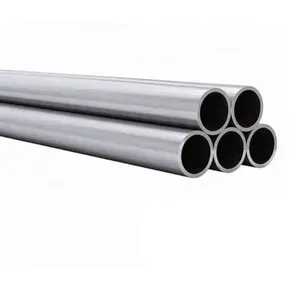 Read More

Contact Us
Recommended Products
-
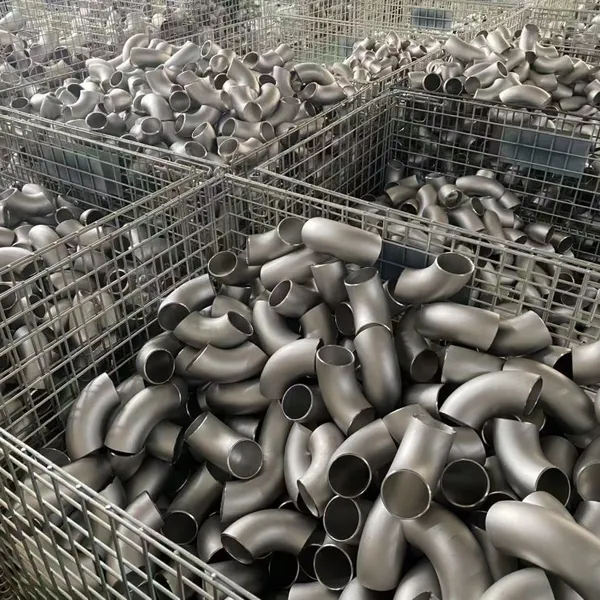
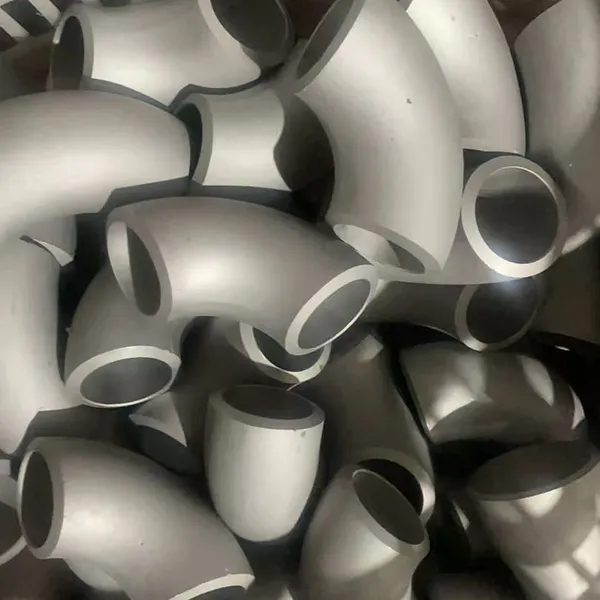
 Stainless Steel Elbow Welded Elbow 45/90/180-degree Seamless Pressed Elbow Long Radius Elbow Short Radius Elbow WholesaleNegotiableMOQ: 1 Piece
 -
316L/1.4405 Seamless Stainless Steel PipeNegotiableMOQ: 2 Meters
-
310s 440 Seamless Sanitary Piping Price 321 904l 201 20 Inch Seamless Steel Pipe A554 Stainless Steel PipeNegotiableMOQ: 1 Piece
-
China Brand ZZ Wholesale 304L 316 316L Welded Austenitic Piping Stainless Steel Pipe SupplierNegotiableMOQ: 2 Meters
-
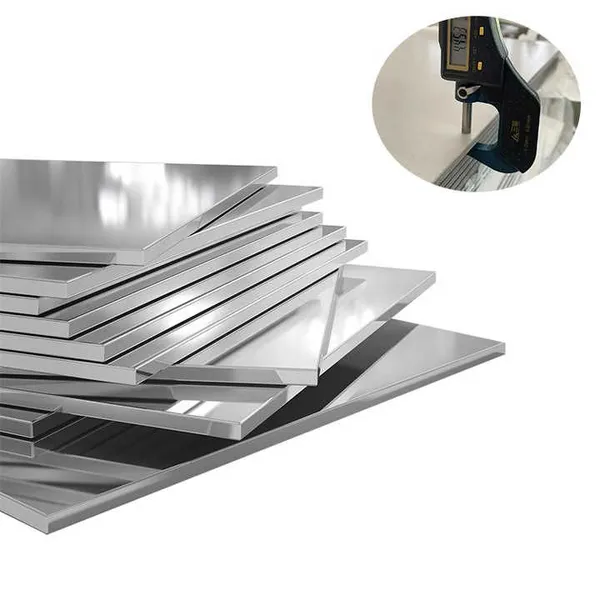
304/304L/316/409/410/904L/2205/2507/310H Premium Stainless Steel Sheets Supplier Custom Sizes & FinishesUS$ 1.72MOQ: 1 Ton
-
Stainless Steel ASME B16.9 Sch 45 90 Degree Pipe Fittings ElbowUS$ 8MOQ: 1 Piece
-
China Brand Zz 304L 316/316L GB En JIS Standard Thin Wall Welded Stainless Steel Water Pipe/TubeNegotiableMOQ: 2 Meters
-
BA 4 Inch 6 Inch 8 Inch 201 304 304L 316 316L Welded Seamless Stainless Steel PipeNegotiableMOQ: 2 Meters
-
ASME B36.19M-2004 SCH40S Stainless Steel Pipe - Complies With EU 3.1 CertificationUS$ 1 - 650MOQ: 1 Piece
-
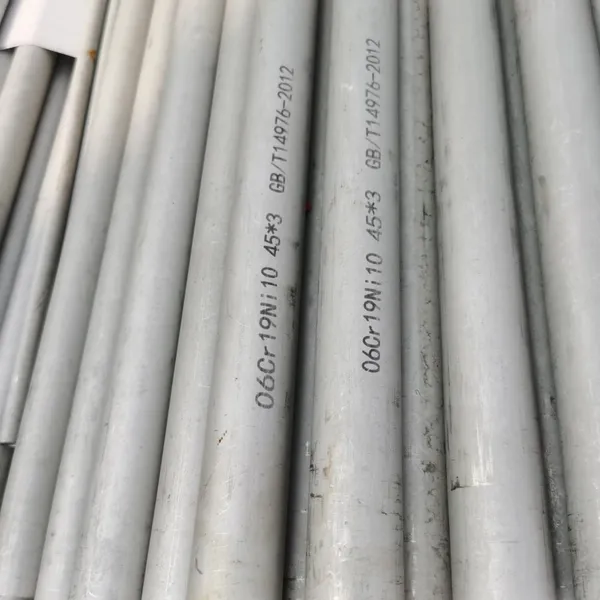
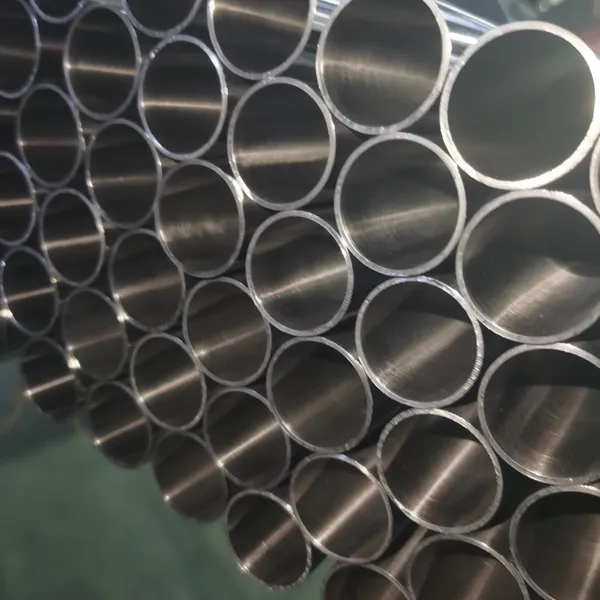
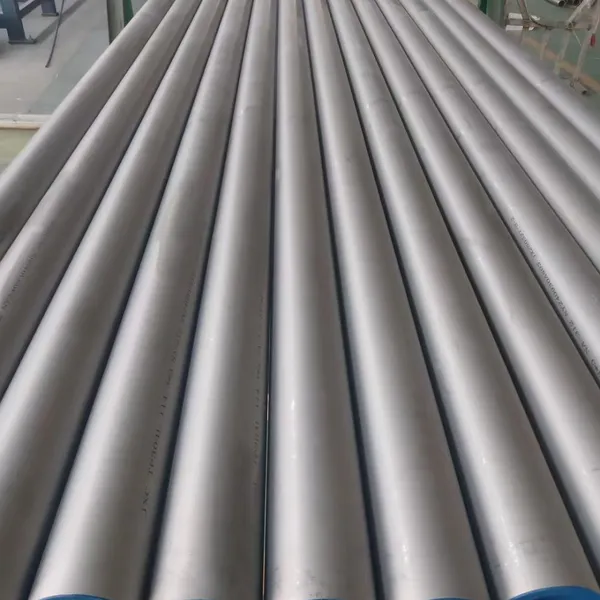
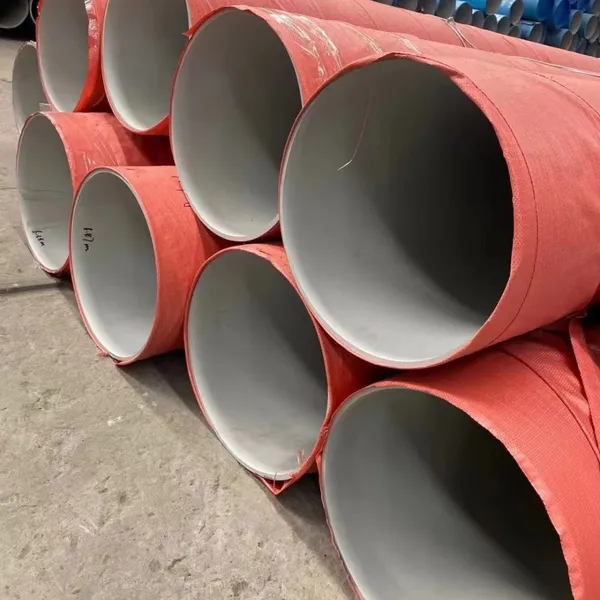
Factory TP309/TP309S/TP309H (UNS30900) Seamless Stainless Steel Pipe and Tube for Boiler BafflesUS$ 8MOQ: 200 Kilograms
-
TP347/TP347H/1.4961/S34709 Seamless Stainless Steel Pipe for UseNegotiableMOQ: 2 Meters
-
China 304 316 Stainless Steel Sanitary Welded Tube Food Grade Sanitary Grade Welded Pipe PolishingNegotiableMOQ: 1 Piece
-
China Manufacture Stainless Steel 316L Ba Seamless Welded Steel Pipe TubesUS$ 1760 - 1860MOQ: 5 Tons
-
316L/1.4405 Seamless Stainless Steel PipeNegotiableMOQ: 2 Meters
-
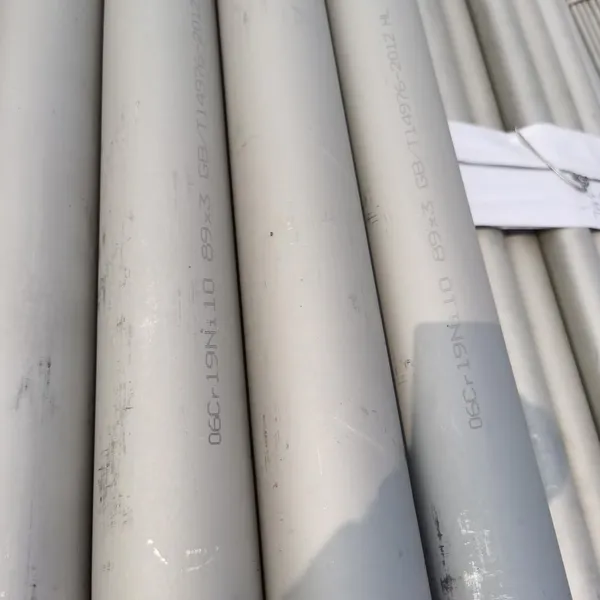
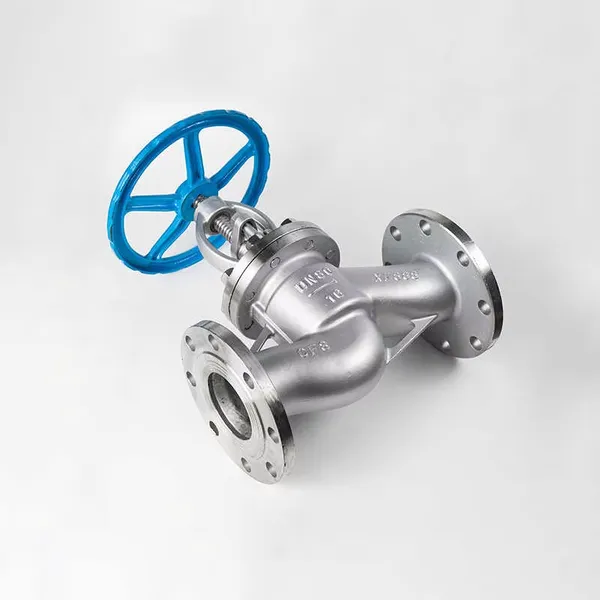
Stainless Steel Globe Valve – High Durability & Corrosion ResistanceNegotiableMOQ: 1 Piece
-
1.4529 Stainless Steel Flat Plate for Chemical Processing EquipmentUS$ 25 - 35MOQ: 1 Kilogram
-
Color Coated Steel Panels for Warehouse Partition Walls (Fireproof Grade)US$ 1 - 1.2MOQ: 50 Kilograms
-
Custom Width (600mm-1250mm) Colored Steel Coil With Scratch ResistanceUS$ 1 - 1.2MOQ: 50 Kilograms
-
0.5mm-3.0mm Colored Coated Steel Sheet With PVDF/Polyester CoatingUS$ 1 - 1.2MOQ: 50 Kilograms
-
JIS G 3322 Compliant Colored Coils With Third-Party Inspection ReportUS$ 1 - 1.2MOQ: 50 Kilograms