
 Business License

What is recycled steel? What is re-sulfurized steel
The GB/T699, JIS G4051, JIS G3507-3509, and SAE J403 standard series of high-quality carbon structural steels; the GB/T6478 standard series of cold heading and cold extrusion steel is the most widely used in fastener enterprises. For such steel fasteners, it still plays an important role both in the past and now. Especially, cold heading steel is used to manufacture fasteners such as bolts, nuts, screws, rivets, and pins through cold heading forming, while cold extrusion steel is used to manufacture mechanical parts such as cars and bicycles through the cold extrusion process, also known as rivet steel.
Cold heading and cold extrusion are carried out at room temperature using metal plastic forming, replacing machining. Not only is the efficiency high and the quality good, but also the material is saved and the cost is low (reduced by 10% to 30%). With the further development of smelting technology in our country, due to the conservation of resources, the varieties of steel using recycled scrap steel for smelting have increased to some extent. The converter steelmaking uses more than 80% of pig iron, even the electric arc furnace can use more than 60% of pig iron. Using the iron water pre-desulfurization technology for cold heading steel or high-purity steel, if the back-sulfurization process is not implemented after the steel bath refining or vacuum degassing, the sulfur content in the steel will be in the range of 0.005% to 0.015%, 0.010% to 0.030%, 0.025% to 0.040%, 0.030% to 0.045%, etc. The higher the sulfur content, the better the cutting performance of the steel; the higher the sulfur content, the more severe the forging flow lines of the steel parts, and the more obvious the decline in the transverse properties.
At the cold heading deformation site, if the metal undergoes intense lateral flow, it will lead to the flattening of filamentous or rod-shaped sulfides, intensifying the effect of sulfides on splitting the matrix, causing micro cracks on the bolt head or the hexagonal part of the nut, and the supporting surface, increasing the tendency of cracking during quenching or grinding. In bolts of the same performance grade, compared with recycled steel, back-sulfurized steel and cold heading steel, there is a reduction of one 820-880℃ low-temperature austenite recrystallization process, and the grain size of the steel is coarser than that of cold heading steel, which is another important reason for its poor toughness. Therefore, high-strength bolts and other materials that should not use recycled steel or back-sulfurized steel.
The GB/T3098.1-2010 standard clearly stipulates the materials for bolts of grades 8.8 to 10.9. For high-strength bolt steel that requires heat treatment, the maximum content limit of sulfur and phosphorus is reduced from 0.035% to 0.025%, including "carbon steel with added elements (such as boron or manganese or chromium)". Calcium or calcium alloys are not allowed to be added to the steel, and all reasonable measures should be taken to prevent elements that affect the hardenability, mechanical properties, and service performance from being brought in from the scrap steel or other alloy materials used in production. In China, 45# and 40Cr steel widely used are often excessively containing alloy elements, making control very difficult. Especially some impurity elements that are difficult to remove during smelting, such as S, P, Cu, Pb, Sn, Se, etc., the content of these elements is generally 0.025% to 0.035% or more, and other impurities such as Cu, Pb, Sn, Se. When there are harmful elements P and S in the steel, the levels of central porosity, general porosity, square segregation will be 2 to 3 levels, and defects such as white spots, shrinkage cavities, bubbles, and skinning can also be seen. Such steel is due to its low price, many fastener enterprises still like to adopt. During bolt quenching and tempering, there are often cracking accidents during quenching, mainly caused by the presence of more impurity elements and non-metallic inclusions. Any measures taken during heat treatment are inevitable to cause cracking. For important products, it is recommended to generally not use or use less 45# and 40Cr steel.
Recently Posted
-
Does the stainless steel welded pipe have specific temperature requirements during the solution heat
January 20, 2026Solution heat treatment involves heating stainless steel to a high temperature and then rapidly cooling it to achieve an oversatur Read More
 -
Can stainless steel welded pipes be made into thick pipes
January 20, 2026With the improvement of high-quality welding technology and increasingly strict weld inspection, the application fields of s Read More
 -
Three types of commonly available food-grade stainless steel on the market
January 20, 2026The common food-grade stainless steel pipes are mainly composed of iron, chromium and carbon and other elements. Household stainle Read More
 -
What are the requirements for stainless steel welding pipe production equipment
January 20, 2026As is well known, stainless steel welded pipes have been widely used in various industries such as machinery, chemical engineering Read More

Contact Us
Recommended Products
-
 Stainless Steel Elbow Welded Elbow 45/90/180-degree Seamless Pressed Elbow Long Radius Elbow Short Radius Elbow WholesaleNegotiableMOQ: 1 Piece
 -
316L/1.4405 Seamless Stainless Steel PipeNegotiableMOQ: 2 Meters
-
310s 440 Seamless Sanitary Piping Price 321 904l 201 20 Inch Seamless Steel Pipe A554 Stainless Steel PipeNegotiableMOQ: 1 Piece
-
China Brand ZZ Wholesale 304L 316 316L Welded Austenitic Piping Stainless Steel Pipe SupplierNegotiableMOQ: 2 Meters
-
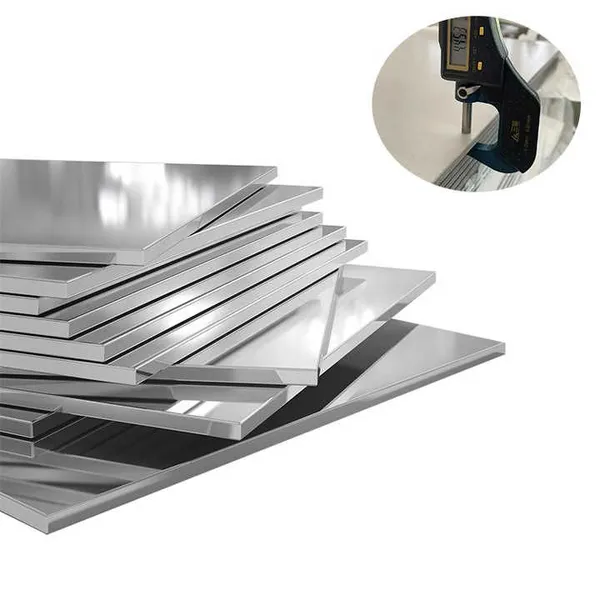
304/304L/316/409/410/904L/2205/2507/310H Premium Stainless Steel Sheets Supplier Custom Sizes & FinishesUS$ 1.72MOQ: 1 Ton
-
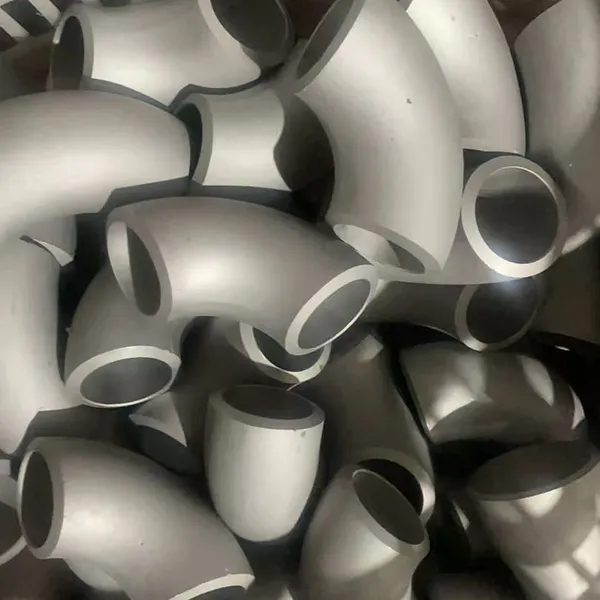
Stainless Steel ASME B16.9 Sch 45 90 Degree Pipe Fittings ElbowUS$ 8MOQ: 1 Piece
-
China Brand Zz 304L 316/316L GB En JIS Standard Thin Wall Welded Stainless Steel Water Pipe/TubeNegotiableMOQ: 2 Meters
-
BA 4 Inch 6 Inch 8 Inch 201 304 304L 316 316L Welded Seamless Stainless Steel PipeNegotiableMOQ: 2 Meters
-
ASME B36.19M-2004 SCH40S Stainless Steel Pipe - Complies With EU 3.1 CertificationUS$ 1 - 650MOQ: 1 Piece
-
Factory TP309/TP309S/TP309H (UNS30900) Seamless Stainless Steel Pipe and Tube for Boiler BafflesUS$ 8MOQ: 200 Kilograms
-
TP347/TP347H/1.4961/S34709 Seamless Stainless Steel Pipe for UseNegotiableMOQ: 2 Meters
-
China 304 316 Stainless Steel Sanitary Welded Tube Food Grade Sanitary Grade Welded Pipe PolishingNegotiableMOQ: 1 Piece
-
China Manufacture Stainless Steel 316L Ba Seamless Welded Steel Pipe TubesUS$ 1760 - 1860MOQ: 5 Tons
-
316L/1.4405 Seamless Stainless Steel PipeNegotiableMOQ: 2 Meters
-
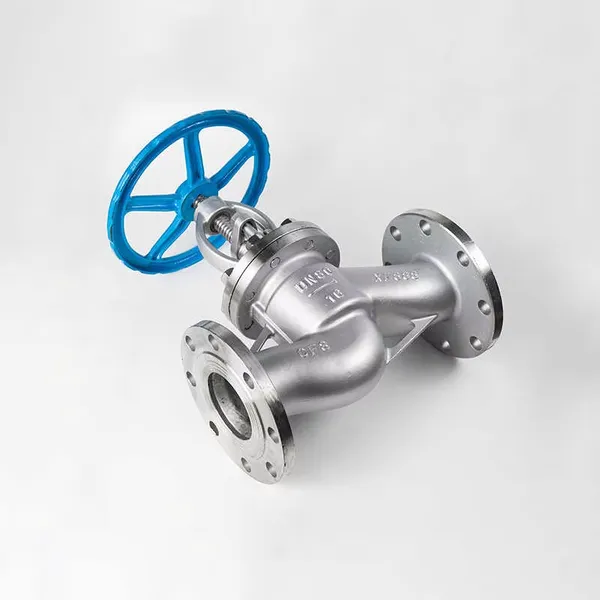
Stainless Steel Globe Valve – High Durability & Corrosion ResistanceNegotiableMOQ: 1 Piece
-
1.4529 Stainless Steel Flat Plate for Chemical Processing EquipmentUS$ 25 - 35MOQ: 1 Kilogram
-
Color Coated Steel Panels for Warehouse Partition Walls (Fireproof Grade)US$ 1 - 1.2MOQ: 50 Kilograms
-
Custom Width (600mm-1250mm) Colored Steel Coil With Scratch ResistanceUS$ 1 - 1.2MOQ: 50 Kilograms
-
0.5mm-3.0mm Colored Coated Steel Sheet With PVDF/Polyester CoatingUS$ 1 - 1.2MOQ: 50 Kilograms
-
JIS G 3322 Compliant Colored Coils With Third-Party Inspection ReportUS$ 1 - 1.2MOQ: 50 Kilograms