
 Business License

Common stainless steel grades and their properties used in instruments
1. 304 stainless steel. It is one of the most widely used and extensively applicable austenitic stainless steels. It is suitable for manufacturing deep drawing components, acid transportation pipelines, containers, structural parts, various instrument bodies, etc., and can also be used to manufacture non-magnetic and low-temperature equipment and components.
2. 304L stainless steel. This is an ultra-low carbon austenitic stainless steel developed to address the severe intergranular corrosion tendency of 304 stainless steel under certain conditions due to the precipitation of Cr23C6. Its intergranular corrosion resistance in the sensitized state is significantly superior to that of 304 stainless steel. Apart from slightly lower strength, all other properties are the same as 321 stainless steel. It is mainly used for corrosion-resistant equipment and components that require welding but cannot undergo solution treatment after welding, and can be used to manufacture various instrument bodies, etc.
3. 304H stainless steel. The internal branches of 304 stainless steel have a carbon mass fraction ranging from 0.04% to 0.10%. Its high-temperature performance is superior to that of 304 stainless steel.
4. 316 Stainless Steel. By adding molybdenum to 10Cr18Ni12 steel, this steel gains excellent resistance to reducing media and pitting corrosion. In seawater and various other media, its corrosion resistance is superior to that of 304 stainless steel, and it is mainly used as a material resistant to pitting corrosion.
5. 316L stainless steel. An ultra-low carbon steel with excellent resistance to intergranular corrosion in sensitized state, suitable for manufacturing welded components and equipment with thick cross-sectional dimensions, such as corrosion-resistant materials in petrochemical equipment.
#Stainless Steel Pipe# #Related Knowledge of Stainless Steel Pipe# #Stainless Steel#
6. 316H stainless steel. The internal branches of 316 stainless steel have a carbon mass fraction ranging from 0.04% to 0.10%. Its high-temperature performance is superior to that of 316 stainless steel.
7. 317 stainless steel. It has superior resistance to pitting and creep compared to 316L stainless steel, and is used for manufacturing equipment in the petrochemical industry and for resisting organic acid corrosion.
8. 321 Stainless Steel. A titanium-stabilized austenitic stainless steel. Titanium is added to enhance the intergranular corrosion resistance and it also has excellent high-temperature mechanical properties. It can be replaced by ultra-low carbon austenitic stainless steel. Except for special applications such as high-temperature or hydrogen corrosion resistance, it is generally not recommended for use in most cases.
9. 347 Stainless Steel. A nitride-stabilized austenitic stainless steel. By adding niobium, the corrosion resistance against intergranular corrosion is enhanced. Its corrosion resistance in acidic, alkaline, and salt-containing corrosive media is comparable to that of 321 stainless steel. It has excellent welding properties and can be used as both corrosion-resistant material and heat-resistant steel. It is mainly applied in the power generation and petrochemical industries, such as for manufacturing containers, pipelines, heat exchangers, shafts, furnace tubes in industrial furnaces, and furnace tube thermometers, etc.
10. 904L Stainless Steel. This is a super fully austenitic stainless steel, invented by the Finnish company Outokumpu. It has a nickel content of 24% to 26%, and a carbon content of less than 0.02%. It has excellent corrosion resistance and is highly resistant to non-oxidizing acids such as sulfuric acid, acetic acid, formic acid, and phosphoric acid. It also has good resistance to crevice corrosion and stress corrosion. It is suitable for various concentrations of sulfuric acid below 70°C. At normal pressure, it also has excellent corrosion resistance in any concentration and temperature of acetic acid and mixed acids such as acetic acid and formic acid. The original standard ASMESB-625 classified it as a nickel-based alloy, while the new standard classifies it as stainless steel. In China, there is only a similar grade 015Cr19Ni26Mo5Cu2 steel. A few European instrumentation manufacturers use 904L stainless steel as their key materials. For example, the measurement tube of the mass flow meter of E+H is made of 904L stainless steel, and the case of Rolex watches is also made of 904L stainless steel.
11. 440C stainless steel. A martensitic stainless steel, it is a highly hardenable stainless steel and has the highest hardness among stainless steels, with a hardness of HRC 57. It is mainly used for manufacturing nozzles, bearings, valve cores, valve seats, sleeves, and valve stems of valves.
12. 17-4PH stainless steel. A martensitic precipitation hardening stainless steel with a hardness of HRC 44. It possesses high strength, hardness and corrosion resistance, but cannot be used at temperatures above 300℃. It has excellent corrosion resistance to both atmospheric conditions and diluted acids or salts. Its corrosion resistance is the same as that of 304 stainless steel and 430 stainless steel. It is used for manufacturing offshore platforms, turbine blades, valve cores, valve seats, sleeves, valve stems, etc.
Recently Posted
-
Does the stainless steel welded pipe have specific temperature requirements during the solution heat
January 20, 2026Solution heat treatment involves heating stainless steel to a high temperature and then rapidly cooling it to achieve an oversatur Read More
 -
Can stainless steel welded pipes be made into thick pipes
January 20, 2026With the improvement of high-quality welding technology and increasingly strict weld inspection, the application fields of s Read More
 -
Three types of commonly available food-grade stainless steel on the market
January 20, 2026The common food-grade stainless steel pipes are mainly composed of iron, chromium and carbon and other elements. Household stainle Read More
 -
What are the requirements for stainless steel welding pipe production equipment
January 20, 2026As is well known, stainless steel welded pipes have been widely used in various industries such as machinery, chemical engineering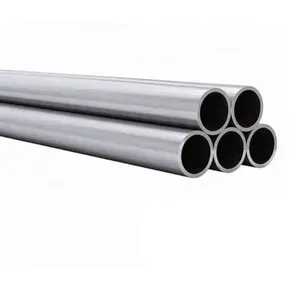 Read More

Contact Us
Recommended Products
-
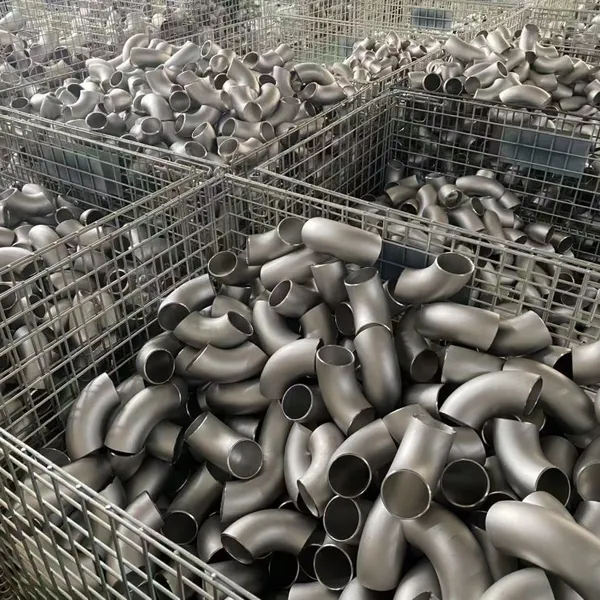
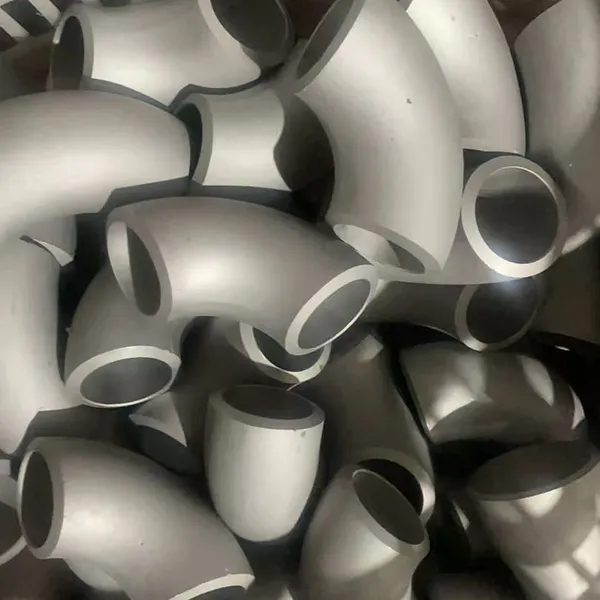
 Stainless Steel Elbow Welded Elbow 45/90/180-degree Seamless Pressed Elbow Long Radius Elbow Short Radius Elbow WholesaleNegotiableMOQ: 1 Piece
 -
316L/1.4405 Seamless Stainless Steel PipeNegotiableMOQ: 2 Meters
-
310s 440 Seamless Sanitary Piping Price 321 904l 201 20 Inch Seamless Steel Pipe A554 Stainless Steel PipeNegotiableMOQ: 1 Piece
-
China Brand ZZ Wholesale 304L 316 316L Welded Austenitic Piping Stainless Steel Pipe SupplierNegotiableMOQ: 2 Meters
-
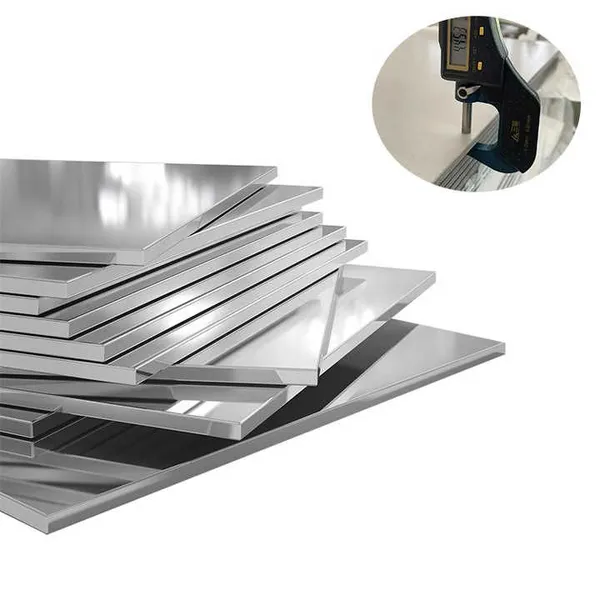
304/304L/316/409/410/904L/2205/2507/310H Premium Stainless Steel Sheets Supplier Custom Sizes & FinishesUS$ 1.72MOQ: 1 Ton
-
Stainless Steel ASME B16.9 Sch 45 90 Degree Pipe Fittings ElbowUS$ 8MOQ: 1 Piece
-
China Brand Zz 304L 316/316L GB En JIS Standard Thin Wall Welded Stainless Steel Water Pipe/TubeNegotiableMOQ: 2 Meters
-
BA 4 Inch 6 Inch 8 Inch 201 304 304L 316 316L Welded Seamless Stainless Steel PipeNegotiableMOQ: 2 Meters
-
ASME B36.19M-2004 SCH40S Stainless Steel Pipe - Complies With EU 3.1 CertificationUS$ 1 - 650MOQ: 1 Piece
-
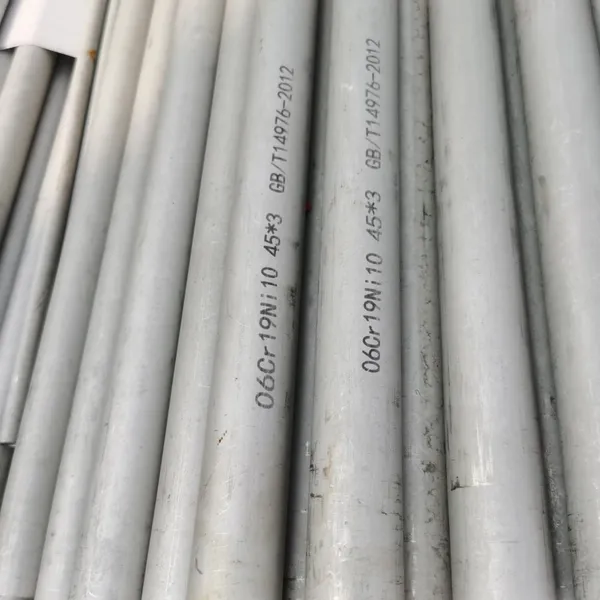
Factory TP309/TP309S/TP309H (UNS30900) Seamless Stainless Steel Pipe and Tube for Boiler BafflesUS$ 8MOQ: 200 Kilograms
-
TP347/TP347H/1.4961/S34709 Seamless Stainless Steel Pipe for UseNegotiableMOQ: 2 Meters
-
China 304 316 Stainless Steel Sanitary Welded Tube Food Grade Sanitary Grade Welded Pipe PolishingNegotiableMOQ: 1 Piece
-
China Manufacture Stainless Steel 316L Ba Seamless Welded Steel Pipe TubesUS$ 1760 - 1860MOQ: 5 Tons
-
316L/1.4405 Seamless Stainless Steel PipeNegotiableMOQ: 2 Meters
-
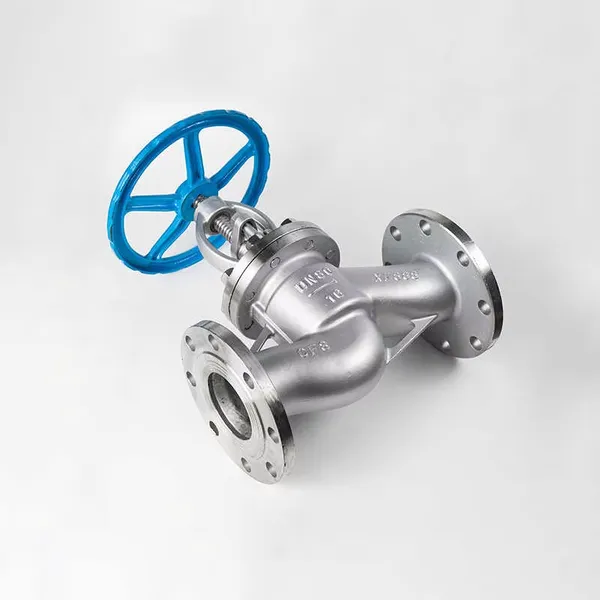
Stainless Steel Globe Valve – High Durability & Corrosion ResistanceNegotiableMOQ: 1 Piece
-
1.4529 Stainless Steel Flat Plate for Chemical Processing EquipmentUS$ 25 - 35MOQ: 1 Kilogram
-
Color Coated Steel Panels for Warehouse Partition Walls (Fireproof Grade)US$ 1 - 1.2MOQ: 50 Kilograms
-
Custom Width (600mm-1250mm) Colored Steel Coil With Scratch ResistanceUS$ 1 - 1.2MOQ: 50 Kilograms
-
0.5mm-3.0mm Colored Coated Steel Sheet With PVDF/Polyester CoatingUS$ 1 - 1.2MOQ: 50 Kilograms
-
JIS G 3322 Compliant Colored Coils With Third-Party Inspection ReportUS$ 1 - 1.2MOQ: 50 Kilograms