
 Business License

Can the heat exchange tubes be joined together
One, what is a heat exchange tube?
A heat exchange tube is a heat transfer device that is widely used in industrial production. It transfers heat from one location to another through the flow of fluid within the tube, achieving the purpose of cooling or heating. There are many materials used to make heat exchange tubes, such as stainless steel, copper, and titanium alloy, which are selected based on specific process requirements.
Two, why is it necessary to splice heat exchange tubes?
During the production process, due to equipment and process requirements, sometimes we need to splice heat exchange tubes to meet actual needs. Generally, there are two situations where heat exchange tubes need to be spliced:
1. Insufficient length: The length of the heat exchange tube cannot meet the requirements, and the pipe needs to be extended;
2. Shape needs to be changed: Sometimes a straight heat exchange tube needs to be spliced into L-shaped, U-shaped, etc., to adapt to the equipment layout.
Three, can heat exchange tubes be spliced?
For heat exchange tubes that need to be spliced, we first need to consider whether they can be spliced. The answer is yes, but there are several points to note:
1. The two spliced pipes must meet the specification standards, with consistent diameters, wall thicknesses, etc.;
2. The splicing method must ensure the sealing of the joint to avoid water leakage or air leakage;
3. The splicing position must be calculated to ensure that the heat transfer effect is not affected.
Four, how to splice heat exchange tubes?
When splicing heat exchange tubes, a suitable splicing method needs to be selected. The commonly used splicing methods are as follows:
1. Butt welding method: Process the ends of the two pipes into V-shape, then merge the two V-shaped parts and perform tungsten inert gas arc welding;
2. Sleeve connection method: Process one end of the two straight pipes into a thin wall, then insert the other straight pipe into the thin wall and perform brazing;
3. Flange method: Process flanges at the ends of the two pipes, and tighten the two flanges together with bolts.
Five, summary
In actual production, situations where heat exchange tubes need to be spliced often occur. Through appropriate splicing methods and techniques, these situations can be effectively handled to ensure the heat transfer effect and continuity. However, it is necessary to note that the splicing methods and techniques must comply with relevant regulations to ensure the safety and stability of the equipment.
What factors affect the heat exchange efficiency of the water spray chamber?
I. Working Principle of the Spray Chamber Heat Exchanger
The spray chamber heat exchanger is a heat exchange device based on convective heat transfer and conductive heat transfer. Its basic structure includes the housing, heat dissipation fins, nozzles, water tank, outlet pipe, etc. The working principle of the spray chamber heat exchanger is as follows: The cooling water is sprayed out through the nozzles, forming a thin water film on the surface of the heat dissipation fins. Through the convective heat transfer between the water film and the air and the conductive heat transfer between the heat dissipation fins and the water film, the heat is transferred from the heat dissipation fins to the cooling water.
II. Factors Affecting the Efficiency of Spray Chamber Heat Exchange
1. Spray Speed
The spray speed is an important factor affecting the efficiency of the spray chamber heat exchanger. When the spray speed is higher, the impact force of the nozzle is greater, the water film is formed better, and the temperature on the surface of the heat dissipation fins decreases more, thus achieving a higher heat transfer efficiency.
2. Spray Density
Spray density is also one of the factors affecting the efficiency of the spray chamber heat exchanger. When the spray density is higher, the water film is formed more fully, and the cooling effect will also be better.
3. Water Temperature
Water temperature is one of the factors affecting the efficiency of the spray chamber heat exchanger. Generally, the cooling effect of the spray chamber heat exchanger will increase as the water temperature decreases, because the decrease in water temperature can increase the specific heat of water, thereby absorbing more heat.
4. Air Flow Rate
Air flow rate will also affect the heat exchange efficiency of the spray chamber heat exchanger. When the air flow rate is higher, the heat transfer efficiency between the air and the water film is higher, and the cooling effect will also be better.
5. Heat Dissipation Fins Material
The material of the heat dissipation fins will also affect the efficiency of the spray chamber heat exchanger. Generally, the heat transfer coefficient of the heat dissipation fins with better thermal conductivity, such as copper and aluminum, is higher, and the heat exchange efficiency is higher. Materials with good thermal conductivity, such as copper and aluminum, are often used in the manufacturing of heat dissipation fins.
III. Summary
The spray chamber heat exchanger is a device that realizes heat transfer through convection and conductive methods. The factors affecting its heat exchange efficiency include spray speed, spray density, water temperature, air flow rate, and heat dissipation fin material. In practical applications, corresponding adjustments can be made according to specific circumstances to achieve the best heat exchange effect.
Recently Posted
-
Does the stainless steel welded pipe have specific temperature requirements during the solution heat
January 20, 2026Solution heat treatment involves heating stainless steel to a high temperature and then rapidly cooling it to achieve an oversatur Read More
 -
Can stainless steel welded pipes be made into thick pipes
January 20, 2026With the improvement of high-quality welding technology and increasingly strict weld inspection, the application fields of s Read More
 -
Three types of commonly available food-grade stainless steel on the market
January 20, 2026The common food-grade stainless steel pipes are mainly composed of iron, chromium and carbon and other elements. Household stainle Read More
 -
What are the requirements for stainless steel welding pipe production equipment
January 20, 2026As is well known, stainless steel welded pipes have been widely used in various industries such as machinery, chemical engineering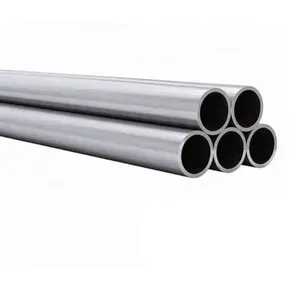 Read More

Contact Us
Recommended Products
-
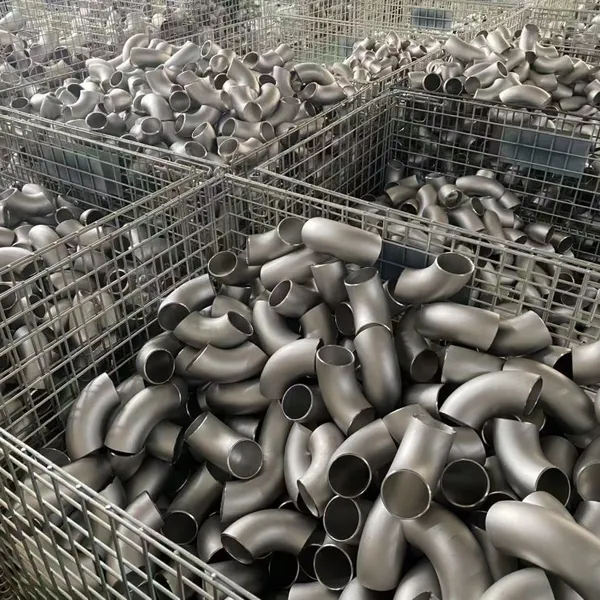
 Stainless Steel Elbow Welded Elbow 45/90/180-degree Seamless Pressed Elbow Long Radius Elbow Short Radius Elbow WholesaleNegotiableMOQ: 1 Piece
 -
316L/1.4405 Seamless Stainless Steel PipeNegotiableMOQ: 2 Meters
-
310s 440 Seamless Sanitary Piping Price 321 904l 201 20 Inch Seamless Steel Pipe A554 Stainless Steel PipeNegotiableMOQ: 1 Piece
-
China Brand ZZ Wholesale 304L 316 316L Welded Austenitic Piping Stainless Steel Pipe SupplierNegotiableMOQ: 2 Meters
-
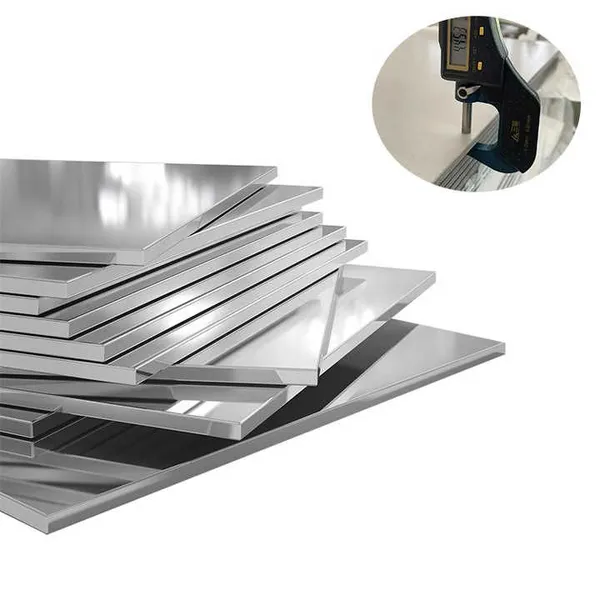
304/304L/316/409/410/904L/2205/2507/310H Premium Stainless Steel Sheets Supplier Custom Sizes & FinishesUS$ 1.72MOQ: 1 Ton
-
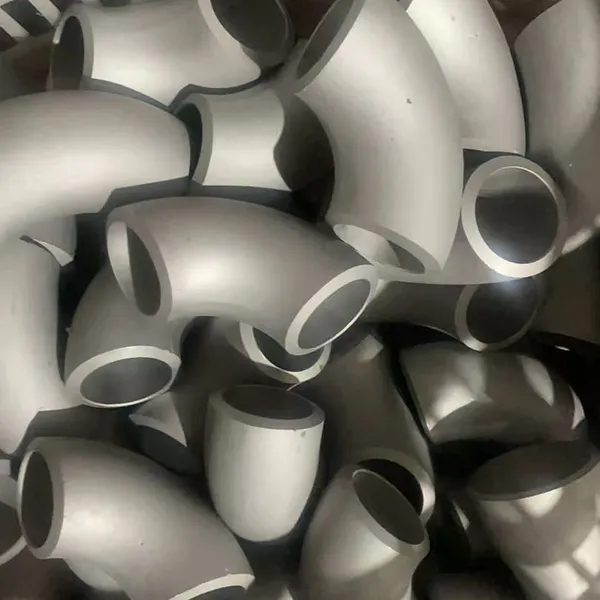
Stainless Steel ASME B16.9 Sch 45 90 Degree Pipe Fittings ElbowUS$ 8MOQ: 1 Piece
-
China Brand Zz 304L 316/316L GB En JIS Standard Thin Wall Welded Stainless Steel Water Pipe/TubeNegotiableMOQ: 2 Meters
-
BA 4 Inch 6 Inch 8 Inch 201 304 304L 316 316L Welded Seamless Stainless Steel PipeNegotiableMOQ: 2 Meters
-
ASME B36.19M-2004 SCH40S Stainless Steel Pipe - Complies With EU 3.1 CertificationUS$ 1 - 650MOQ: 1 Piece
-
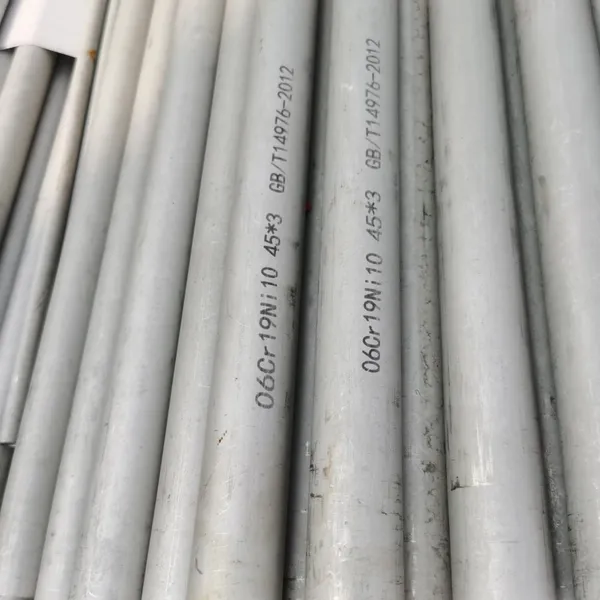
Factory TP309/TP309S/TP309H (UNS30900) Seamless Stainless Steel Pipe and Tube for Boiler BafflesUS$ 8MOQ: 200 Kilograms
-
TP347/TP347H/1.4961/S34709 Seamless Stainless Steel Pipe for UseNegotiableMOQ: 2 Meters
-
China 304 316 Stainless Steel Sanitary Welded Tube Food Grade Sanitary Grade Welded Pipe PolishingNegotiableMOQ: 1 Piece
-
China Manufacture Stainless Steel 316L Ba Seamless Welded Steel Pipe TubesUS$ 1760 - 1860MOQ: 5 Tons
-
316L/1.4405 Seamless Stainless Steel PipeNegotiableMOQ: 2 Meters
-
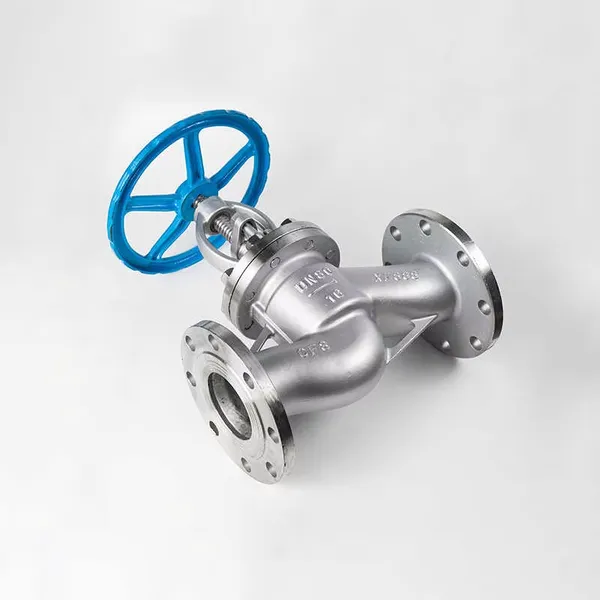
Stainless Steel Globe Valve – High Durability & Corrosion ResistanceNegotiableMOQ: 1 Piece
-
1.4529 Stainless Steel Flat Plate for Chemical Processing EquipmentUS$ 25 - 35MOQ: 1 Kilogram
-
Color Coated Steel Panels for Warehouse Partition Walls (Fireproof Grade)US$ 1 - 1.2MOQ: 50 Kilograms
-
Custom Width (600mm-1250mm) Colored Steel Coil With Scratch ResistanceUS$ 1 - 1.2MOQ: 50 Kilograms
-
0.5mm-3.0mm Colored Coated Steel Sheet With PVDF/Polyester CoatingUS$ 1 - 1.2MOQ: 50 Kilograms
-
JIS G 3322 Compliant Colored Coils With Third-Party Inspection ReportUS$ 1 - 1.2MOQ: 50 Kilograms