
 Business License

The characteristics and applications of different types of stainless steel
ASTM standard 201
National standard (GB) Cr17Mn6Ni5N
Japanese standard (SUS) SUS201
Properties: It has the characteristics of acid and alkali resistance, high density, smooth polishing without bubbles or pinholes, and is an excellent material for producing various watch cases, straps, covers, etc.
Applications: Mainly used for decorative pipes, industrial pipes, and some shallow extruded products.
ASTM 202
National Standard (GB) Cr18Mn8Ni5N
Japanese Standard (SUS) SUS202
Properties: Some nickel was replaced with Nm and N, thereby achieving excellent mechanical properties and corrosion resistance. It is a new type of stainless steel with reduced nickel content. Its room temperature strength is higher than that of 304, and it has good oxidation resistance and medium-temperature strength below 800 degrees.
Applications: Primarily used for decorative pipes, industrial pipes, and some shallowly stretched products.
ASTM 2205
National Standard (GB) 00Cr22Ni5Mo3N
Japanese Standard (SUS) SUS2205
Properties: The ranges of Cr, Mo and N elements in it are relatively narrow, making it easy to achieve a phase plane (i.e., each phase approximately occupies half), improving the strength, corrosion resistance and welding performance of the steel. It is mostly used for materials with higher performance requirements and those requiring welding, such as oil and gas pipelines, etc.
Applications: Used in oil refining, fertilizer, papermaking, petroleum, chemical industries, etc. for heat exchangers and condensers and components that are resistant to seawater, high temperatures and concentrated nitric acid, etc.
ASTM 304
National Standard (GB) 1Cr18Ni9 (06Cr18Ni10)
Japanese Standard (SUS) SUS304
Properties: As a widely used steel, it has excellent corrosion resistance, heat resistance, low-temperature strength and mechanical properties. It has good hot processing properties such as stamping and bending, and there is no heat treatment hardening phenomenon (no tempering, operating temperature -196℃ - 800℃)
Applications: Food industry, household items (1st and 2nd class tableware, kitchen cabinet indoor pipelines, water heaters, boilers, bathtubs)
ASTM 304JI
SUS 304JI (Japanese standard)
Properties: Copper should be added. It has good formability, especially in terms of drawing and anti-ageing crack resistance. It can also be used for forming complex-shaped products. Its corrosion resistance is the same as that of 304 steel.
Applications, kitchen sink, pot, cooker, insulated rice bowl, door handle, textile processing machinery.
ASTM 304L
GB 00Cr19Ni10
SUS 304L
Properties: As a 304 steel with low carbon content, in normal conditions, its corrosion resistance is similar to that of 304 steel. However, after welding or stress relief, its resistance to pitting corrosion is excellent. Without heat treatment, it can still maintain good corrosion resistance, typically used below 400 (non-magnetic, operating temperature -196 ℃ - 800 ℃).
Applications: Applied in the chemical, coal, petroleum industries where there are high requirements for anti-crack corrosion, for outdoor machinery, building materials, heat-resistant parts, and parts with difficult heat treatment.
ASTM 321
GB 1Cr18NI9T1
SUS 321
Properties: Adding T element to 304 steel to prevent intergranular corrosion, suitable for use at temperatures ranging from 430°C to 900°C.
Applications: Agriculture, ship components, steel machinery industry, aircraft, tubes, boiler steam drums, automotive parts (windshield wipers, mufflers, molded products)
ASTM grade 316
National standard (GB) 0Cr17Ni12Mo2
Japanese standard (SUS) SUS316
Properties: Mo should be added, so its pre-etching property, atmospheric corrosion resistance and high-temperature strength are particularly good, and it can be used under high-temperature conditions. Excellent work hardening property (non-magnetic)
Applications: Equipment for seawater, chemical, dye, papermaking. Equipment for producing oxalic acid, chemicals, fertilizers, etc.: photography, food industry, coastal area facilities, ropes, CD rods, bolts, nuts.
ASTM 316L
GB standard 00Cr1714Mo2
SUS standard SUS316L
Properties: As the low C series of 316 steel type, in addition to having the same characteristics as 316 steel, it has excellent resistance to intergranular corrosion.
Applications: Among the applications of 316 steel, it is used for products with special requirements for resisting intergranular corrosion.
ASTM 309S
GB 0Cr23N113M02
SUS sus309s
Properties: 23Cr-13Ni high-alloy steel stainless steel with excellent corrosion resistance and strength, suitable for components operating at temperatures up to 1000℃
Applications: Exhaust machines, heat treatment furnaces, heat exchangers, etc.
ASTM 310S
GB 0Cr25N120S12
SUS 310S
Properties: Excellent oxidation resistance and corrosion resistance. Due to the higher percentage of chromium and nickel, 310S has much better ductility and can operate continuously at high temperatures, possessing excellent high-temperature resistance.
Applications: Boilers, exhaust machines, heat treatment and heat exchange equipment, etc.
ASTM 409L
GB 00Cr12Ti
SUS SUS409L
Properties: The cheapest model. Due to the addition of certain elements, its high-temperature corrosion resistance and high-temperature strength are better. It belongs to ferritic stainless steel (chrome steel).
Applications: For products that need to be welded and do not require heat treatment, such as automotive exhaust pipes, heat exchangers, containers, etc.
ASTM 410
GB 1Cr13
SUS SUS410
Properties: It is a representative martensitic steel. Although it has high strength, it is not suitable for use in harsh corrosive environments. It has good machinability and undergoes surface hardening during heat treatment (with magnetism).
Applications: Knife blades, mechanical parts, petroleum refining equipment, bolts, nuts, tie rods, Class 1 tableware (knives, forks)
ASTM 430
GB 1Cr17
SUS SUS430
Properties: As a representative type of ferritic steel, it has a low thermal expansion rate, excellent formability and oxidation resistance.
Applications: Heat-resistant utensils, burners, household appliances, type 2 tableware, kitchen sinks, exterior decorative materials, bolts, nuts, CD rods, screens.
Recently Posted
-
Does the stainless steel welded pipe have specific temperature requirements during the solution heat
January 20, 2026Solution heat treatment involves heating stainless steel to a high temperature and then rapidly cooling it to achieve an oversatur Read More
 -
Can stainless steel welded pipes be made into thick pipes
January 20, 2026With the improvement of high-quality welding technology and increasingly strict weld inspection, the application fields of s Read More
 -
Three types of commonly available food-grade stainless steel on the market
January 20, 2026The common food-grade stainless steel pipes are mainly composed of iron, chromium and carbon and other elements. Household stainle Read More
 -
What are the requirements for stainless steel welding pipe production equipment
January 20, 2026As is well known, stainless steel welded pipes have been widely used in various industries such as machinery, chemical engineering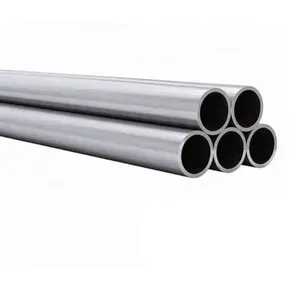 Read More

Contact Us
Recommended Products
-
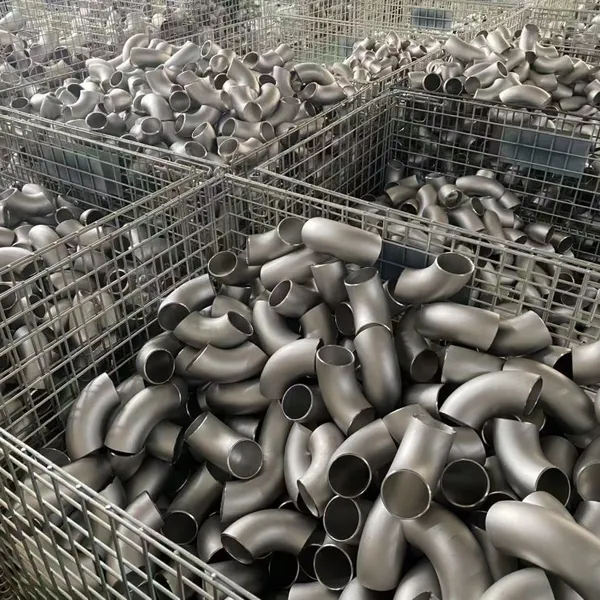
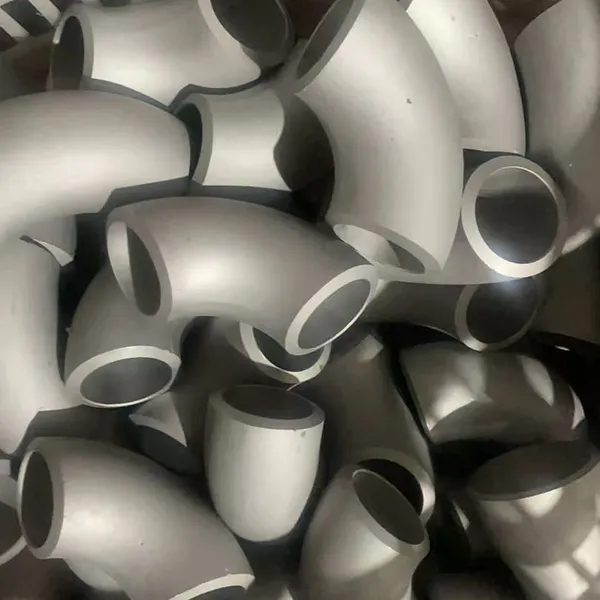
 Stainless Steel Elbow Welded Elbow 45/90/180-degree Seamless Pressed Elbow Long Radius Elbow Short Radius Elbow WholesaleNegotiableMOQ: 1 Piece
 -
316L/1.4405 Seamless Stainless Steel PipeNegotiableMOQ: 2 Meters
-
310s 440 Seamless Sanitary Piping Price 321 904l 201 20 Inch Seamless Steel Pipe A554 Stainless Steel PipeNegotiableMOQ: 1 Piece
-
China Brand ZZ Wholesale 304L 316 316L Welded Austenitic Piping Stainless Steel Pipe SupplierNegotiableMOQ: 2 Meters
-
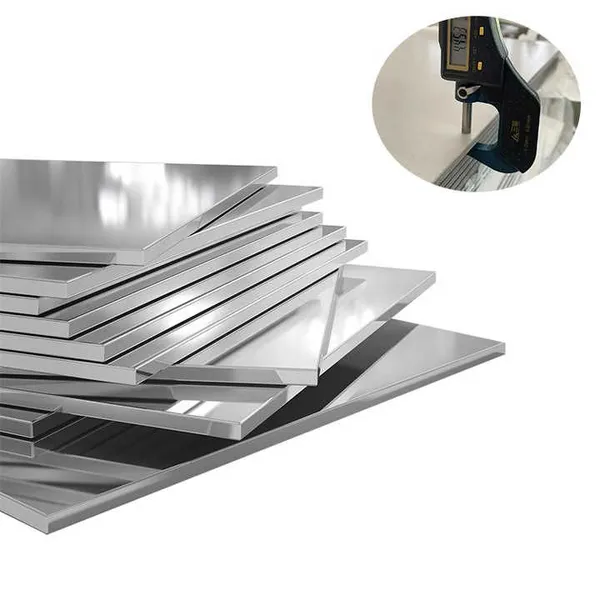
304/304L/316/409/410/904L/2205/2507/310H Premium Stainless Steel Sheets Supplier Custom Sizes & FinishesUS$ 1.72MOQ: 1 Ton
-
Stainless Steel ASME B16.9 Sch 45 90 Degree Pipe Fittings ElbowUS$ 8MOQ: 1 Piece
-
China Brand Zz 304L 316/316L GB En JIS Standard Thin Wall Welded Stainless Steel Water Pipe/TubeNegotiableMOQ: 2 Meters
-
BA 4 Inch 6 Inch 8 Inch 201 304 304L 316 316L Welded Seamless Stainless Steel PipeNegotiableMOQ: 2 Meters
-
ASME B36.19M-2004 SCH40S Stainless Steel Pipe - Complies With EU 3.1 CertificationUS$ 1 - 650MOQ: 1 Piece
-
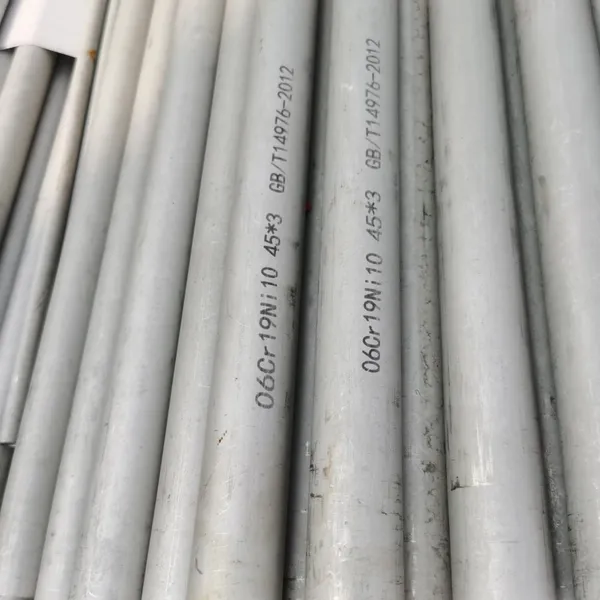
Factory TP309/TP309S/TP309H (UNS30900) Seamless Stainless Steel Pipe and Tube for Boiler BafflesUS$ 8MOQ: 200 Kilograms
-
TP347/TP347H/1.4961/S34709 Seamless Stainless Steel Pipe for UseNegotiableMOQ: 2 Meters
-
China 304 316 Stainless Steel Sanitary Welded Tube Food Grade Sanitary Grade Welded Pipe PolishingNegotiableMOQ: 1 Piece
-
China Manufacture Stainless Steel 316L Ba Seamless Welded Steel Pipe TubesUS$ 1760 - 1860MOQ: 5 Tons
-
316L/1.4405 Seamless Stainless Steel PipeNegotiableMOQ: 2 Meters
-
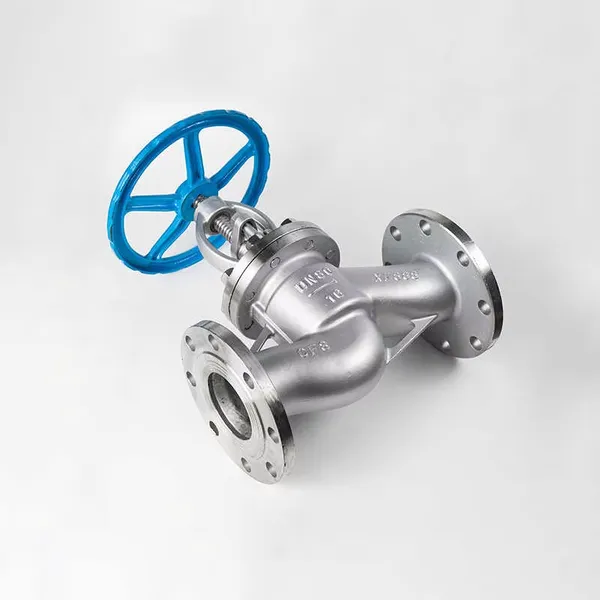
Stainless Steel Globe Valve – High Durability & Corrosion ResistanceNegotiableMOQ: 1 Piece
-
1.4529 Stainless Steel Flat Plate for Chemical Processing EquipmentUS$ 25 - 35MOQ: 1 Kilogram
-
Color Coated Steel Panels for Warehouse Partition Walls (Fireproof Grade)US$ 1 - 1.2MOQ: 50 Kilograms
-
Custom Width (600mm-1250mm) Colored Steel Coil With Scratch ResistanceUS$ 1 - 1.2MOQ: 50 Kilograms
-
0.5mm-3.0mm Colored Coated Steel Sheet With PVDF/Polyester CoatingUS$ 1 - 1.2MOQ: 50 Kilograms
-
JIS G 3322 Compliant Colored Coils With Third-Party Inspection ReportUS$ 1 - 1.2MOQ: 50 Kilograms