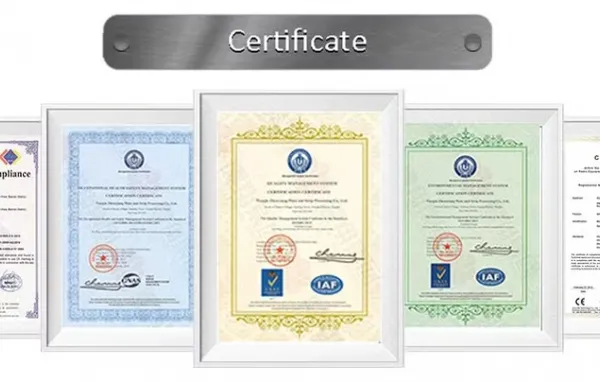

 Business License

Heat exchangers are classified according to their heat transfer principles.
A heat exchanger is a type of energy-saving equipment used to transfer heat between two or more fluids of different temperatures. It enables heat to be transferred from a fluid with a higher temperature to a fluid with a lower temperature, so that the temperature of the fluids can reach the specified indicators in the process, meeting the requirements of the process conditions. It is also one of the main devices for improving energy utilization efficiency.
1. Wall-type heat exchanger
A wall-type heat exchanger is a device where two fluids with different temperatures flow in a space separated by a wall, and heat exchange occurs between the two fluids through heat conduction through the wall and convection of the fluids on the wall surface.
Wall-type heat exchangers include shell-and-tube type, tubular type and other types.
2. Regenerative heat exchanger
The regenerative heat exchanger transfers heat from a hot fluid to a cold fluid through a heat storage body composed of solid substances. The hot medium first reaches a certain temperature by heating the solid substances, and then the cold medium is heated by passing through the solid substances to achieve the purpose of heat transfer.
3. Fluid connection indirect heat exchanger
A fluid connection indirect heat exchanger is a heat exchanger that connects two surface-type heat exchangers through a circulating heat carrier. The heat carrier circulates between the high-temperature fluid heat exchanger and the low-temperature fluid heat exchanger. The high-temperature fluid receives heat, and the low-temperature fluid heat exchanger releases heat to the low-temperature fluid.
4. Direct contact heat exchanger
Also known as a mixed heat exchanger, this type of heat exchanger is a device where two fluids directly contact and mix to exchange heat. For example, cooling towers and gas condensers.
5. Compound heat exchanger
It is a device that combines both steam-water surface indirect heat exchange and water-water direct mixed flow heat exchange. Compared with steam-water surface indirect heat exchange, it has higher heat exchange efficiency; compared with water-water direct mixed heat exchange, it has higher stability and lower unit noise.
Recently Posted
-
Does the stainless steel welded pipe have specific temperature requirements during the solution heat
January 20, 2026Solution heat treatment involves heating stainless steel to a high temperature and then rapidly cooling it to achieve an oversatur Read More
 -
Can stainless steel welded pipes be made into thick pipes
January 20, 2026With the improvement of high-quality welding technology and increasingly strict weld inspection, the application fields of s Read More
 -
Three types of commonly available food-grade stainless steel on the market
January 20, 2026The common food-grade stainless steel pipes are mainly composed of iron, chromium and carbon and other elements. Household stainle Read More
 -
What are the requirements for stainless steel welding pipe production equipment
January 20, 2026As is well known, stainless steel welded pipes have been widely used in various industries such as machinery, chemical engineering Read More

Contact Us
Recommended Products
-
 Stainless Steel Elbow Welded Elbow 45/90/180-degree Seamless Pressed Elbow Long Radius Elbow Short Radius Elbow WholesaleNegotiableMOQ: 1 Piece
 -
316L/1.4405 Seamless Stainless Steel PipeNegotiableMOQ: 2 Meters
-
310s 440 Seamless Sanitary Piping Price 321 904l 201 20 Inch Seamless Steel Pipe A554 Stainless Steel PipeNegotiableMOQ: 1 Piece
-
China Brand ZZ Wholesale 304L 316 316L Welded Austenitic Piping Stainless Steel Pipe SupplierNegotiableMOQ: 2 Meters
-
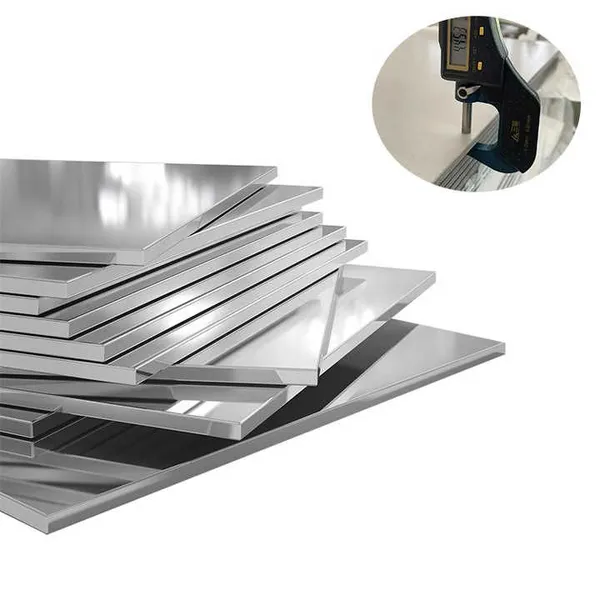
304/304L/316/409/410/904L/2205/2507/310H Premium Stainless Steel Sheets Supplier Custom Sizes & FinishesUS$ 1.72MOQ: 1 Ton
-
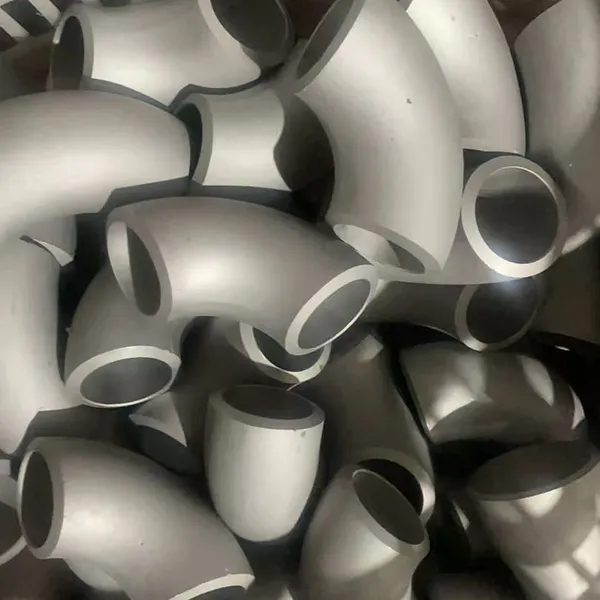
Stainless Steel ASME B16.9 Sch 45 90 Degree Pipe Fittings ElbowUS$ 8MOQ: 1 Piece
-
China Brand Zz 304L 316/316L GB En JIS Standard Thin Wall Welded Stainless Steel Water Pipe/TubeNegotiableMOQ: 2 Meters
-
BA 4 Inch 6 Inch 8 Inch 201 304 304L 316 316L Welded Seamless Stainless Steel PipeNegotiableMOQ: 2 Meters
-
ASME B36.19M-2004 SCH40S Stainless Steel Pipe - Complies With EU 3.1 CertificationUS$ 1 - 650MOQ: 1 Piece
-
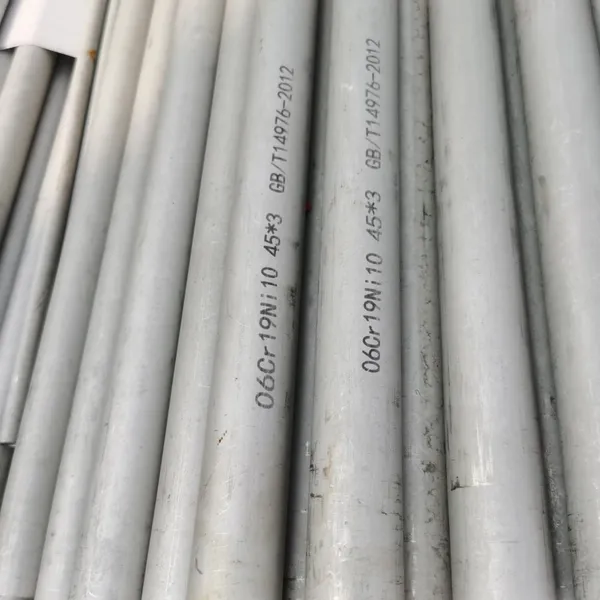
Factory TP309/TP309S/TP309H (UNS30900) Seamless Stainless Steel Pipe and Tube for Boiler BafflesUS$ 8MOQ: 200 Kilograms
-
TP347/TP347H/1.4961/S34709 Seamless Stainless Steel Pipe for UseNegotiableMOQ: 2 Meters
-
China 304 316 Stainless Steel Sanitary Welded Tube Food Grade Sanitary Grade Welded Pipe PolishingNegotiableMOQ: 1 Piece
-
China Manufacture Stainless Steel 316L Ba Seamless Welded Steel Pipe TubesUS$ 1760 - 1860MOQ: 5 Tons
-
316L/1.4405 Seamless Stainless Steel PipeNegotiableMOQ: 2 Meters
-
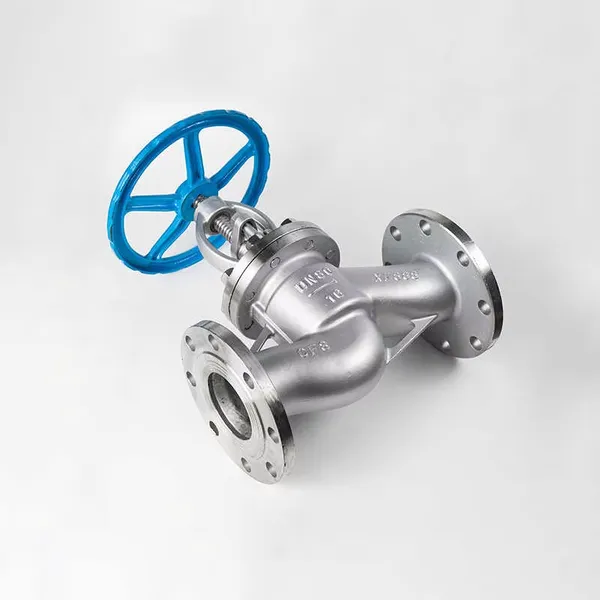
Stainless Steel Globe Valve – High Durability & Corrosion ResistanceNegotiableMOQ: 1 Piece
-
World's Most Affordable Color-Coated Steel Sheets - 0.3mm to 3mm Thickness - Mill Test Report IncludedUS$ 1102MOQ: 10 Kilograms
-
Color-Coated Steel Sheets With 15-Year Fade Warranty - JIS G 3322 Standard CompliantUS$ 1102MOQ: 10 Kilograms
-
Prefab Building Material - 0.4mm Color-Coated Corrugated Sheets - 100,000㎡ Monthly OutputUS$ 1102MOQ: 10 Kilograms
-
Industrial-Grade Color-Coated Sheets - 150-250g/m² Zinc Coating - Weather & UV ResistantUS$ 1102MOQ: 10 Kilograms
-
Factory-Direct Color-Coated Steel Plates - PVDF/Polyester Coating - 1220mm Standard WidthUS$ 1102MOQ: 10 Kilograms