
 Business License

Which equipment and pipelines in the pharmaceutical factory need to be made of 316L stainless steel?
In pharmaceutical factories, 316L stainless steel is widely used due to its excellent corrosion resistance, compliance, and biocompatibility in key equipment pipelines that directly come into contact with high-purity media, sterile drugs, or corrosive environments. The following are typical scenarios where 316L stainless steel is required and the classification of equipment pipelines:
I. Purified Water and Injection Water System
1. Injection Water (WFI) Preparation and Delivery Pipelines
Scenario: WFI is the highest purity water in the pharmaceutical industry, used for preparing injections, cleaning sterile equipment, etc.
Equipment Pipelines:
WFI preparation device (such as multi-effect distillation water machine, connection pipes of reverse osmosis membrane components).
WFI storage tank and circulation delivery pipelines (need to maintain a heat circulation above 70°C to prevent microbial growth).
WFI branch pipes in the sterile formulation workshop (directly connected to the mixing tank, bottle washing machine, etc.).
Requirements: Must comply with ASME BPE standards, inner surface electrolytic polishing (Ra ≤ 0.4 μm), support online sterilization (SIP).
2. Pure Steam System Pipelines
Scenario: Pure steam is used for equipment sterilization (such as sterilization cabinets), pipeline disinfection (SIP), and air humidification in clean areas.
Equipment Pipelines:
Main pipelines and branch pipes from the pure steam generator to each steam-using point (such as steam inlet of freeze-drying machines, connection pipes of culture medium sterilization pots).
Steam condensate recovery pipelines (need to withstand high temperature and secondary steam corrosion).
II. Sterile Preparation Equipment Pipelines
1. Mixing and Filling System
Scenario: Used for preparing sterile injectables, eye drops, etc. that are directly administered to the human body.
Equipment Pipelines:
Inlet and outlet pipelines of the sterile mixing tanks (such as the cephalosporin antibiotic mixing system).
Pipelines connecting the drug liquid filtration devices (such as the 0.22μm sterilization filters before and after the front and rear ends) for drug liquid filtration.
Material liquid conveying pipelines of the filling line (such as the material liquid pipes of the pre-filled syringe filling equipment).
Features: Must be certified by USP Class VI, have surface electrolytic polishing, and support online cleaning (CIP).
2. Freeze-Drying System
Scenario: Freeze-dryers are used for the freeze-drying of sterile drugs, with pipelines in contact with low-temperature drug liquids and high-temperature steam.
Equipment Pipelines:
Drug liquid conveying pipelines in the freeze-drying box (directly in contact with sterile drug liquids).
Silicone oil circulation pipelines (maintaining uniform temperature of the freeze-drying plate layers, capable of withstanding a temperature difference of -40°C to +80°C) and vacuum system pipelines (required to prevent condensation water from corroding).
III. Equipment and Pipelines Containing Corrosive Media
1. Acid, Alkali and Chloride-Ion Containing Solution Pipelines
Scenario: Such as sodium chloride injection solution (containing chloride ions), amantadine hydrochloride solution (acidic) etc.
Equipment Pipelines:
Sodium chloride injection solution preparation tank and transportation pipeline (chloride ion concentration approximately 9g/L).
Buffer solution (such as phosphate buffer solution) preparation system pipeline (resistant to corrosion within the pH range of 1-14).
Acidic/Alkaline reaction liquid transportation pipeline in the chemical synthesis raw material drug workshop.
2. Disinfectants and Cleaning System
Scenario: Strong corrosive media used for equipment disinfection such as hydrogen peroxide, formaldehyde solution, etc.
Equipment Pipelines:
Hydrogen peroxide spray pipeline for sterilization in the clean area space.
Acid and alkali cleaning liquid pipeline of the online cleaning (CIP) system (such as 0.1M sodium hydroxide solution circulation pipe).
IV. Key Clean Areas and Sterilization Equipment Pipelines
1. Equipment Pipelines for Class A Clean Areas
Scenario: Core areas such as sterile filling lines and capping machines require the highest level of aseptic protection.
Equipment Pipelines:
Branch pipes for liquid transportation within laminar flow hoods (directly exposed to an aseptic environment).
Gas blow-off pipelines for the aseptic isolators (to prevent external contamination from entering).
2. Sterilization Cabinets and Cleaning Equipment Pipelines
Scenario: Equipment such as wet heat sterilization cabinets and bottle washing machines come into contact with high-temperature steam and cleaning agents.
Equipment Pipelines:
Steam inlet and condensate discharge pipes for sterilization cabinets (able to withstand 134℃ saturated steam).
Piping for purified water / injection water spray of the bottle washing machine (required to resist corrosion from cleaning agent residues).
V. Special Scenarios in Biopharmaceuticals
1. Fermentation and Culture Medium System
Scene: Contacting proteins, amino acids, and other organic media in bioreactors and culture medium preparation tanks.
Equipment Pipelines:
Feed pipelines for the culture medium in fermentation tanks (to prevent microbial contamination and medium corrosion).
Feed pipelines for the bioreactors (such as glucose solutions, defoamer delivery pipes).
2. Chromatography and Purification System
Scene: During the purification of antibody drugs, contact with high-salt solutions (such as sodium chloride gradient elution solutions).
Equipment Pipelines:
Inlet and outlet pipelines for the chromatography column (able to withstand long-term flushing with 0.5M sodium chloride solution).
Circulation pipelines for ultrafiltration membrane modules (to prevent protein deposition and bacterial growth).
VI. Compliance and Material Selection Basis
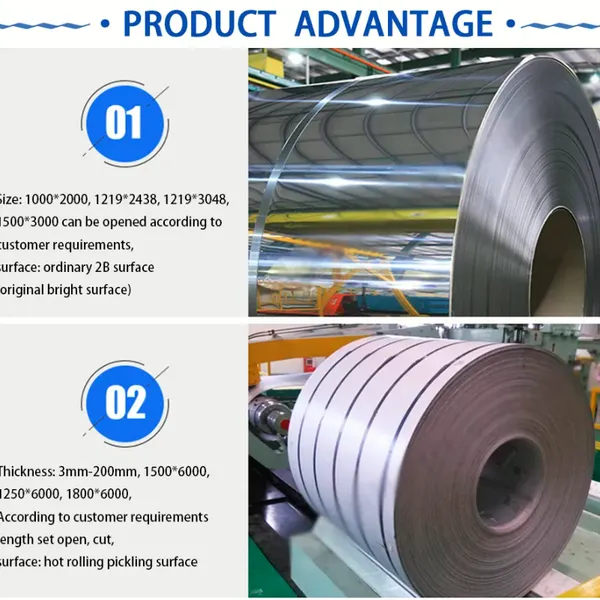
Picture 1
Summary: Core Application Principles of 316L Stainless Steel
Preferred Scenarios: Equipment and pipelines that come into contact with purified water for injection, sterile solutions, media containing chloride ions, high-temperature steam, or highly corrosive reagents must be made of 316L stainless steel.
Compliance Bottom Line: For sterile drug production subject to strict regulations such as FDA and EMA, 316L is mandatory (as specified in ASME BPE standards regarding the core pipe material).
Cost and Risk Balance: Although the cost of 316L is approximately 30% higher than that of 304, in critical areas (such as freeze-drying machines and filling machines), using 304 may lead to drug contamination and trigger recall risks. Therefore, one should not compromise on cost.
By precisely differentiating the corrosiveness of the medium, the cleanliness level, and regulatory requirements, 316L stainless steel can be ensured to be applied in the truly high-risk scenarios that require it in pharmaceutical factories, while avoiding excessive selection that leads to cost waste.
Recently Posted
-
Does the stainless steel welded pipe have specific temperature requirements during the solution heat
January 20, 2026Solution heat treatment involves heating stainless steel to a high temperature and then rapidly cooling it to achieve an oversatur Read More
 -
Can stainless steel welded pipes be made into thick pipes
January 20, 2026With the improvement of high-quality welding technology and increasingly strict weld inspection, the application fields of s Read More
 -
Three types of commonly available food-grade stainless steel on the market
January 20, 2026The common food-grade stainless steel pipes are mainly composed of iron, chromium and carbon and other elements. Household stainle Read More
 -
What are the requirements for stainless steel welding pipe production equipment
January 20, 2026As is well known, stainless steel welded pipes have been widely used in various industries such as machinery, chemical engineering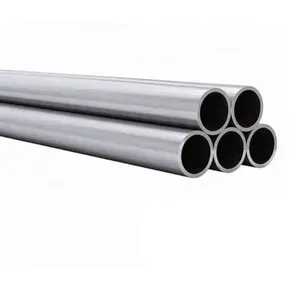 Read More

Contact Us
Recommended Products
-
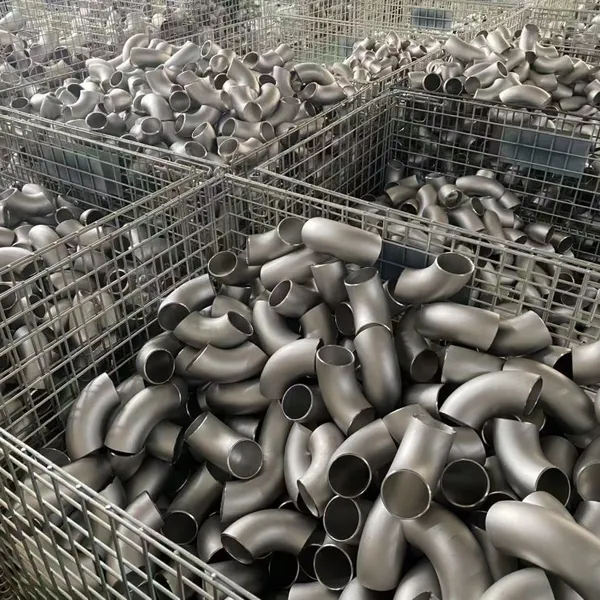
 Stainless Steel Elbow Welded Elbow 45/90/180-degree Seamless Pressed Elbow Long Radius Elbow Short Radius Elbow WholesaleNegotiableMOQ: 1 Piece
 -
316L/1.4405 Seamless Stainless Steel PipeNegotiableMOQ: 2 Meters
-
310s 440 Seamless Sanitary Piping Price 321 904l 201 20 Inch Seamless Steel Pipe A554 Stainless Steel PipeNegotiableMOQ: 1 Piece
-
China Brand ZZ Wholesale 304L 316 316L Welded Austenitic Piping Stainless Steel Pipe SupplierNegotiableMOQ: 2 Meters
-
304/304L/316/409/410/904L/2205/2507/310H Premium Stainless Steel Sheets Supplier Custom Sizes & FinishesUS$ 1.72MOQ: 1 Ton
-
Stainless Steel ASME B16.9 Sch 45 90 Degree Pipe Fittings ElbowUS$ 8MOQ: 1 Piece
-
China Brand Zz 304L 316/316L GB En JIS Standard Thin Wall Welded Stainless Steel Water Pipe/TubeNegotiableMOQ: 2 Meters
-
BA 4 Inch 6 Inch 8 Inch 201 304 304L 316 316L Welded Seamless Stainless Steel PipeNegotiableMOQ: 2 Meters
-
ASME B36.19M-2004 SCH40S Stainless Steel Pipe - Complies With EU 3.1 CertificationUS$ 1 - 650MOQ: 1 Piece
-
Factory TP309/TP309S/TP309H (UNS30900) Seamless Stainless Steel Pipe and Tube for Boiler BafflesUS$ 8MOQ: 200 Kilograms
-
TP347/TP347H/1.4961/S34709 Seamless Stainless Steel Pipe for UseNegotiableMOQ: 2 Meters
-
China 304 316 Stainless Steel Sanitary Welded Tube Food Grade Sanitary Grade Welded Pipe PolishingNegotiableMOQ: 1 Piece
-
China Manufacture Stainless Steel 316L Ba Seamless Welded Steel Pipe TubesUS$ 1760 - 1860MOQ: 5 Tons
-
316L/1.4405 Seamless Stainless Steel PipeNegotiableMOQ: 2 Meters
-
Stainless Steel Globe Valve – High Durability & Corrosion ResistanceNegotiableMOQ: 1 Piece
-
1.4529 Stainless Steel Flat Plate for Chemical Processing EquipmentUS$ 25 - 35MOQ: 1 Kilogram
-
Color Coated Steel Panels for Warehouse Partition Walls (Fireproof Grade)US$ 1 - 1.2MOQ: 50 Kilograms
-
Custom Width (600mm-1250mm) Colored Steel Coil With Scratch ResistanceUS$ 1 - 1.2MOQ: 50 Kilograms
-
0.5mm-3.0mm Colored Coated Steel Sheet With PVDF/Polyester CoatingUS$ 1 - 1.2MOQ: 50 Kilograms
-
JIS G 3322 Compliant Colored Coils With Third-Party Inspection ReportUS$ 1 - 1.2MOQ: 50 Kilograms