
 Business License

What are the specific requirements for the material of sanitary-grade stainless steel pipes in the p
The pharmaceutical industry has extremely strict requirements for the material of sanitary stainless steel pipes, which must meet core demands such as no pollution, corrosion resistance, easy cleaning, and compliance with Good Manufacturing Practice (GMP) for pharmaceutical production. The following provides a detailed explanation from aspects such as material characteristics, standard compliance, and performance requirements:
I. Chemical Composition Requirements: Strict Control of Impurities and Alloy Elements
1. Main Stainless Steel Grades and Composition Restrictions
The commonly used grades in the pharmaceutical industry are 304 (06Cr19Ni10) and 316L (022Cr17Ni12Mo2). Their chemical compositions must meet the following key indicators (based on the ASTM A270 standard):
Picture 1
2. Impurity Control
Recycled waste materials are prohibited. Raw materials must be pure to avoid residual heavy metals such as lead (Pb) and cadmium (Cd), and to prevent contamination of the drugs.
The silicon (Si) content is usually ≤ 1.0%, to avoid affecting the surface polishing effect.
II. Mechanical Properties and Processing Adaptability
1. Strength and Ductility
Tensile strength: ≥ 515 MPa (304/316L), Yield strength: ≥ 205 MPa. Ensuring that the pipeline is less likely to deform or crack during installation (such as bending, welding).
Elongation: ≥ 30%, ensuring the ductility of the pipe material (such as cold bending, expansion), avoiding micro-cracks (cracks are prone to accumulate dirt and contaminants) during the processing.
2. Welding Performance
It is necessary to use inert gas protection welding (such as TIG welding). The material must meet that there are no gas pores, slag inclusions, or incomplete fusion after welding. After welding, it is necessary to perform passivation treatment (such as nitric acid passivation) to restore the passivation film of the welding area, preventing corrosion.
Due to the lower carbon content of 316L, the intergranular corrosion risk after welding is much lower than that of 304, making it more suitable for scenarios with frequent welding (such as pipeline system renovation).
III. Corrosion Resistance: Adapting to the Multiple Challenges of Pharmaceutical Environments
1. Resistance to Chemical Corrosion
It can withstand acid/alkali solutions (such as hydrochloric acid, sodium hydroxide) during the pharmaceutical process, as well as organic solvents (ethanol, acetone) and disinfectants (hydrogen peroxide, ozone).
Due to the presence of molybdenum in 316L, its corrosion resistance to chloride-containing media (such as physiological saline, purified water) is significantly superior to that of 304, and it is often used in water for injection (WFI) systems.
2. Resistance to Intergranular Corrosion
It must pass the ASTM A262 E test (boric acid immersion test) or the ASTM A262 C test (sulfuric acid - copper sulfate test) to ensure that no intergranular chromium carbide precipitates at the sensitization temperature (450-850℃), avoiding intergranular corrosion that leads to pipeline leakage or contamination.
3. Resistance to High Temperature and Steam Corrosion
It can withstand 121℃ high-pressure steam sterilization (SIP), and the material does not undergo oxidation peeling or release metal ions (such as iron ion contamination of the medicine) at high temperatures.
IV. Surface Treatment and Hygiene Characteristics
1. Surface Roughness (Ra Value)
The inner surface roughness should be ≤ 0.8 μm (the ideal value should be ≤ 0.4 μm), and the outer surface roughness should be ≤ 1.6 μm. A smooth surface can reduce the attachment of bacterial biofilms (as required by the FDA for drug contact surfaces "no cracks, no depressions").
Usually, electrolytic polishing (EP) is used to enhance the surface smoothness. After EP, a more uniform passivation film is formed on the surface, and the corrosion resistance is improved by more than 30% compared to mechanical polishing (MP).
2. No Pores and Adsorption Properties
The material should be dense and free of pores to avoid the residue of drugs or cleaning agents; the surface should not adsorb organic substances and must pass the "water contact angle test" (the contact angle should be ≥ 60° to ensure the surface is hydrophilic and easy to clean).
V. Compliance and Certification Standards
1. International and Industry Standards
FDA (U.S. Food and Drug Administration): Complies with 21 CFR Part 177.2400, ensuring no migration substances when the material comes into contact with the drug.
GMP (Good Manufacturing Practice for Pharmaceutical Products): Requires the material to be traceable. Each batch of pipe material must provide a material certificate of analysis (COA), including chemical composition, mechanical properties, and surface treatment report. ISO 14644 (Cleanroom Standard):
Applicable to pipe materials in Class A clean areas (sterile production environment), they must pass surface particle testing (≤ 0.5μm particle count ≤ 3520 per m³).
2. Biocompatibility Certification
Pipes that come into direct contact with drugs must comply with USP Class VI (U.S. Pharmacopeia Class VI) or ISO 10993 (Biological Evaluation of Medical Devices), passing tests such as cytotoxicity, sensitization, and irritation to ensure no biological toxicity.
VI. Additional Requirements for Special Scenarios
1. Pure Steam System
The material must be 316L and must be certified by ASME BPE (Biological Processing Equipment Standard) to prevent metal ions in the steam from contaminating the drugs.
2. Aseptic Drug Production
The tubing must be able to withstand online sterilization (SIP) and chemical sterilization (such as formaldehyde fumigation), and the material should not undergo performance degradation (such as the loss of passivation film) after repeated sterilization.
3. High-Purity Medium Transportation
When transporting injection water (WFI) and purified water (PW), the total organic carbon (TOC) in the material must be ≤ 500 ppb, and the dissolved substances must be ≤ 0.5 ppm to avoid water quality contamination.
VII. Material Selection and Application Scenario Comparison
Picture 2
Summary
The pharmaceutical industry's requirements for the material of sanitary-grade stainless steel pipes are centered around "safety, no pollution, and traceability". From chemical composition, mechanical properties to surface treatment, all must meet strict standards to ensure that no impurities are introduced during the drug production process and no corrosion occurs. At the same time, it must comply with the compliance requirements of global regulatory agencies. 316L has become the preferred choice for sterile preparations and the transportation of high-purity media due to its excellent corrosion resistance, while 304 is suitable for general scenarios with less corrosive conditions.
Recently Posted
-
Does the stainless steel welded pipe have specific temperature requirements during the solution heat
January 20, 2026Solution heat treatment involves heating stainless steel to a high temperature and then rapidly cooling it to achieve an oversatur Read More
 -
Can stainless steel welded pipes be made into thick pipes
January 20, 2026With the improvement of high-quality welding technology and increasingly strict weld inspection, the application fields of s Read More
 -
Three types of commonly available food-grade stainless steel on the market
January 20, 2026The common food-grade stainless steel pipes are mainly composed of iron, chromium and carbon and other elements. Household stainle Read More
 -
What are the requirements for stainless steel welding pipe production equipment
January 20, 2026As is well known, stainless steel welded pipes have been widely used in various industries such as machinery, chemical engineering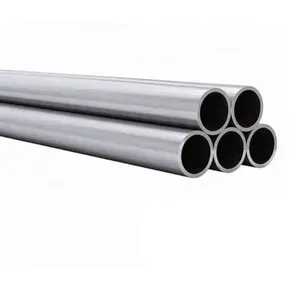 Read More

Contact Us
Recommended Products
-
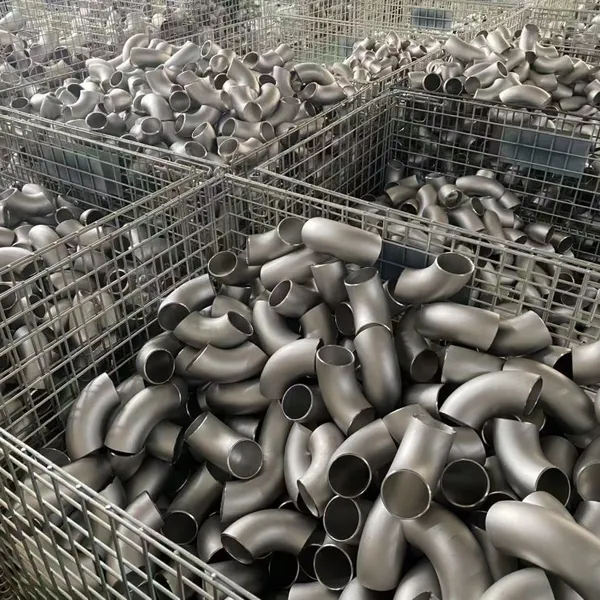
 Stainless Steel Elbow Welded Elbow 45/90/180-degree Seamless Pressed Elbow Long Radius Elbow Short Radius Elbow WholesaleNegotiableMOQ: 1 Piece
 -
316L/1.4405 Seamless Stainless Steel PipeNegotiableMOQ: 2 Meters
-
310s 440 Seamless Sanitary Piping Price 321 904l 201 20 Inch Seamless Steel Pipe A554 Stainless Steel PipeNegotiableMOQ: 1 Piece
-
China Brand ZZ Wholesale 304L 316 316L Welded Austenitic Piping Stainless Steel Pipe SupplierNegotiableMOQ: 2 Meters
-
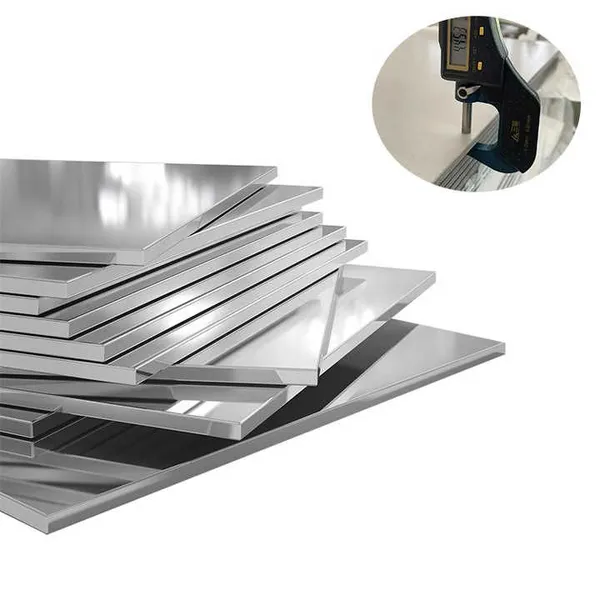
304/304L/316/409/410/904L/2205/2507/310H Premium Stainless Steel Sheets Supplier Custom Sizes & FinishesUS$ 1.72MOQ: 1 Ton
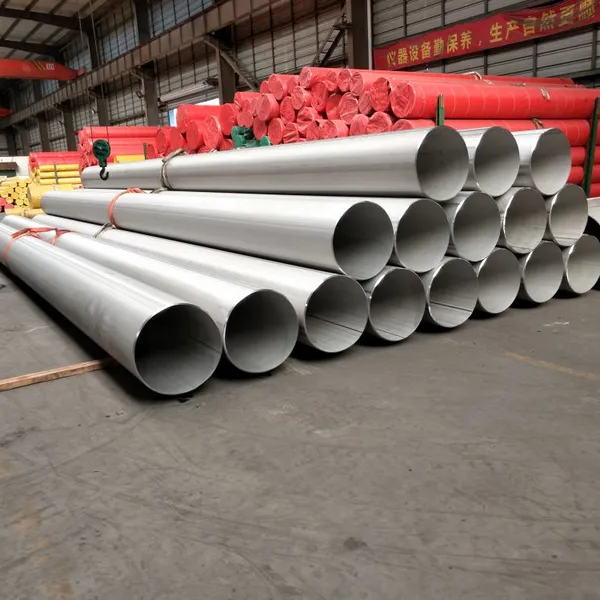
-
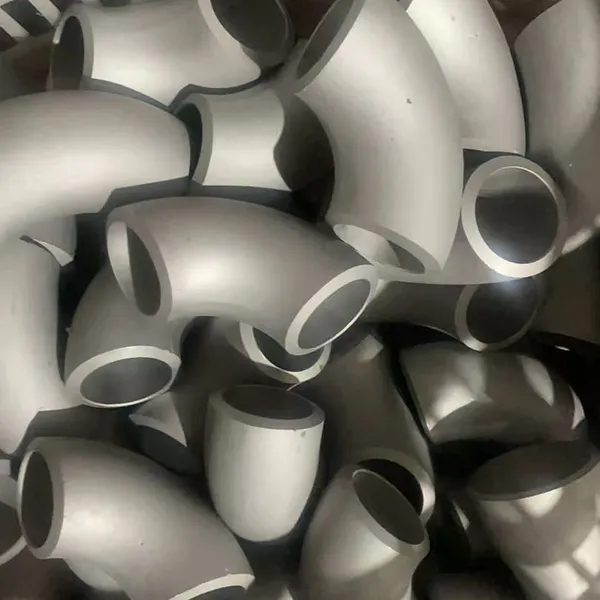
Stainless Steel ASME B16.9 Sch 45 90 Degree Pipe Fittings ElbowUS$ 8MOQ: 1 Piece
-
China Brand Zz 304L 316/316L GB En JIS Standard Thin Wall Welded Stainless Steel Water Pipe/TubeNegotiableMOQ: 2 Meters
-
BA 4 Inch 6 Inch 8 Inch 201 304 304L 316 316L Welded Seamless Stainless Steel PipeNegotiableMOQ: 2 Meters
-
ASME B36.19M-2004 SCH40S Stainless Steel Pipe - Complies With EU 3.1 CertificationUS$ 1 - 650MOQ: 1 Piece
-
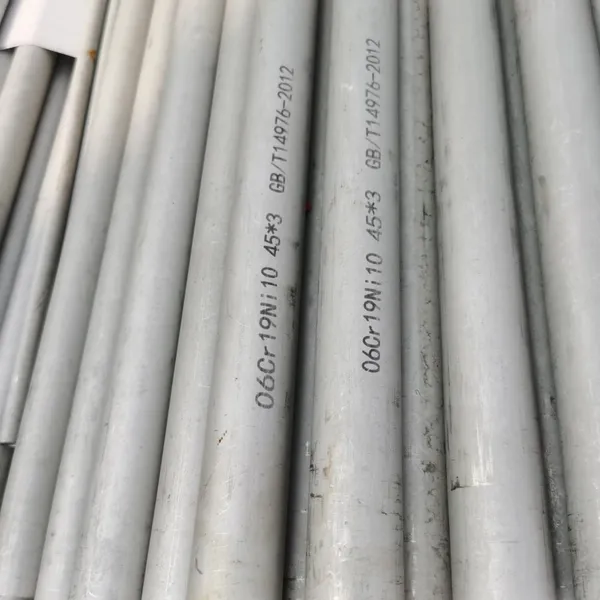
Factory TP309/TP309S/TP309H (UNS30900) Seamless Stainless Steel Pipe and Tube for Boiler BafflesUS$ 8MOQ: 200 Kilograms
-
TP347/TP347H/1.4961/S34709 Seamless Stainless Steel Pipe for UseNegotiableMOQ: 2 Meters
-
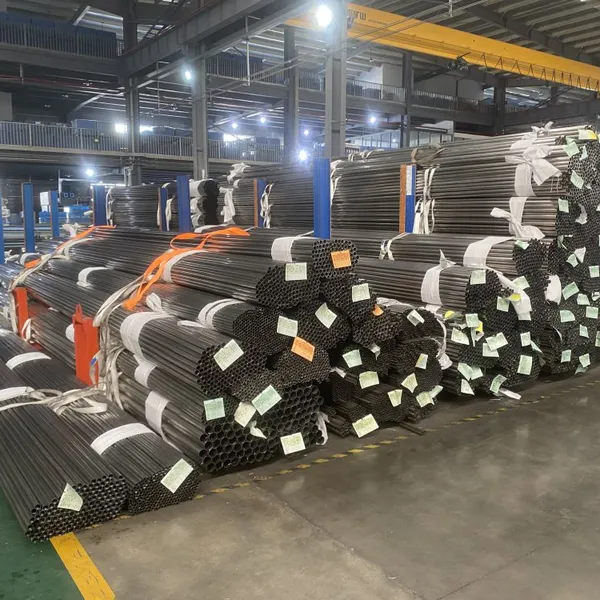
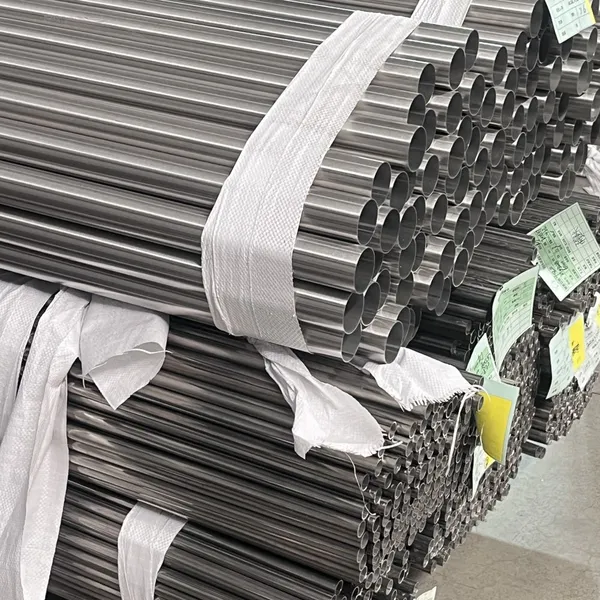
China 304 316 Stainless Steel Sanitary Welded Tube Food Grade Sanitary Grade Welded Pipe PolishingNegotiableMOQ: 1 Piece
-
China Manufacture Stainless Steel 316L Ba Seamless Welded Steel Pipe TubesUS$ 1760 - 1860MOQ: 5 Tons
-
316L/1.4405 Seamless Stainless Steel PipeNegotiableMOQ: 2 Meters
-
Stainless Steel Globe Valve – High Durability & Corrosion ResistanceNegotiableMOQ: 1 Piece
-
1.4529 Stainless Steel Flat Plate for Chemical Processing EquipmentUS$ 25 - 35MOQ: 1 Kilogram
-
Color Coated Steel Panels for Warehouse Partition Walls (Fireproof Grade)US$ 1 - 1.2MOQ: 50 Kilograms
-
Custom Width (600mm-1250mm) Colored Steel Coil With Scratch ResistanceUS$ 1 - 1.2MOQ: 50 Kilograms
-
0.5mm-3.0mm Colored Coated Steel Sheet With PVDF/Polyester CoatingUS$ 1 - 1.2MOQ: 50 Kilograms
-
JIS G 3322 Compliant Colored Coils With Third-Party Inspection ReportUS$ 1 - 1.2MOQ: 50 Kilograms