
 Business License

What effects does passivation treatment have on the performance of medical decontaminated stainless
The core function of passivation treatment is to form a uniform and dense Cr₂O₃ passivation film on the surface of the pipe, which has a decisive positive impact on its corrosion resistance, biological safety and operational stability. The details are as follows:
Significantly enhance corrosion resistance
The passivation film can isolate the pipe material substrate from the external environment (body fluids, disinfectants, medicinal solutions, etc.), preventing the erosion of stainless steel by chloride ions, acidic / alkaline substances.
Effectively inhibit pitting corrosion, intergranular corrosion and crevice corrosion, especially in medical chlorine-containing disinfectants (such as iodophor), and physiological saline environments, the corrosion resistance life can be increased by 3-5 times.
After the welding part undergoes passivation treatment, it can repair the natural oxide film damaged during the welding process, avoiding the weld seam from becoming a corrosion weak point.
2. Ensure biological safety
The passive film is dense and free of pores, which can reduce the release of metal ions such as nickel and chromium. The release of nickel ions can be controlled below 0.5 μg/cm²/week, meeting the ISO 10993-15 standard.
Prevent the reaction of metal ions with human body fluids and blood, reduce the risk of sensitization and cytotoxicity, and ensure the tissue compatibility when in long-term contact with the human body.
The passive film itself is non-toxic and non-irritating, does not react chemically with drugs, and does not affect the stability of the drug solution.
3. Optimize surface performance
After passivation treatment, the surface color is uniform and consistent, without oxide spots, and the surface becomes smoother and cleaner, reducing the attachment sites for bacteria and dirt.
Strengthen the stability of surface cleanliness. Even after repeated sterilization with high-temperature and high-pressure, ethylene oxide, etc., the surface still remains free of peeling and detachment, avoiding the contamination of the medical environment by the detachment of pollutants.
The surface roughness of the pipe material is not changed (it needs to be combined with degreasing process), ensuring that it meets the requirements of medical Ra ≤ 0.8 μm (implants ≤ 0.2 μm).
4. Does not affect the mechanical properties of the substrate
The thickness of the passivation film is only 5-10nm, which will not alter the core mechanical indicators such as tensile strength, yield strength, elongation, etc. of the pipe material.
It does not affect the welding performance and cold forming performance of the pipe material, and can still maintain good processing compatibility during subsequent medical equipment assembly.
It has no significant impact on the hardness of the pipe material, will not lead to an increase in brittleness, and ensures the structural stability during use.
5. Extended service life and reduced maintenance costs
The protective effect of the passivation film can reduce the failure probability of the pipe material due to corrosion, especially in medical scenarios where the equipment undergoes repeated sterilization and is in prolonged contact with corrosive media, resulting in a significant extension of the service life.
Reducing the frequency of maintenance and replacement due to corrosion, lowering the long-term usage cost of medical equipment, and avoiding medical risks caused by the corrosion and damage of the pipe material.
Recently Posted
-
Does the stainless steel welded pipe have specific temperature requirements during the solution heat
January 20, 2026Solution heat treatment involves heating stainless steel to a high temperature and then rapidly cooling it to achieve an oversatur Read More
 -
Can stainless steel welded pipes be made into thick pipes
January 20, 2026With the improvement of high-quality welding technology and increasingly strict weld inspection, the application fields of s Read More
 -
Three types of commonly available food-grade stainless steel on the market
January 20, 2026The common food-grade stainless steel pipes are mainly composed of iron, chromium and carbon and other elements. Household stainle Read More
 -
What are the requirements for stainless steel welding pipe production equipment
January 20, 2026As is well known, stainless steel welded pipes have been widely used in various industries such as machinery, chemical engineering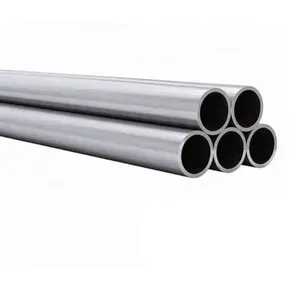 Read More

Contact Us
Recommended Products
-
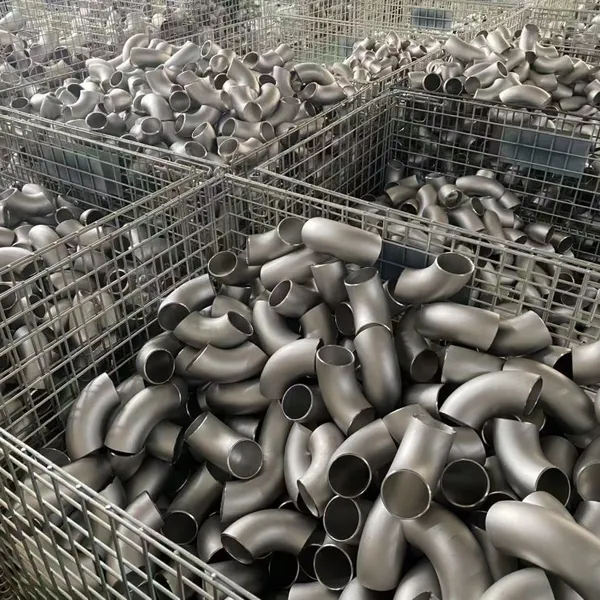
 Stainless Steel Elbow Welded Elbow 45/90/180-degree Seamless Pressed Elbow Long Radius Elbow Short Radius Elbow WholesaleNegotiableMOQ: 1 Piece
 -
316L/1.4405 Seamless Stainless Steel PipeNegotiableMOQ: 2 Meters
-
310s 440 Seamless Sanitary Piping Price 321 904l 201 20 Inch Seamless Steel Pipe A554 Stainless Steel PipeNegotiableMOQ: 1 Piece
-
China Brand ZZ Wholesale 304L 316 316L Welded Austenitic Piping Stainless Steel Pipe SupplierNegotiableMOQ: 2 Meters
-
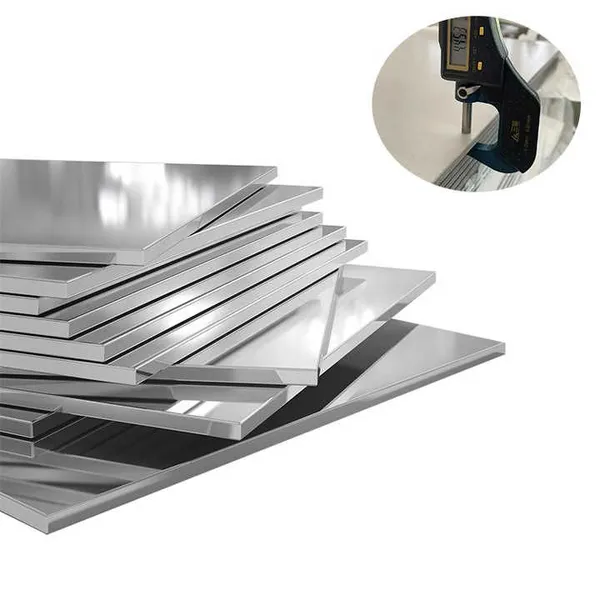
304/304L/316/409/410/904L/2205/2507/310H Premium Stainless Steel Sheets Supplier Custom Sizes & FinishesUS$ 1.72MOQ: 1 Ton
-
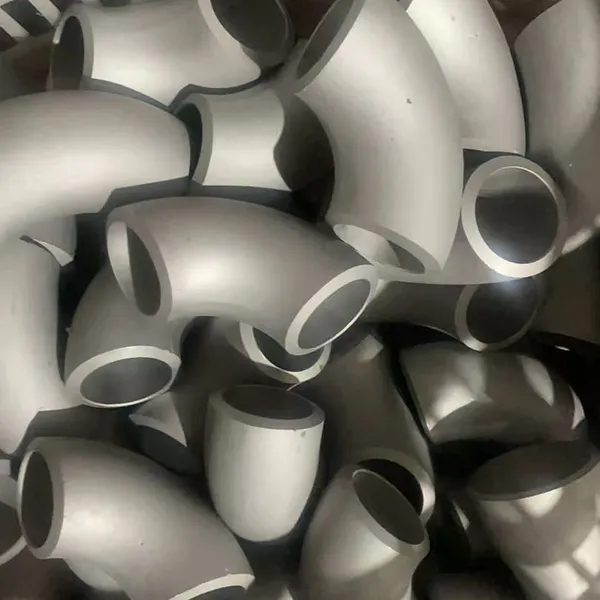
Stainless Steel ASME B16.9 Sch 45 90 Degree Pipe Fittings ElbowUS$ 8MOQ: 1 Piece
-
China Brand Zz 304L 316/316L GB En JIS Standard Thin Wall Welded Stainless Steel Water Pipe/TubeNegotiableMOQ: 2 Meters
-
BA 4 Inch 6 Inch 8 Inch 201 304 304L 316 316L Welded Seamless Stainless Steel PipeNegotiableMOQ: 2 Meters
-
ASME B36.19M-2004 SCH40S Stainless Steel Pipe - Complies With EU 3.1 CertificationUS$ 1 - 650MOQ: 1 Piece
-
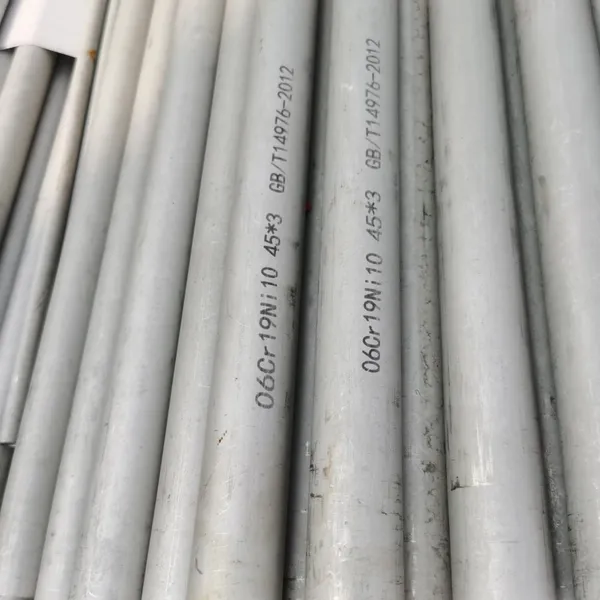
Factory TP309/TP309S/TP309H (UNS30900) Seamless Stainless Steel Pipe and Tube for Boiler BafflesUS$ 8MOQ: 200 Kilograms
-
TP347/TP347H/1.4961/S34709 Seamless Stainless Steel Pipe for UseNegotiableMOQ: 2 Meters
-
China 304 316 Stainless Steel Sanitary Welded Tube Food Grade Sanitary Grade Welded Pipe PolishingNegotiableMOQ: 1 Piece
-
China Manufacture Stainless Steel 316L Ba Seamless Welded Steel Pipe TubesUS$ 1760 - 1860MOQ: 5 Tons
-
316L/1.4405 Seamless Stainless Steel PipeNegotiableMOQ: 2 Meters
-
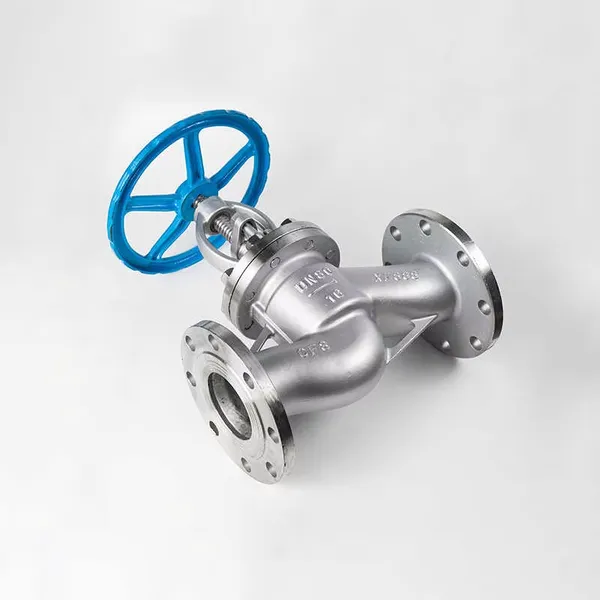
Stainless Steel Globe Valve – High Durability & Corrosion ResistanceNegotiableMOQ: 1 Piece
-
1.4529 Stainless Steel Flat Plate for Chemical Processing EquipmentUS$ 25 - 35MOQ: 1 Kilogram
-
Color Coated Steel Panels for Warehouse Partition Walls (Fireproof Grade)US$ 1 - 1.2MOQ: 50 Kilograms
-
Custom Width (600mm-1250mm) Colored Steel Coil With Scratch ResistanceUS$ 1 - 1.2MOQ: 50 Kilograms
-
0.5mm-3.0mm Colored Coated Steel Sheet With PVDF/Polyester CoatingUS$ 1 - 1.2MOQ: 50 Kilograms
-
JIS G 3322 Compliant Colored Coils With Third-Party Inspection ReportUS$ 1 - 1.2MOQ: 50 Kilograms