
 Business License

What are the specific requirements for the surface treatment of sanitary-grade stainless steel pipes
The core requirements for the surface treatment of sanitary-grade stainless steel pipes in the food industry are: no dead corners for easy cleaning, no residual harmful substances, and the ability to inhibit the growth of microorganisms. Specific special requirements mainly focus on polishing accuracy, passivation safety, and joint treatment, etc.
Polishing accuracy: Strictly control the surface roughness (Ra value)
This is the most fundamental and crucial requirement in the food industry, aiming to reduce surface depressions and gaps, and prevent food residues from remaining and microorganisms from adhering.
General standard: The inner surface roughness Ra should be ≤ 0.8 μm, and the outer surface usually requires Ra ≤ 1.6 μm. In some high-end fields (such as dairy products, infant food), a more stringent requirement of Ra ≤ 0.4 μm is also imposed.
Preference for polishing method: Prefer electrochemical polishing, as its surface is more uniform, free from mechanical grinding residues, and can form a denser oxide layer, making it easier to meet the food-grade cleaning requirements compared to mechanical polishing.
2. Passivation Treatment: Only food-grade safe chemicals must be used
The core of passivation is to enhance corrosion resistance. However, the food industry has strict restrictions on passivation agents to prevent chemical substances from migrating into food.
Chemical requirements: Traditional high-concentration nitric acid passivation is prohibited. Food-grade citric acid passivation (with a concentration of typically 2%-10%) is required. In some scenarios, a nitric acid - hydrofluoric acid mixture (but with strict control of residues) can also be used.
Residue standards: After passivation, the surface must be rinsed with pure water to ensure that the residue of the chemical agent complies with standards such as FDA (US Food and Drug Administration) or EU 10/2011 (EU Food Contact Materials Regulation), and no heavy metals or harmful organic substances should be detected.
3. Joints and dead corners: Zero dead corner treatment, eliminating the breeding ground for dirt and contaminants
The welding seams of food pipes are high-risk areas for hygiene issues. The surface treatment should focus on covering this area.
Welding requirements: Use TIG (Tungsten Inert Gas Shielded Welding) for internal leveling welding to avoid weld protrusions or depressions.
Subsequent treatment: The weld seams must undergo local electrochemical polishing or mechanical fine polishing to ensure that the roughness of the weld seam is consistent with that of the pipe body, without obvious joint marks, and to completely eliminate cleaning dead corners.
4. Surface Defects: Strictly prohibit any defects that affect hygiene
Any surface defect could serve as a "breeding ground" for microorganisms. The food industry has an extremely low tolerance for defects.
Prohibited items: The surface must not have scratches (depth > 0.1mm), depressions, oxide scales, pockmarks, residual welding slag, etc.
Testing requirements: Visual inspection (under specific lighting conditions) or surface roughness measurement instruments must be used. In some scenarios, penetrant testing is also required to ensure there are no invisible tiny cracks that the naked eye cannot detect.
5. Cleaning Compatibility: Resistant to common cleaning agents in the food industry
The treated pipe materials must be able to withstand the frequent cleaning and disinfection processes in food production without corrosion or surface damage.
Tolerance range: They need to be resistant to acidic cleaning agents (such as citric acid, nitric acid solutions), alkaline cleaning agents (such as sodium hydroxide solutions), and high-temperature and high-pressure cleaning (typically with a temperature ≤ 150℃ and pressure ≤ 1.0MPa).
Stability requirements: After long-term use, the oxide layer on the surface must not fall off, and the roughness must not increase significantly due to cleaning operations.
Recently Posted
-
Does the stainless steel welded pipe have specific temperature requirements during the solution heat
January 20, 2026Solution heat treatment involves heating stainless steel to a high temperature and then rapidly cooling it to achieve an oversatur Read More
 -
Can stainless steel welded pipes be made into thick pipes
January 20, 2026With the improvement of high-quality welding technology and increasingly strict weld inspection, the application fields of s Read More
 -
Three types of commonly available food-grade stainless steel on the market
January 20, 2026The common food-grade stainless steel pipes are mainly composed of iron, chromium and carbon and other elements. Household stainle Read More
 -
What are the requirements for stainless steel welding pipe production equipment
January 20, 2026As is well known, stainless steel welded pipes have been widely used in various industries such as machinery, chemical engineering Read More

Contact Us
Recommended Products
-
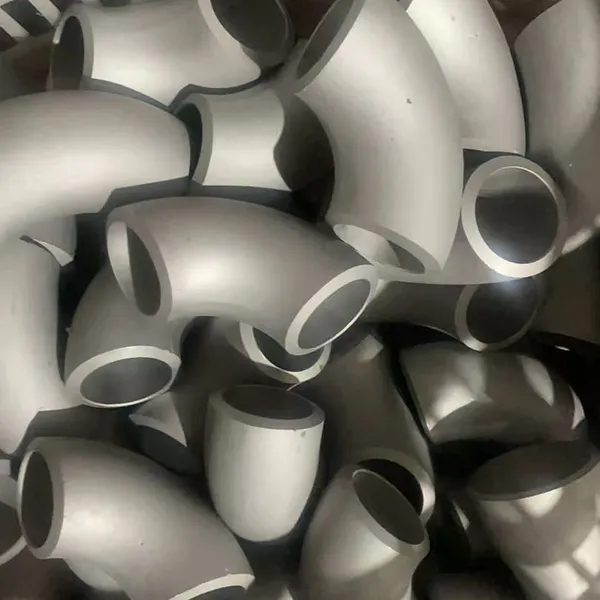
 Stainless Steel Elbow Welded Elbow 45/90/180-degree Seamless Pressed Elbow Long Radius Elbow Short Radius Elbow WholesaleNegotiableMOQ: 1 Piece
 -
316L/1.4405 Seamless Stainless Steel PipeNegotiableMOQ: 2 Meters
-
310s 440 Seamless Sanitary Piping Price 321 904l 201 20 Inch Seamless Steel Pipe A554 Stainless Steel PipeNegotiableMOQ: 1 Piece
-
China Brand ZZ Wholesale 304L 316 316L Welded Austenitic Piping Stainless Steel Pipe SupplierNegotiableMOQ: 2 Meters
-
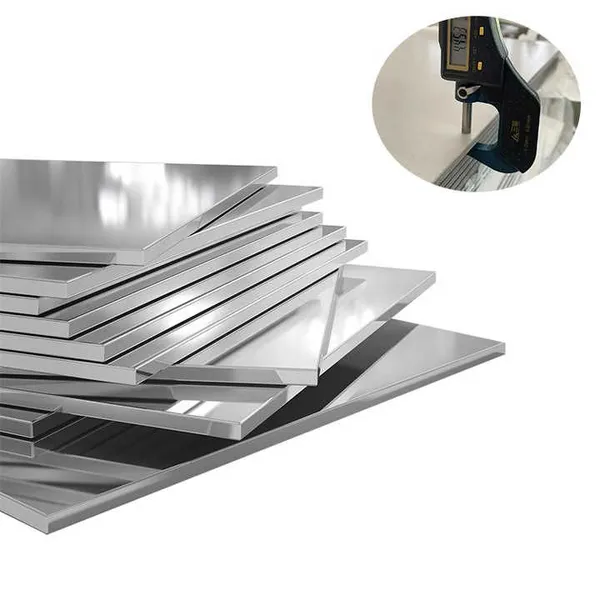
304/304L/316/409/410/904L/2205/2507/310H Premium Stainless Steel Sheets Supplier Custom Sizes & FinishesUS$ 1.72MOQ: 1 Ton
-
Stainless Steel ASME B16.9 Sch 45 90 Degree Pipe Fittings ElbowUS$ 8MOQ: 1 Piece
-
China Brand Zz 304L 316/316L GB En JIS Standard Thin Wall Welded Stainless Steel Water Pipe/TubeNegotiableMOQ: 2 Meters
-
BA 4 Inch 6 Inch 8 Inch 201 304 304L 316 316L Welded Seamless Stainless Steel PipeNegotiableMOQ: 2 Meters
-
ASME B36.19M-2004 SCH40S Stainless Steel Pipe - Complies With EU 3.1 CertificationUS$ 1 - 650MOQ: 1 Piece
-
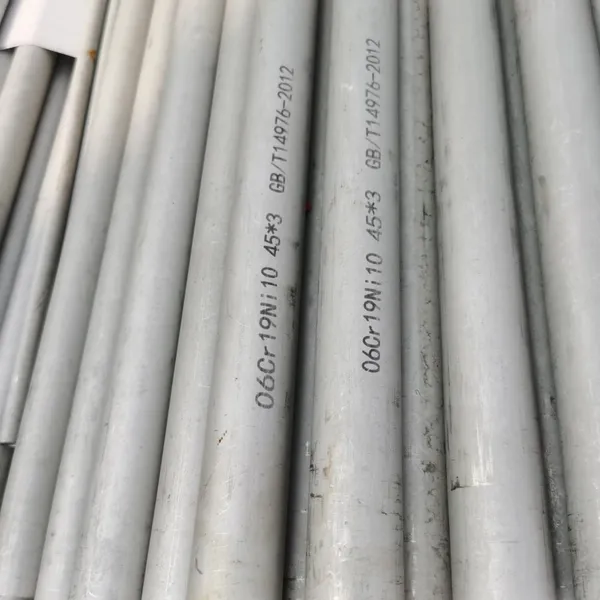
Factory TP309/TP309S/TP309H (UNS30900) Seamless Stainless Steel Pipe and Tube for Boiler BafflesUS$ 8MOQ: 200 Kilograms
-
TP347/TP347H/1.4961/S34709 Seamless Stainless Steel Pipe for UseNegotiableMOQ: 2 Meters
-
China 304 316 Stainless Steel Sanitary Welded Tube Food Grade Sanitary Grade Welded Pipe PolishingNegotiableMOQ: 1 Piece
-
China Manufacture Stainless Steel 316L Ba Seamless Welded Steel Pipe TubesUS$ 1760 - 1860MOQ: 5 Tons
-
316L/1.4405 Seamless Stainless Steel PipeNegotiableMOQ: 2 Meters
-
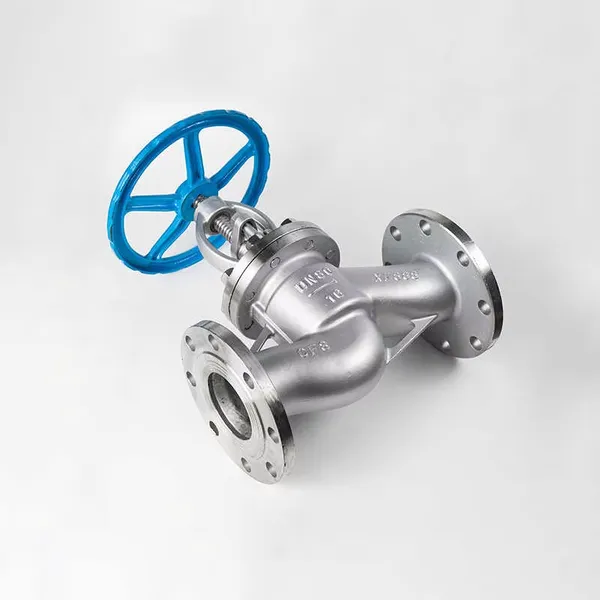
Stainless Steel Globe Valve – High Durability & Corrosion ResistanceNegotiableMOQ: 1 Piece
-
1.4529 Stainless Steel Flat Plate for Chemical Processing EquipmentUS$ 25 - 35MOQ: 1 Kilogram
-
Color Coated Steel Panels for Warehouse Partition Walls (Fireproof Grade)US$ 1 - 1.2MOQ: 50 Kilograms
-
Custom Width (600mm-1250mm) Colored Steel Coil With Scratch ResistanceUS$ 1 - 1.2MOQ: 50 Kilograms
-
0.5mm-3.0mm Colored Coated Steel Sheet With PVDF/Polyester CoatingUS$ 1 - 1.2MOQ: 50 Kilograms
-
JIS G 3322 Compliant Colored Coils With Third-Party Inspection ReportUS$ 1 - 1.2MOQ: 50 Kilograms