
 Business License

How to select the appropriate sanitary-grade stainless steel pipe material based on specific require
The core logic behind choosing stainless steel pipes for hygiene purposes is "first match the core risks (corrosion, pressure) of the usage scenario, then balance cost and compliance". It can be carried out in four steps: "determine the corrosive environment → confirm the pressure and temperature → calculate the cost → verify compliance", ensuring that the material is perfectly suitable for the requirements.
Step 1: Prioritize the assessment of "corrosive environment" - the core basis for material selection
Corrosion is the main cause of failure for sanitary pipes. It is necessary to determine the type of corrosion based on the medium that the pipe comes into contact with (food raw materials, cleaning agents, disinfectants). This directly corresponds to the material:
Scenario 1: Contact with ordinary weak acids and bases / water (without chloride ions)
Example media: Drinking water, milk, juice, beer, ordinary sugar solutions, cleaning agents are neutral or weakly alkaline (such as baking soda solution).
Core requirement: Basic corrosion resistance, no risk of chloride ion erosion.
Recommended material: 304 stainless steel. It has the highest cost-effectiveness and can meet the corrosion resistance requirements for such scenarios, and is easy to polish and meets basic hygiene standards.
Forbidden materials: There is no need to choose 316L or higher (cost waste), duplex steel has excessive strength.
Scene 2: Contact with Chloride Ions / Moderately Corrosive Media
Media Examples: Seafood processing (salt water, seawater), pickled foods (high-salt soy sauce, vinegar), post-sterilization cleaning agents for dairy products (chlorine-based disinfectants such as sodium hypochlorite), acidic raw materials (citric acid, dilute phosphoric acid).
Core Requirements: Resistance to chloride point corrosion, resistance to moderately corrosive media.
Recommended Material: 316L Stainless Steel. Molybdenum can effectively inhibit the erosion of chloride ions on the pipe surface. The low-carbon design avoids intergranular corrosion after welding, making it the mainstream choice for the "corrosion-resistant upgrade version" in the food industry.
Forbidden Materials: 304
Scene 3: Exposure to high-concentration corrosive media / extreme environments
Example of media: High-salt seasonings (pickled vegetable brine), food additives (weak hydrochloric acid, high-concentration citric acid), long-term exposure to strong oxidants (hydrogen peroxide solution).
Core requirement: Superb corrosion resistance, capable of withstanding high concentrations of chloride ions or moderately strong acids.
Recommended material: 317L stainless steel. The molybdenum content (3%-4%) is higher than that of 316L, making it more corrosion-resistant. It is only used in extreme corrosive scenarios (rarely used in ordinary food industries).
Alternative option: If there is also a need for high pressure, a molybdenum-containing duplex steel (such as 2507) can be selected, which combines corrosion resistance with high strength.
Step 2: Confirm "Pressure + Temperature" - Eliminate performance shortcomings of materials
The mechanical strength and temperature tolerance range of different materials vary. It is necessary to select based on the working pressure and medium temperature of the pipeline:
High-pressure scenarios (working pressure > 1.6 MPa)
Application examples: High-pressure sterilization equipment pipelines (such as UHT ultra-high temperature instantaneous sterilization machines), high-pressure homogenizers connection pipes.
Core requirement: High strength, resistance to pressure deformation.
Recommended material: Duplex steel (such as 2205). The tensile strength (≈ 800 MPa) is more than 1.5 times that of 304/316L, the pressure resistance performance far exceeds austenitic stainless steel, and it can withstand chloride ion corrosion.
Forbidden material: 304/316L (insufficient strength, prone to creep or leakage in long-term high pressure).
Extremely high temperature scenarios
Low-temperature scenarios (medium temperature <-50℃): such as low-temperature brine pipelines in frozen food processing, recommended 304/316L (good low-temperature toughness), prohibited use of duplex steel (brittle fracture is prone at low temperatures).
High-temperature scenarios (medium temperature > 450℃): such as steam pipelines for high-temperature baking equipment, recommended 316L (higher stability at high temperatures than 304), avoid using 317L (significant decrease in high-temperature strength).
Step 3: Calculate "Cost" - Avoid Over-Specification
The costs of different materials vary significantly. Under the premise of meeting performance requirements, costs should be controlled to avoid "choosing expensive but the wrong ones":
Cost ranking (from lowest to highest): 304 stainless steel Cost balance principle: For non-chlorine-containing and non-high-pressure scenarios, 304 is preferred (lowest cost, sufficient performance). For chlorine-containing but not extreme scenarios, 316L is chosen (best cost performance, mainstay in the food industry for corrosion resistance). Only for extreme corrosion scenarios (such as high-concentration hydrochloric acid) is 317L selected (to avoid an increase in cost of over 30% due to blind upgrading). Step 4: Verify "Compliance" - Ensure compliance with food industry standards Food-grade pipes must be certified as food-contact materials to prevent heavy metals (such as lead and cadmium) from leaching into the food: Core certification standards: International standards: FDA (US Food and Drug Administration) certification, EU 10/2011 (EU Food Contact Materials Regulation). Industry standards: 3A hygiene standards (for the dairy and beverage industries, with higher requirements for surface polishing and material purity). Verification requirements: During procurement, suppliers are required to provide material reports (such as MTR material certificates), confirm material composition (such as the carbon content of 316L ≤ 0.03%) and certification documents, and avoid using "non-standard materials" (such as using 201 stainless steel to pass off as 304, which is prone to rust and has excessive manganese content).
Recently Posted
-
Does the stainless steel welded pipe have specific temperature requirements during the solution heat
January 20, 2026Solution heat treatment involves heating stainless steel to a high temperature and then rapidly cooling it to achieve an oversatur Read More
 -
Can stainless steel welded pipes be made into thick pipes
January 20, 2026With the improvement of high-quality welding technology and increasingly strict weld inspection, the application fields of s Read More
 -
Three types of commonly available food-grade stainless steel on the market
January 20, 2026The common food-grade stainless steel pipes are mainly composed of iron, chromium and carbon and other elements. Household stainle Read More
 -
What are the requirements for stainless steel welding pipe production equipment
January 20, 2026As is well known, stainless steel welded pipes have been widely used in various industries such as machinery, chemical engineering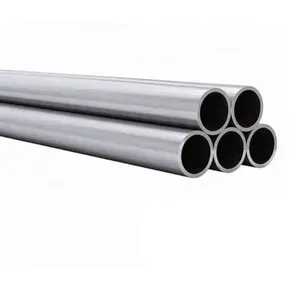 Read More

Contact Us
Recommended Products
-
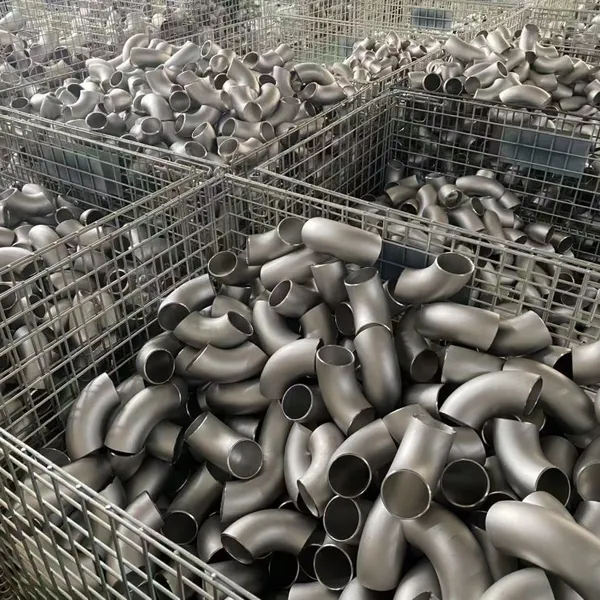
 Stainless Steel Elbow Welded Elbow 45/90/180-degree Seamless Pressed Elbow Long Radius Elbow Short Radius Elbow WholesaleNegotiableMOQ: 1 Piece
 -
316L/1.4405 Seamless Stainless Steel PipeNegotiableMOQ: 2 Meters
-
310s 440 Seamless Sanitary Piping Price 321 904l 201 20 Inch Seamless Steel Pipe A554 Stainless Steel PipeNegotiableMOQ: 1 Piece
-
China Brand ZZ Wholesale 304L 316 316L Welded Austenitic Piping Stainless Steel Pipe SupplierNegotiableMOQ: 2 Meters
-
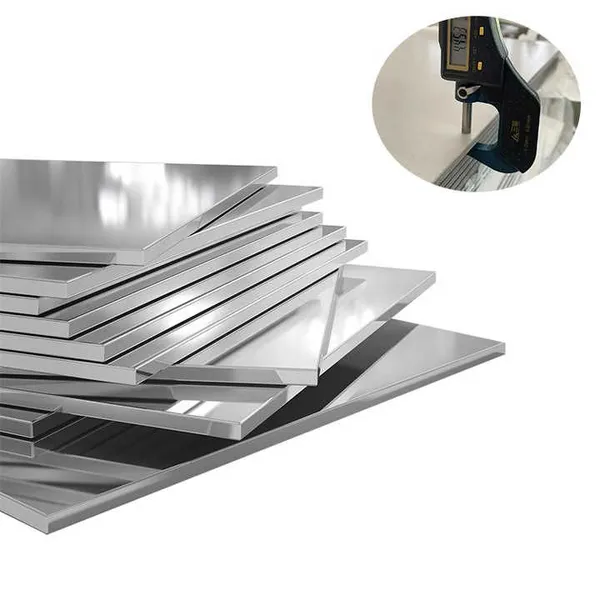
304/304L/316/409/410/904L/2205/2507/310H Premium Stainless Steel Sheets Supplier Custom Sizes & FinishesUS$ 1.72MOQ: 1 Ton
-
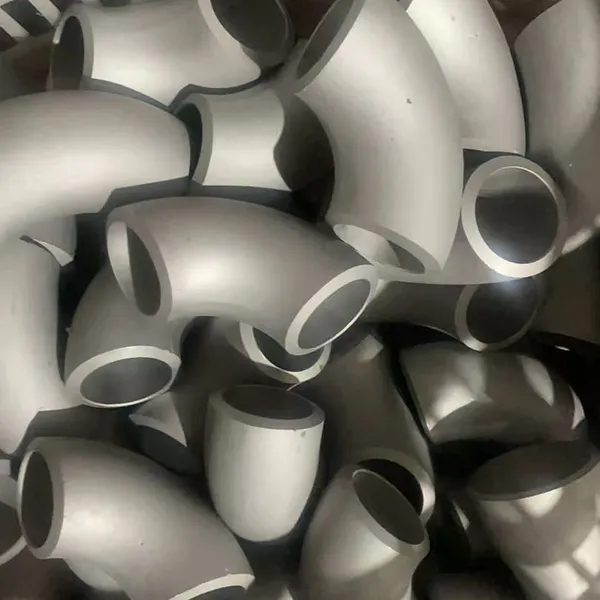
Stainless Steel ASME B16.9 Sch 45 90 Degree Pipe Fittings ElbowUS$ 8MOQ: 1 Piece
-
China Brand Zz 304L 316/316L GB En JIS Standard Thin Wall Welded Stainless Steel Water Pipe/TubeNegotiableMOQ: 2 Meters
-
BA 4 Inch 6 Inch 8 Inch 201 304 304L 316 316L Welded Seamless Stainless Steel PipeNegotiableMOQ: 2 Meters
-
ASME B36.19M-2004 SCH40S Stainless Steel Pipe - Complies With EU 3.1 CertificationUS$ 1 - 650MOQ: 1 Piece
-
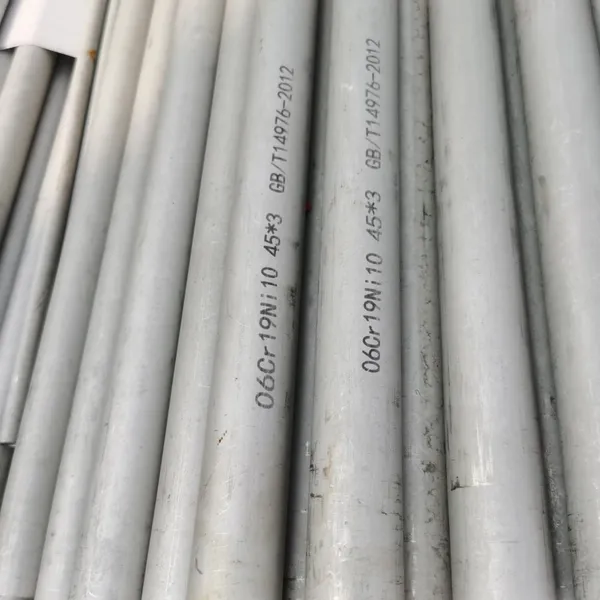
Factory TP309/TP309S/TP309H (UNS30900) Seamless Stainless Steel Pipe and Tube for Boiler BafflesUS$ 8MOQ: 200 Kilograms
-
TP347/TP347H/1.4961/S34709 Seamless Stainless Steel Pipe for UseNegotiableMOQ: 2 Meters
-
China 304 316 Stainless Steel Sanitary Welded Tube Food Grade Sanitary Grade Welded Pipe PolishingNegotiableMOQ: 1 Piece
-
China Manufacture Stainless Steel 316L Ba Seamless Welded Steel Pipe TubesUS$ 1760 - 1860MOQ: 5 Tons
-
316L/1.4405 Seamless Stainless Steel PipeNegotiableMOQ: 2 Meters
-
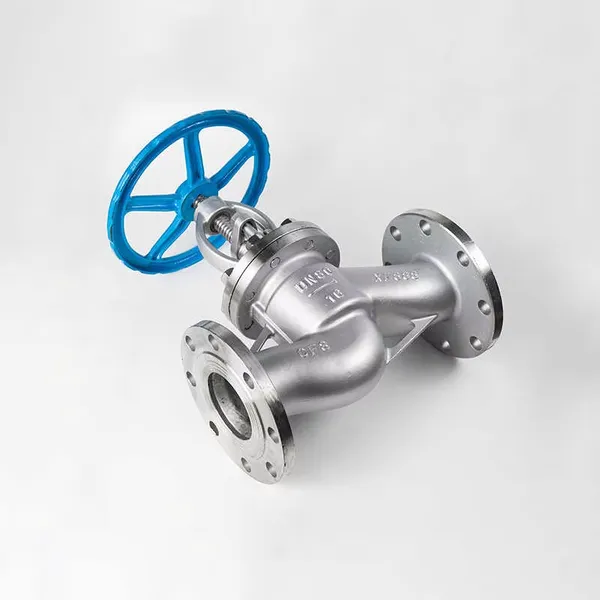
Stainless Steel Globe Valve – High Durability & Corrosion ResistanceNegotiableMOQ: 1 Piece
-
1.4529 Stainless Steel Flat Plate for Chemical Processing EquipmentUS$ 25 - 35MOQ: 1 Kilogram
-
Color Coated Steel Panels for Warehouse Partition Walls (Fireproof Grade)US$ 1 - 1.2MOQ: 50 Kilograms
-
Custom Width (600mm-1250mm) Colored Steel Coil With Scratch ResistanceUS$ 1 - 1.2MOQ: 50 Kilograms
-
0.5mm-3.0mm Colored Coated Steel Sheet With PVDF/Polyester CoatingUS$ 1 - 1.2MOQ: 50 Kilograms
-
JIS G 3322 Compliant Colored Coils With Third-Party Inspection ReportUS$ 1 - 1.2MOQ: 50 Kilograms