
 Business License

What are the application cases of stainless steel seamless pipes in plateau areas
Stainless steel seamless pipes, due to their excellent low-temperature toughness, corrosion resistance and dimensional stability, have formed a mature application system in the fields of energy, chemical industry, healthcare, and infrastructure in plateau regions. The following are typical application cases and technical compatibility analyses that are adapted to the characteristics of the plateau environment:
I. Energy Transportation Field: Adapted to High Altitude, Low Temperature and High Pressure Conditions
1. Liquefied Natural Gas (LNG) Transportation Pipeline
Project Background: The natural gas transportation project in the Qinghai-Xizang Plateau (such as the extension of the Qinghai-Xizang Line) uses stainless steel seamless pipes that comply with the GB/T 38810-2020 standard for the long-distance transportation of -162℃ ultra-low temperature LNG.
Technical Adaptation:
Material Selection: 022Cr17Ni12Mo2 (316L) stainless steel is used, with a -40℃ impact energy of ≥35J, meeting the requirements for anti-cracking in the extreme low temperature of the plateau at night;
Process Optimization: High-precision pipe materials manufactured by cold drawing (outer diameter tolerance ±0.1mm), combined with double compression-type connections (sealing rubber rings with a temperature range of -50℃ to 150℃), ensuring the sealing performance in low-pressure environments;
Testing Standards: Pressure tests at -196℃ liquid nitrogen simulation conditions (test pressure 1.5 times nominal pressure) are conducted for each pipe, and intergranular corrosion tests (GB/T 4334.5) are passed.
2. Hydropower Station Pressure Pipeline
Project Background: The mechanical installation project of Lava Waterfall Hydropower Station (at an altitude of 2800 meters) purchased 840 tons of stainless steel seamless pipes and pipe fittings for the high-pressure water supply system and precise hydraulic pipelines.
Technical Adaptation:
Material Strength: 06Cr17Ni12Mo2 (316L) is selected, with tensile strength ≥515MPa, capable of withstanding a 500-meter water head pressure (approximately 5MPa);
Anti-Corrosion Design: The elbow parts are formed by hot extrusion (mold accuracy ±0.03mm), with the inner wall polished to Ra ≤0.8μm, reducing the wear of the pipe wall by sand-containing water flow;
Installation Verification: Laser alignment instruments (accuracy ±0.05mm) are used for on-site assembly, and 100% radiographic testing of welds (GB/T 3323Ⅱ grade qualified) is conducted.
II. Chemical and Mining Fields: Addressing High Corrosion and Complex Media
1. Salt Lake Chemical Medium Transportation
Project Background: The lithium extraction project in Qaidam Salt Lake in Qinghai uses 316L stainless steel seamless pipes to transport brine solutions with high concentrations of Cl⁻ (>10,000 ppm).
Technical Adaptation:
Corrosion Resistance Enhancement: The pipes are formed by hot extrusion (grain size ≥ 7 levels), combined with acid washing and passivation (passivation film thickness ≥ 0.8 μm), and passed the 1500-hour neutral salt spray test;
Stress Corrosion Resistance: Solution treatment (1050°C water cooling) eliminates cold working stress, intergranular corrosion sensitivity index (EPR value) ≤ 0.2 μA/cm²;
Connection Innovation: Adopt the "socket welding + fluoroplastic sealing" combination to avoid the risk of gap corrosion in traditional threaded connections.
2. Urea Synthesis High-Pressure Pipeline
Project Background: The 1050-ton per day urea production plant in Zepu Petrochemical Factory (at an altitude of 1200 meters) uses 316L urea-grade stainless steel seamless pipes to transport high-temperature and high-pressure ammonium carbamate solutions.
Technical Adaptation:
Material Modification: Add Mo (2.2~3.0%) and N (≤0.22%), enhancing the resistance to pitting corrosion (PREN value ≥ 32);
Welding Process: Use R25.22.2LMN welding wire (Cr25-Ni22-Mo2), with the ferrite content of the weld seam controlled below 0.6%, to avoid intergranular corrosion;
Construction Control: Prefabricated workshops are laid with asbestos boards without Cl⁻ to prevent surface contamination of the pipes, which could lead to local corrosion.
III. Medical and Livelihood Fields: Ensuring Cleanliness and Safety
1. High-altitude Oxygen Supply Cabin Oxygen Supply System
Technical Adaptation:
Cleanliness Requirements: The inner wall of the pipe is electro-etched polishing to Ra ≤ 0.2 μm, and the carbon residue is ≤ 20 mg/m², in accordance with GB 50751-2012 "Medical Gas Engineering Technical Specifications";
Anti-magnetic Interference: Select non-magnetic stainless steel (such as 06Cr19Ni10) to avoid magnetic interference to medical equipment (such as MRI);
Installation Convenience: Adopt modular compression connection, with a single pipe segment installation time of ≤ 15 minutes, suitable for rapid deployment requirements in high-altitude areas.
2. High-altitude Hospital Medical Gas Pipeline
Technical Adaptation:
Decontamination Treatment: The pipes undergo carbon tetrachloride decontamination (oil residue ≤ 1 mg/m²) before leaving the factory to avoid the risk of oxygen explosion upon contact with oil;
Seismic Design: Use "Ω-type compensator + spring support", to absorb the pipe displacement in the high-altitude earthquake-prone area (maximum allowable displacement ± 15 mm);
Testing Standards: The system as a whole undergoes helium mass spectrometry leak detection (leak rate ≤ 1 × 10⁻⁹ Pa·m³/s) to ensure air tightness.
IV. Infrastructure and Transportation Field: Balancing Durability and Construction Efficiency
1. Precise Sanitary Pipes for the Sichuan-Tibet Railway
Project Background: China Communications Second Highway Bureau purchased 304 grade sanitary stainless steel pipes for the Bumie section of the Sichuan-Tibet Railway, which were used for the transportation of drinking water and clean water at the stations.
Technical Adaptation:
Sanitary Standards: The inner wall roughness of the pipe material should be Ra ≤ 0.4 μm, meeting the hygiene grade requirements of GB/T 12771-2019 "Stainless Steel Welded Pipes for Fluid Transportation";
Anti-freezing Design: Electric heating is used for insulation (maintaining water temperature ≥ 5°C), combined with a polyurethane foam outer protective layer (thermal conductivity ≤ 0.025 W/(m・K));
Transport Protection: Rubber caps are added at both ends of the pipe material, and shock foam is wrapped to reduce the risk of pipe mouth deformation caused by the vibration of high-altitude transportation.
2. Supporting Pipes for High-Altitude Bridge Structures
Project Background: A certain special bridge of the Qinghai-Tibet Railway used 304L stainless steel seamless pipes as the landscape guardrail and maintenance passage support.
Technical Adaptation:
Weather Resistance: The surface is sprayed with fluorocarbon coating (thickness ≥ 50 μm), with a UV aging resistance level reaching GB/T 1865 5 (no powdering after 1000 hours);
Lightweight Design: Thin-walled cold-rolled pipes (wall thickness 3 mm) are used, reducing weight by 40% compared to carbon steel, while meeting the requirements of wind load (1.2 kPa) and pedestrian load (3 kN/m);
Connection Technology: Friction welding is used for connection (weld seam strength ≥ 95% of the base material), avoiding welding quality risks in the low-temperature environment of high-altitude areas.
V. Special Environment Applications: Overcoming Limitations of Extreme Conditions
1. High-altitude Communication Base Station Anti-magnetic Pipeline
Project Background: Communication base stations in the Sanjiangyuan area of Qinghai Province use non-magnetic stainless steel seamless pipes as protective sleeves for signal cables.
Technical Adaptation:
Electromagnetic Compatibility: The magnetic permeability of the pipe material is ≤ 1.003, avoiding interference to the signal of the base station antenna (attenuation ≤ 0.5 dB);
Wind Resistance Design: An elliptical cross-section pipe (long diameter to short diameter ratio of 1.5:1) is used, reducing the wind load coefficient by 20%, capable of withstanding winds above level 8 in the high-altitude region;
Installation Method: Snap-fit quick installation (installation time for a single pipe ≤ 5 minutes), reducing the manual effort in the high-altitude hypoxic environment.
2. High-altitude Photovoltaic Power Station Convergence Pipeline
Technical Adaptation:
Thermal Expansion Compensation: A corrugated compensator is used (compensation amount ±20mm), adapting to the thermal expansion and contraction caused by a 30°C temperature difference between day and night;
Corrosion Prevention Design: The inner wall is coated with polytetrafluoroethylene (PTFE) (thickness 0.3mm), resistant to long-term erosion by photovoltaic cooling fluid (glycerol solution);
Fluid Optimization: Internal wall polishing (Ra ≤ 0.8μm) and large curvature elbows (R = 3D) are adopted to reduce the friction loss (pressure drop ≤ 0.1MPa).
VI. Application Trends and Selection Suggestions
Material Upgrade Direction:
For high-altitude areas with strong ultraviolet radiation, copper-containing stainless steel (such as 316Cu) should be preferred, with a 30% improvement in corrosion resistance;
For extreme corrosive environments such as salt lakes, duplex stainless steel (such as 2205) can be used, with Cl⁻ concentration resistance increased to 20,000 ppm.
Process Innovation:
Laser cladding technology (WC-Co coating) is used for severely worn parts (such as elbows in hydropower stations), extending the lifespan by more than 5 times;
3D-printed customized pipe fittings (such as angled three-way fittings) reduce the difficulty of on-site processing in high-altitude areas.
Economic Comparison:
Although the initial cost of stainless steel pipes is 40% higher than that of carbon steel pipes, the total life-cycle maintenance cost is reduced by 60% (in high-altitude environments, the annual corrosion rate of carbon steel is ≥ 0.2mm, while that of stainless steel is ≤ 0.01mm).
Recently Posted
-
Does the stainless steel welded pipe have specific temperature requirements during the solution heat
January 20, 2026Solution heat treatment involves heating stainless steel to a high temperature and then rapidly cooling it to achieve an oversatur Read More
 -
Can stainless steel welded pipes be made into thick pipes
January 20, 2026With the improvement of high-quality welding technology and increasingly strict weld inspection, the application fields of s Read More
 -
Three types of commonly available food-grade stainless steel on the market
January 20, 2026The common food-grade stainless steel pipes are mainly composed of iron, chromium and carbon and other elements. Household stainle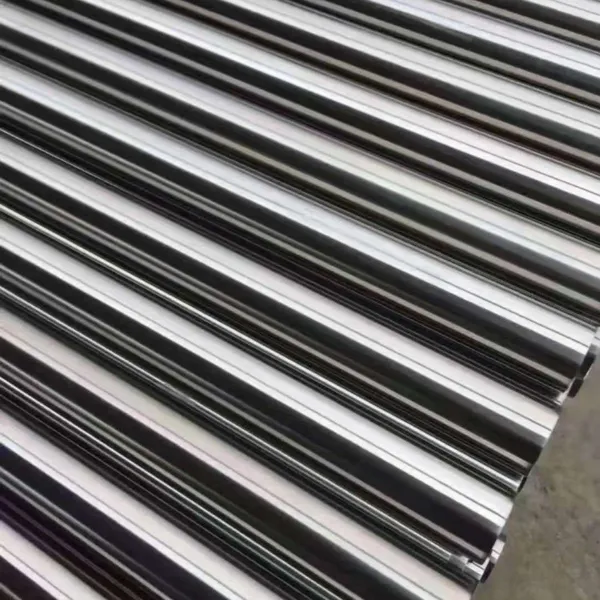 Read More
 -
What are the requirements for stainless steel welding pipe production equipment
January 20, 2026As is well known, stainless steel welded pipes have been widely used in various industries such as machinery, chemical engineering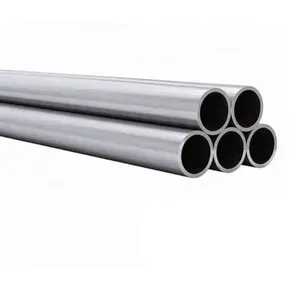 Read More

Contact Us
Recommended Products
-
 Stainless Steel Elbow Welded Elbow 45/90/180-degree Seamless Pressed Elbow Long Radius Elbow Short Radius Elbow WholesaleNegotiableMOQ: 1 Piece
 -
316L/1.4405 Seamless Stainless Steel PipeNegotiableMOQ: 2 Meters
-
310s 440 Seamless Sanitary Piping Price 321 904l 201 20 Inch Seamless Steel Pipe A554 Stainless Steel PipeNegotiableMOQ: 1 Piece
-
China Brand ZZ Wholesale 304L 316 316L Welded Austenitic Piping Stainless Steel Pipe SupplierNegotiableMOQ: 2 Meters
-
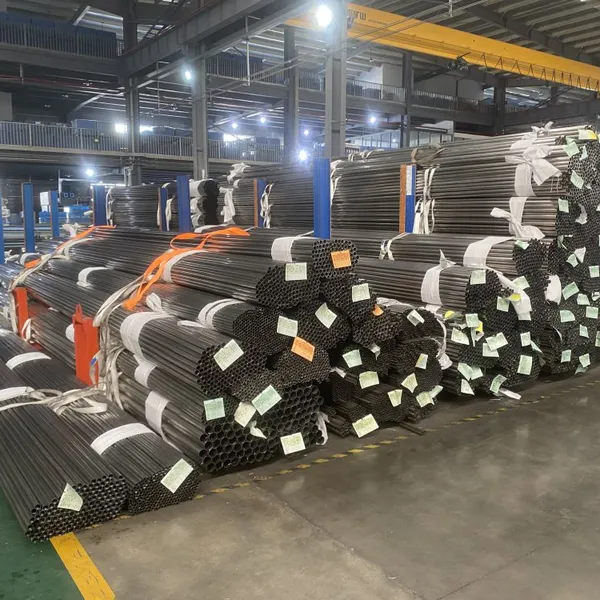
304/304L/316/409/410/904L/2205/2507/310H Premium Stainless Steel Sheets Supplier Custom Sizes & FinishesUS$ 1.72MOQ: 1 Ton
-
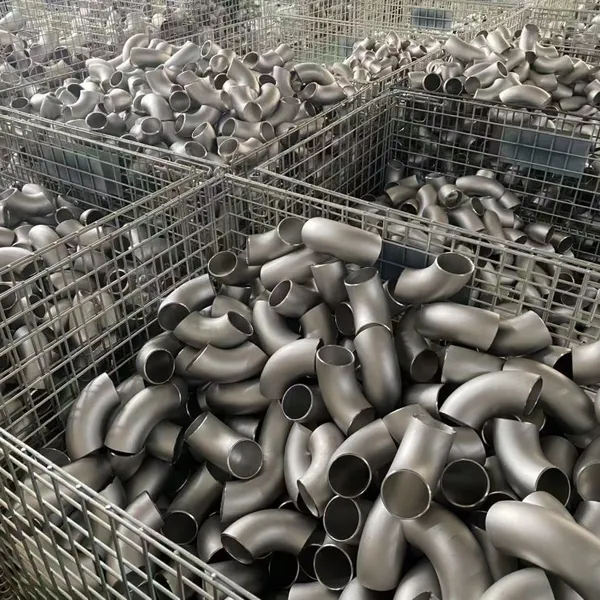
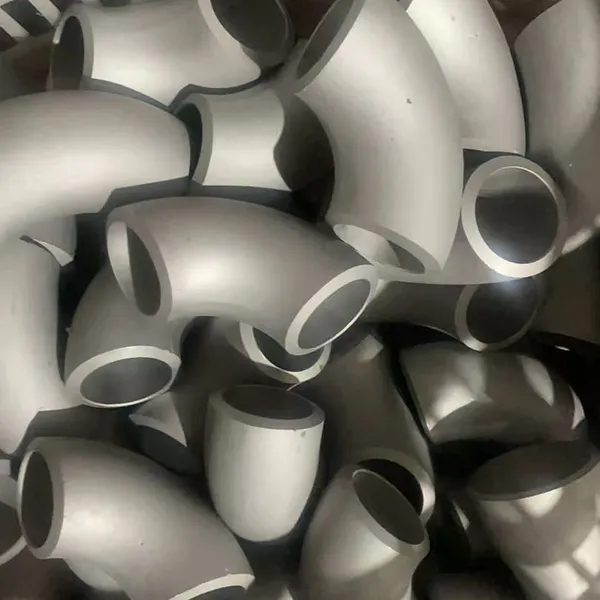
Stainless Steel ASME B16.9 Sch 45 90 Degree Pipe Fittings ElbowUS$ 8MOQ: 1 Piece
-
China Brand Zz 304L 316/316L GB En JIS Standard Thin Wall Welded Stainless Steel Water Pipe/TubeNegotiableMOQ: 2 Meters
-
BA 4 Inch 6 Inch 8 Inch 201 304 304L 316 316L Welded Seamless Stainless Steel PipeNegotiableMOQ: 2 Meters
-
ASME B36.19M-2004 SCH40S Stainless Steel Pipe - Complies With EU 3.1 CertificationUS$ 1 - 650MOQ: 1 Piece
-
Factory TP309/TP309S/TP309H (UNS30900) Seamless Stainless Steel Pipe and Tube for Boiler BafflesUS$ 8MOQ: 200 Kilograms
-
TP347/TP347H/1.4961/S34709 Seamless Stainless Steel Pipe for UseNegotiableMOQ: 2 Meters
-
China 304 316 Stainless Steel Sanitary Welded Tube Food Grade Sanitary Grade Welded Pipe PolishingNegotiableMOQ: 1 Piece
-
China Manufacture Stainless Steel 316L Ba Seamless Welded Steel Pipe TubesUS$ 1760 - 1860MOQ: 5 Tons
-
316L/1.4405 Seamless Stainless Steel PipeNegotiableMOQ: 2 Meters
-
Stainless Steel Globe Valve – High Durability & Corrosion ResistanceNegotiableMOQ: 1 Piece
-
1.4529 Stainless Steel Flat Plate for Chemical Processing EquipmentUS$ 25 - 35MOQ: 1 Kilogram
-
Color Coated Steel Panels for Warehouse Partition Walls (Fireproof Grade)US$ 1 - 1.2MOQ: 50 Kilograms
-
Custom Width (600mm-1250mm) Colored Steel Coil With Scratch ResistanceUS$ 1 - 1.2MOQ: 50 Kilograms
-
0.5mm-3.0mm Colored Coated Steel Sheet With PVDF/Polyester CoatingUS$ 1 - 1.2MOQ: 50 Kilograms
-
JIS G 3322 Compliant Colored Coils With Third-Party Inspection ReportUS$ 1 - 1.2MOQ: 50 Kilograms