
 Business License

Which manufacturing processes for stainless steel seamless pipes are suitable for use in high-altitu
For stainless steel seamless pipes used in plateau areas, the manufacturing process should focus on achieving four core goals: enhancing low-temperature toughness, ensuring corrosion resistance, controlling dimensional accuracy, and eliminating internal defects. It must also meet the high requirements of the plateau environment for the mechanical properties, anti-aging ability, and reliability of the pipe materials. The following are the core manufacturing processes and key control steps that are suitable for this application:
I. Core Forming Process: Determines the Basic Performance of the Pipe
The forming process of stainless steel seamless pipes directly affects their grain structure, mechanical properties, and internal quality. It is necessary to select an appropriate process based on the diameter, wall thickness, and material (such as 304L, 316L) of the pipes for high-altitude applications. The mainstream processes include the following three types:
1. Hot-Rolling Process
Process Principle:
Using stainless steel round billets as raw materials, after heating (1100℃~1250℃, the austenitization temperature range), through the process of "punching with a perforator → rolling with a continuous rolling machine → sizing with a sizing machine → cooling and straightening", large-diameter, thick-walled seamless pipes are made.
Core advantages for high-altitude applications:
Excellent low-temperature toughness: During hot rolling, the metal grains are fully refined (forming uniform austenite grains), which can reduce the "brittle tendency" at low temperatures. The -40℃ impact energy (AKV) of 304L hot-rolled pipes can be stably reached above 35J, far exceeding the requirements for low-temperature cracking prevention in high-altitude areas (≥27J).
Strong resistance to high pressure: The wall thickness uniformity of hot-rolled pipes is good (tolerance ≤ ±10%), and the pipe body has no cold work hardening stress, which is suitable for high-pressure fluid transportation (such as natural gas, high-pressure water supply) in medium-high pressure conditions (PN2.5~10MPa).
Application scenarios: High-altitude large-diameter pipelines (outer diameter ≥ 57mm, wall thickness ≥ 3mm), such as long-distance pipelines, large equipment connection pipes.
2. Cold-Rolling/Cold-Drawing Process
Process Principle:
Using hot-rolled pipes as "raw pipes", in a normal temperature environment, through "rolling with a cold rolling machine" (suitable for batch production) or "drawing with a cold drawing machine" (suitable for small diameters), combined with "acid washing → lubrication → annealing" cycle, small-diameter, thin-walled, high-precision seamless pipes are made.
Core advantages for high-altitude applications:
Extremely high dimensional accuracy: Cold rolling/cold drawing can control the outer diameter tolerance ≤ ±0.1mm and the wall thickness tolerance ≤ ±5%, meeting the installation requirements of high-precision equipment (such as instrument pipelines, low-temperature valve connection pipes), reducing sealing leakage caused by dimensional deviations.
Excellent surface quality: The surface roughness (Ra) of the cold-processed pipe can be as low as 0.8μm, without the need for additional polishing to form a uniform passivation film, and has a stronger resistance to high-altitude strong ultraviolet oxidation (the passivation film is less likely to fall off due to surface unevenness).
Key control: After cold processing, bright annealing treatment (950℃~1050℃, inert gas protection) is required to eliminate cold work hardening stress - if not annealed, the pipe will have a decrease in low-temperature toughness (AKV may drop below 20J), unable to cope with low temperatures in high-altitude areas.
Application scenarios: High-altitude small-diameter precision pipelines (outer diameter ≤ 50mm, wall thickness ≤ 2mm), such as automated equipment pipelines, medical / laboratory use pipes.
3. Hot-Extrusion Process
Process Principle:
Heating the stainless steel ingot to a softened state (1000℃~1150℃), through the extrusion machine to "squeeze out" the metal from the mold hole into a pipe blank, and then through sizing and straightening to make a seamless pipe, especially suitable for high-alloy stainless steel (such as 316L, 317L).
Core advantages for high-altitude applications:
Outstanding corrosion resistance: Hot extrusion can avoid "micro cracks" or "exposed inclusions" during the forming process, the uniformity of the pipe body's structure is better than hot rolling (especially for 316L containing molybdenum), and has stronger resistance to chloride ion pitting corrosion in high-altitude salt lake areas (the neutral salt spray test can pass for more than 1500 hours).
Adaptation for difficultly deformable materials: For ultra-low carbon and high-alloy stainless steel (such as 2507 duplex steel) required in harsh high-corrosion environments, hot extrusion can overcome its "difficult-to-roll" characteristic, ensuring the integrity of the pipe body (cold rolling / hot rolling is prone to causing cracking in such materials).
Application scenarios: High-corrosion, high-pressure working conditions (such as salt lake chemical medium transportation pipes, high-temperature steam pipes).
II. Key Supporting Processes: The "Last Mile" for Ensuring Adaptability to the High Altitude Environment
After the forming process, additional supporting processes are required to further optimize the performance of the pipe materials and make up for the shortcomings of the high-altitude environment. The core includes the following three types:
1. Non-destructive Testing Process: Eliminate internal defects
If a leak or fracture occurs in the pipeline at high altitudes, the repair will be extremely difficult. Therefore, strict inspections are needed to identify and eliminate defects:
Ultrasonic Testing (UT): Detect "cracks, inclusions, and layering" inside the pipe body, which must meet the Grade I qualified requirements of GB/T 5777 (without ≥2mm defects) to avoid crack formation due to defect expansion at low temperatures.
Eddy Current Testing (ET): Detect "scratches and pinholes" on the surface and near the surface of the pipe material, especially for high-precision surfaces of cold-rolled pipes, to prevent accelerated oxidation and corrosion of surface defects due to the strong ultraviolet rays at high altitudes.
Hydrostatic Test: Each pipe material needs to undergo a "1.5 times the nominal pressure" hydrostatic test (hold pressure for 30 minutes) to ensure no leakage and to adapt to the internal and external pressure difference conditions under low air pressure at high altitudes.
2. Heat Treatment Process: Optimize toughness and corrosion resistance
Solution Treatment: For low-carbon stainless steels such as 304L and 316L, heat them at 1050℃ - 1100℃ and then quickly cool them with water to dissolve carbides (such as Cr₂₃C₆) in the pipe body, avoiding "intergranular corrosion" (the oxygen is scarce in the high-altitude welding environment, and sensitization zones are prone to form; solution treatment can prevent this in advance).
Low-Temperature Aging Treatment: For pipe materials used at -40℃ or below extreme low temperatures, they need to undergo low-temperature aging at -70℃ - -80℃ (keep at temperature for 2 hours), to release internal stress, stabilize dimensions, and prevent pipe deformation caused by the temperature difference between day and night at high altitudes.
3. Surface Treatment Process: Enhance anti-aging and anti-corrosion properties
Acid Washing and Passivation: Clean the surface of the pipe material with a mixture of nitric acid and hydrofluoric acid, then passivate to form a "Cr₂O₃ passivation film" (thickness ≥ 0.8μm), which improves the salt spray resistance by more than 3 times and can resist the erosion of rain, snow, and salt at high altitudes.
Fluorocarbon Coating (Optional): For outdoor-exposed pipe materials (such as those used for photovoltaic power station supports at high altitudes), apply fluorocarbon coating after passivation (thickness ≥ 50μm), with an ultraviolet aging resistance level up to GB/T 1865 standard's 5th grade (no powdering or cracking after 1000 hours of exposure), extending the service life.
Recently Posted
-
Does the stainless steel welded pipe have specific temperature requirements during the solution heat
January 20, 2026Solution heat treatment involves heating stainless steel to a high temperature and then rapidly cooling it to achieve an oversatur Read More
 -
Can stainless steel welded pipes be made into thick pipes
January 20, 2026With the improvement of high-quality welding technology and increasingly strict weld inspection, the application fields of s Read More
 -
Three types of commonly available food-grade stainless steel on the market
January 20, 2026The common food-grade stainless steel pipes are mainly composed of iron, chromium and carbon and other elements. Household stainle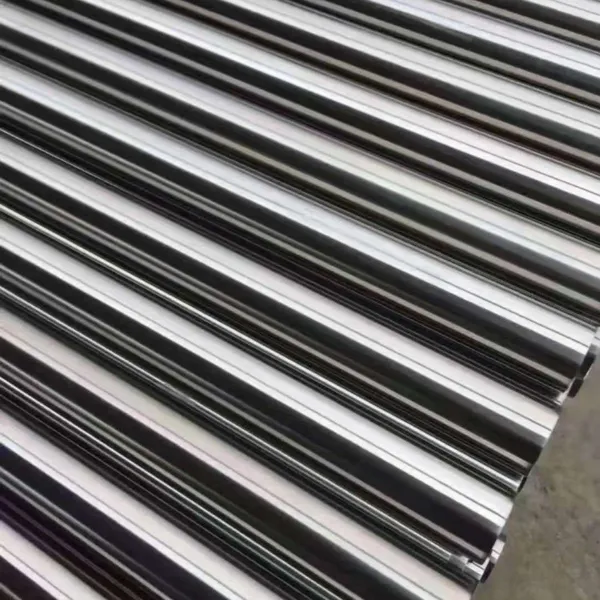 Read More
 -
What are the requirements for stainless steel welding pipe production equipment
January 20, 2026As is well known, stainless steel welded pipes have been widely used in various industries such as machinery, chemical engineering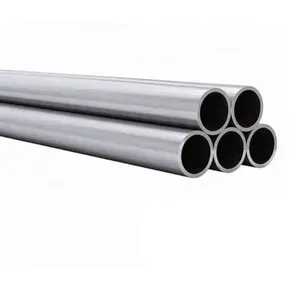 Read More

Contact Us
Recommended Products
-
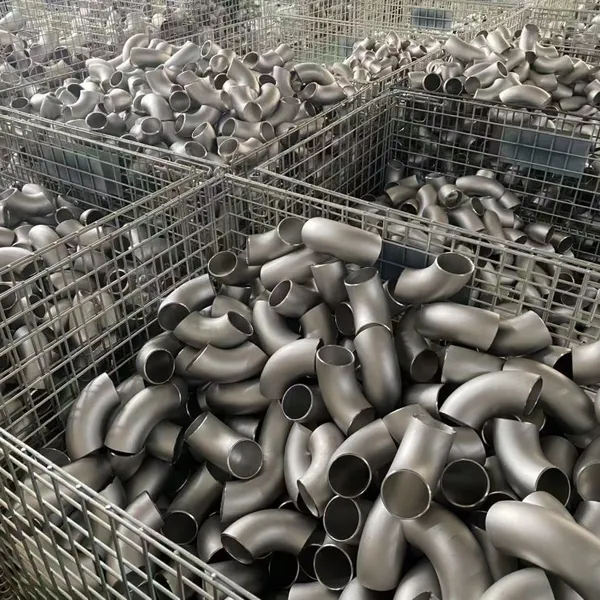
 Stainless Steel Elbow Welded Elbow 45/90/180-degree Seamless Pressed Elbow Long Radius Elbow Short Radius Elbow WholesaleNegotiableMOQ: 1 Piece
 -
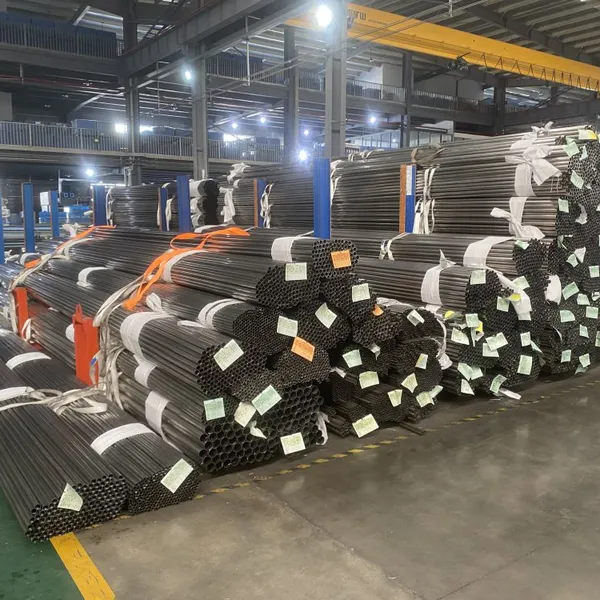
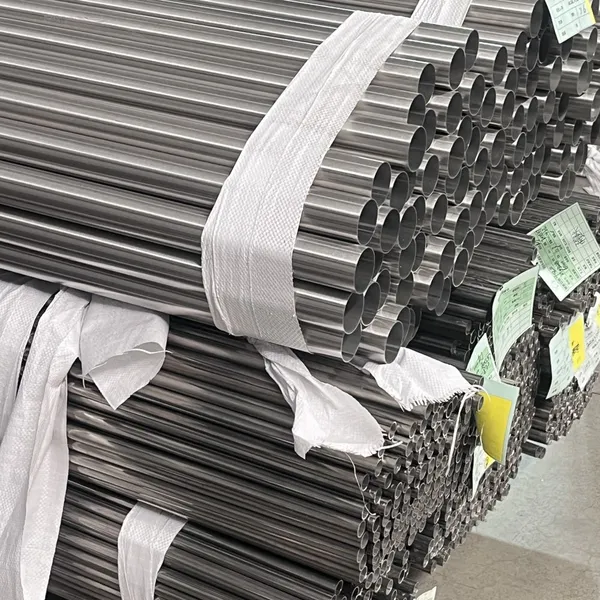
316L/1.4405 Seamless Stainless Steel PipeNegotiableMOQ: 2 Meters
-
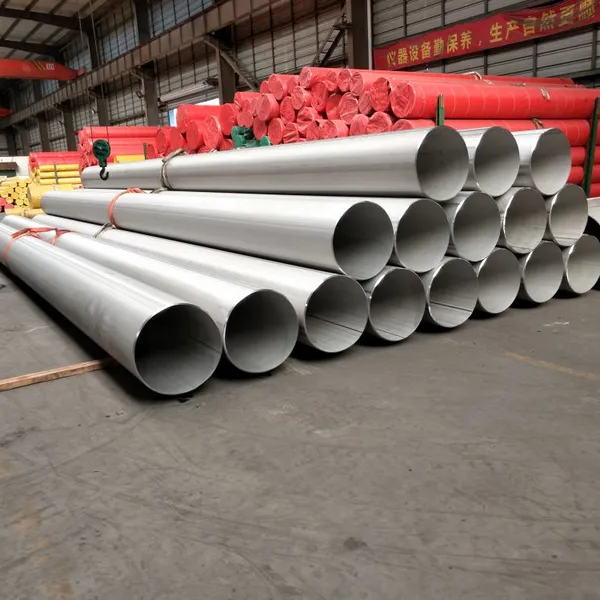
310s 440 Seamless Sanitary Piping Price 321 904l 201 20 Inch Seamless Steel Pipe A554 Stainless Steel PipeNegotiableMOQ: 1 Piece
-
China Brand ZZ Wholesale 304L 316 316L Welded Austenitic Piping Stainless Steel Pipe SupplierNegotiableMOQ: 2 Meters
-
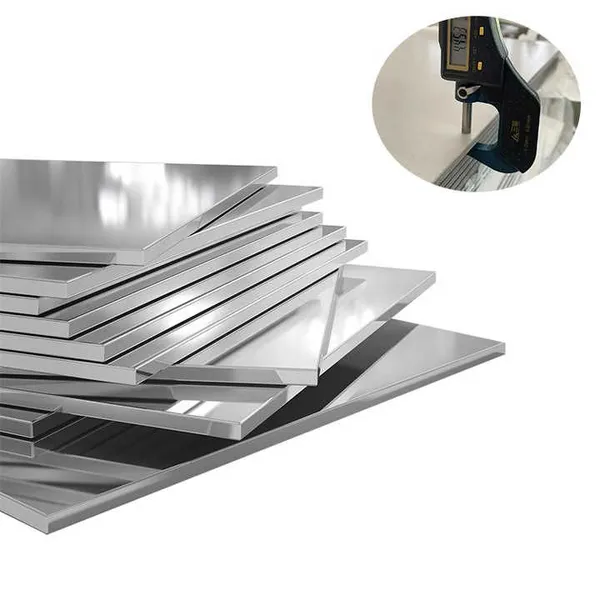
304/304L/316/409/410/904L/2205/2507/310H Premium Stainless Steel Sheets Supplier Custom Sizes & FinishesUS$ 1.72MOQ: 1 Ton
-
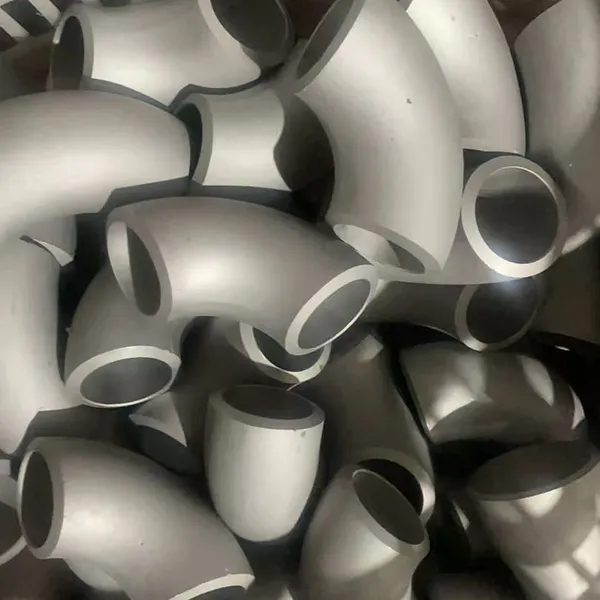
Stainless Steel ASME B16.9 Sch 45 90 Degree Pipe Fittings ElbowUS$ 8MOQ: 1 Piece
-
China Brand Zz 304L 316/316L GB En JIS Standard Thin Wall Welded Stainless Steel Water Pipe/TubeNegotiableMOQ: 2 Meters
-
BA 4 Inch 6 Inch 8 Inch 201 304 304L 316 316L Welded Seamless Stainless Steel PipeNegotiableMOQ: 2 Meters
-
ASME B36.19M-2004 SCH40S Stainless Steel Pipe - Complies With EU 3.1 CertificationUS$ 1 - 650MOQ: 1 Piece
-
Factory TP309/TP309S/TP309H (UNS30900) Seamless Stainless Steel Pipe and Tube for Boiler BafflesUS$ 8MOQ: 200 Kilograms
-
TP347/TP347H/1.4961/S34709 Seamless Stainless Steel Pipe for UseNegotiableMOQ: 2 Meters
-
China 304 316 Stainless Steel Sanitary Welded Tube Food Grade Sanitary Grade Welded Pipe PolishingNegotiableMOQ: 1 Piece
-
China Manufacture Stainless Steel 316L Ba Seamless Welded Steel Pipe TubesUS$ 1760 - 1860MOQ: 5 Tons
-
316L/1.4405 Seamless Stainless Steel PipeNegotiableMOQ: 2 Meters
-
Stainless Steel Globe Valve – High Durability & Corrosion ResistanceNegotiableMOQ: 1 Piece
-
1.4529 Stainless Steel Flat Plate for Chemical Processing EquipmentUS$ 25 - 35MOQ: 1 Kilogram
-
Color Coated Steel Panels for Warehouse Partition Walls (Fireproof Grade)US$ 1 - 1.2MOQ: 50 Kilograms
-
Custom Width (600mm-1250mm) Colored Steel Coil With Scratch ResistanceUS$ 1 - 1.2MOQ: 50 Kilograms
-
0.5mm-3.0mm Colored Coated Steel Sheet With PVDF/Polyester CoatingUS$ 1 - 1.2MOQ: 50 Kilograms
-
JIS G 3322 Compliant Colored Coils With Third-Party Inspection ReportUS$ 1 - 1.2MOQ: 50 Kilograms