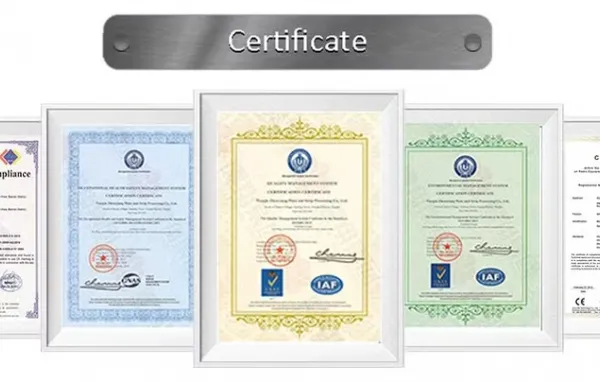

 Business License

What requirements and standards are there for using stainless steel seamless pipes in plateau areas
When using stainless steel seamless pipes in plateau areas, special environmental challenges such as low temperatures, low air pressure, strong ultraviolet rays, potential corrosion (such as rain and snow / salt content) and vibration (such as traffic / wind force) need to be addressed. Therefore, there are clear requirements for the material properties, mechanical indicators, manufacturing accuracy and corrosion resistance of the pipes. At the same time, they must comply with relevant national or industry standards. The following is a detailed explanation of the specific requirements and standards:
I. Core Requirements (Based on the Characteristics of the Plateau Environment)
1. Material Selection: Prioritize low-temperature toughness and corrosion resistance
The plateau experiences significant temperature fluctuations (up to 30°C or more), with extreme winter temperatures dropping to -30°C to -40°C. Strong ultraviolet rays accelerate metal oxidation, and some areas (such as salt lakes and coastal plateaus) have the risk of chloride ion corrosion. Therefore, the material must meet the following requirements:
Low-temperature toughness: Avoid brittle fracture at low temperatures, and select low-carbon stainless steel (such as 304L, 316L), with a carbon content of ≤0.03%, and the low-temperature impact energy (AKV, -40°C) must be ≥27J (in accordance with GB/T 229 "Metal Materials - Vickers Hardness Test Method").
Enhanced corrosion resistance:
Dry plateau areas (such as the hinterland of the Qinghai-Xizang Plateau): 304L can be selected to meet general atmospheric corrosion requirements;
High humidity, snowy or salt lake areas: A 316L or 317L containing molybdenum (Mo) must be chosen, as the molybdenum element can enhance resistance to chloride ion pitting and crevice corrosion. The neutral salt spray test (NSS) must pass for ≥1000 hours without significant corrosion.
Avoiding elements prone to brittle failure: Prohibit the use of inferior stainless steel with excessive sulfur (S) and phosphorus (P), to prevent "cold brittleness" failure at low temperatures.
2. Mechanical Properties: Adapt to low-pressure and pressure conditions
In the low-pressure environment of the plateau, if the pipe material is used for fluid transportation (such as natural gas, water supply and drainage, chemical media), it must withstand internal and external pressure differences, and also be able to withstand external forces such as wind and vehicle vibration. Therefore, the mechanical properties must meet the standards:
Strength indicators: Tensile strength (σb) ≥ 515 MPa, yield strength (σs) ≥ 205 MPa (for 304L, in accordance with GB/T 14976), ensuring the ability to resist tensile and deformation;
Plasticity requirements: Elongation (δ5) ≥ 40%, facilitating slight bending during on-site installation to avoid cracking;
Pressure resistance: Select the corresponding nominal pressure (PN) grade based on the pressure of the transported medium, such as low-pressure pipelines (PN1.0 - 1.6 MPa) and medium-pressure pipelines (PN2.5 - 4.0 MPa). The pipe material must pass a water pressure test (test pressure is 1.5 times the nominal pressure, maintaining pressure for 30 minutes without leakage).
3. Corrosion Resistance and Anti-Aging: Resisting Strong Ultraviolet Radiation and Harsh Weather
Surface treatment: The pipe surface must undergo acid pickling and passivation (forming a Cr₂O₃ passivation film with a thickness of ≥0.5 μm) or bright annealing to reduce the loss of oxide layer; if used in outdoor exposure scenarios, it is recommended to apply fluorocarbon coating (ultraviolet aging resistance grade ≥ 5, in accordance with GB/T 1865).
Intergranular corrosion prevention: Through "intergranular corrosion test after sensitization treatment" (such as the copper sulfate - sulfuric acid test in GB/T 4334.5), prevent intergranular corrosion caused by welding or high-temperature use (the plateau welding environment has thin oxygen, prone to welding defects, and the material's sensitization tendency needs to be controlled in advance).
4. Manufacturing and Dimensional Accuracy: Reducing Installation Hazards
The construction conditions on the plateau are complex, and dimensional deviations of the pipe material can lead to connection leakage or stress concentration. Therefore, strict control is required:
Wall thickness uniformity: The wall thickness tolerance must comply with the "advanced precision" requirements of GB/T 14976 (such as when the outer diameter is ≤108mm, the wall thickness tolerance is ±10%), avoiding local thinning of the wall thickness that leads to pressure failure;
Roundness and straightness: The outer diameter roundness deviation ≤ 0.05 × outer diameter, straightness ≤ 1mm/m, facilitating coaxial alignment for threaded connections or welding. Internal quality: It needs to undergo non-destructive testing, such as ultrasonic testing (UT) to detect internal cracks and inclusions, and eddy current testing (ET) to detect surface defects, ensuring there are no defects that affect strength (in accordance with GB/T 5777 "Ultrasonic Testing of Longitudinal and/or Transverse Defects in Seamless and Welded (Except Submerged Arc Welding) Steel Pipes").
5. Connection and Sealing: Adapt to temperature fluctuations
The temperature difference between day and night in the plateau is significant (thermal expansion and contraction are obvious), and the connection part is prone to leakage due to deformation. Therefore:
Connection method: Preferentially choose argon arc welding connection (the welding joint needs to undergo 100% radiographic testing, meeting the qualified standard of Grade II in GB/T 3323) or double compression fitting connection (the sealing rubber ring needs to be a low-temperature-resistant ethylene propylene diene monomer rubber, remaining elastic at -40℃);
Thread connection requirements: If using thread connection, it is necessary to use "conical pipe thread + polytetrafluoroethylene tape" for sealing, and the thread accuracy needs to comply with GB/T 7306.2 (55° sealing pipe thread), avoiding excessive thread gap that causes leakage.
II. Applicable Standard System
Stainless steel seamless pipes in plateau areas must meet the requirements of basic material standards, pressure pipeline standards, and special application regulations for the plateau. The core standards are as follows:
Picture 1
III. Additional Notes
Transportation and Storage: The transportation on the plateau is very bumpy, so the ends of the pipes need to be wrapped with shock-absorbing foam to prevent deformation of the pipe openings due to collisions; during storage, the pipes should be raised to prevent moisture absorption (even though the humidity on the plateau is low, it tends to condense at night), and they should be kept away from saline-alkali areas to prevent corrosion at the bottom.
On-site Inspection: After arrival, samples should be taken for re-examination of the low-temperature impact energy, wall thickness tolerance, and surface passivation film thickness to avoid performance degradation due to transportation or storage.
Recently Posted
-
Does the stainless steel welded pipe have specific temperature requirements during the solution heat
January 20, 2026Solution heat treatment involves heating stainless steel to a high temperature and then rapidly cooling it to achieve an oversatur Read More
 -
Can stainless steel welded pipes be made into thick pipes
January 20, 2026With the improvement of high-quality welding technology and increasingly strict weld inspection, the application fields of s Read More
 -
Three types of commonly available food-grade stainless steel on the market
January 20, 2026The common food-grade stainless steel pipes are mainly composed of iron, chromium and carbon and other elements. Household stainle Read More
 -
What are the requirements for stainless steel welding pipe production equipment
January 20, 2026As is well known, stainless steel welded pipes have been widely used in various industries such as machinery, chemical engineering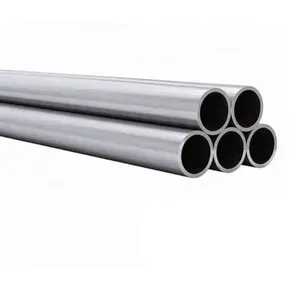 Read More

Contact Us
Recommended Products
-
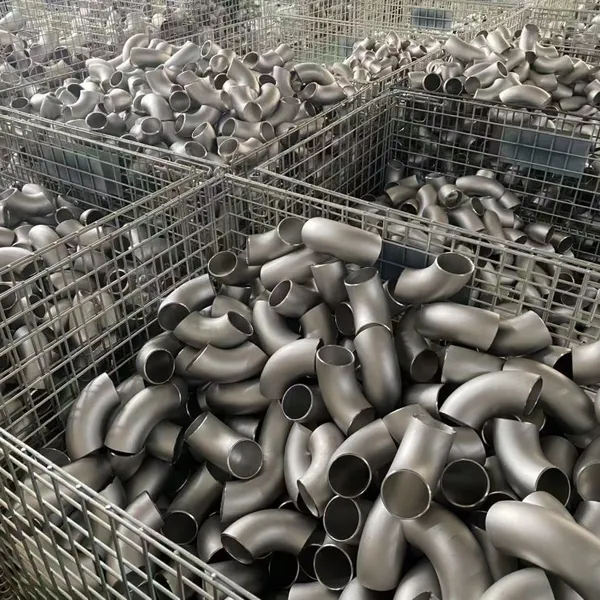
 Stainless Steel Elbow Welded Elbow 45/90/180-degree Seamless Pressed Elbow Long Radius Elbow Short Radius Elbow WholesaleNegotiableMOQ: 1 Piece
 -
316L/1.4405 Seamless Stainless Steel PipeNegotiableMOQ: 2 Meters
-
310s 440 Seamless Sanitary Piping Price 321 904l 201 20 Inch Seamless Steel Pipe A554 Stainless Steel PipeNegotiableMOQ: 1 Piece
-
China Brand ZZ Wholesale 304L 316 316L Welded Austenitic Piping Stainless Steel Pipe SupplierNegotiableMOQ: 2 Meters
-
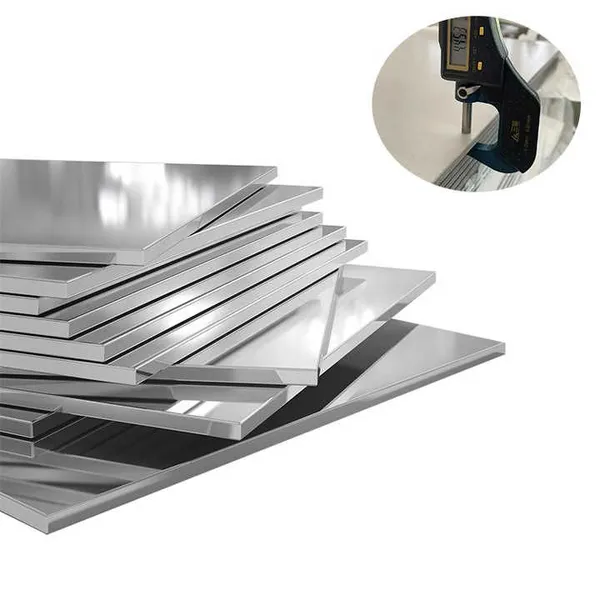
304/304L/316/409/410/904L/2205/2507/310H Premium Stainless Steel Sheets Supplier Custom Sizes & FinishesUS$ 1.72MOQ: 1 Ton
-
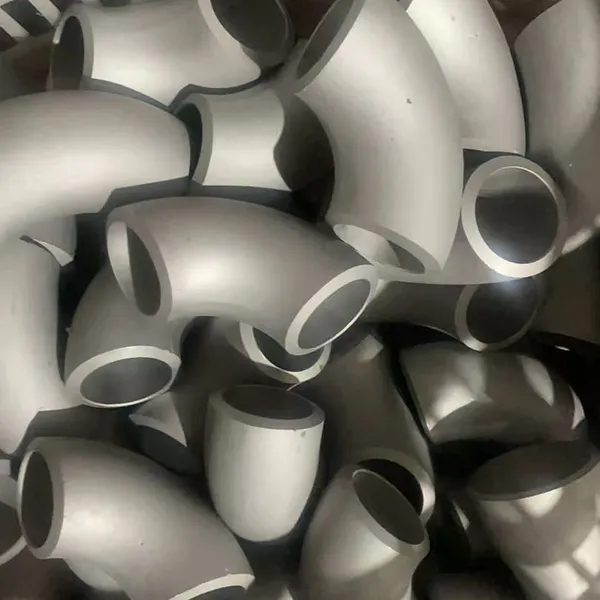
Stainless Steel ASME B16.9 Sch 45 90 Degree Pipe Fittings ElbowUS$ 8MOQ: 1 Piece
-
China Brand Zz 304L 316/316L GB En JIS Standard Thin Wall Welded Stainless Steel Water Pipe/TubeNegotiableMOQ: 2 Meters
-
BA 4 Inch 6 Inch 8 Inch 201 304 304L 316 316L Welded Seamless Stainless Steel PipeNegotiableMOQ: 2 Meters
-
ASME B36.19M-2004 SCH40S Stainless Steel Pipe - Complies With EU 3.1 CertificationUS$ 1 - 650MOQ: 1 Piece
-
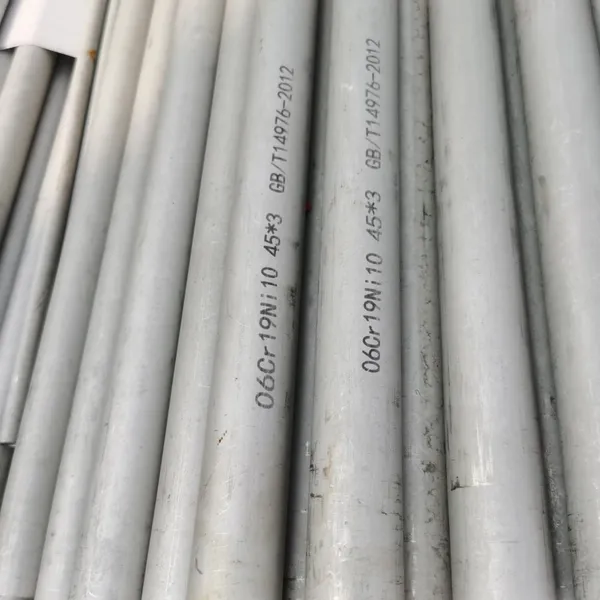
Factory TP309/TP309S/TP309H (UNS30900) Seamless Stainless Steel Pipe and Tube for Boiler BafflesUS$ 8MOQ: 200 Kilograms
-
TP347/TP347H/1.4961/S34709 Seamless Stainless Steel Pipe for UseNegotiableMOQ: 2 Meters
-
China 304 316 Stainless Steel Sanitary Welded Tube Food Grade Sanitary Grade Welded Pipe PolishingNegotiableMOQ: 1 Piece
-
China Manufacture Stainless Steel 316L Ba Seamless Welded Steel Pipe TubesUS$ 1760 - 1860MOQ: 5 Tons
-
316L/1.4405 Seamless Stainless Steel PipeNegotiableMOQ: 2 Meters
-
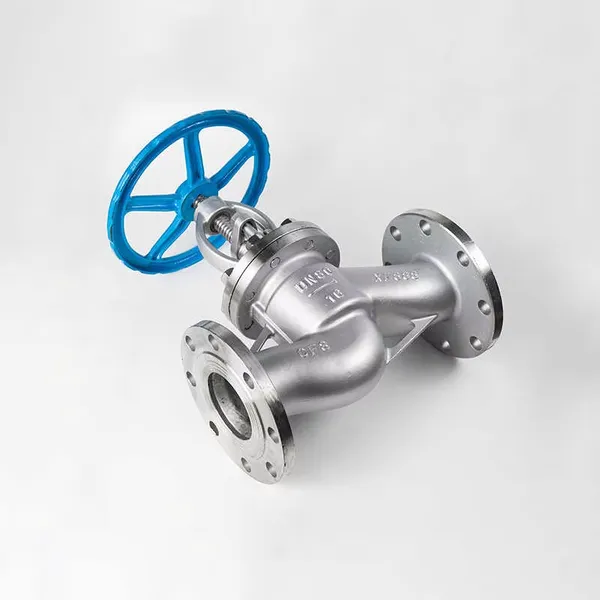
Stainless Steel Globe Valve – High Durability & Corrosion ResistanceNegotiableMOQ: 1 Piece
-
World's Most Affordable Color-Coated Steel Sheets - 0.3mm to 3mm Thickness - Mill Test Report IncludedUS$ 1102MOQ: 10 Kilograms
-
Color-Coated Steel Sheets With 15-Year Fade Warranty - JIS G 3322 Standard CompliantUS$ 1102MOQ: 10 Kilograms
-
Prefab Building Material - 0.4mm Color-Coated Corrugated Sheets - 100,000㎡ Monthly OutputUS$ 1102MOQ: 10 Kilograms
-
Industrial-Grade Color-Coated Sheets - 150-250g/m² Zinc Coating - Weather & UV ResistantUS$ 1102MOQ: 10 Kilograms
-
Factory-Direct Color-Coated Steel Plates - PVDF/Polyester Coating - 1220mm Standard WidthUS$ 1102MOQ: 10 Kilograms