
 Business License

What methods can be adopted to enhance the safety of stainless steel lifting columns
To enhance the safety of stainless steel lifting columns, efforts should be made from multiple aspects such as structural design, operation logic, emergency mechanism, environmental adaptability, and interlocking protection. Based on the risk levels of their application scenarios (such as counter-terrorism and daily security), targeted measures should be taken to strengthen the protective capabilities. The specific methods are as follows:
1. Enhance structural impact resistance and stability (physical security core)
Structural strength is the foundation for resisting vehicle impacts and avoiding failure. It needs to be upgraded in terms of material, process, and installation:
1. Upgrade core material and wall thickness:
For high-risk scenarios (such as anti-terrorism areas), use 316 stainless steel (containing Mo element, corrosion-resistant + high strength), with a wall thickness of ≥ 10mm; for ordinary scenarios, use at least 304 stainless steel with a wall thickness of ≥ 6mm (to avoid thin-walled pipes deforming under impact).
Add reinforcing ribs (such as cross-shaped or ring-shaped supports) inside the column to enhance the bending resistance (refer to Grade B standard in GA/T 1343-2016, which needs to withstand a 5t vehicle impact at 30km/h without penetrating).
2. Optimize welding and connection processes:
The welding between the column and the base uses argon arc welding + full welding process, with weld strength ≥ 90% of the base material strength. After welding, conduct flaw detection (such as ultrasonic flaw detection) to avoid false welding and porosity-induced fracture risks.
The connection between the driving components (such as hydraulic rods, screws) and the column uses high-strength bolts (above 8.8 grade) and anti-loosening nuts (such as Schrader nuts), to prevent loosening due to long-term vibration.
3. Reinforce the foundation and embedded structures:
The foundation depth is ≥ 1.5m (adjusted according to the height of the column), using C30 or above concrete pouring, and embedding Φ16mm or above steel mesh (spacing ≤ 200mm) inside to enhance the overall uplift resistance (to prevent the column from being uprooted).
The embedded sleeves are rigidly connected to the foundation (such as welding steel bars for anchoring), and the inner wall of the sleeve is treated for anti-corrosion (galvanizing + painting) to prevent rusting that causes the column to get stuck.
II. Optimize operation logic to avoid accidental triggering and mechanical failure
Incorrect operation or mechanical failure may cause the lifting column to suddenly move (such as rising without reason) or get stuck (such as being unable to reset when lowering), and this can be mitigated through design:
1. Multiple triggering and permission control:
Employ a "dual authorization" operation mode (such as card swipe + password, fingerprint + remote control) to prevent single personnel from making incorrect operations; key scenarios (such as government agencies) can be connected to the security management platform, and operation records can be traced.
Prohibit "one-click rise" without warning actions. Before activation, a sound and light warning must be triggered (such as 3-second flashing warning lights + buzzer alerting "about to rise"), giving surrounding vehicles and pedestrians reaction time.
2. Limitation and overload protection:
Install mechanical limiters (such as top/bottom limit blocks) + electronic limiters (Hall sensors), providing dual control of the lifting stroke (error ≤ 5mm), preventing over-lifting from causing the column to bend at the top and over-lowering from damaging the drive system.
Install overload protectors on the drive motor or hydraulic pump. When encountering an obstacle (such as a vehicle stuck on the column), it will automatically stop and reverse (if rising is blocked, it will lower), avoiding structural overload and fracture.
3. Anti-clamping and pressure sensing:
Install a pressure sensor on the top of the column (sensitivity ≤ 50N). If it comes into contact with an object (such as a pedestrian or vehicle tire) during the lifting process, it will immediately stop and trigger an alarm to prevent injury or secondary impact.
III. Improve the emergency response mechanism (for handling sudden failures)
Sudden situations such as power outages and equipment malfunctions may cause the lift column to be in a "dangerous state" (for example, blocking the fire escape path when raised), requiring rapid response capabilities:
1. Backup power supply and automatic reset:
Install an uninterruptible power supply (with a battery life of ≥ 4 hours) and automatically switch to it during power outages to ensure the lift column can complete the "rise → lower" cycle; additional diesel generators (with a startup time of ≤ 10 seconds) are equipped for high-risk scenarios.
Set up an "automatic reset upon timeout" function: If the lift column is raised and no operation occurs for 30 minutes (customizable), it will automatically lower (this needs to exclude scenarios where long-term interception is required for counter-terrorism, etc.), avoiding accidental blockage of the passage.
2. Manual emergency operation:
Reserve mechanical emergency interfaces (such as dedicated bolt holes), and in the event of electrical system failure, manually rotate the screw rod or hydraulic manual pump to forcibly lower the column (operation time ≤ 5 minutes), and the interface must be waterproof (IP68), anti-misoperation (with lock protection).
3. Fault alarm and location:
Install fault sensors (monitoring motor temperature, hydraulic oil level, air pressure values, etc.), and immediately send alarm signals (such as text messages, sound and light alarms) to the management platform when abnormalities occur, and display the fault location (precisely to the individual column), shortening the troubleshooting time.
IV. Enhancing Environmental Adaptability (Reducing Failures Caused by Natural Factors)
Extreme climates (low temperatures, heavy rains, high salt fog) or harsh environments (dust, vibration) may reduce safety. Specific protective measures are required:
1. Anti-corrosion and Waterproofing:
In high-corrosive environments such as coastal areas and chemical zones, the surface of the column is treated with passivation and fluorocarbon coating (thickness ≥ 80 μm), and recoated every 2 years; the drive compartment (hydraulic pump station, motor) has a sealing level of IP68, and internal desiccant (such as silica gel) is added to prevent moisture.
2. Temperature and Humidity Adaptation:
In northern cold regions (-30°C and below), the hydraulic system is filled with low-temperature anti-wear hydraulic oil (viscosity index ≥ 140), and the motor is equipped with a heating sleeve (automatically starts when the temperature is lower than -10°C); in southern hot regions, the drive compartment is equipped with a cooling fan (starts when the temperature is ≥ 50°C).
3. Anti-foreign Matter and Anti-interference:
A dust cover is installed on the top of the column (opens and closes automatically during lifting), and drainage holes are reserved at the bottom (diameter ≥ 10 mm) to prevent mud and rainwater from accumulating and causing jamming; the electrical control system adopts an anti-electromagnetic interference design (such as shielded wires, surge protectors), to avoid signal interference from nearby strong electrical equipment (such as transformers).
V. Linking the security system to form a protection loop
The security of a single lifting post is limited. It needs to be linked with surrounding systems to issue early warnings of risks:
1. Linking with vehicle recognition / monitoring:
Connect the license plate recognition system and enable the lifting post to automatically lower when authorized vehicles (such as fire engines and ambulances) approach. Unrecognized vehicles trigger alarms and are linked with surveillance cameras for capture. Managers can remotely determine whether to allow passage.
2. Linking with gates / barriers:
In multi-post array scenarios (such as intersections), the lifting post and the gates and barriers on both sides operate synchronously (the post lowers when the gate opens, and rises when the gate closes). This avoids loopholes caused by "single-sided passage".
3. Connecting to the emergency command platform:
Anti-terrorism-level lifting posts need to be linked to the city's emergency command system. In case of sudden ramming incidents, all posts can be remotely forced to rise, and the surrounding sound and light alarms, traffic control, etc. can be triggered simultaneously to form multiple layers of protection.
VI. Regular Maintenance and Compliance Testing
Security must be ensured through continuous maintenance to prevent "initial compliance but subsequent failure":
Daily: Check if the warning lights and buzzers are functioning properly, and if the column movement is smooth;
Monthly: Test the hydraulic oil level / oil quality (for hydraulic systems), motor insulation resistance (for electric systems), and grounding resistance (≤ 4Ω);
: Conduct impact resistance tests (simulating a 2t vehicle impacted at 10km/h to detect structural deformation), salt spray tests (to evaluate corrosion resistance), and issue a third-party test report to ensure compliance with standards such as GA/T 1343.
Summary
To enhance the safety of stainless steel lifting columns, a "soft and hard combination" approach is necessary: on the hardware side, the structure should be strengthened to adapt to the environment; on the software side, the operation and emergency mechanisms should be optimized; and in terms of management, security measures and regular maintenance should be coordinated. Different scenarios require different priorities: in anti-terrorism scenarios, priority should be given to shock resistance and emergency reset; in daily security scenarios, attention should be paid to preventing misoperation and the convenience of linkage; in extreme environment scenarios, the focus should be on enhancing weather resistance.
Recently Posted
-
Does the stainless steel welded pipe have specific temperature requirements during the solution heat
January 20, 2026Solution heat treatment involves heating stainless steel to a high temperature and then rapidly cooling it to achieve an oversatur Read More
 -
Can stainless steel welded pipes be made into thick pipes
January 20, 2026With the improvement of high-quality welding technology and increasingly strict weld inspection, the application fields of s Read More
 -
Three types of commonly available food-grade stainless steel on the market
January 20, 2026The common food-grade stainless steel pipes are mainly composed of iron, chromium and carbon and other elements. Household stainle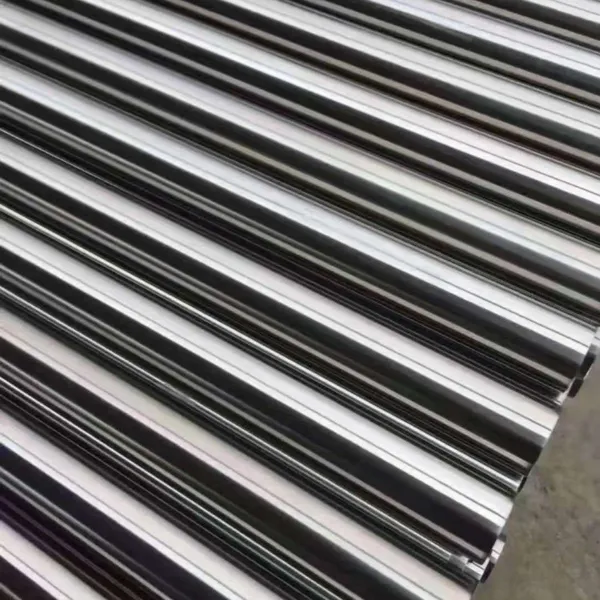 Read More
 -
What are the requirements for stainless steel welding pipe production equipment
January 20, 2026As is well known, stainless steel welded pipes have been widely used in various industries such as machinery, chemical engineering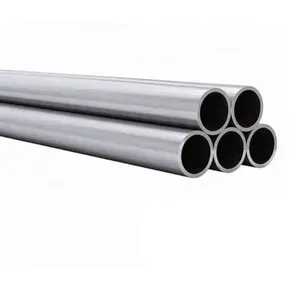 Read More

Contact Us
Recommended Products
-
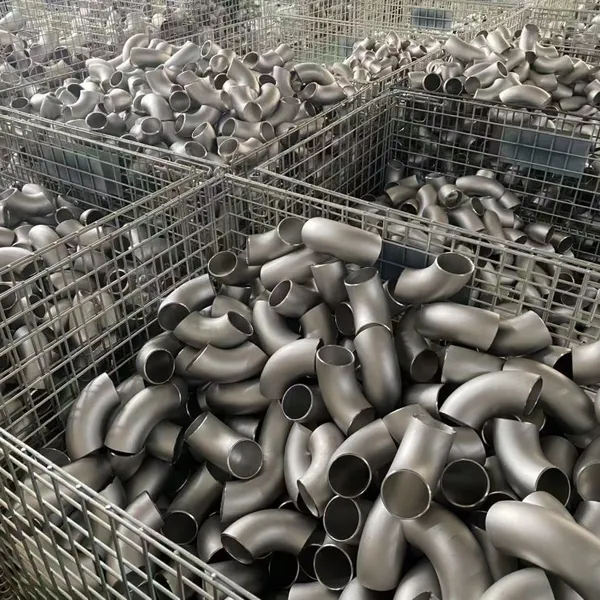
 Stainless Steel Elbow Welded Elbow 45/90/180-degree Seamless Pressed Elbow Long Radius Elbow Short Radius Elbow WholesaleNegotiableMOQ: 1 Piece
 -
316L/1.4405 Seamless Stainless Steel PipeNegotiableMOQ: 2 Meters
-
310s 440 Seamless Sanitary Piping Price 321 904l 201 20 Inch Seamless Steel Pipe A554 Stainless Steel PipeNegotiableMOQ: 1 Piece
-
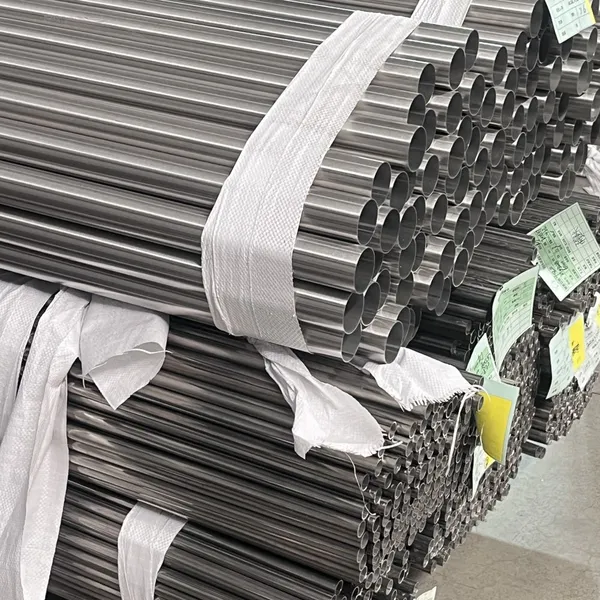
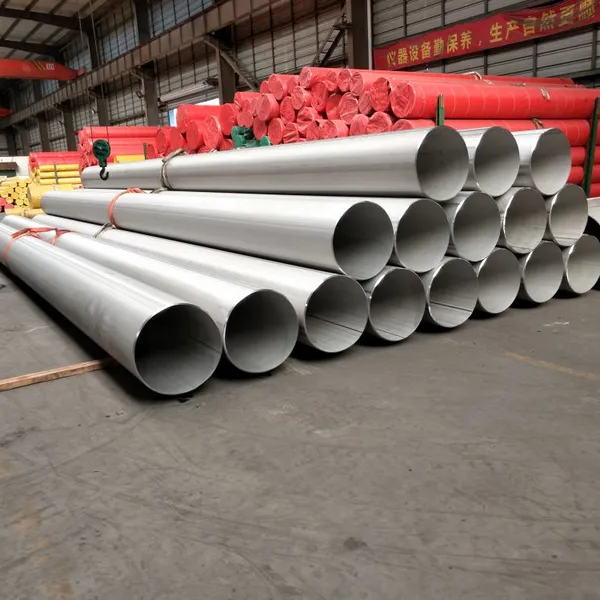
China Brand ZZ Wholesale 304L 316 316L Welded Austenitic Piping Stainless Steel Pipe SupplierNegotiableMOQ: 2 Meters
-
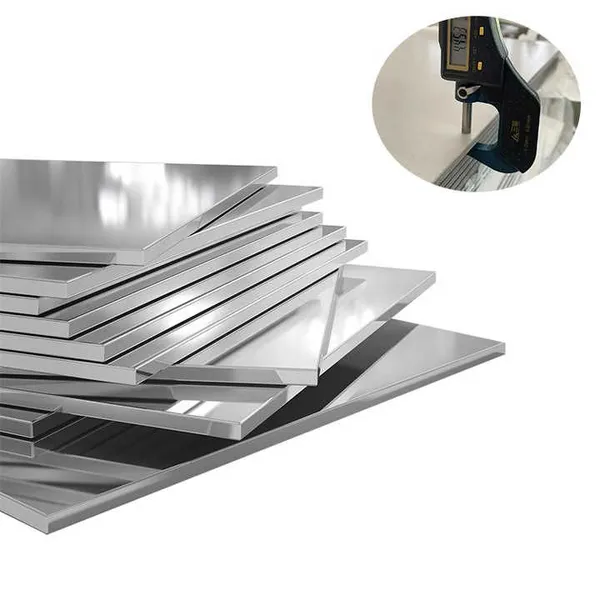
304/304L/316/409/410/904L/2205/2507/310H Premium Stainless Steel Sheets Supplier Custom Sizes & FinishesUS$ 1.72MOQ: 1 Ton
-
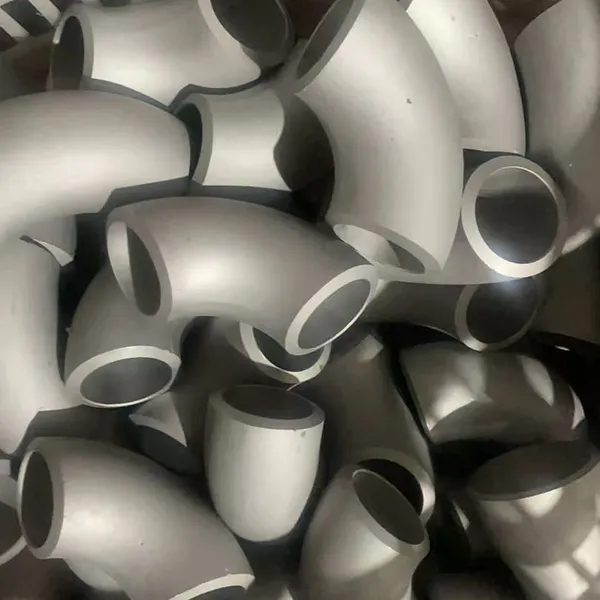
Stainless Steel ASME B16.9 Sch 45 90 Degree Pipe Fittings ElbowUS$ 8MOQ: 1 Piece
-
China Brand Zz 304L 316/316L GB En JIS Standard Thin Wall Welded Stainless Steel Water Pipe/TubeNegotiableMOQ: 2 Meters
-
BA 4 Inch 6 Inch 8 Inch 201 304 304L 316 316L Welded Seamless Stainless Steel PipeNegotiableMOQ: 2 Meters
-
ASME B36.19M-2004 SCH40S Stainless Steel Pipe - Complies With EU 3.1 CertificationUS$ 1 - 650MOQ: 1 Piece
-
Factory TP309/TP309S/TP309H (UNS30900) Seamless Stainless Steel Pipe and Tube for Boiler BafflesUS$ 8MOQ: 200 Kilograms
-
TP347/TP347H/1.4961/S34709 Seamless Stainless Steel Pipe for UseNegotiableMOQ: 2 Meters
-
China 304 316 Stainless Steel Sanitary Welded Tube Food Grade Sanitary Grade Welded Pipe PolishingNegotiableMOQ: 1 Piece
-
China Manufacture Stainless Steel 316L Ba Seamless Welded Steel Pipe TubesUS$ 1760 - 1860MOQ: 5 Tons
-
316L/1.4405 Seamless Stainless Steel PipeNegotiableMOQ: 2 Meters
-
Stainless Steel Globe Valve – High Durability & Corrosion ResistanceNegotiableMOQ: 1 Piece
-
1.4529 Stainless Steel Flat Plate for Chemical Processing EquipmentUS$ 25 - 35MOQ: 1 Kilogram
-
Color Coated Steel Panels for Warehouse Partition Walls (Fireproof Grade)US$ 1 - 1.2MOQ: 50 Kilograms
-
Custom Width (600mm-1250mm) Colored Steel Coil With Scratch ResistanceUS$ 1 - 1.2MOQ: 50 Kilograms
-
0.5mm-3.0mm Colored Coated Steel Sheet With PVDF/Polyester CoatingUS$ 1 - 1.2MOQ: 50 Kilograms
-
JIS G 3322 Compliant Colored Coils With Third-Party Inspection ReportUS$ 1 - 1.2MOQ: 50 Kilograms