
 Business License

Introduction to Stainless Steel Reducers
Stainless steel reducing tees, also known as stainless steel reducer or stainless steel butt-weld reducing tees, are a special type of stainless steel pipe fittings. They are mainly used to connect two pipes of different diameters, to change the pipe diameter and thereby adjust the flow rate of the pipeline. The following is a detailed introduction to stainless steel reducing tees:
I. Classification
Concentric reducer: The centerlines of the two ends of the pipe are on the same straight line, and its shape is a symmetrical conical frustum. It is mainly used in pipeline systems where smooth fluid transition is required.
Picture 1
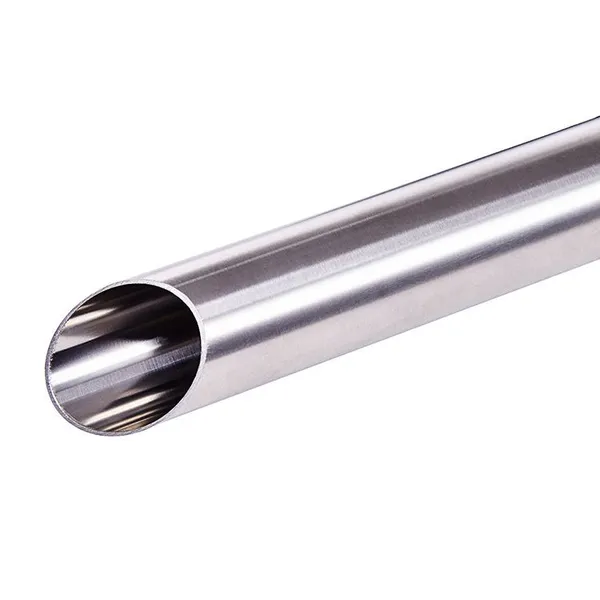
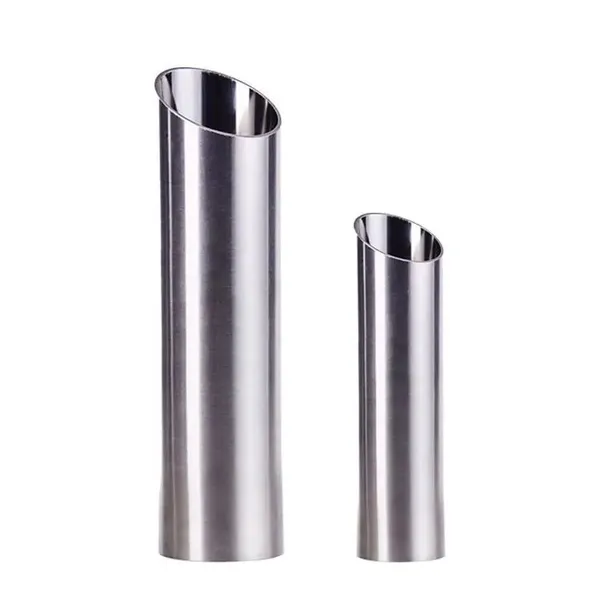
Eccentric reducer: The centerlines of the two ends of the pipe are not on the same straight line, with one side being a straight edge and the other side being a slanted edge. It is often used in situations where fluid flow direction needs to be controlled or to avoid liquid accumulation inside the pipe.
Picture 2
II. Materials
Common materials include 304, 316, 316L, 2205, 2507 and other types of stainless steel. These materials possess excellent corrosion resistance, oxidation resistance and high strength, enabling them to operate stably in various corrosive environments and high-temperature, high-pressure conditions.
III. Forming Process
Reducing Pressing: A tube blank with a diameter equal to that of the large end of the reducer is placed in a forming die. Through pressing along the axial direction of the tube blank, the metal moves along the die cavity and shrinks to form the shape. Depending on the degree of diameter change, it can be formed in one or multiple pressing operations.
Expanding Pressing: Contrary to reducing pressing, it is to expand the diameter of one or both ends of the tube blank through a die to achieve the required reducer size.
Stamping Forming: For some specifications of reducers, steel plates can be cut and then formed into the shape of the reducer through stamping forming process using a die.
IV. Connection Methods
There are various connection methods, including compression type, tight type, union type, push-in type, socket welding type, union type flange connection, welding type, etc. Different connection methods are easy to install, firm and reliable, and can meet the requirements of different working conditions.
V. Application Fields
Petrochemical Industry: It can ensure the safety and stability of pipelines in high-temperature, high-pressure, and highly corrosive medium pipeline systems.
Power Industry: It is suitable for high-temperature steam pipeline systems. Its excellent high-temperature strength and corrosion resistance can ensure the long-term stable operation of pipelines.
Food and Pharmaceutical Industry: Due to its smooth, clean surface with no dead corners, it is easy to clean and disinfect, meeting high hygiene standards and is widely used in pipeline connections.
Water Treatment and Water Supply and Drainage Systems: It can be used to regulate pipeline flow, meet the water pressure requirements of different areas, and ensure the smooth flow of water.
Recently Posted
-
Does the stainless steel welded pipe have specific temperature requirements during the solution heat
January 20, 2026Solution heat treatment involves heating stainless steel to a high temperature and then rapidly cooling it to achieve an oversatur Read More
 -
Can stainless steel welded pipes be made into thick pipes
January 20, 2026With the improvement of high-quality welding technology and increasingly strict weld inspection, the application fields of s Read More
 -
Three types of commonly available food-grade stainless steel on the market
January 20, 2026The common food-grade stainless steel pipes are mainly composed of iron, chromium and carbon and other elements. Household stainle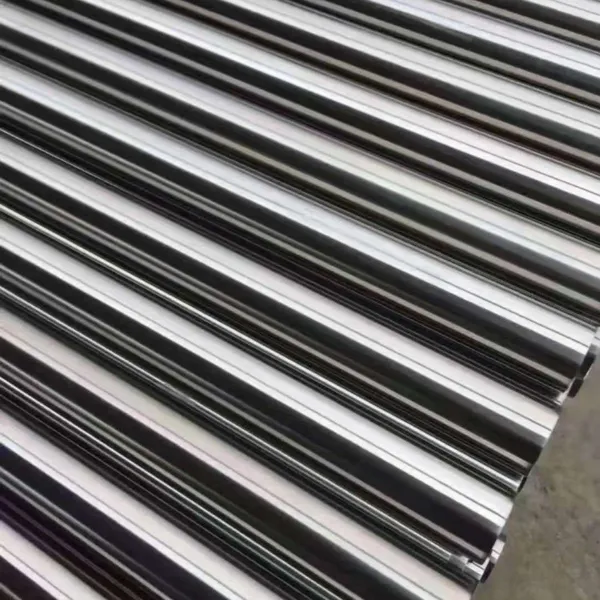 Read More
 -
What are the requirements for stainless steel welding pipe production equipment
January 20, 2026As is well known, stainless steel welded pipes have been widely used in various industries such as machinery, chemical engineering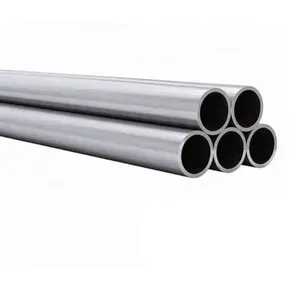 Read More

Contact Us
Recommended Products
-
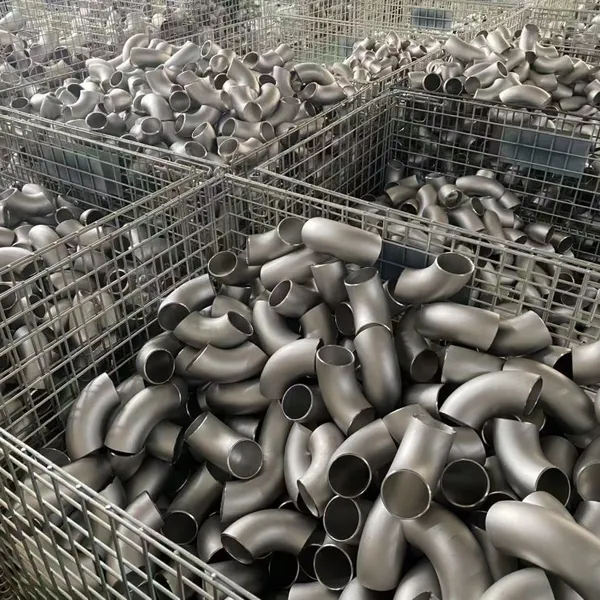
 Stainless Steel Elbow Welded Elbow 45/90/180-degree Seamless Pressed Elbow Long Radius Elbow Short Radius Elbow WholesaleNegotiableMOQ: 1 Piece
 -
316L/1.4405 Seamless Stainless Steel PipeNegotiableMOQ: 2 Meters
-
310s 440 Seamless Sanitary Piping Price 321 904l 201 20 Inch Seamless Steel Pipe A554 Stainless Steel PipeNegotiableMOQ: 1 Piece
-
China Brand ZZ Wholesale 304L 316 316L Welded Austenitic Piping Stainless Steel Pipe SupplierNegotiableMOQ: 2 Meters
-
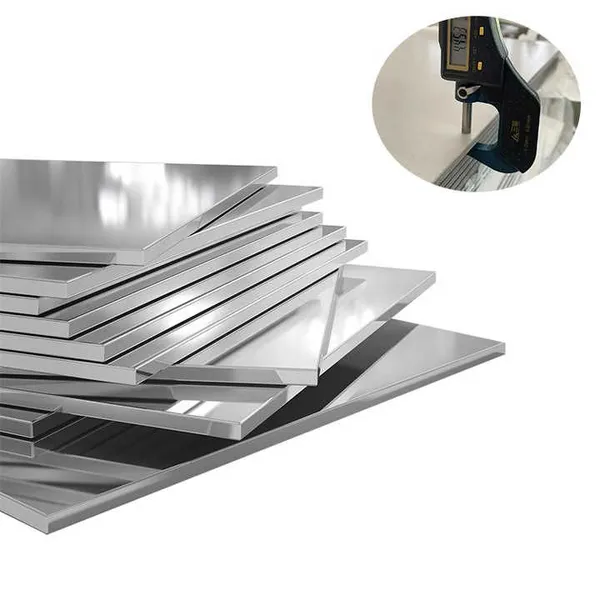
304/304L/316/409/410/904L/2205/2507/310H Premium Stainless Steel Sheets Supplier Custom Sizes & FinishesUS$ 1.72MOQ: 1 Ton
-
Stainless Steel ASME B16.9 Sch 45 90 Degree Pipe Fittings ElbowUS$ 8MOQ: 1 Piece
-
China Brand Zz 304L 316/316L GB En JIS Standard Thin Wall Welded Stainless Steel Water Pipe/TubeNegotiableMOQ: 2 Meters
-
BA 4 Inch 6 Inch 8 Inch 201 304 304L 316 316L Welded Seamless Stainless Steel PipeNegotiableMOQ: 2 Meters
-
ASME B36.19M-2004 SCH40S Stainless Steel Pipe - Complies With EU 3.1 CertificationUS$ 1 - 650MOQ: 1 Piece
-
Factory TP309/TP309S/TP309H (UNS30900) Seamless Stainless Steel Pipe and Tube for Boiler BafflesUS$ 8MOQ: 200 Kilograms
-
TP347/TP347H/1.4961/S34709 Seamless Stainless Steel Pipe for UseNegotiableMOQ: 2 Meters
-
China 304 316 Stainless Steel Sanitary Welded Tube Food Grade Sanitary Grade Welded Pipe PolishingNegotiableMOQ: 1 Piece
-
China Manufacture Stainless Steel 316L Ba Seamless Welded Steel Pipe TubesUS$ 1760 - 1860MOQ: 5 Tons
-
316L/1.4405 Seamless Stainless Steel PipeNegotiableMOQ: 2 Meters
-
Stainless Steel Globe Valve – High Durability & Corrosion ResistanceNegotiableMOQ: 1 Piece
-
1.4529 Stainless Steel Flat Plate for Chemical Processing EquipmentUS$ 25 - 35MOQ: 1 Kilogram
-
Color Coated Steel Panels for Warehouse Partition Walls (Fireproof Grade)US$ 1 - 1.2MOQ: 50 Kilograms
-
Custom Width (600mm-1250mm) Colored Steel Coil With Scratch ResistanceUS$ 1 - 1.2MOQ: 50 Kilograms
-
0.5mm-3.0mm Colored Coated Steel Sheet With PVDF/Polyester CoatingUS$ 1 - 1.2MOQ: 50 Kilograms
-
JIS G 3322 Compliant Colored Coils With Third-Party Inspection ReportUS$ 1 - 1.2MOQ: 50 Kilograms