
 Business License

What are the polishing processes for stainless steel pipes
The polishing process of stainless steel pipes needs to be selected based on the application scenario (especially in the hygiene-level fields such as food and medicine), the required smoothness, the pipe specifications (diameter, wall thickness), and environmental protection standards. The core process is divided into three categories: mechanical polishing, electrochemical polishing, and chemical polishing. Additionally, special processes such as magnetic polishing and plasma polishing are used. The details are as follows:
I. Mechanical Polishing (Most Common Basic Process)
Principle: Through physical grinding action, using polishing tools to rub against the surface of the pipe to remove microscopic protrusions, scratches, and impurities, achieving a smooth and flat surface. Process steps: It is divided into three levels of progressive polishing - coarse polishing, medium polishing, and fine polishing - using 80-120 mesh grinding wheels or sand belts to remove oxide scales, burrs, and rolling marks on the pipe surface, achieving initial flattening; medium polishing selects 240-400 mesh sand belts or polishing wheels to polish the remaining scratches, improving surface flatness; fine polishing uses 600-1200 mesh polishing wheels (combined with polishing pastes such as aluminum oxide and chromium oxide), further refining the surface to reach the preset smoothness. Core features: Low equipment investment, flexible operation, capable of processing pipes of different diameters, suitable for general scenarios or pre-polishing of sanitary pipes; however, it is difficult to handle the inner walls (especially for large-diameter and long pipes), prone to uneven scratches, and in sanitary applications, it is necessary to avoid forming cleaning dead zones, and the residual polishing paste needs to be completely removed after polishing. Applicable scenarios: Architectural decoration, general industrial pipes, preliminary polishing of sanitary pipes (followed by electrolytic polishing for optimization).
II. Electrolytic Polishing (Core Process in the Hygiene Industry)
Principle: Utilizing the electrochemical anode dissolution effect, stainless steel pipes are placed as the anode in an electrolytic tank containing components such as phosphoric acid, sulfuric acid, and chromic acid. Through the action of current, the surface micro-roughened areas are preferentially dissolved, achieving ultra-smoothing and mirror-like finish. Process Steps: First, the pipe material undergoes pre-treatment (acid washing or mechanical grinding to remove oxide scale and oil stains); then, the pipe material is placed in the electrolytic tank in proportion to the cathode plate, with control of current density (10-30 A/dm²), temperature (50-80°C), and electrolysis time (5-15 minutes) to ensure uniform surface dissolution; after electrolysis, the pipe is rinsed multiple times with pure water to remove residual electrolyte, and then dried or passivated. Core Features: Extremely high surface finish, capable of achieving a mirror-like effect with Ra 0.01-0.8 μm, completely eliminating micro-cracks and burrs; uniformity of treatment, capable of covering the inner walls, welds and other complex parts of the pipe material, while enhancing corrosion resistance (reducing the starting point of corrosion); high automation level, suitable for mass production. Application Scenarios: Hygiene-level pipelines in food and medicine, biotechnology and chemical industries (must comply with GB 4806 and FDA standards), high-pressure precision pipelines, and scenarios with extremely high requirements for surface finish and corrosion resistance.
III. Chemical Polishing (Low-cost Gentle Polishing Process)
Principle: Through chemical dissolution, using a polishing solution composed of phosphoric acid, nitric acid, acetic acid, etc., to selectively dissolve the surface of stainless steel pipes, making the dissolution rate of the microscopic protrusions higher than that of the depressions, achieving a smooth surface. Process steps: Pre-treatment (oil removal, acid washing, removing surface impurities); immerse the pipe in the polishing solution, control the temperature (60-90℃) and time (10-30 minutes), and during this period, stir the polishing solution to ensure uniformity; after polishing, rinse with pure water until neutral, dry, and then perform passivation treatment as needed. Core features: No need for complex equipment, low cost, simple operation, suitable for processing special-shaped pipes, large-diameter pipes, or pipes with difficult-to-polish inner walls; no mechanical stress, does not damage the pipe base, but the surface finish is lower than electrolytic polishing (usually Ra 0.8-1.6 μm), the polishing solution needs to be replaced regularly, and the environmental protection treatment pressure is relatively large. Application scenarios: General pipes with moderate surface finish requirements, low-cost polishing needs for batch production, auxiliary polishing for sanitary pipes (combined with electrolytic polishing to enhance the effect).
IV. Magnetic Polishing (Specialized Process for Precise/Complex Structures)
Principle: Utilizing the magnetic field effect, magnetic abrasive materials (such as stainless steel wires, magnetic ceramic particles) are made to move at high speed inside and on the surface of the pipe. Through the friction and impact between the abrasive materials and the pipe, tiny burrs, oil stains, and surface impurities are removed, slightly improving the surface finish. Process Steps: Place the pipe in the container of the magnetic polishing machine, add magnetic abrasive materials and polishing liquid (which serves the functions of lubrication and cooling); adjust the magnetic field strength and polishing time (5-30 minutes) to ensure that the abrasive materials fully cover the inner walls, elbow interfaces, and other hard-to-reach areas of the pipe; after polishing, remove the pipe, clean the remaining abrasive materials and polishing liquid, and dry it. Core Features: No mechanical contact pressure, will not cause the pipe to deform, can handle areas that are difficult to reach by traditional polishing (such as the inner walls of thin-diameter pipes, threaded interfaces); environmentally friendly, no dust pollution, the polishing liquid can be recycled; however, the improvement in surface finish is limited, usually used as a pre-processing or auxiliary process for precise polishing. Applicable Scenarios: Precise stainless steel pipes, thin-diameter pipes (DN ≤ 50), pipes with interfaces/threads, inner wall polishing of sanitary pipes.
V. Plasma Polishing (High-end Precision Polishing Process)
Principle: In a low-pressure plasma environment, high-energy particles (such as argon ions) generated by gas discharge bombard the surface of the pipe, causing sputtering and etching of the microscopic protrusions on the surface, achieving atomic-level smoothness. Process Steps: Place the pipe in the vacuum chamber of the plasma polishing equipment, introduce working gases such as argon, and evacuate to a preset pressure (10-100 Pa); apply high-frequency voltage to generate plasma, control the discharge power and treatment time (1-10 minutes), allowing the high-energy particles to act on the pipe surface; after the treatment is completed, cool to room temperature and remove the pipe. Core Features: Extremely high polishing accuracy, surface roughness can be reduced to Ra ≤ 0.01 μm, achieving an ultra-smooth surface effect; no chemical pollution, excellent environmental friendliness, does not damage the mechanical properties of the pipe; however, the equipment cost is high and the production efficiency is low, suitable for high-end precision scenarios. Application Scenarios: Semiconductor, medical devices, high-end sanitary precision pipes (such as liquid drug transportation pipes), scenarios with extremely high requirements for surface precision and cleanliness.
VI. Laser Polishing (New High-Efficiency Polishing Process)
Principle: Utilize a high-energy laser beam to scan the surface of the pipe, causing a thin layer of material on the surface to instantly melt and then rapidly cool. The surface tension effect is utilized to achieve smoothness, while removing impurities and oxide scales. Process Steps: Pre-treat the pipe (oil removal, drying); adjust laser parameters (power, scanning speed, spot size) to ensure the laser beam scans the pipe surface uniformly; after scanning, it naturally cools down without the need for subsequent cleaning (or simple cleaning). Core Features: High polishing efficiency, with a processing speed 3-5 times faster than traditional mechanical polishing; non-contact, no wear, no secondary damage to the surface, and the original size accuracy of the pipe can be maintained; local precise polishing can be achieved, but the equipment investment is large and the technical requirements for operators are high. Application Scenarios: Large-diameter stainless steel pipes, batch-produced precision pipes, and efficient polishing of sanitary-grade pipes (laser parameters need to be controlled to avoid surface oxidation).
Core process combination and requirements for sanitary applications
The polishing of stainless steel pipes for food and pharmaceutical industries must meet the requirements of "no dead corners, high cleanliness, and corrosion resistance". The commonly used process combination is: acid washing (removing oxide scale) → mechanical polishing (initial leveling) → electrolytic polishing (improving the surface finish to Ra ≤ 0.8 μm) → pure water cleaning → passivation (strengthening corrosion resistance). Key requirements include: no scratches on the surface after polishing, no residual impurities, smooth inner wall without steps; the electrolytic polishing should use environmentally friendly electrolyte to avoid harmful substances such as hexavalent chromium; finally, it needs to pass cleanliness tests (such as particle size testing, residual ion testing), in accordance with relevant standards for food contact materials.
Recently Posted
-
Does the stainless steel welded pipe have specific temperature requirements during the solution heat
January 20, 2026Solution heat treatment involves heating stainless steel to a high temperature and then rapidly cooling it to achieve an oversatur Read More
 -
Can stainless steel welded pipes be made into thick pipes
January 20, 2026With the improvement of high-quality welding technology and increasingly strict weld inspection, the application fields of s Read More
 -
Three types of commonly available food-grade stainless steel on the market
January 20, 2026The common food-grade stainless steel pipes are mainly composed of iron, chromium and carbon and other elements. Household stainle Read More
 -
What are the requirements for stainless steel welding pipe production equipment
January 20, 2026As is well known, stainless steel welded pipes have been widely used in various industries such as machinery, chemical engineering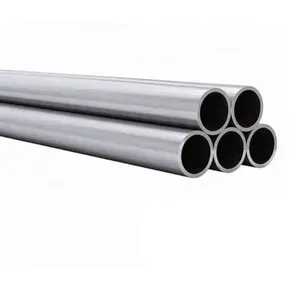 Read More

Contact Us
Recommended Products
-
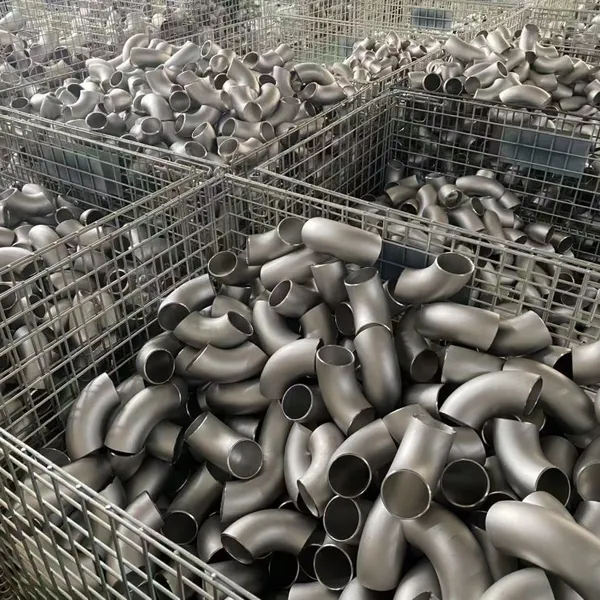
 Stainless Steel Elbow Welded Elbow 45/90/180-degree Seamless Pressed Elbow Long Radius Elbow Short Radius Elbow WholesaleNegotiableMOQ: 1 Piece
 -
316L/1.4405 Seamless Stainless Steel PipeNegotiableMOQ: 2 Meters
-
310s 440 Seamless Sanitary Piping Price 321 904l 201 20 Inch Seamless Steel Pipe A554 Stainless Steel PipeNegotiableMOQ: 1 Piece
-
China Brand ZZ Wholesale 304L 316 316L Welded Austenitic Piping Stainless Steel Pipe SupplierNegotiableMOQ: 2 Meters
-
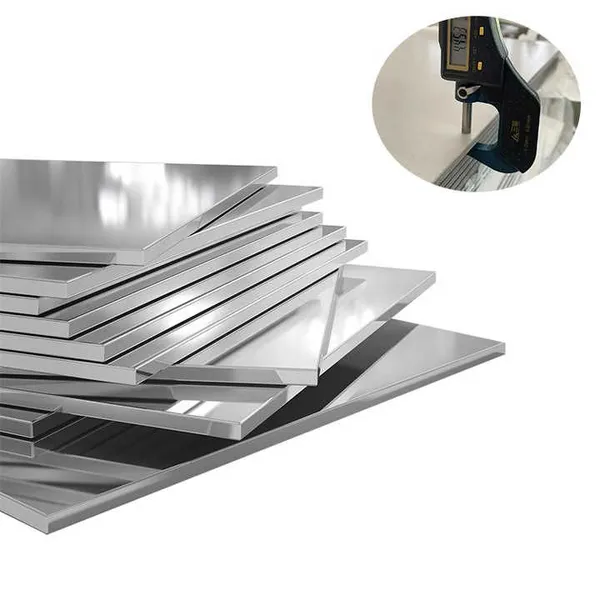
304/304L/316/409/410/904L/2205/2507/310H Premium Stainless Steel Sheets Supplier Custom Sizes & FinishesUS$ 1.72MOQ: 1 Ton
-
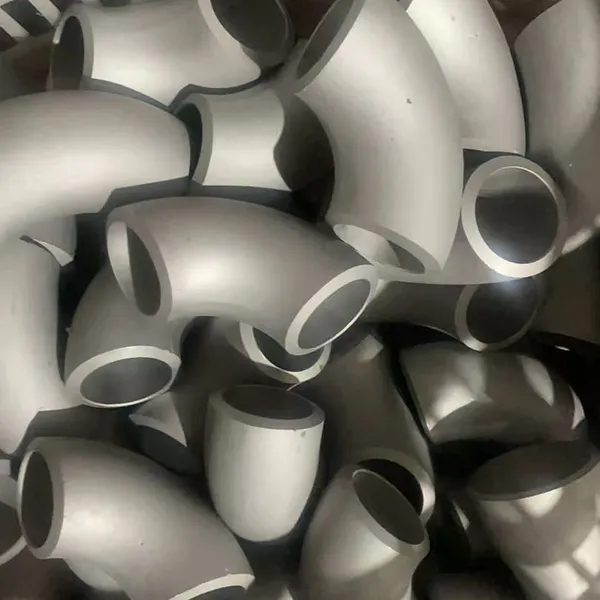
Stainless Steel ASME B16.9 Sch 45 90 Degree Pipe Fittings ElbowUS$ 8MOQ: 1 Piece
-
China Brand Zz 304L 316/316L GB En JIS Standard Thin Wall Welded Stainless Steel Water Pipe/TubeNegotiableMOQ: 2 Meters
-
BA 4 Inch 6 Inch 8 Inch 201 304 304L 316 316L Welded Seamless Stainless Steel PipeNegotiableMOQ: 2 Meters
-
ASME B36.19M-2004 SCH40S Stainless Steel Pipe - Complies With EU 3.1 CertificationUS$ 1 - 650MOQ: 1 Piece
-
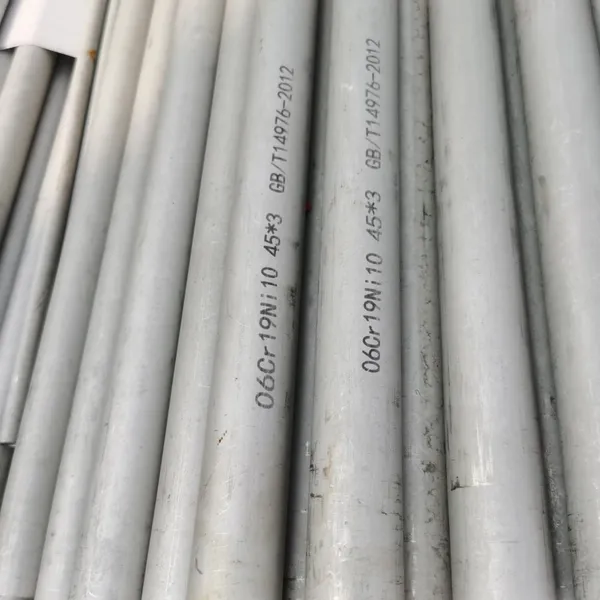
Factory TP309/TP309S/TP309H (UNS30900) Seamless Stainless Steel Pipe and Tube for Boiler BafflesUS$ 8MOQ: 200 Kilograms
-
TP347/TP347H/1.4961/S34709 Seamless Stainless Steel Pipe for UseNegotiableMOQ: 2 Meters
-
China 304 316 Stainless Steel Sanitary Welded Tube Food Grade Sanitary Grade Welded Pipe PolishingNegotiableMOQ: 1 Piece
-
China Manufacture Stainless Steel 316L Ba Seamless Welded Steel Pipe TubesUS$ 1760 - 1860MOQ: 5 Tons
-
316L/1.4405 Seamless Stainless Steel PipeNegotiableMOQ: 2 Meters
-
Stainless Steel Globe Valve – High Durability & Corrosion ResistanceNegotiableMOQ: 1 Piece
-
1.4529 Stainless Steel Flat Plate for Chemical Processing EquipmentUS$ 25 - 35MOQ: 1 Kilogram
-
Color Coated Steel Panels for Warehouse Partition Walls (Fireproof Grade)US$ 1 - 1.2MOQ: 50 Kilograms
-
Custom Width (600mm-1250mm) Colored Steel Coil With Scratch ResistanceUS$ 1 - 1.2MOQ: 50 Kilograms
-
0.5mm-3.0mm Colored Coated Steel Sheet With PVDF/Polyester CoatingUS$ 1 - 1.2MOQ: 50 Kilograms
-
JIS G 3322 Compliant Colored Coils With Third-Party Inspection ReportUS$ 1 - 1.2MOQ: 50 Kilograms