
 Business License

What are the application scenarios, advantages and disadvantages of different types of stainless ste
The types of stainless steel lifting columns are usually classified based on the driving method, safety level, control method, etc. The performance differences of different types directly determine their applicable scenarios and advantages and disadvantages. The following will conduct an analysis from the most common driving methods classification (hydraulic, electric, pneumatic) and safety level classification (anti-terrorism level, ordinary security level), to help understand their application logic:
I. Classification by driving method: Hydraulic type, Electric type, Pneumatic type
1. Hydraulic type stainless steel lifting post
Core principle: Driven by a hydraulic pump station to operate the hydraulic cylinder, achieving the lifting and lowering of the column. The power transmission relies on hydraulic oil.
Application scenarios:
High security requirements places: Government agencies, military bases, airports, large venues (such as stadiums, exhibition centers), anti-terrorism key areas;
High impact load scenarios: Main roads in cities, toll stations, peripheries of prisons, etc., areas that need to prevent large vehicles (5t and above) from impacting with force.
Advantages:
Powerful: The thrust is large (up to several tons), and the impact resistance level is high (in line with GA/T 1343-2016 B level and above, can withstand 5t vehicles impacting at 30km/h without failure);
Stable operation: The lifting speed is uniform (usually 3-6 seconds), and the noise is low (≤60dB);
High corrosion resistance: The hydraulic system has good sealing, can adapt to -30℃ to +70℃ environments, and has a waterproof rating of IP68 (can be immersed for a long time).
Disadvantages:
High cost: The unit price is 1.5-2 times that of the electric type. The hydraulic pump station requires separate space (about 1-2㎡);
Complex maintenance: Regular replacement of hydraulic oil and inspection of seals are required. Leakage of oil may affect operation, and the maintenance cost is high;
High installation requirements: Professional teams are needed to pre-bury pipelines, and the flatness of the foundation must be strict (error ≤ 5mm).
2. Electric type (mechanical-electric integrated) stainless steel lifting post
Core principle: Driven by an internal motor to drive the screw/gear, directly driving the column to lift and lower, without the need for an external pump station.
Application scenarios:
Medium-low security requirements places: Residential entrances, schools, commercial plazas, scenic spots;
Space-constrained areas: Narrow roads, underground garage entrances (no space for pump station installation);
Medium traffic scenarios: Industrial parks, office building parking lots.
Advantages:
Low cost: The unit price is 60%-70% of the hydraulic type, no need for a separate pump station, saving installation space;
Simple maintenance: No hydraulic oil, only regular inspection of motor and screw lubrication, low maintenance cost (annual maintenance cost is approximately 1/3 of the hydraulic type);
Easy installation: Integrated design, shallow pre-buried depth (usually 80-120cm), installation cycle is short (1-2 days per set).
Disadvantages:
Limited power: The thrust is weak (usually ≤3t), and the impact resistance level is low (only meets GA/T 1343 A level, can withstand 2t vehicles impacting at 20km/h).
Run stability is slightly worse: Low temperatures (≤-10℃) may cause difficulties in motor startup, and the lifting speed is easily affected by voltage fluctuations;
Noise is slightly higher: The noise of the motor is approximately 65-75dB, not suitable for places with high noise requirements (such as near hospitals).
3. Pneumatic type stainless steel lifting post
Core principle: Driven by compressed air to operate the cylinder, achieving the lifting and lowering of the column, relying on an air compressor to provide the air source.
Application scenarios:
Temporary or low-intensity control scenarios: Temporary road barriers, construction site entrances, small event venues (such as music festivals, exhibitions);
Budget limited and low traffic areas: Rural roads, small factories.
Advantages:
Extremely low cost: The unit price is 50%-60% of the electric type, simple structure (no complex circuits or hydraulic system);
Flexible installation: Can be connected to a mobile air compressor for temporary deployment;
Environmentally friendly: No oil pollution, no residual risk after air leakage.
Disadvantages:
Weak power: The thrust is only 1-2t, and the impact resistance is poor (cannot meet GA/T 1343 standards), can only block small vehicles (≤1t);
Run instability: Air pressure is greatly affected by temperature (significantly decreases in winter), the lifting speed is easily affected by voltage fluctuations (5-10 seconds); Dependent on air source: Requires continuous supply of compressed air. The air compressor is noisy (≥80dB) and leakage in the pipeline can lead to failure;
Poor corrosion resistance: The cylinder sealing is weak, and it is prone to rust in humid environments, with a short lifespan (usually 2-3 years).
II. Classification by Security Level: Anti-terrorism Level, Ordinary Security Level
1. Anti-terrorism Stainless Steel Elevating Post
Core Feature: Impact resistance grade ≥ GA/T 1343, level B (can withstand a 5-ton vehicle impacting at 30 km/h, the column does not tip over or penetrate), mostly made of 316 stainless steel (wall thickness ≥ 10mm), driven mainly by hydraulic power.
Application Scenarios:
National-level key units: government buildings, embassies, nuclear power plants, military restricted areas;
High-risk densely populated places: large airport terminals, railway station waiting halls entrances.
Advantages:
High safety redundancy: can effectively prevent malicious impacts, protecting personnel and facility safety;
High durability: large wall thickness, corrosion-resistant material, design life ≥ 10 years.
Disadvantages:
High cost: single column price ≥ 15,000 yuan, and requires a security linkage system (such as license plate recognition, alarm device) as a complement;
Heavy weight: single column weight ≥ 200kg, installation requires large equipment assistance.
2. Ordinary Security Level Stainless Steel Elevating Post
Core Feature: Impact resistance grade of GA/T 1343, level A (can withstand a 2-ton vehicle impacting at 20 km/h), mostly made of 304 stainless steel (wall thickness 5-8mm), driven mainly by electric power.
Application Scenarios:
Daily security control: residential areas, schools, shopping malls parking lots, pedestrian streets entrances;
Traffic diversion: urban branch roads, internal roads of scenic areas.
Advantages:
High cost-effectiveness: meets daily control needs, unit price 3000-8000 yuan;
Flexible operation: supports remote control, card swiping, automatic sensing (linked with license plate recognition).
Disadvantages:
Limited protection capability: unable to withstand large vehicles or malicious impacts;
Weak environmental adaptability: 304 stainless steel is prone to corrosion in coastal high-salt environment, requires regular maintenance.
Summary: How to choose?
High security + high budget: Select hydraulic anti-terrorism level (for government, airports);
Medium security + cost-effectiveness: Select electric ordinary security level (for residential areas, schools);
Temporary / low intensity: Select pneumatic type (for construction sites, temporary activities).
At the same time, it is necessary to consider environmental factors (such as choosing 316 material for coastal areas, hydraulic type for low temperatures) and usage frequency (hydraulic type is preferred for high-frequency use, electric type for low-frequency use).
Recently Posted
-
Does the stainless steel welded pipe have specific temperature requirements during the solution heat
January 20, 2026Solution heat treatment involves heating stainless steel to a high temperature and then rapidly cooling it to achieve an oversatur Read More
 -
Can stainless steel welded pipes be made into thick pipes
January 20, 2026With the improvement of high-quality welding technology and increasingly strict weld inspection, the application fields of s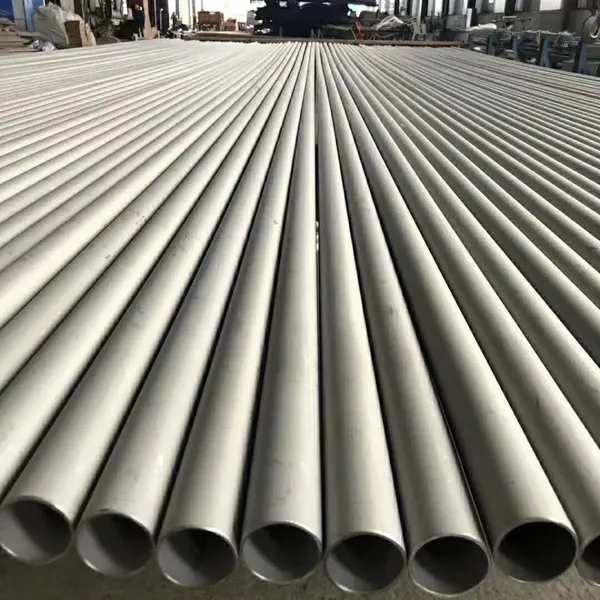 Read More
 -
Three types of commonly available food-grade stainless steel on the market
January 20, 2026The common food-grade stainless steel pipes are mainly composed of iron, chromium and carbon and other elements. Household stainle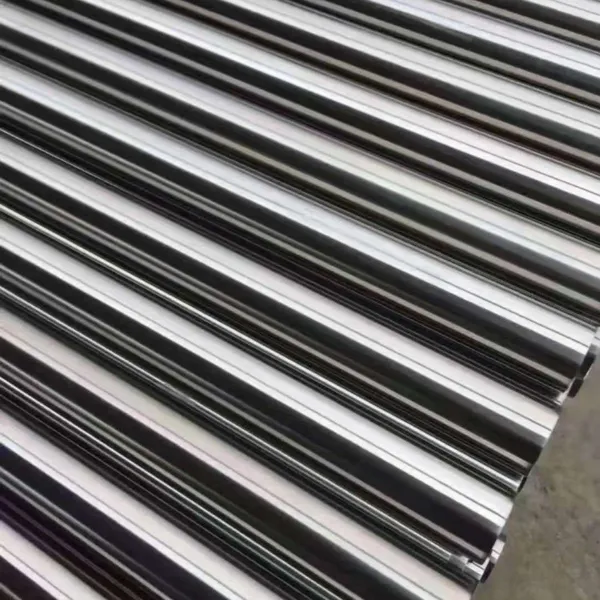 Read More
 -
What are the requirements for stainless steel welding pipe production equipment
January 20, 2026As is well known, stainless steel welded pipes have been widely used in various industries such as machinery, chemical engineering Read More

Contact Us
Recommended Products
-
 Stainless Steel Elbow Welded Elbow 45/90/180-degree Seamless Pressed Elbow Long Radius Elbow Short Radius Elbow WholesaleNegotiableMOQ: 1 Piece
 -
316L/1.4405 Seamless Stainless Steel PipeNegotiableMOQ: 2 Meters
-
310s 440 Seamless Sanitary Piping Price 321 904l 201 20 Inch Seamless Steel Pipe A554 Stainless Steel PipeNegotiableMOQ: 1 Piece
-
China Brand ZZ Wholesale 304L 316 316L Welded Austenitic Piping Stainless Steel Pipe SupplierNegotiableMOQ: 2 Meters
-
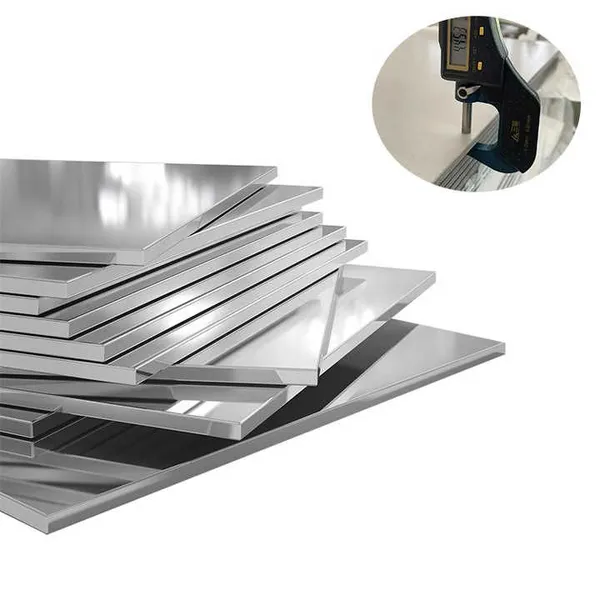
304/304L/316/409/410/904L/2205/2507/310H Premium Stainless Steel Sheets Supplier Custom Sizes & FinishesUS$ 1.72MOQ: 1 Ton
-
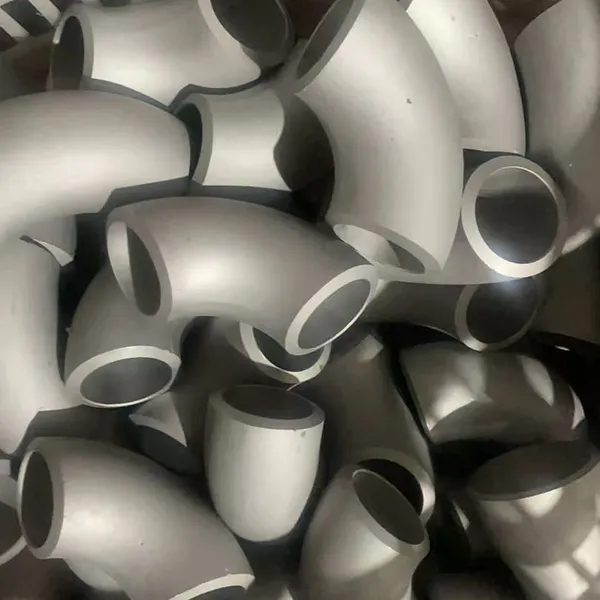
Stainless Steel ASME B16.9 Sch 45 90 Degree Pipe Fittings ElbowUS$ 8MOQ: 1 Piece
-
China Brand Zz 304L 316/316L GB En JIS Standard Thin Wall Welded Stainless Steel Water Pipe/TubeNegotiableMOQ: 2 Meters
-
BA 4 Inch 6 Inch 8 Inch 201 304 304L 316 316L Welded Seamless Stainless Steel PipeNegotiableMOQ: 2 Meters
-
ASME B36.19M-2004 SCH40S Stainless Steel Pipe - Complies With EU 3.1 CertificationUS$ 1 - 650MOQ: 1 Piece
-
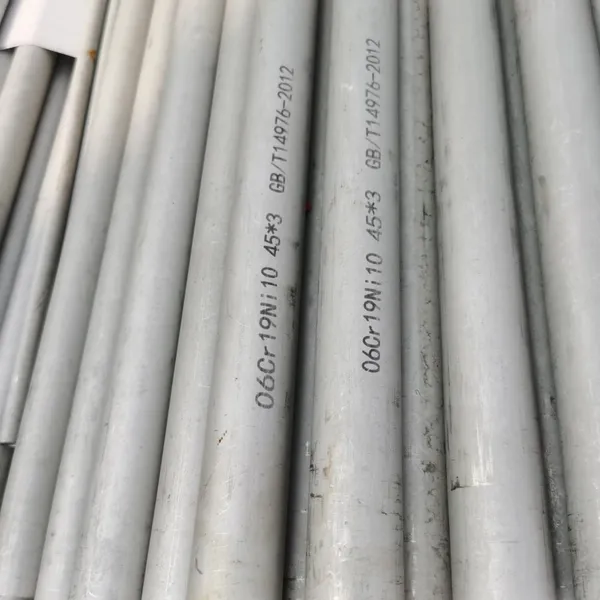
Factory TP309/TP309S/TP309H (UNS30900) Seamless Stainless Steel Pipe and Tube for Boiler BafflesUS$ 8MOQ: 200 Kilograms
-
TP347/TP347H/1.4961/S34709 Seamless Stainless Steel Pipe for UseNegotiableMOQ: 2 Meters
-
China 304 316 Stainless Steel Sanitary Welded Tube Food Grade Sanitary Grade Welded Pipe PolishingNegotiableMOQ: 1 Piece
-
China Manufacture Stainless Steel 316L Ba Seamless Welded Steel Pipe TubesUS$ 1760 - 1860MOQ: 5 Tons
-
316L/1.4405 Seamless Stainless Steel PipeNegotiableMOQ: 2 Meters
-
Stainless Steel Globe Valve – High Durability & Corrosion ResistanceNegotiableMOQ: 1 Piece
-
1.4529 Stainless Steel Flat Plate for Chemical Processing EquipmentUS$ 25 - 35MOQ: 1 Kilogram
-
Color Coated Steel Panels for Warehouse Partition Walls (Fireproof Grade)US$ 1 - 1.2MOQ: 50 Kilograms
-
Custom Width (600mm-1250mm) Colored Steel Coil With Scratch ResistanceUS$ 1 - 1.2MOQ: 50 Kilograms
-
0.5mm-3.0mm Colored Coated Steel Sheet With PVDF/Polyester CoatingUS$ 1 - 1.2MOQ: 50 Kilograms
-
JIS G 3322 Compliant Colored Coils With Third-Party Inspection ReportUS$ 1 - 1.2MOQ: 50 Kilograms