
 Business License

What are the differences between 304 stainless steel tubes and 316L stainless steel tubes in the new
In the field of new energy vehicles, the core differences between 304 stainless steel tubes and 316L stainless steel tubes lie in their chemical composition, corrosion resistance, mechanical properties, and precise matching of application scenarios. The following provides a detailed comparison from the material's essence to its engineering application.
I. Differences in Chemical Composition and Basic Properties 304 Stainless Steel
Contains 18% chromium (Cr), 8% nickel (Ni), without molybdenum (Mo), and belongs to austenitic stainless steel. Its carbon content is ≤ 0.07%, with low cost and excellent machinability, but has relatively weak resistance to pitting corrosion.
Typical applications: body structural components, general cooling pipelines (such as battery cooling fluid transportation).
316L Stainless Steel
Added 2-3% molybdenum (Mo) on the basis of 304, with the nickel content increased to 10-14%, and the carbon content further reduced to ≤ 0.03%. The addition of molybdenum significantly enhances resistance to pitting and crevice corrosion, especially in chloride ion environments.
Typical applications: high-pressure hydrogen storage and transportation pipelines, fuel cell bipolar plates, vehicle components in coastal areas.
II. Corrosion Resistance: Differentiation from Conventional to Extreme Environments
1. Conventional Corrosive Environments 304 Stainless Steel
The chromium oxide film formed on the surface can resist atmospheric, freshwater, and weak acid-base corrosion (such as ethylene glycol in battery coolant), meeting the basic requirements for cooling pipelines in new energy vehicles (with a wall thickness of ≤ 1mm).
Case: The battery cooling system of BYD Han EV uses 304 stainless steel pipes, combined with a direct cooling plate design, with a temperature difference controlled within ±2℃.
316L Stainless Steel
Based on 304, the "passivation film" formed by molybdenum can resist stronger corrosive media (such as LiPF₆ in electrolyte and salt fog in seawater). For example, the hydrogen storage pipeline of Toyota Mirai passed a 1000-hour salt fog test (ASTM B117), with a leakage rate of ≤ 1×10⁻⁹ mbar・L/s.
2. Chloride ion-sensitive environment (core difference)
Chloride ions (Cl⁻) easily destroy the stainless steel passivation film, causing pitting corrosion. The molybdenum content in 316L increases its pitting resistance equivalent (PREN) to ≥ 32 (304 is ≥ 22), capable of withstanding extreme scenarios such as seawater and de-icing agents.
Comparison data: In a 5% NaCl solution, the corrosion rate of 304 is 20.36 g/(m²・h), while that of 316L is only 6.86 g/(m²・h).
3. Resistance to hydrogen embrittlement in hydrogen energy environment
In high-pressure hydrogen energy (35MPa/70MPa), hydrogen molecules penetrating the lattice will cause embrittlement. 316L, due to its stable austenitic structure and the reduction of hydrogen solubility by molybdenum, retains its tensile strength retention rate of ≥ 90% in the hydrogen embrittlement test (ASTM F1459), while 304, lacking molybdenum, has significantly higher hydrogen embrittlement sensitivity.
Application scenarios: 70MPa vehicle hydrogen storage systems must use 316Lmod (high-nickel version), while 304 is only suitable for low-pressure hydrogen pipelines (such as fuel cell laboratory equipment).
III. Mechanical Properties and Adaptability to Extreme Conditions
1. Strength and Fatigue Performance 304 Stainless Steel
Tensile strength is approximately 515 MPa, yield strength is 205 MPa, elongation is ≥ 40%, suitable for lightweight structures (such as battery pack brackets), but the fatigue life is limited under long-term vibration (10⁷ cycles with strength ≤ 150 MPa).
Example: The battery bracket of the Xiaopeng G9 is made of 304 stainless steel and laser welded, with a fatigue life exceeding 100,000 cycles.
316L Stainless Steel
Tensile strength ≥ 620 MPa, yield strength 310 MPa, elongation ≥ 30%, and fatigue strength (10⁷ cycles ≥ 150 MPa) is significantly better than 304. For example, the front suspension control arm of the NIO ET5 uses 316L stainless steel, and its ability to withstand vibration in harsh conditions is improved by 40%.
2. High and Low Temperature Performance
High temperature scenario: 316L has a temperature resistance of up to 800°C (304 is 600°C), suitable for high-temperature components of fuel cell stacks (such as bipolar plates).
Low temperature scenario: 316L maintains toughness at -196°C (impact energy ≥ 40 J), while 304's impact performance significantly decreases below -40°C, and is only suitable for ordinary low-temperature pipelines.
IV. Compliance and Life Cycle Cost
1. Industry Standards and Certifications 304 Stainless Steel
It must comply with general standards such as ISO 11439 (Stainless Steel Tubes for Road Vehicles) and GB/T 14976 (Stainless Steel Tubes for Fluid Transportation), with a relatively low certification cost of 613.
316L Stainless Steel
When it comes to high-end fields such as hydrogen energy and fuel cells, more stringent certifications are required:
Hydrogen storage system: GB/T 26990-2011 (Technical Conditions for Vehicle Hydrogen Systems), ISO 19880-3 (Hydrogen Leakage Test).
Fuel cell bipolar plate: It needs to pass simulated acidic environment tests (such as 0.5M H₂SO₄ + 2ppm HF), with a corrosion current density of ≤ 1×10⁻⁶ A/cm².
2. Cost and Sustainability
Material Cost: The price of 316L is 30-50% higher than that of 304 (due to the scarcity of molybdenum), but the total life cycle cost (maintenance, replacement frequency) is lower. For example, the design life of 316L hydrogen storage pipelines is 30 years, while 304 can only meet 10 years.
Low-carbon Production: Baowu Zhanjiang Base uses hydrogen-based vertical furnaces to smelt 316L, reducing CO₂ emissions per ton of steel by 90%, meeting the "Full Life Cycle Low Carbon" requirements of the new energy industry.
V. Precise Selection of Sub-scenarios
1. Battery System
304 Stainless Steel:
Battery cooling pipeline (resistant to ethylene glycol corrosion): Wall thickness ≤ 1mm, requires 100,000 cycle leakage-free test.
Battery pack frame: Lightweight design (such as the body frame of Tesla Cybertruck), but regular corrosion inspection is required.
316L Stainless Steel:
Battery explosion-proof valve pipeline: Directional emission of high-temperature gas, explosion pressure control accuracy ±0.1MPa (such as Ideal L9).
Battery liquid cooling plate: Heat transfer efficiency is 15% higher than aluminum alloy, suitable for ultra-fast charging vehicles (such as BYD Blade Battery).
2. Hydrogen Energy System
304 Stainless Steel:
Only applicable to laboratory-level low-pressure hydrogen gas pipelines (≤1MPa), requires surface coating (such as DLC) to reduce hydrogen permeation.
316L Stainless Steel:
Vehicle hydrogen storage bottle connection pipe: Resistant to hydrogen embrittlement at 70MPa high pressure, passes hydrogen embrittlement test (ASTM F1459), leakage rate ≤ 1×10⁻⁹ mbar・L/s.
Fuel cell bipolar plate: Surface gold plating (thickness ≥ 0.1μm), contact resistance ≤ 5 mΩ・cm², lifespan over 5,000 hours.
3. Thermal Management and Exhaust System
304 Stainless Steel:
Motor cooling pipeline: Resistant to 120℃ high temperature, but long-term use requires regular inspection of oxide layer integrity.
Common exhaust manifold: Temperature resistance ≤ 600℃, suitable for hybrid vehicles (such as Geely Thunder System).
316L Stainless Steel:
Turbocharger connection pipe: Temperature resistance 800℃, lifespan over 150,000 kilometers (such as Toyota Mirai Second Generation).
Coastal area vehicle pipelines: Resistant to salt fog corrosion (1000 hours without rust spots), such as Volkswagen ID.4 application in the Nordic market.
VI. Technical Trends and Alternatives
Application of Coating Technology
For 316L, through diamond-like carbon films (DLC) or gold plating, hydrogen permeation can be further reduced (permeation rate ≤ 0.01 mm/year), while the surface hardness can be increased (≥ 2000HV).
For 304 stainless steel, it needs to rely on fluorocarbon paint or enamel coating (thickness ≥ 50 μm) to meet some corrosion scenarios, but the adhesion and durability of the coating are lower than 316L.
Lightweighting and Compositing
The combination of 304 stainless steel with aluminum alloy (such as an outer layer of 304 + an inner layer of Al) can reduce weight by 20%, and is used for non-critical structural components (such as battery compartment brackets).
The combination of 316L stainless steel with carbon fiber reinforced plastic (CFRP) can reduce weight by 40% while maintaining strength, and is suitable for high-end vehicle hydrogen storage systems.
Summary: How to choose?
For scenarios where cost is a concern, mild corrosive environments, and lightweight requirements are high (such as battery cooling tubes, vehicle frames), 304 stainless steel should be the preferred choice.
For scenarios involving high-pressure hydrogen energy, strong corrosive media (seawater / electrolyte), and extreme conditions of high/low temperatures (such as hydrogen storage systems, bipolar plates of fuel cells), 316L stainless steel should be selected.
Core principle: Material selection should be based on "full life cycle cost". The initial investment of 316L is high, but it can achieve total cost optimization by extending lifespan and reducing maintenance in high-end applications. With the popularization of hydrogen vehicles and ultra-fast charging technologies, the market share of 316L will continue to increase, while 304 will still maintain its dominant position in basic components.
Recently Posted
-
Does the stainless steel welded pipe have specific temperature requirements during the solution heat
January 20, 2026Solution heat treatment involves heating stainless steel to a high temperature and then rapidly cooling it to achieve an oversatur Read More
 -
Can stainless steel welded pipes be made into thick pipes
January 20, 2026With the improvement of high-quality welding technology and increasingly strict weld inspection, the application fields of s Read More
 -
Three types of commonly available food-grade stainless steel on the market
January 20, 2026The common food-grade stainless steel pipes are mainly composed of iron, chromium and carbon and other elements. Household stainle Read More
 -
What are the requirements for stainless steel welding pipe production equipment
January 20, 2026As is well known, stainless steel welded pipes have been widely used in various industries such as machinery, chemical engineering Read More

Contact Us
Recommended Products
-
 Stainless Steel Elbow Welded Elbow 45/90/180-degree Seamless Pressed Elbow Long Radius Elbow Short Radius Elbow WholesaleNegotiableMOQ: 1 Piece
 -
316L/1.4405 Seamless Stainless Steel PipeNegotiableMOQ: 2 Meters
-
310s 440 Seamless Sanitary Piping Price 321 904l 201 20 Inch Seamless Steel Pipe A554 Stainless Steel PipeNegotiableMOQ: 1 Piece
-
China Brand ZZ Wholesale 304L 316 316L Welded Austenitic Piping Stainless Steel Pipe SupplierNegotiableMOQ: 2 Meters
-
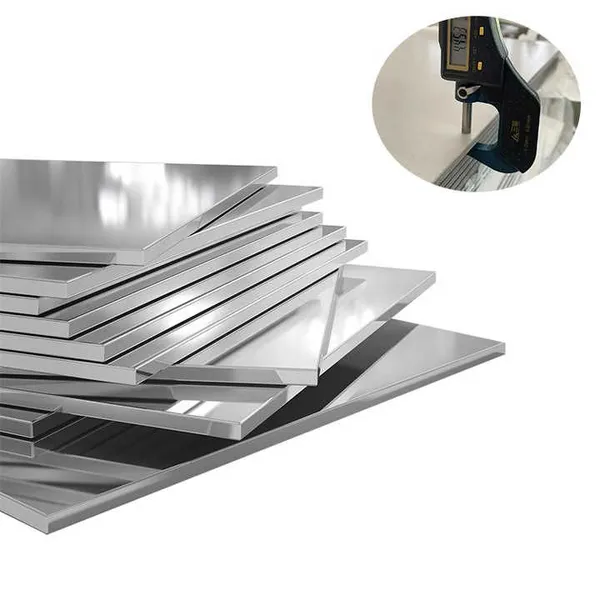
304/304L/316/409/410/904L/2205/2507/310H Premium Stainless Steel Sheets Supplier Custom Sizes & FinishesUS$ 1.72MOQ: 1 Ton
-
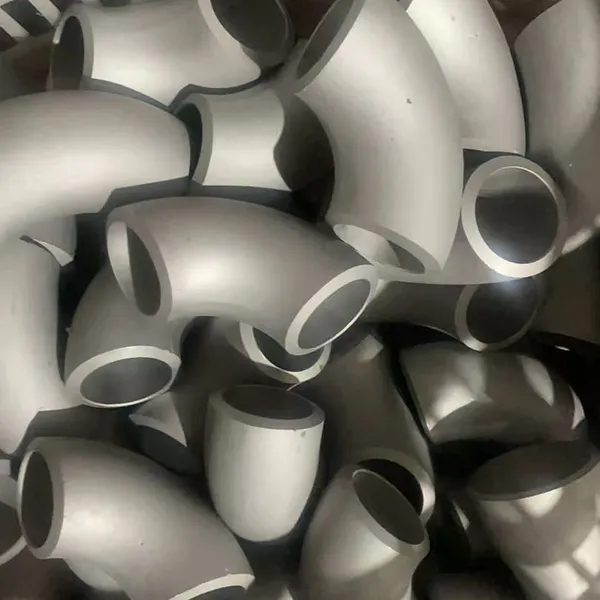
Stainless Steel ASME B16.9 Sch 45 90 Degree Pipe Fittings ElbowUS$ 8MOQ: 1 Piece
-
China Brand Zz 304L 316/316L GB En JIS Standard Thin Wall Welded Stainless Steel Water Pipe/TubeNegotiableMOQ: 2 Meters
-
BA 4 Inch 6 Inch 8 Inch 201 304 304L 316 316L Welded Seamless Stainless Steel PipeNegotiableMOQ: 2 Meters
-
ASME B36.19M-2004 SCH40S Stainless Steel Pipe - Complies With EU 3.1 CertificationUS$ 1 - 650MOQ: 1 Piece
-
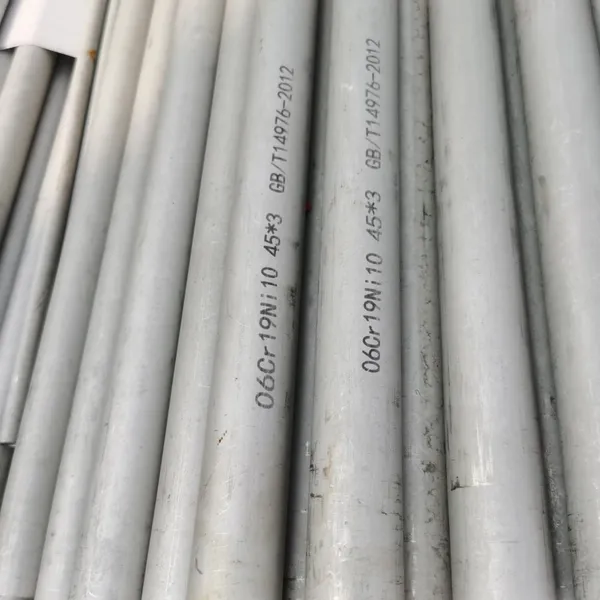
Factory TP309/TP309S/TP309H (UNS30900) Seamless Stainless Steel Pipe and Tube for Boiler BafflesUS$ 8MOQ: 200 Kilograms
-
TP347/TP347H/1.4961/S34709 Seamless Stainless Steel Pipe for UseNegotiableMOQ: 2 Meters
-
China 304 316 Stainless Steel Sanitary Welded Tube Food Grade Sanitary Grade Welded Pipe PolishingNegotiableMOQ: 1 Piece
-
China Manufacture Stainless Steel 316L Ba Seamless Welded Steel Pipe TubesUS$ 1760 - 1860MOQ: 5 Tons
-
316L/1.4405 Seamless Stainless Steel PipeNegotiableMOQ: 2 Meters
-
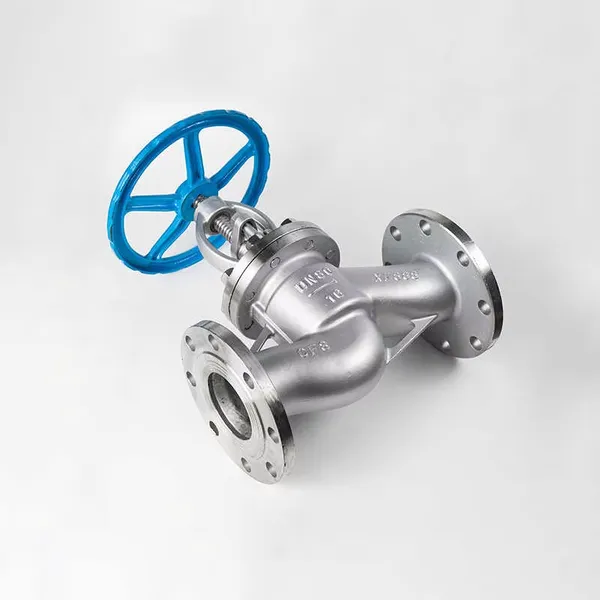
Stainless Steel Globe Valve – High Durability & Corrosion ResistanceNegotiableMOQ: 1 Piece
-
1.4529 Stainless Steel Flat Plate for Chemical Processing EquipmentUS$ 25 - 35MOQ: 1 Kilogram
-
Color Coated Steel Panels for Warehouse Partition Walls (Fireproof Grade)US$ 1 - 1.2MOQ: 50 Kilograms
-
Custom Width (600mm-1250mm) Colored Steel Coil With Scratch ResistanceUS$ 1 - 1.2MOQ: 50 Kilograms
-
0.5mm-3.0mm Colored Coated Steel Sheet With PVDF/Polyester CoatingUS$ 1 - 1.2MOQ: 50 Kilograms
-
JIS G 3322 Compliant Colored Coils With Third-Party Inspection ReportUS$ 1 - 1.2MOQ: 50 Kilograms