
 Business License

What requirements do the new energy business models have for stainless steel pipes
In the new energy business sectors (such as photovoltaics, wind power, hydrogen energy, energy storage, and new energy vehicles, etc.), stainless steel pipes have diverse application scenarios (such as fluid transportation, structural support, thermal management, etc.). The performance requirements for these pipes need to be determined comprehensively based on specific conditions (such as medium, pressure, temperature, environmental corrosion, etc.). The following are the common and specific domain core requirements:
I. Core Material Performance Requirements
Corrosion Resistance
New energy equipment often comes into contact with corrosive media (such as electrolyte, coolant, hydrogen, moisture, salt fog, etc.), and it is necessary to select an appropriate stainless steel grade based on the characteristics of the medium:
General corrosive environment (such as air, fresh water): 304 stainless steel (containing 18% Cr and 8% Ni) can meet basic requirements;
Strong corrosive environment (such as electrolyte, seawater, trace impurities in hydrogen): 316L (containing Mo, enhancing resistance to pitting), duplex steel (such as 2205, balancing strength and corrosion resistance), or super austenitic stainless steel (such as 904L, resisting overall corrosion) are required;
Hydrogen energy field: It is necessary to resist hydrogen embrittlement and hydrogen permeation, and prioritize high-nickel austenitic stainless steel (such as 316Lmod), avoiding hydrogen-induced cracking (HIC) and stress corrosion cracking (SCC).
Mechanical Properties
It is necessary to achieve a balance of strength, toughness, and fatigue performance:
High-pressure scenarios (such as hydrogen energy storage and transmission pipelines, high-pressure container connection pipes): High tensile strength (≥500 MPa), high yield strength (≥200 MPa), and sufficient elongation rate (≥40%) are required to avoid brittle fracture;
Dynamic load scenarios (such as wind turbine tower pipe lines, new energy vehicle chassis pipe lines): Excellent fatigue strength (≥200 MPa after 10⁷ cycles) is required to resist vibration fatigue;
Low-temperature scenarios (such as low-temperature energy storage): Low-temperature impact toughness (-40°C, AKV ≥ 40 J) is required to prevent low-temperature fracture.
II. Structural and Process Requirements
Dimensional Accuracy and Consistency
The pipe diameter and wall thickness tolerances must be strictly controlled (±0.1mm) to ensure the sealing performance (such as the fit with flanges and bushings);
Wall thickness uniformity (deviation ≤ 5%), to avoid local stress concentration leading to rupture (especially in high-pressure scenarios).
Surface Quality
Surface finish (Ra ≤ 1.6μm): reduce fluid resistance (such as in cooling pipelines), prevent pollutant adhesion (such as in photovoltaic cleaning systems);
Surface passivation treatment: through chromate passivation or acid washing, form a dense oxide film, enhancing corrosion resistance;
No surface defects (such as cracks, pinholes, scratches): avoid defects becoming the starting point of corrosion or stress concentration.
Welding and Connection Reliability
If it is a welded pipe, the weld seam must have no defects such as pores, slag inclusions, or incomplete fusion, and the weld strength should not be lower than the base material (need to pass flaw detection tests, such as X-ray, ultrasonic);
Appropriate connection method (welding, flange, bushing, etc.): for hydrogen energy pipelines, welding should avoid intergranular corrosion caused by high temperature, and necessary post-weld heat treatment should be carried out.
III. Environmental and Operating Condition Adaptability
Thermal Resistance
High-temperature scenarios (such as photovoltaic-thermal power generation, fuel cell stacks): Must be resistant to high-temperature oxidation (such as 310S stainless steel, with a temperature resistance of up to 1100°C), and have a stable thermal expansion coefficient to avoid thermal stress cracking;
Low-temperature scenarios (such as liquid hydrogen storage and transportation, low-temperature energy storage): Must maintain low-temperature toughness (such as 304L, with good impact performance at -196°C), and prevent low-temperature fracture.
Resistance to Hydrogen Embrittlement and Hydrogen Permeation (Core in the Hydrogen Energy Field)
Under high-pressure hydrogen environments (35MPa/70MPa), hydrogen molecules are prone to penetrate the stainless steel lattice, causing embrittlement. Required:
Choose austenitic stainless steel with low hydrogen solubility (such as 316L), or apply surface coatings (such as diamond-like carbon DLC) to reduce hydrogen permeation;
Control the material hardness (≤240HV), avoiding an increase in hydrogen embrittlement sensitivity due to high hardness;
Verify through hydrogen embrittlement tests (such as ASTM F1459) to ensure no cracking risk within the design lifespan.
Fatigue and Vibration Resistance (such as wind power, new energy vehicles)
The internal pipelines of wind turbine towers need to withstand long-term vibration, requiring the material to have high fatigue strength (10⁷ cycle strength ≥ 150MPa);
The cooling pipes of new energy vehicle batteries need to withstand jolting vibration, with uniform pipe walls and no defects to avoid fatigue failure.
IV. Compliance and Sustainability
Standards and Certifications
It is necessary to comply with specific industry standards, such as:
Hydrogen pipelines: ISO 19880 (Hydrogen Infrastructure), GB/T 37244 (High-Voltage Hydrogen System for Vehicles);
New energy vehicle pipelines: ISO 11439 (Stainless Steel Pipes for Road Vehicles);
Photovoltaic / Wind power: GB/T 14976 (Stainless Steel Pipes for Fluid Transportation), ASTM A312 (Austenitic Stainless Steel Seamless Pipes).
Low Carbon and Sustainability
The new energy industry emphasizes "low carbon throughout the entire life cycle", requiring the production process of stainless steel pipes to use green electricity for smelting (such as hydrogen-based steelmaking), and the materials to be recyclable (the stainless steel recycling rate is > 90%), in line with the requirements of the circular economy.
V. Special Requirements for Specific Fields
Cooling pipelines for new energy vehicles: Need to be lightweight (thin wall ≤ 1mm but with high strength), resistant to corrosion from coolant (ethylene glycol), and compatible with connection components (such as plastics, rubber) without electrochemical corrosion;
Pipelines for photovoltaic cleaning systems: Resistant to ultraviolet aging, resistant to corrosion from cleaning solutions (weak acids and alkalis), and with smooth inner walls to reduce scale formation;
Pipelines for energy storage battery compartments: High fire resistance (such as meeting UL 94 V-0 standards), and resistant to electrolyte leakage (such as LiPF₆) corrosion.
In conclusion, for the stainless steel pipes in the new energy industry, they must precisely match the working conditions in terms of core indicators such as corrosion resistance, mechanical properties, and environmental adaptability, and must also meet compliance and sustainability requirements. Different sub-sectors require targeted optimization designs.
Recently Posted
-
Does the stainless steel welded pipe have specific temperature requirements during the solution heat
January 20, 2026Solution heat treatment involves heating stainless steel to a high temperature and then rapidly cooling it to achieve an oversatur Read More
 -
Can stainless steel welded pipes be made into thick pipes
January 20, 2026With the improvement of high-quality welding technology and increasingly strict weld inspection, the application fields of s Read More
 -
Three types of commonly available food-grade stainless steel on the market
January 20, 2026The common food-grade stainless steel pipes are mainly composed of iron, chromium and carbon and other elements. Household stainle Read More
 -
What are the requirements for stainless steel welding pipe production equipment
January 20, 2026As is well known, stainless steel welded pipes have been widely used in various industries such as machinery, chemical engineering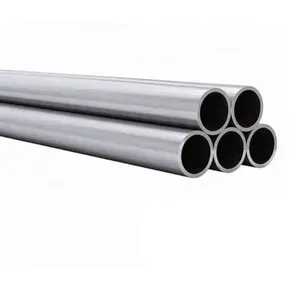 Read More

Contact Us
Recommended Products
-
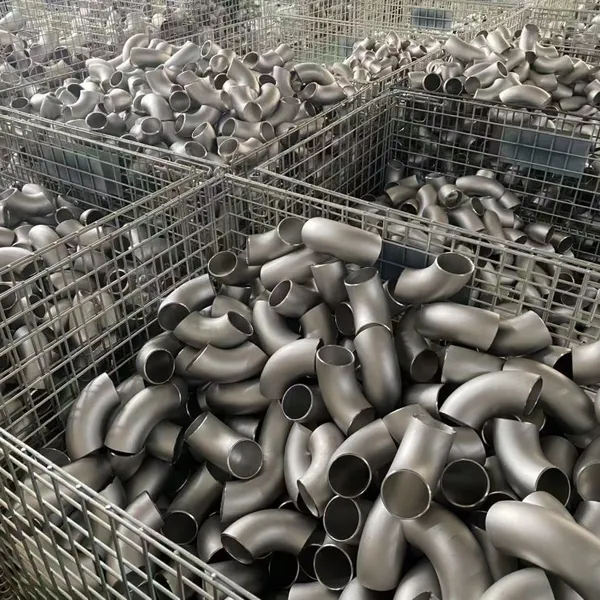
 Stainless Steel Elbow Welded Elbow 45/90/180-degree Seamless Pressed Elbow Long Radius Elbow Short Radius Elbow WholesaleNegotiableMOQ: 1 Piece
 -
316L/1.4405 Seamless Stainless Steel PipeNegotiableMOQ: 2 Meters
-
310s 440 Seamless Sanitary Piping Price 321 904l 201 20 Inch Seamless Steel Pipe A554 Stainless Steel PipeNegotiableMOQ: 1 Piece
-
China Brand ZZ Wholesale 304L 316 316L Welded Austenitic Piping Stainless Steel Pipe SupplierNegotiableMOQ: 2 Meters
-
304/304L/316/409/410/904L/2205/2507/310H Premium Stainless Steel Sheets Supplier Custom Sizes & FinishesUS$ 1.72MOQ: 1 Ton
-
Stainless Steel ASME B16.9 Sch 45 90 Degree Pipe Fittings ElbowUS$ 8MOQ: 1 Piece
-
China Brand Zz 304L 316/316L GB En JIS Standard Thin Wall Welded Stainless Steel Water Pipe/TubeNegotiableMOQ: 2 Meters
-
BA 4 Inch 6 Inch 8 Inch 201 304 304L 316 316L Welded Seamless Stainless Steel PipeNegotiableMOQ: 2 Meters
-
ASME B36.19M-2004 SCH40S Stainless Steel Pipe - Complies With EU 3.1 CertificationUS$ 1 - 650MOQ: 1 Piece
-
Factory TP309/TP309S/TP309H (UNS30900) Seamless Stainless Steel Pipe and Tube for Boiler BafflesUS$ 8MOQ: 200 Kilograms
-
TP347/TP347H/1.4961/S34709 Seamless Stainless Steel Pipe for UseNegotiableMOQ: 2 Meters
-
China 304 316 Stainless Steel Sanitary Welded Tube Food Grade Sanitary Grade Welded Pipe PolishingNegotiableMOQ: 1 Piece
-
China Manufacture Stainless Steel 316L Ba Seamless Welded Steel Pipe TubesUS$ 1760 - 1860MOQ: 5 Tons
-
316L/1.4405 Seamless Stainless Steel PipeNegotiableMOQ: 2 Meters
-
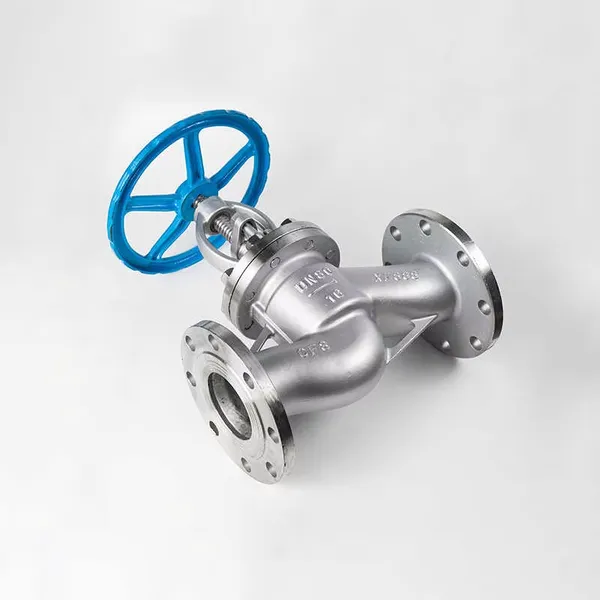
Stainless Steel Globe Valve – High Durability & Corrosion ResistanceNegotiableMOQ: 1 Piece
-
World's Most Affordable Color-Coated Steel Sheets - 0.3mm to 3mm Thickness - Mill Test Report IncludedUS$ 1102MOQ: 10 Kilograms
-
Color-Coated Steel Sheets With 15-Year Fade Warranty - JIS G 3322 Standard CompliantUS$ 1102MOQ: 10 Kilograms
-
Prefab Building Material - 0.4mm Color-Coated Corrugated Sheets - 100,000㎡ Monthly OutputUS$ 1102MOQ: 10 Kilograms
-
Industrial-Grade Color-Coated Sheets - 150-250g/m² Zinc Coating - Weather & UV ResistantUS$ 1102MOQ: 10 Kilograms
-
Factory-Direct Color-Coated Steel Plates - PVDF/Polyester Coating - 1220mm Standard WidthUS$ 1102MOQ: 10 Kilograms