
 Business License

What are the factors that affect the heat exchange efficiency of stainless steel heat exchange tubes
The heat exchange efficiency of stainless steel heat exchange tubes is the core indicator for evaluating their performance. It is influenced by various factors, which include both the structural and material characteristics of the heat exchange tubes themselves, as well as external fluid parameters and operating environment. The following provides a detailed analysis of the influencing factors from specific dimensions:
I. Structure and Material Characteristics of Heat Exchanger Tubes
The physical form and material properties of heat exchanger tubes directly determine their basic heat transfer capacity and are the intrinsic factors affecting efficiency.
1. Tube Type Structure and Surface Area
Heat transfer efficiency is directly proportional to the heat transfer area (heat transfer formula: Q = K・A・Δt, where A is the heat transfer area). The tube type structure affects efficiency by changing the surface area and the state of fluid disturbance:
Straight tube vs. Special-shaped tube: The surface area of a common straight tube is only the cylindrical area of the tube body, while special-shaped tubes such as corrugated tubes and spiral groove tubes increase the effective heat transfer area through surface waves and grooves (20%-50% higher than straight tubes), and at the same time, the disturbed fluid forms turbulence, breaking the heat transfer boundary layer (the boundary layer is a "thermal insulation layer" that hinders heat transfer), significantly improving the convective heat transfer coefficient. For example, the corrugated tube's wave structure can cause strong vortices in the fluid inside the tube, with a convective heat transfer coefficient 30%-60% higher than that of a straight tube.
Gain in surface area of finned tubes: Finned tubes increase the heat transfer area by 2-10 times by adding fins outside (or inside) the tube (such as the higher height of the spiral finned tube, the larger the area). They are particularly suitable for gas-side (air, flue gas) heat transfer (gas has a low thermal conductivity, so the area needs to be expanded to make up for it). For example, in an air cooler, the heat transfer efficiency of stainless steel finned tubes is 3-5 times that of bare tubes.
Tube wall thickness and material thermal conductivity:
Tube wall thickness: Under the premise of meeting strength requirements, the thinner the tube wall, the smaller the thermal resistance (thermal resistance formula: R = δ/λ, δ is thickness, λ is thermal conductivity), the faster the heat transfer. For the same material, a 2mm-thick heat exchanger tube has 50% lower thermal resistance than a 4mm tube, and has higher heat transfer efficiency.
Material thermal conductivity: The thermal conductivity of stainless steel (304 stainless steel is approximately 16.2 W/(m・K)) is lower than that of copper (approximately 401 W/(m・K)), but higher than that of carbon steel (approximately 45 W/(m・K)). The thermal conductivity of different stainless steel grades varies slightly (such as 316L is approximately 15.1 W/(m・K), slightly lower than 304), but the overall difference is small, and its impact on efficiency is much smaller than the structural factors.
II. Fluid Flow State and Parameters
The fluids inside and outside the heat exchange tubes (tube-side fluid and shell-side fluid) are the carriers of heat transfer, and their flow characteristics directly affect the intensity of convective heat transfer (convective heat transfer is the main heat transfer mode between the heat exchange tubes and the fluids).
1. Fluid Flow Velocity and Flow State
The influence of flow velocity: The convective heat transfer coefficient (h) is positively correlated with flow velocity (in turbulent conditions, h ≈ the 0.8th power of the flow velocity). The higher the flow velocity, the stronger the fluid turbulence, and the thinner the boundary layer (the stationary / low-speed fluid layer close to the tube wall, with high thermal resistance) and the faster the heat transfer. For example, when the flow velocity inside the tube increases from 1 m/s to 2 m/s, the convective heat transfer coefficient can increase by approximately 60%, and the heat transfer efficiency is significantly improved.
Flow state (laminar vs turbulent):
Laminar flow (Re <2000): The fluid flows parallel to the tube axis, with weak turbulence, a thick boundary layer, and a low convective heat transfer coefficient (for example, high-viscosity fluids such as crude oil tend to be laminar, resulting in poor heat transfer efficiency).
Turbulent flow (Re > 4000): The fluid flows in an irregular vortex pattern, with the boundary layer disrupted, and a high convective heat transfer coefficient. Therefore, in design, it is usually achieved by increasing the flow velocity or using special-shaped tubes (such as wave-section tubes) to force the fluid into a turbulent state to improve efficiency.
2. Fluid Physical Properties
The thermal physical parameters of the fluid determine its "heat-carrying capacity", which directly affects the heat transfer efficiency:
Thermal conductivity (λ): The higher the thermal conductivity of the fluid, the faster the heat is transferred within the fluid. For example, water (λ ≈ 0.6 W/(m・K)) has a much higher heat transfer efficiency than air (λ ≈ 0.026 W/(m・K)), so "water-water" heat transfer is more efficient than "water-air" heat transfer.
Specific heat capacity (cₚ) and density (ρ): These two parameters determine the "heat-carrying capacity" of the fluid (the amount of heat required to change the temperature of a unit volume of fluid by 1℃). For example, the specific heat capacity of oils (cₚ ≈ 2000 J/(kg・K)) is lower than that of water (cₚ ≈ 4200 J/(kg・K)), and in the same flow rate, water has a higher heat transfer efficiency.
Viscosity (μ): High-viscosity fluids (such as syrups, heavy oils) have high flow resistance and are prone to laminar flow, with a thick boundary layer and a low convective heat transfer coefficient. Therefore, when dealing with high-viscosity media, it is necessary to use wave-section tubes, helical groove tubes, etc. to enhance turbulence and reduce the impact of viscosity on efficiency.
III. Heat Transfer Temperature Difference and Thermal Resistance Distribution
The driving force of the heat transfer process is the temperature difference, while thermal resistance is the "resistance" that hinders heat transfer. Both jointly determine the actual heat transfer efficiency.
1. Temperature Difference of Cold and Hot Fluids (Δt)
According to the basic heat transfer formula (Q = K・A・Δt), when the heat transfer coefficient (K) and the area (A) remain constant, the greater the temperature difference, the higher the heat transfer quantity (Q). For example, the temperature difference between hot flue gas (300℃) and cold water (20℃) (280℃) is much larger than that between warm water (60℃) and cold water (20℃) (40℃). The former has a higher heat transfer efficiency.
In practice, the temperature difference is limited by the process (such as the maximum/minimum allowable temperatures of the materials), but it can be indirectly improved by optimizing the heat exchanger structure (such as counter-flow arrangement, increasing the average temperature difference).
2. Composition and Influence of Thermal Resistance
The total thermal resistance (1/K) of heat transfer is the sum of the thermal resistances of each link, including:
Tube wall thermal resistance (δ/λ₁): determined by the tube wall thickness (δ) and the thermal conductivity of stainless steel (λ₁), the thinner the thickness and the higher the thermal conductivity, the smaller the thermal resistance (for example, the λ₁ of 304 stainless steel ≈ 16.2 W/(m・K), slightly higher than 316L, so the tube wall thermal resistance of 304 is lower at the same thickness).
Fluid convective thermal resistance inside the tube (1/h₁): inversely proportional to the convective heat transfer coefficient of the fluid inside the tube (h₁), the higher the h₁ (such as in turbulent state), the smaller the thermal resistance.
Fluid convective thermal resistance outside the tube (1/h₂): similarly, affected by the flow state of the fluid outside the tube (such as the shell-side medium), for example, installing baffles in the shell side can enhance turbulence and increase h₂, reducing the thermal resistance.
Fouling thermal resistance (Rf): the most easily overlooked but significantly influential factor. After long-term operation, the inner and outer surfaces of the heat transfer tubes will deposit fouling (such as scale, oil sludge, corrosion products, microbial films), the thermal conductivity of the fouling is extremely low (such as the λ of scale ≈ 0.5 W/(m・K), only 1/30 of stainless steel), which significantly increases the total thermal resistance. For example, 0.1mm thick scale can reduce the heat transfer coefficient K by 20%-30%, directly leading to a decrease in heat transfer efficiency.
IV. Operating Conditions and Maintenance Status
The actual operating environment and maintenance level of the heat exchange tubes determine whether their performance can be consistently stable over a long period, and are "dynamic factors" that affect efficiency.
1. Fluid cleanliness and scaling tendency
Impurities (such as sand and fibers), crystallizable components (such as salts), or viscous substances (such as oils) contained in the fluid will deposit on the tube wall, forming scale, which increases the thermal resistance of the scale. For example, when treating untreated river water (containing sand and calcium-magnesium ions), the scaling speed of stainless steel heat exchange tubes is much faster than that of treating pure water, and the efficiency decays more rapidly.
Although stainless steel has better corrosion resistance and anti-scaling ability than carbon steel, it still needs to be cleaned regularly (such as chemical acid washing, high-pressure water flushing) to remove the scale and restore the heat exchange efficiency.
2. Reasonableness of flow rate
An excessively high flow rate will cause a sharp increase in fluid resistance (resistance is proportional to the square of the flow rate), increasing the energy consumption of pumps / fans; an excessively low flow rate is prone to laminar flow, reducing the convective heat transfer coefficient. For example, when the flow rate inside the pipe is lower than 0.5m/s, it tends to be laminar, and h₁ significantly decreases; when it is higher than 3m/s, the resistance is too high, and the energy consumption exceeds the benefit of efficiency improvement. Therefore, the optimal flow rate (usually the economic flow rate of water is 1-2m/s, and that of gas is 10-20m/s) should be designed according to the characteristics of the medium (such as viscosity).
3. Phase change state of the fluid
If the fluid undergoes phase change during heat exchange (such as steam condensation, liquid boiling), the heat exchange efficiency will change significantly:
Condensation heat exchange: When steam condenses on the tube wall to form liquid, it releases latent heat, and the heat transfer coefficient is extremely high (such as h ≈ 10000 W/(m²・K), much higher than single-phase fluid), at this time, the smoothness of the surface of the stainless steel heat exchange tube (reducing liquid film retention) will affect efficiency (smooth tubes are easier to drain liquid than rough tubes, and have higher efficiency).
Boiling heat exchange: When the liquid boils on the tube wall, it generates bubble-induced fluid flow, the heat transfer coefficient is also high, but it is necessary to avoid "film boiling" (the tube wall is covered by a steam film, and the thermal resistance increases sharply), at this time, the surface structure of the heat exchange tube (such as porous surface tubes, which are prone to generate bubble nuclei) can improve efficiency.
V. Tube Design and Enhanced Heat Transfer Structures
The special design of the heat exchange tubes is the key to actively improving efficiency. By optimizing fluid turbulence and increasing surface area, heat transfer is enhanced:
Non-standard tubes (wavy tubes, spiral groove tubes): Through the waves or grooves inside the tubes, forced fluid turbulence is generated, disrupting the boundary layer, and increasing the convective heat transfer coefficient h₁ by 30% - 60% (for example, the turbulence degree of wavy tubes is 2 - 3 times that of straight tubes).
Fin tubes: By adding external fins to increase the surface area of the tubes (such as fin ratio = total fin area / base tube area = 5 - 10), the deficiency of low h₂ on the gas side is compensated (for example, in air coolers, the K value of fin tubes is 3 - 5 times that of bare tubes).
Internal rib tubes: Ribs are machined on the inner wall of the tubes, which not only increases the inner surface area but also disturbs the fluid flow, suitable for scenarios where the fluid inside the tubes has a low h₁ (such as refrigerants), and can increase h₁ by 40% - 80%.
Summary
The key factors influencing the heat transfer efficiency of stainless steel heat exchange tubes can be summarized as follows: the structure determines the basic capacity (tube type, surface area), fluid parameters determine the transfer strength (flow rate, physical properties, phase change), thermal resistance and temperature difference determine the actual effect (scale, tube wall, temperature difference), and operation and maintenance determine the long-term stability (cleanliness, flow rate control). In practical applications, it is necessary to combine specific working conditions (such as the corrosiveness of the medium, temperature and pressure, space limitations), by choosing appropriate tube types (such as 316L smooth tubes for strong corrosion, corrugated tubes for efficient heat exchange), optimizing flow rates, and performing regular cleaning, to maximize the heat transfer efficiency.
Recently Posted
-
Does the stainless steel welded pipe have specific temperature requirements during the solution heat
January 20, 2026Solution heat treatment involves heating stainless steel to a high temperature and then rapidly cooling it to achieve an oversatur Read More
 -
Can stainless steel welded pipes be made into thick pipes
January 20, 2026With the improvement of high-quality welding technology and increasingly strict weld inspection, the application fields of s Read More
 -
Three types of commonly available food-grade stainless steel on the market
January 20, 2026The common food-grade stainless steel pipes are mainly composed of iron, chromium and carbon and other elements. Household stainle Read More
 -
What are the requirements for stainless steel welding pipe production equipment
January 20, 2026As is well known, stainless steel welded pipes have been widely used in various industries such as machinery, chemical engineering Read More

Contact Us
Recommended Products
-
 Stainless Steel Elbow Welded Elbow 45/90/180-degree Seamless Pressed Elbow Long Radius Elbow Short Radius Elbow WholesaleNegotiableMOQ: 1 Piece
 -
316L/1.4405 Seamless Stainless Steel PipeNegotiableMOQ: 2 Meters
-
310s 440 Seamless Sanitary Piping Price 321 904l 201 20 Inch Seamless Steel Pipe A554 Stainless Steel PipeNegotiableMOQ: 1 Piece
-
China Brand ZZ Wholesale 304L 316 316L Welded Austenitic Piping Stainless Steel Pipe SupplierNegotiableMOQ: 2 Meters
-
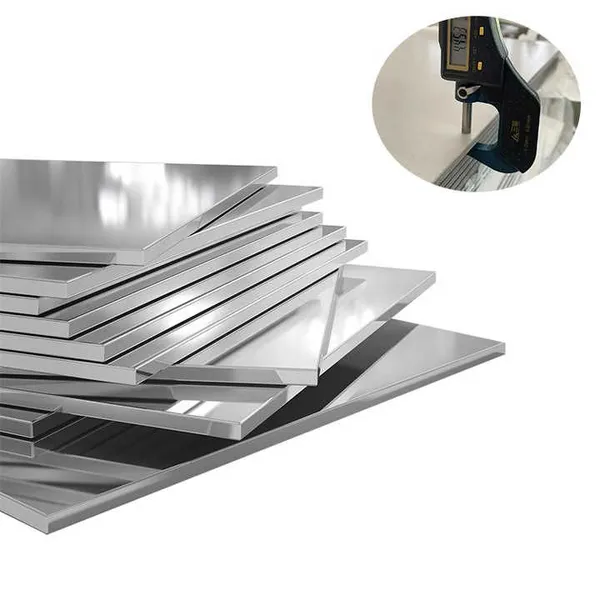
304/304L/316/409/410/904L/2205/2507/310H Premium Stainless Steel Sheets Supplier Custom Sizes & FinishesUS$ 1.72MOQ: 1 Ton
-
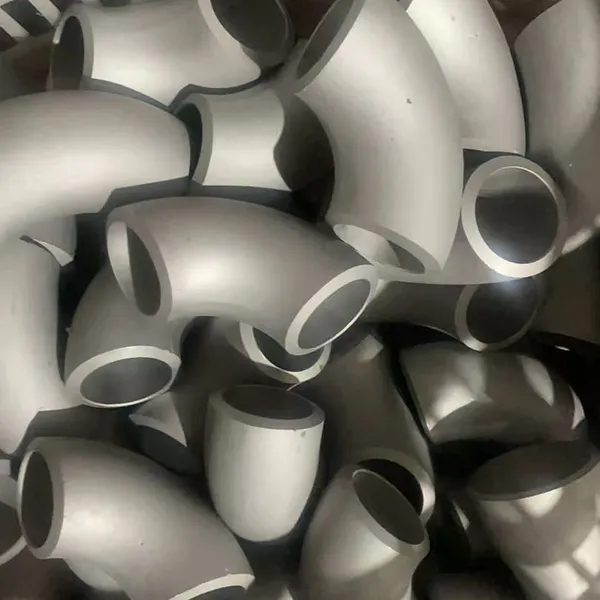
Stainless Steel ASME B16.9 Sch 45 90 Degree Pipe Fittings ElbowUS$ 8MOQ: 1 Piece
-
China Brand Zz 304L 316/316L GB En JIS Standard Thin Wall Welded Stainless Steel Water Pipe/TubeNegotiableMOQ: 2 Meters
-
BA 4 Inch 6 Inch 8 Inch 201 304 304L 316 316L Welded Seamless Stainless Steel PipeNegotiableMOQ: 2 Meters
-
ASME B36.19M-2004 SCH40S Stainless Steel Pipe - Complies With EU 3.1 CertificationUS$ 1 - 650MOQ: 1 Piece
-
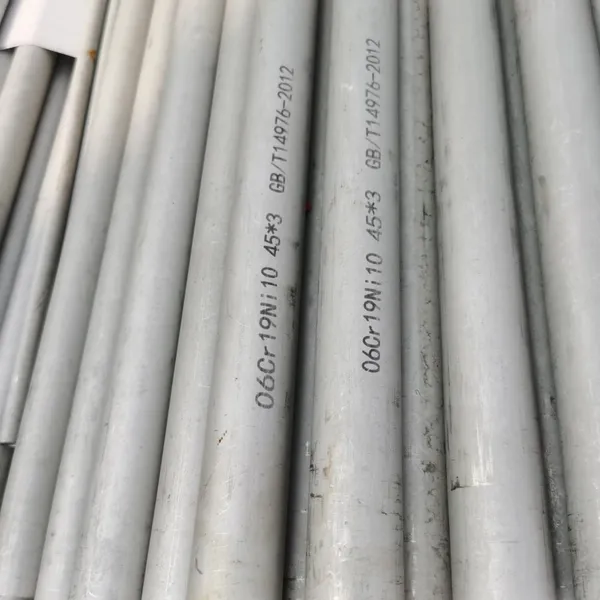
Factory TP309/TP309S/TP309H (UNS30900) Seamless Stainless Steel Pipe and Tube for Boiler BafflesUS$ 8MOQ: 200 Kilograms
-
TP347/TP347H/1.4961/S34709 Seamless Stainless Steel Pipe for UseNegotiableMOQ: 2 Meters
-
China 304 316 Stainless Steel Sanitary Welded Tube Food Grade Sanitary Grade Welded Pipe PolishingNegotiableMOQ: 1 Piece
-
China Manufacture Stainless Steel 316L Ba Seamless Welded Steel Pipe TubesUS$ 1760 - 1860MOQ: 5 Tons
-
316L/1.4405 Seamless Stainless Steel PipeNegotiableMOQ: 2 Meters
-
Stainless Steel Globe Valve – High Durability & Corrosion ResistanceNegotiableMOQ: 1 Piece
-
1.4529 Stainless Steel Flat Plate for Chemical Processing EquipmentUS$ 25 - 35MOQ: 1 Kilogram
-
Color Coated Steel Panels for Warehouse Partition Walls (Fireproof Grade)US$ 1 - 1.2MOQ: 50 Kilograms
-
Custom Width (600mm-1250mm) Colored Steel Coil With Scratch ResistanceUS$ 1 - 1.2MOQ: 50 Kilograms
-
0.5mm-3.0mm Colored Coated Steel Sheet With PVDF/Polyester CoatingUS$ 1 - 1.2MOQ: 50 Kilograms
-
JIS G 3322 Compliant Colored Coils With Third-Party Inspection ReportUS$ 1 - 1.2MOQ: 50 Kilograms