
 Business License

What are the differences when using stainless steel seamless pipes for construction sites
Compared with the stainless steel seamless pipes used in other industries, the stainless steel seamless pipes used in construction sites have the following differences:
Specification and size: The specifications of the stainless steel seamless pipes used in construction sites are usually larger, with diameters generally ranging from DN50 to DN300, or even larger, to meet the large flow requirements of building water supply and drainage, fire protection, etc. For example, the main pipe for fire protection in high-rise buildings may use a DN150 or even larger diameter stainless steel seamless pipe. While other industries such as food and beverage, medical equipment, etc., may use smaller diameters of stainless steel seamless pipes. In terms of wall thickness, since construction sites need to withstand certain water pressure and external forces, the wall thickness is relatively thicker, generally ranging from 2 to 8mm.
Mechanical properties: The stainless steel seamless pipes used in construction sites need to have good strength and toughness to withstand the load of building structures and the effects of natural disasters such as earthquakes. For example, in earthquake-prone areas, the stainless steel seamless pipes need to remain intact during earthquakes and not break, to avoid affecting the normal operation of fire protection and water supply systems. Their yield strength and tensile strength generally need to meet the requirements of relevant standards such as GB/T 14976, and usually have certain requirements for low-temperature toughness to adapt to different regional climate conditions.
Corrosion resistance requirements: Although the stainless steel seamless pipes used in construction sites also require certain corrosion resistance to resist the erosion of water and impurities in the air, their corrosion resistance requirements are relatively lower compared to the chemical industry, food industry, etc. Generally, construction sites use 304 stainless steel seamless pipes, which can meet the usage requirements of most construction environments. In the chemical industry, some highly corrosive environments may require the use of higher-grade 316L, 904L, etc. stainless steel seamless pipes.
Surface quality: The surface quality requirements of the stainless steel seamless pipes used in construction sites are relatively relaxed. The main requirement is that the surface should have no obvious cracks, folds, heavy skins, etc., which affect the performance of the pipe. Because in construction, the pipes are usually wrapped or buried in walls and floors, the requirement for surface aesthetics is not high. While in industries such as food and beverage, decoration and renovation, there are higher requirements for the surface roughness, glossiness, etc. of the stainless steel seamless pipes, and often require fine polishing and other treatments.
Connection methods: The commonly used connection methods for stainless steel seamless pipes in construction sites include compression type, ring compression type, welding type and threaded connection, to adapt to different construction scenarios and requirements. For example, the compression connection is convenient and fast, suitable for exposed and concealed water supply and drainage pipes; the welding connection can provide high connection strength and sealing performance, often used in fire protection pipes and other occasions with high sealing requirements. Compared with the flange connection, socket connection and other methods used in some industrial pipelines, the connection methods in construction sites pay more attention to construction efficiency and economy.
Recently Posted
-
Does the stainless steel welded pipe have specific temperature requirements during the solution heat
January 20, 2026Solution heat treatment involves heating stainless steel to a high temperature and then rapidly cooling it to achieve an oversatur Read More
 -
Can stainless steel welded pipes be made into thick pipes
January 20, 2026With the improvement of high-quality welding technology and increasingly strict weld inspection, the application fields of s Read More
 -
Three types of commonly available food-grade stainless steel on the market
January 20, 2026The common food-grade stainless steel pipes are mainly composed of iron, chromium and carbon and other elements. Household stainle Read More
 -
What are the requirements for stainless steel welding pipe production equipment
January 20, 2026As is well known, stainless steel welded pipes have been widely used in various industries such as machinery, chemical engineering Read More

Contact Us
Recommended Products
-
 Stainless Steel Elbow Welded Elbow 45/90/180-degree Seamless Pressed Elbow Long Radius Elbow Short Radius Elbow WholesaleNegotiableMOQ: 1 Piece
 -
316L/1.4405 Seamless Stainless Steel PipeNegotiableMOQ: 2 Meters
-
310s 440 Seamless Sanitary Piping Price 321 904l 201 20 Inch Seamless Steel Pipe A554 Stainless Steel PipeNegotiableMOQ: 1 Piece
-
China Brand ZZ Wholesale 304L 316 316L Welded Austenitic Piping Stainless Steel Pipe SupplierNegotiableMOQ: 2 Meters
-
304/304L/316/409/410/904L/2205/2507/310H Premium Stainless Steel Sheets Supplier Custom Sizes & FinishesUS$ 1.72MOQ: 1 Ton
-
Stainless Steel ASME B16.9 Sch 45 90 Degree Pipe Fittings ElbowUS$ 8MOQ: 1 Piece
-
China Brand Zz 304L 316/316L GB En JIS Standard Thin Wall Welded Stainless Steel Water Pipe/TubeNegotiableMOQ: 2 Meters
-
BA 4 Inch 6 Inch 8 Inch 201 304 304L 316 316L Welded Seamless Stainless Steel PipeNegotiableMOQ: 2 Meters
-
ASME B36.19M-2004 SCH40S Stainless Steel Pipe - Complies With EU 3.1 CertificationUS$ 1 - 650MOQ: 1 Piece
-
Factory TP309/TP309S/TP309H (UNS30900) Seamless Stainless Steel Pipe and Tube for Boiler BafflesUS$ 8MOQ: 200 Kilograms
-
TP347/TP347H/1.4961/S34709 Seamless Stainless Steel Pipe for UseNegotiableMOQ: 2 Meters
-
China 304 316 Stainless Steel Sanitary Welded Tube Food Grade Sanitary Grade Welded Pipe PolishingNegotiableMOQ: 1 Piece
-
China Manufacture Stainless Steel 316L Ba Seamless Welded Steel Pipe TubesUS$ 1760 - 1860MOQ: 5 Tons
-
316L/1.4405 Seamless Stainless Steel PipeNegotiableMOQ: 2 Meters
-
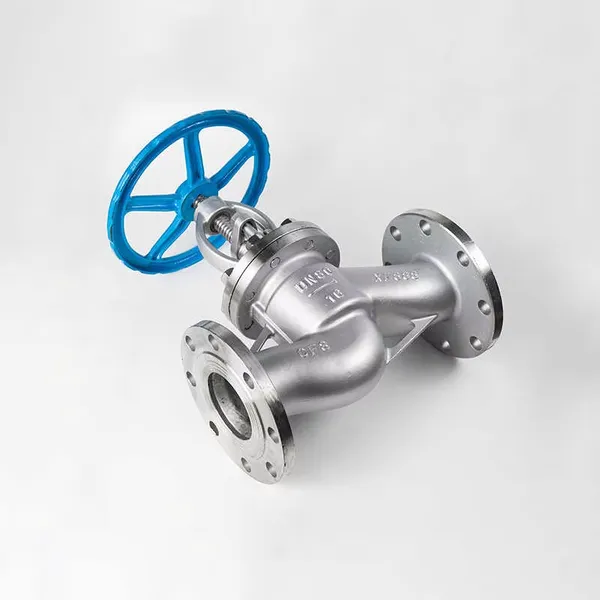
Stainless Steel Globe Valve – High Durability & Corrosion ResistanceNegotiableMOQ: 1 Piece
-
1.4529 Stainless Steel Flat Plate for Chemical Processing EquipmentUS$ 25 - 35MOQ: 1 Kilogram
-
Color Coated Steel Panels for Warehouse Partition Walls (Fireproof Grade)US$ 1 - 1.2MOQ: 50 Kilograms
-
Custom Width (600mm-1250mm) Colored Steel Coil With Scratch ResistanceUS$ 1 - 1.2MOQ: 50 Kilograms
-
0.5mm-3.0mm Colored Coated Steel Sheet With PVDF/Polyester CoatingUS$ 1 - 1.2MOQ: 50 Kilograms
-
JIS G 3322 Compliant Colored Coils With Third-Party Inspection ReportUS$ 1 - 1.2MOQ: 50 Kilograms