
 Business License

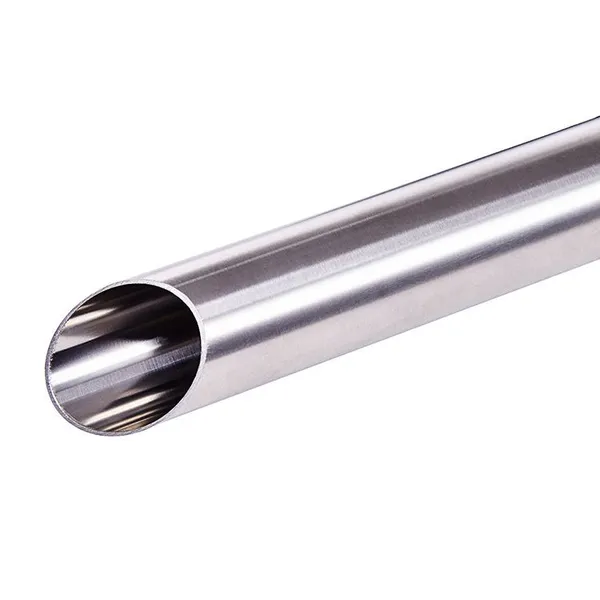
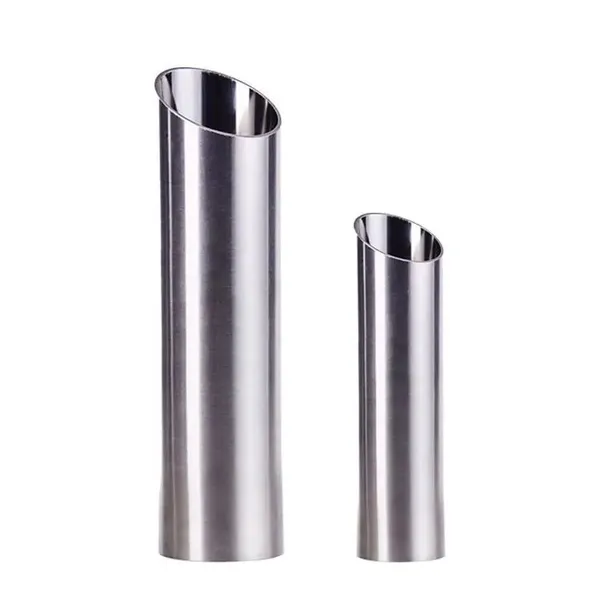
How to avoid pitting on the surface when polishing stainless steel pipes
To avoid surface pitting when polishing stainless steel pipes, the key is to eliminate the sources of pitting (residual impurities, abrasive damage, and damage to the passivation film). This requires strict control in three stages: pre-treatment before polishing, process control during polishing, and cleaning and protection after polishing. The specific measures are as follows:
1. Pre-treatment before polishing: Thoroughly remove surface contaminants
○ Perform degreasing cleaning first: Use acetone, ethanol or a dedicated stainless steel cleaner, combined with ultrasonic cleaning to remove lubricants, oil stains and metal debris left from cold working, to prevent these impurities from embedding into the surface and causing pitting during polishing.
○ Remove surface defects: For pits, rust spots and welding spatter on the surface of the tube, first manually sand them smooth with 80-120 mesh sandpaper; if there is oxide scale, acid pickling and passivation treatment must be carried out first to remove the oxide scale before polishing to prevent oxide scale particles from scratching the surface and causing pitting.
○ Clean the polishing environment: The polishing workbench and fixtures should be made of stainless steel to avoid iron filings from carbon steel tools falling onto the surface; operators should wear clean dust-free gloves to prevent sweat and oil on their hands from contaminating the surface of the tube.
2. Polishing Process Control: Preventing Abrasive Damage and Overheating Oxidation
- Select dedicated abrasives strictly: Only stainless steel-specific polishing paste should be used; mixing with carbon steel abrasives or chlorine-containing abrasives is strictly prohibited. Gradually switch to finer abrasive grades in the sequence of "coarse polishing → medium polishing → fine polishing", and replace the polishing wheel with a clean one after each process to prevent coarse abrasive particles from remaining and scratching the surface.
- Control polishing parameters: The polishing wheel speed should be moderate. For tubes with a diameter of less than 50mm, the speed should be controlled at 1500–2500r/min; for tubes with a diameter of more than 50mm, it should be reduced to 800–1500r/min. Excessively high speed can cause overheating of the surface, damaging the passivation film and forming oxidation pits. The applied pressure should be uniform and gentle to avoid local pressure that could cause abrasive particles to embed into the surface.
- Maintain lubrication and cooling during polishing: During polishing, spray an appropriate amount of anhydrous ethanol or dedicated polishing liquid to provide lubrication and cooling, reducing dry friction between the abrasive and the tube surface and preventing oxidation spots caused by high temperatures from turning into pits.
3. Post-polishing treatment: Thorough cleaning + Repairing the passivation film
- Multi-stage cleaning to remove residues: After polishing, the surface is first rinsed with high-pressure pure water, then placed in an ultrasonic cleaner with neutral detergent for 10-15 minutes to thoroughly remove any remaining polishing paste and metal powder. If these residues are not completely removed, they may cause pitting and the formation of spots during subsequent use.
- Timely passivation protection: Immediately after cleaning, passivation treatment is carried out by immersing the tubing in a 20%-30% nitric acid solution at room temperature for 20-30 minutes to repair the damaged passivation film during the polishing process and form a dense protective layer, preventing the appearance of spots due to incomplete passivation film.
- Drying and storage: After passivation, the tubing surface is dried with clean compressed air or allowed to air dry in a dust-free environment to avoid water stains that could cause spots. During storage, the tubing should be wrapped in moisture-proof paper and placed in a dry and well-ventilated area.
Recently Posted
-
Does the stainless steel welded pipe have specific temperature requirements during the solution heat
January 20, 2026Solution heat treatment involves heating stainless steel to a high temperature and then rapidly cooling it to achieve an oversatur Read More
 -
Can stainless steel welded pipes be made into thick pipes
January 20, 2026With the improvement of high-quality welding technology and increasingly strict weld inspection, the application fields of s Read More
 -
Three types of commonly available food-grade stainless steel on the market
January 20, 2026The common food-grade stainless steel pipes are mainly composed of iron, chromium and carbon and other elements. Household stainle Read More
 -
What are the requirements for stainless steel welding pipe production equipment
January 20, 2026As is well known, stainless steel welded pipes have been widely used in various industries such as machinery, chemical engineering Read More

Contact Us
Recommended Products
-
 Stainless Steel Elbow Welded Elbow 45/90/180-degree Seamless Pressed Elbow Long Radius Elbow Short Radius Elbow WholesaleNegotiableMOQ: 1 Piece
 -
316L/1.4405 Seamless Stainless Steel PipeNegotiableMOQ: 2 Meters
-
310s 440 Seamless Sanitary Piping Price 321 904l 201 20 Inch Seamless Steel Pipe A554 Stainless Steel PipeNegotiableMOQ: 1 Piece
-
China Brand ZZ Wholesale 304L 316 316L Welded Austenitic Piping Stainless Steel Pipe SupplierNegotiableMOQ: 2 Meters
-
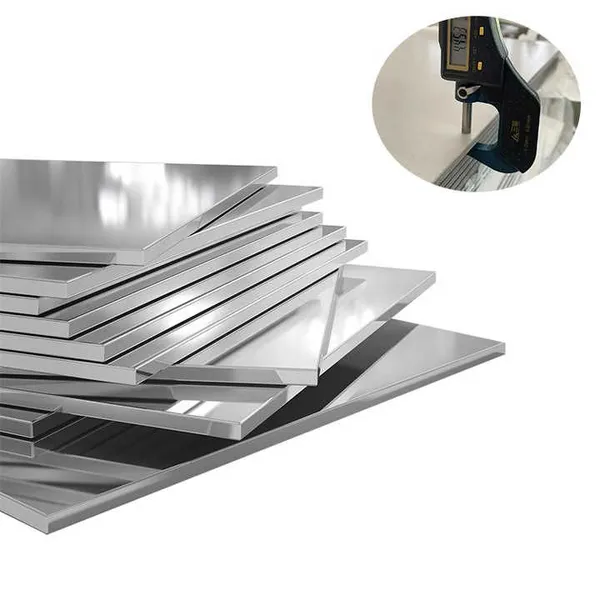
304/304L/316/409/410/904L/2205/2507/310H Premium Stainless Steel Sheets Supplier Custom Sizes & FinishesUS$ 1.72MOQ: 1 Ton
-
Stainless Steel ASME B16.9 Sch 45 90 Degree Pipe Fittings ElbowUS$ 8MOQ: 1 Piece
-
China Brand Zz 304L 316/316L GB En JIS Standard Thin Wall Welded Stainless Steel Water Pipe/TubeNegotiableMOQ: 2 Meters
-
BA 4 Inch 6 Inch 8 Inch 201 304 304L 316 316L Welded Seamless Stainless Steel PipeNegotiableMOQ: 2 Meters
-
ASME B36.19M-2004 SCH40S Stainless Steel Pipe - Complies With EU 3.1 CertificationUS$ 1 - 650MOQ: 1 Piece
-
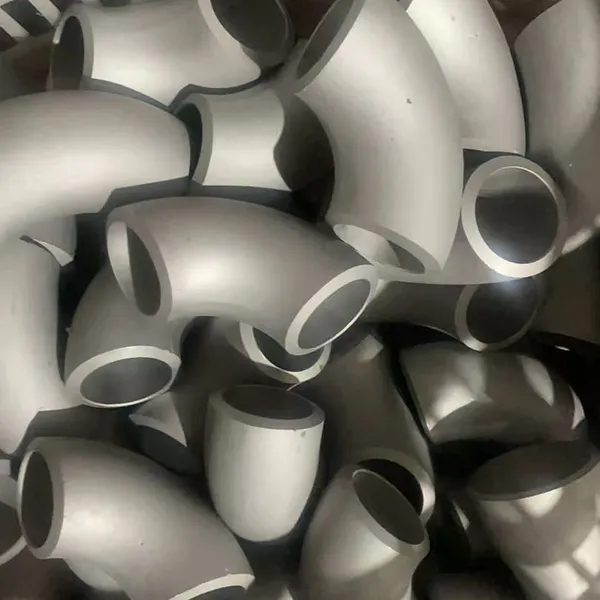
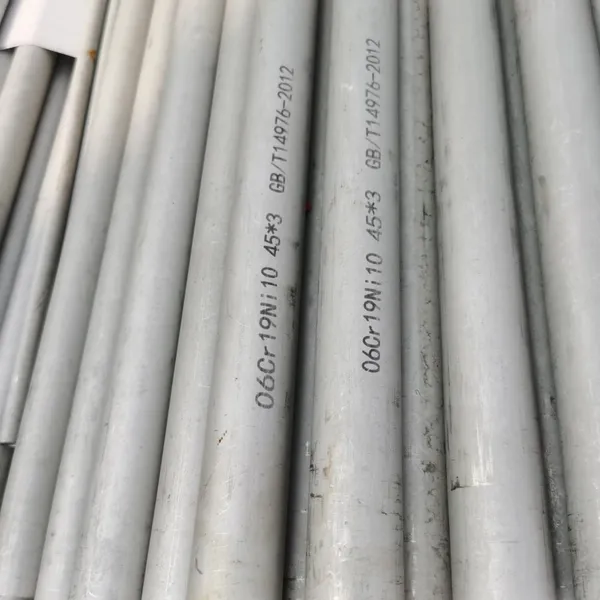
Factory TP309/TP309S/TP309H (UNS30900) Seamless Stainless Steel Pipe and Tube for Boiler BafflesUS$ 8MOQ: 200 Kilograms
-
TP347/TP347H/1.4961/S34709 Seamless Stainless Steel Pipe for UseNegotiableMOQ: 2 Meters
-
China 304 316 Stainless Steel Sanitary Welded Tube Food Grade Sanitary Grade Welded Pipe PolishingNegotiableMOQ: 1 Piece
-
China Manufacture Stainless Steel 316L Ba Seamless Welded Steel Pipe TubesUS$ 1760 - 1860MOQ: 5 Tons
-
316L/1.4405 Seamless Stainless Steel PipeNegotiableMOQ: 2 Meters
-
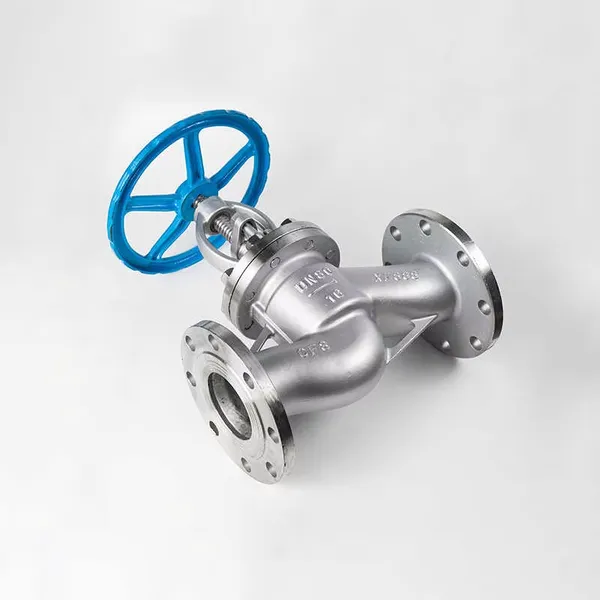
Stainless Steel Globe Valve – High Durability & Corrosion ResistanceNegotiableMOQ: 1 Piece
-
1.4529 Stainless Steel Flat Plate for Chemical Processing EquipmentUS$ 25 - 35MOQ: 1 Kilogram
-
Color Coated Steel Panels for Warehouse Partition Walls (Fireproof Grade)US$ 1 - 1.2MOQ: 50 Kilograms
-
Custom Width (600mm-1250mm) Colored Steel Coil With Scratch ResistanceUS$ 1 - 1.2MOQ: 50 Kilograms
-
0.5mm-3.0mm Colored Coated Steel Sheet With PVDF/Polyester CoatingUS$ 1 - 1.2MOQ: 50 Kilograms
-
JIS G 3322 Compliant Colored Coils With Third-Party Inspection ReportUS$ 1 - 1.2MOQ: 50 Kilograms