
 Business License

Why are stainless steel pipes chosen for natural gas pipelines
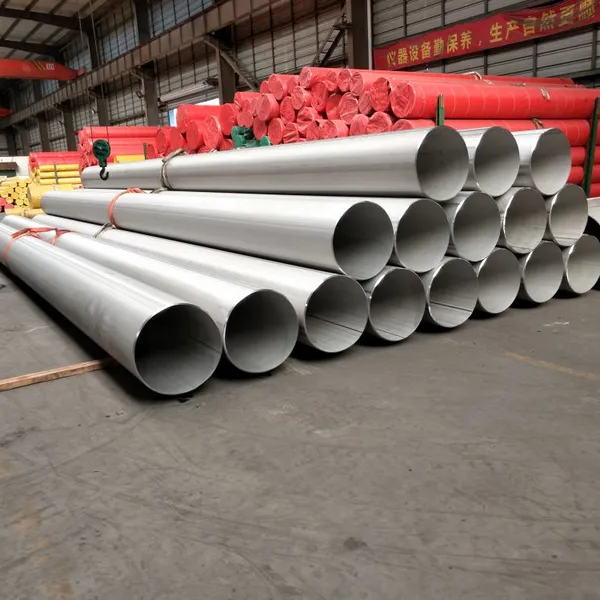
The natural gas pipelines are made of stainless steel pipes. The key point is that their performance perfectly matches the requirements for the safety, stability and long-term economic efficiency of natural gas transportation. Especially when dealing with the special conditions of natural gas transportation (such as high pressure, medium characteristics, complex environment), they have an irreplaceable advantage compared to carbon steel, plastic and other pipe materials. The specific reasons can be elaborated from the following five core dimensions:
1. Outstanding Corrosion Resistance: Resisting "Dual Erosions" from Natural Gas and the Environment
In natural gas transportation, "corrosion" is the primary risk that leads to pipeline leakage and failure (such as when the medium contains impurities, the environment is humid / buried, etc.), and the corrosion resistance of stainless steel precisely addresses this issue:
1. Resist the corrosion of the natural gas medium itself
Natural gas is not pure methane; it often contains trace amounts of hydrogen sulfide (H₂S), carbon dioxide (CO₂), water vapor, etc. —— When these components are mixed, they will form a weakly acidic environment. Long-term exposure can lead to "hydrogen-induced cracking" and "sulfide stress corrosion" of carbon steel pipelines.
Stainless steel (such as 316L) contains chromium (Cr ≥ 16%), nickel (Ni ≥ 8%), and molybdenum (Mo ≥ 2%). This results in the formation of a dense "crystalline chromium oxide passivation film (Cr₂O₃)" on its surface. Moreover, the molybdenum element can further enhance the resistance to "pitting corrosion and crevice corrosion". Even when transporting natural gas containing sulfur for a long time, it is unlikely to experience corrosion perforation.
2. Resist corrosion from external environments
Natural gas pipelines are mostly installed in "underground" or "above-ground" configurations:
When buried, the chloride ions (Cl⁻) in the soil and microorganisms (such as sulfate-reducing bacteria) can cause corrosion on the outer wall of the pipeline;
When overhead, the humidity in the atmosphere, salt content (in coastal areas), and industrial pollutants can lead to oxidative corrosion.
Stainless steel (especially 304 and 316L) does not need to rely on complex external anti-corrosion layers (such as 3PE coating) like carbon steel; it can resist the aforementioned environmental erosion on its own, significantly reducing the maintenance cost of "repairing after the anti-corrosion layer is damaged".
II. Excellent mechanical properties: Meeting the "high-pressure transportation requirements" of natural gas
Natural gas (especially in long-distance pipelines and main urban pipelines) needs to be transported under high pressure (typically 0.4 - 10 MPa, and up to 10 - 15 MPa for long-distance pipelines) to ensure flow and efficiency. This imposes strict requirements on the "strength and toughness" of the pipe materials:
High-strength support for high-pressure conditions
The tensile strength of stainless steel (such as 304) is ≥ 515 MPa and the yield strength is ≥ 205 MPa, which is much higher than that of plastic pipes (such as PE pipes, whose tensile strength is only 20-30 MPa). It can withstand high pressure for a long time without experiencing "permanent deformation" or "tensile fracture"; even during pressure fluctuations (such as peak / trough usage of gas), it can maintain structural stability and avoid cracks caused by stress concentration.
2. High toughness to avoid brittle fracture
Natural gas pipelines may encounter "low-temperature environments" (such as in northern winters or at high altitudes) or "construction bending and vibration" (such as when urban pipelines encounter ground subsidence). The elongation rate of stainless steel is ≥ 35% (carbon steel is approximately 20%), and its low-temperature impact toughness (-40°C impact energy ≥ 27J) enables it to maintain "plastic deformation" rather than "brittle fracture" under low temperatures or external forces - this is the key to preventing sudden pipeline leaks (brittle fracture would cause a sudden release of large amounts of natural gas, leading to explosion risks).
III. Excellent welding and sealing performance: Ensuring "zero leakage" for pipeline connections
The core requirement for natural gas transportation is "absolute sealing" (leakage can lead to safety accidents and energy waste), and the welding performance of stainless steel precisely meets this demand:
The welded joints have high reliability.
Stainless steel (such as 316L) can be welded with high quality using "TIG welding" or "arc welding". After welding, through "solution treatment" (water cooling at 1050-1100℃), the "carbonization" in the welding heat-affected zone can be eliminated, making the corrosion resistance and strength of the weld area basically consistent with the base material (with no significant performance shortcomings).
In contrast, after carbon steel is welded, "welding thermal cracks" and "hydrogen-induced cracks" are prone to occur, and additional "post-weld heat treatment" is required. The process is complex and the reliability is relatively low.
2. Long-lasting connection sealing performance
The "flange connection" or "socket welding" of stainless steel pipes can be combined with high-pressure-resistant and aging-resistant sealing components (such as polytetrafluoroethylene gaskets), and the thermal expansion coefficient of stainless steel itself is stable (approximately 17×10⁻⁶/℃, lower than that of plastics at 100×10⁻⁶/℃). During temperature fluctuations (such as summer sun exposure and winter low temperatures), the joint is less likely to experience "sealing failure" due to thermal expansion and contraction, and the sealing performance can still be maintained over a long period of use.
IV. Long-term Economic Benefits: "Low Maintenance Costs" Offset Initial High Investment
The initial purchase cost of stainless steel pipes is higher than that of carbon steel and PE pipes. However, from the perspective of the "full life cycle (typically 20-30 years)", its economic benefits are better:
The maintenance cost is extremely low: Stainless steel pipes do not require regular "coating repainting" or "cathodic protection" (carbon steel buried pipes need to have the coating repaired and re-applied every 5-8 years, which is costly), and they are less likely to be clogged or leak due to corrosion, thereby reducing the losses caused by maintenance downtime.
2. Lifespan far exceeds that of other pipe materials: The design lifespan of stainless steel pipes can reach over 30 years (carbon steel is approximately 15-20 years, and PE pipes are about 10-15 years), eliminating the need for frequent replacements and resulting in lower long-term investment costs.
V. Adaptation for Special Scenarios: Meeting the Diversified Needs of Natural Gas Transportation
The scenarios for natural gas transportation are complex (such as high altitudes, coastal areas, low temperatures, and sulfur-containing environments), and stainless steel pipes can be specifically adapted to these needs:
1. High-altitude / Low-temperature areas: The low-temperature toughness of 304 and 316L (maintaining good impact energy even at -40℃) can prevent the pipeline from cracking due to extreme cold;
2. Coastal areas: The molybdenum element in 316L can resist pitting corrosion in seawater with high Cl⁻ concentration, making it more durable than carbon steel and PE pipes;
3. Sulfur-containing natural gas transportation: 316L and super duplex steel (such as 2507) can pass the "hydrogen sulfide stress corrosion test (SSC)", avoiding stress cracking caused by H₂S, while carbon steel may fail within 1-2 years in sulfur-containing environments.
In conclusion, the selection of stainless steel pipes for natural gas pipelines is essentially a comprehensive choice between "priority for safety" and "long-term economic efficiency" - the corrosion resistance, mechanical properties, and sealing reliability of stainless steel precisely address the core pain points of high-pressure, multi-impurity, and complex environment transportation of natural gas. Especially in long-distance transmission pipelines, main urban pipelines, and special environments (including sulfur, coastal, and low-temperature) scenarios, where safety requirements are extremely high, stainless steel pipes have become the preferred material.
Recently Posted
-
Does the stainless steel welded pipe have specific temperature requirements during the solution heat
January 20, 2026Solution heat treatment involves heating stainless steel to a high temperature and then rapidly cooling it to achieve an oversatur Read More
 -
Can stainless steel welded pipes be made into thick pipes
January 20, 2026With the improvement of high-quality welding technology and increasingly strict weld inspection, the application fields of s Read More
 -
Three types of commonly available food-grade stainless steel on the market
January 20, 2026The common food-grade stainless steel pipes are mainly composed of iron, chromium and carbon and other elements. Household stainle Read More
 -
What are the requirements for stainless steel welding pipe production equipment
January 20, 2026As is well known, stainless steel welded pipes have been widely used in various industries such as machinery, chemical engineering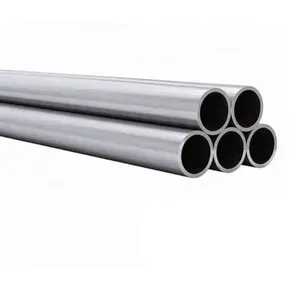 Read More

Contact Us
Recommended Products
-
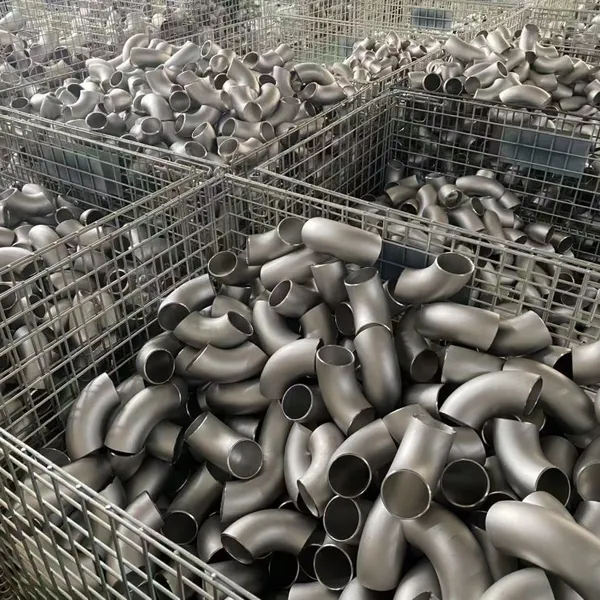
 Stainless Steel Elbow Welded Elbow 45/90/180-degree Seamless Pressed Elbow Long Radius Elbow Short Radius Elbow WholesaleNegotiableMOQ: 1 Piece
 -
316L/1.4405 Seamless Stainless Steel PipeNegotiableMOQ: 2 Meters
-
310s 440 Seamless Sanitary Piping Price 321 904l 201 20 Inch Seamless Steel Pipe A554 Stainless Steel PipeNegotiableMOQ: 1 Piece
-
China Brand ZZ Wholesale 304L 316 316L Welded Austenitic Piping Stainless Steel Pipe SupplierNegotiableMOQ: 2 Meters
-
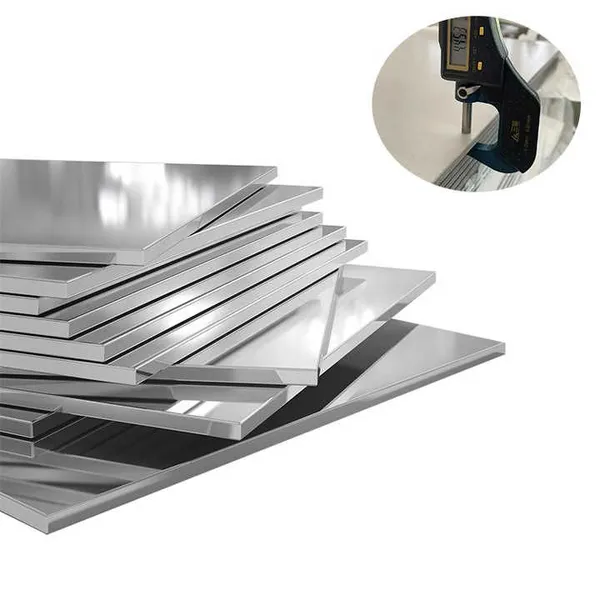
304/304L/316/409/410/904L/2205/2507/310H Premium Stainless Steel Sheets Supplier Custom Sizes & FinishesUS$ 1.72MOQ: 1 Ton
-
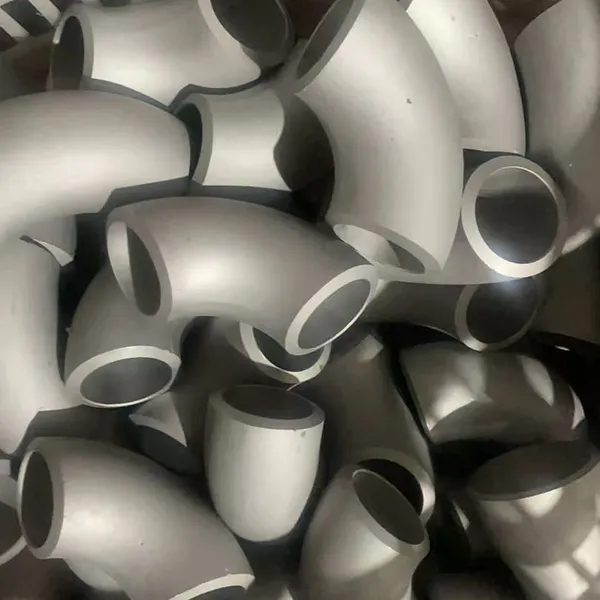
Stainless Steel ASME B16.9 Sch 45 90 Degree Pipe Fittings ElbowUS$ 8MOQ: 1 Piece
-
China Brand Zz 304L 316/316L GB En JIS Standard Thin Wall Welded Stainless Steel Water Pipe/TubeNegotiableMOQ: 2 Meters
-
BA 4 Inch 6 Inch 8 Inch 201 304 304L 316 316L Welded Seamless Stainless Steel PipeNegotiableMOQ: 2 Meters
-
ASME B36.19M-2004 SCH40S Stainless Steel Pipe - Complies With EU 3.1 CertificationUS$ 1 - 650MOQ: 1 Piece
-
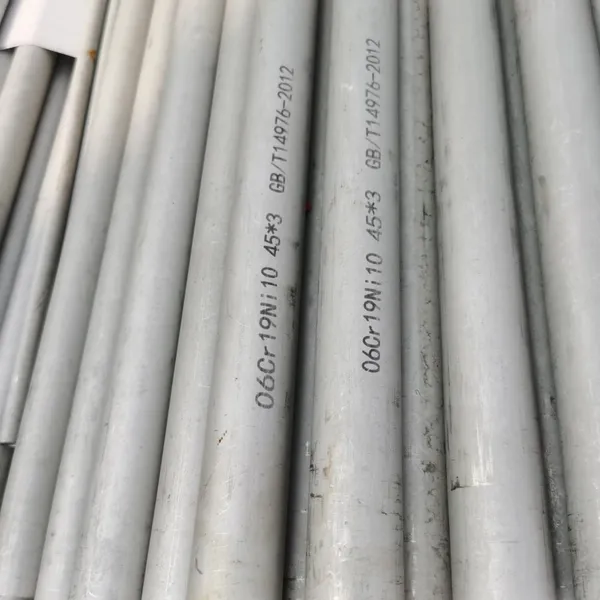
Factory TP309/TP309S/TP309H (UNS30900) Seamless Stainless Steel Pipe and Tube for Boiler BafflesUS$ 8MOQ: 200 Kilograms
-
TP347/TP347H/1.4961/S34709 Seamless Stainless Steel Pipe for UseNegotiableMOQ: 2 Meters
-
China 304 316 Stainless Steel Sanitary Welded Tube Food Grade Sanitary Grade Welded Pipe PolishingNegotiableMOQ: 1 Piece
-
China Manufacture Stainless Steel 316L Ba Seamless Welded Steel Pipe TubesUS$ 1760 - 1860MOQ: 5 Tons
-
316L/1.4405 Seamless Stainless Steel PipeNegotiableMOQ: 2 Meters
-
Stainless Steel Globe Valve – High Durability & Corrosion ResistanceNegotiableMOQ: 1 Piece
-
1.4529 Stainless Steel Flat Plate for Chemical Processing EquipmentUS$ 25 - 35MOQ: 1 Kilogram
-
Color Coated Steel Panels for Warehouse Partition Walls (Fireproof Grade)US$ 1 - 1.2MOQ: 50 Kilograms
-
Custom Width (600mm-1250mm) Colored Steel Coil With Scratch ResistanceUS$ 1 - 1.2MOQ: 50 Kilograms
-
0.5mm-3.0mm Colored Coated Steel Sheet With PVDF/Polyester CoatingUS$ 1 - 1.2MOQ: 50 Kilograms
-
JIS G 3322 Compliant Colored Coils With Third-Party Inspection ReportUS$ 1 - 1.2MOQ: 50 Kilograms