
 Business License

What are the standard requirements for stainless steel pipes in the Xizang region
The requirements for the use of stainless steel pipes in the Xizang region mainly follow the relevant national standards, while also taking into account local specific application scenarios and environmental characteristics, etc. There are certain requirements in terms of material, size, performance, etc. Specifically as follows:
Material Requirements
Common Materials: Depending on the application scenario, stainless steel grades such as 304 and 316 are often used.Element Content: Taking 304 stainless steel as an example, the chromium (Cr) content is typically between 18% and 20%, nickel (Ni) content between 8% and 10.5%, and carbon (C) content no more than 0.08%. The precise proportion of each element ensures the corrosion resistance, strength, and other properties of the pipes.
Dimensional tolerance requirements
Pipe diameter deviation: When the nominal outer diameter is less than or equal to 50mm, the allowable deviation is usually ±0.5mm; when the nominal outer diameter is greater than 50mm, the allowable deviation is generally ±1%.
Wall thickness tolerance: The tolerance range for thinner-walled pipes is relatively stricter to ensure the applicability and safety of the pipes in different application scenarios.
Performance Requirements
Mechanical Properties: Must meet the corresponding national standards. For example, stainless steel seamless pipes for fluid transportation should comply with the requirements of GB/T14976-2012, including having certain tensile strength, yield strength, and elongation, etc.
Corrosion resistance: Stainless steel pipes generally need to undergo intergranular corrosion tests to evaluate their corrosion resistance in specific environments, ensuring that they can meet the requirements of service life and safety in actual use.
Pressure resistance performance: A hydrostatic test is required to verify the pressure resistance capacity of the pipe. The test pressure and pressure-holding time should be carried out in accordance with the standards.
Process and Quality Requirements
Welding Process: Use appropriate welding methods such as Tungsten Inert Gas (TIG) welding or Plasma Arc Welding (PAW), strictly control parameters such as welding current, voltage, and welding speed to ensure uniform and smooth weld seams free of defects like pores, cracks, and slag inclusions. At the same time, ensure that the flow rate of shielding gas meets requirements to prevent oxidation of the welding area.
Surface quality: The surface of the stainless steel pipe should be smooth and clean, without obvious scratches, dents, deformations, etc. The surface roughness must reach a certain level of smoothness to meet the requirements of different application scenarios.
Sanitary requirements: For water pipes used for drinking water and domestic water supply, the post-immersion sanitary requirements shall comply with the provisions of GB/T17219.
Installation requirements: When thin-walled stainless steel pipes are connected to pipes, pipe fittings and accessories made of other materials, measures should be taken to prevent electrochemical corrosion. When thin-walled stainless steel pipes of different nominal diameters are connected to pipes made of other materials, corresponding special conversion connectors should be used according to the diameter size, such as threaded conversion connectors, flange conversion connectors, grooved pipe fittings, etc.
In addition, there are also corresponding standard requirements in some specific engineering fields. For instance, in DBJ540005-2018 "Code for Construction and Acceptance of Civil Oxygen Supply Engineering in Xizang Autonomous Region", specific regulations are made on the quality of pipe fittings, welding techniques, welding environment, appearance quality of weld seams and chloride ion content of stainless steel pipes in civil oxygen supply engineering.
Recently Posted
-
Does the stainless steel welded pipe have specific temperature requirements during the solution heat
January 20, 2026Solution heat treatment involves heating stainless steel to a high temperature and then rapidly cooling it to achieve an oversatur Read More
 -
Can stainless steel welded pipes be made into thick pipes
January 20, 2026With the improvement of high-quality welding technology and increasingly strict weld inspection, the application fields of s Read More
 -
Three types of commonly available food-grade stainless steel on the market
January 20, 2026The common food-grade stainless steel pipes are mainly composed of iron, chromium and carbon and other elements. Household stainle Read More
 -
What are the requirements for stainless steel welding pipe production equipment
January 20, 2026As is well known, stainless steel welded pipes have been widely used in various industries such as machinery, chemical engineering Read More

Contact Us
Recommended Products
-
 Stainless Steel Elbow Welded Elbow 45/90/180-degree Seamless Pressed Elbow Long Radius Elbow Short Radius Elbow WholesaleNegotiableMOQ: 1 Piece
 -
316L/1.4405 Seamless Stainless Steel PipeNegotiableMOQ: 2 Meters
-
310s 440 Seamless Sanitary Piping Price 321 904l 201 20 Inch Seamless Steel Pipe A554 Stainless Steel PipeNegotiableMOQ: 1 Piece
-
China Brand ZZ Wholesale 304L 316 316L Welded Austenitic Piping Stainless Steel Pipe SupplierNegotiableMOQ: 2 Meters
-
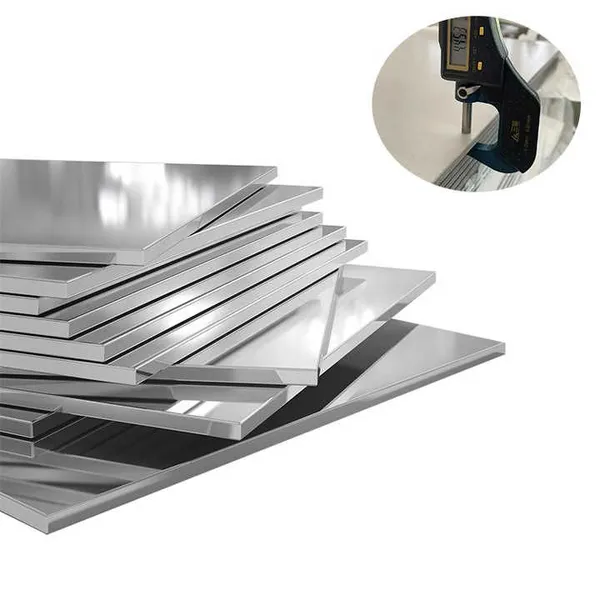
304/304L/316/409/410/904L/2205/2507/310H Premium Stainless Steel Sheets Supplier Custom Sizes & FinishesUS$ 1.72MOQ: 1 Ton
-
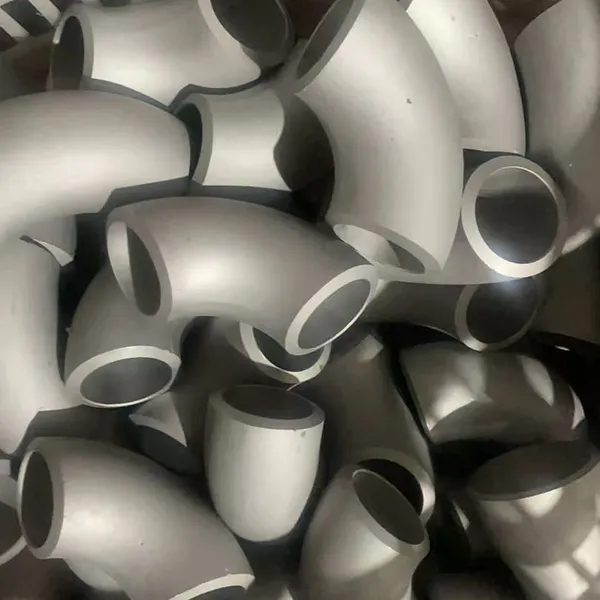
Stainless Steel ASME B16.9 Sch 45 90 Degree Pipe Fittings ElbowUS$ 8MOQ: 1 Piece
-
China Brand Zz 304L 316/316L GB En JIS Standard Thin Wall Welded Stainless Steel Water Pipe/TubeNegotiableMOQ: 2 Meters
-
BA 4 Inch 6 Inch 8 Inch 201 304 304L 316 316L Welded Seamless Stainless Steel PipeNegotiableMOQ: 2 Meters
-
ASME B36.19M-2004 SCH40S Stainless Steel Pipe - Complies With EU 3.1 CertificationUS$ 1 - 650MOQ: 1 Piece
-
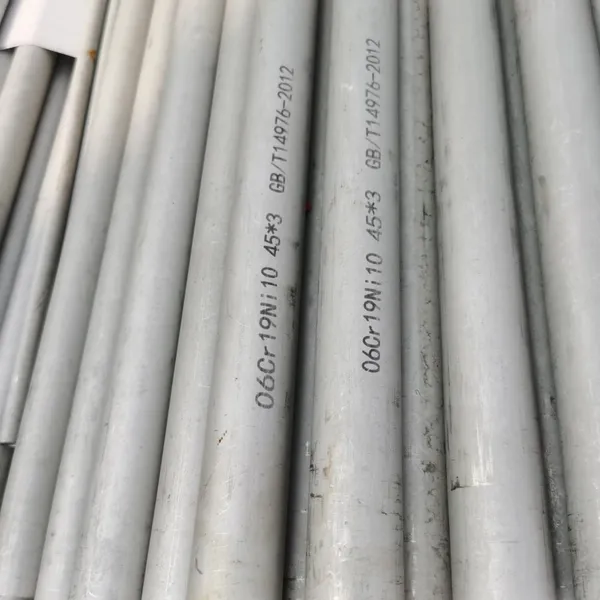
Factory TP309/TP309S/TP309H (UNS30900) Seamless Stainless Steel Pipe and Tube for Boiler BafflesUS$ 8MOQ: 200 Kilograms
-
TP347/TP347H/1.4961/S34709 Seamless Stainless Steel Pipe for UseNegotiableMOQ: 2 Meters
-
China 304 316 Stainless Steel Sanitary Welded Tube Food Grade Sanitary Grade Welded Pipe PolishingNegotiableMOQ: 1 Piece
-
China Manufacture Stainless Steel 316L Ba Seamless Welded Steel Pipe TubesUS$ 1760 - 1860MOQ: 5 Tons
-
316L/1.4405 Seamless Stainless Steel PipeNegotiableMOQ: 2 Meters
-
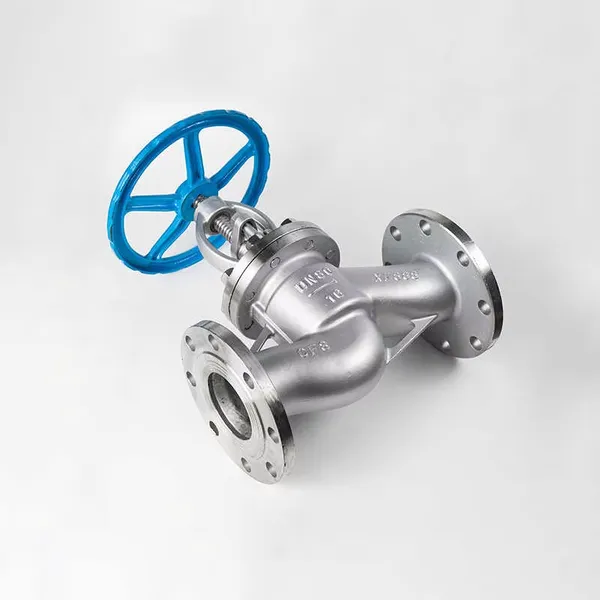
Stainless Steel Globe Valve – High Durability & Corrosion ResistanceNegotiableMOQ: 1 Piece
-
1.4529 Stainless Steel Flat Plate for Chemical Processing EquipmentUS$ 25 - 35MOQ: 1 Kilogram
-
Color Coated Steel Panels for Warehouse Partition Walls (Fireproof Grade)US$ 1 - 1.2MOQ: 50 Kilograms
-
Custom Width (600mm-1250mm) Colored Steel Coil With Scratch ResistanceUS$ 1 - 1.2MOQ: 50 Kilograms
-
0.5mm-3.0mm Colored Coated Steel Sheet With PVDF/Polyester CoatingUS$ 1 - 1.2MOQ: 50 Kilograms
-
JIS G 3322 Compliant Colored Coils With Third-Party Inspection ReportUS$ 1 - 1.2MOQ: 50 Kilograms