
 Business License

What are the differences between LNG stainless steel pipes and ordinary stainless steel pipes
LNG stainless steel pipes (used for -162°C low-temperature LNG storage and transportation systems) have significant differences in design goals, performance requirements, and manufacturing standards compared to ordinary stainless steel pipes (such as industrial pipes, construction pipes, etc.). The core differences lie in four aspects: low-temperature adaptability, material selection, process control, and quality standards. Specifically:
I. Differences in Core Functions and Application Scenarios
LNG stainless steel pipe: Specifically designed for ultra-low temperature (-162) LNG medium, it needs to withstand thermal contraction and low-temperature brittleness risks under extreme low temperatures, while meeting the corrosion resistance and sealing requirements of LNG (containing trace amounts of moisture, CO₂, H₂S, etc.), and is applied in core systems such as LNG storage tanks, transportation pipelines, pump valve connections, etc.
Common stainless steel pipes: These are mainly used in normal temperature or medium-low temperature (such as 0-100) conditions, such as chemical pipelines, water supply, and architectural decoration, etc. Their functions are mainly to resist common corrosion and provide structural support. There is no need to consider ultra-low temperature toughness and thermal contraction stability.
II. Differences in Material Selection
LNG stainless steel pipes
Common grades: 316L, 304Lmod (modified 304L), 904L
Carbon content: ≤ 0.03% (ultra-low carbon, avoiding low-temperature embrittlement and sensitization)
Key alloy elements: contain Mo (2-3%, enhancing low-temperature corrosion resistance), strictly control Ni (8-12%, ensuring austenitic stability)
Low-temperature toughness requirements: -196 Shore impact energy ≥ 47J (ASTM A370)
Non-metallic inclusions: grade ≤ 2 (preventing low-temperature crack sources)
Common stainless steel pipes
Common grades: 304, 316, 201, 321, etc.
Carbon content: Can be higher (e.g., for 304, the carbon content is ≤ 0.08%)
Key alloy elements: Some grades do not contain Mo (e.g., 304), and the Ni content can be lower
Low-temperature toughness requirements: No mandatory low-temperature impact requirements (impact at room temperature is sufficient)
Non-metallic inclusions: Lower requirements (usually ≤ 3-4 grades)
III. Differences in Manufacturing Process and Performance Control
Low-temperature toughness guarantee
LNG pipes: Must undergo 1050-1100 degree solid solution treatment followed by water quenching to ensure complete dissolution of carbides and obtain a single austenitic structure (grain size refined to ≥7 levels), avoiding the precipitation of brittle phases (such as σ phases) at low temperatures;
Ordinary pipes: The solid solution treatment temperature can be slightly lower (e.g. 1000-1050), with more relaxed cooling requirements (even air cooling), and no strict control over grain size and low-temperature structure.
Welding quality control
LNG pipes: The welding process uses TIG as the base welding + MIG for filling, with 99.99% pure argon as the shielding gas (to prevent alloy burn-off). The welds must undergo 100% radiographic testing (RT) and low-temperature impact tests (-196°C) to ensure there are no defects such as incomplete fusion or pores;
Ordinary pipes: Stick electrode arc welding (SMAW) can be used. The protection requirements are lower, and the weld inspection rate is usually 10-20% (random inspection), without the requirement for low-temperature impact tests.
Dimension accuracy and stability
LNG pipe: Outer diameter tolerance ±0.1mm, wall thickness tolerance ±5%, roundness (ellipticity) ≤0.5% (to reduce low-temperature assembly stress);
Ordinary pipe: Tolerances are relatively loose (such as outer diameter ±0.5mm, wall thickness ±10%), lower requirements for roundness.
Surface treatment
LNG pipes: Must undergo acid pickling and passivation + pure water rinsing to form a uniform Cr₂O₃ passivation film (thickness 5-10nm), and the inner wall needs to be polished (Ra ≤ 0.8μm to avoid LNG liquid accumulation and impurity deposition);
Ordinary pipes: The surface treatment is simpler (such as sandblasting, simple acid pickling), and the roughness requirement for the inner wall is low (Ra ≤ 3.2μm is sufficient).
IV. Differences in Quality Inspection Standards
Requirements for LNG stainless steel pipes
Low-temperature impact test: Mandatory -196 test, impact energy ≥ 47J
Pressure resistance test: Maintain 1.5 times the design pressure (usually 1.6 - 4.0 MPa) for 30 minutes
Leak detection: Helium leak detection (leak rate ≤ 1×10⁻⁹ Pa·m³/s)
Intergranular corrosion test: Required (e.g., ASTM A262 E method, no intergranular corrosion)
Low-temperature tensile test: Test tensile strength and elongation at -162 degrees
General requirements for ordinary stainless steel pipes:
Low-temperature impact test: Only normal temperature impact (20°C), no unified low-temperature requirements
Pressure resistance test: Maintain 1.5 times the nominal pressure for 10-15 minutes
Leak detection: Mostly water pressure or air pressure testing, no helium leak detection requirement
Intergranular corrosion test: Only required under specific conditions (such as chemical pipeline), not mandatory
Low-temperature tensile test: Only tensile test at normal temperature (20°C)
V. Summary: The core difference lies in "low-temperature reliability".
LNG stainless steel pipes are customized extreme environment pipes. Through material purification, process optimization, and strict testing, they ensure no brittleness, no leakage, and corrosion resistance at -162 degrees. While ordinary stainless steel pipes only meet the requirements of normal working conditions and cannot withstand the material brittleness and thermal stress risks brought by ultra-low temperatures. Therefore, the two cannot be interchanged - if ordinary stainless steel pipes are used in the LNG system, they may fracture due to insufficient low-temperature toughness, leading to serious safety accidents.
Recently Posted
-
Does the stainless steel welded pipe have specific temperature requirements during the solution heat
January 20, 2026Solution heat treatment involves heating stainless steel to a high temperature and then rapidly cooling it to achieve an oversatur Read More
 -
Can stainless steel welded pipes be made into thick pipes
January 20, 2026With the improvement of high-quality welding technology and increasingly strict weld inspection, the application fields of s Read More
 -
Three types of commonly available food-grade stainless steel on the market
January 20, 2026The common food-grade stainless steel pipes are mainly composed of iron, chromium and carbon and other elements. Household stainle Read More
 -
What are the requirements for stainless steel welding pipe production equipment
January 20, 2026As is well known, stainless steel welded pipes have been widely used in various industries such as machinery, chemical engineering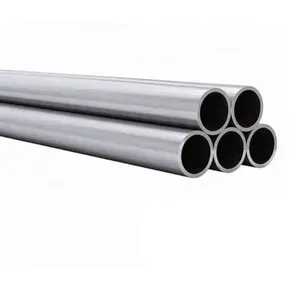 Read More

Contact Us
Recommended Products
-
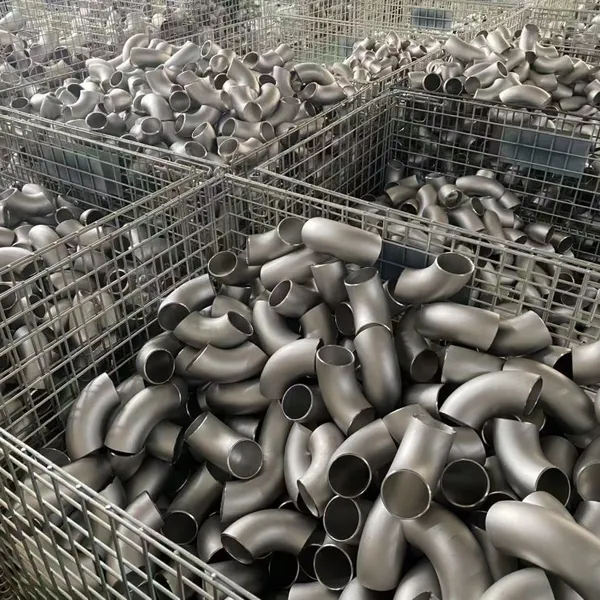
 Stainless Steel Elbow Welded Elbow 45/90/180-degree Seamless Pressed Elbow Long Radius Elbow Short Radius Elbow WholesaleNegotiableMOQ: 1 Piece
 -
316L/1.4405 Seamless Stainless Steel PipeNegotiableMOQ: 2 Meters
-
310s 440 Seamless Sanitary Piping Price 321 904l 201 20 Inch Seamless Steel Pipe A554 Stainless Steel PipeNegotiableMOQ: 1 Piece
-
China Brand ZZ Wholesale 304L 316 316L Welded Austenitic Piping Stainless Steel Pipe SupplierNegotiableMOQ: 2 Meters
-
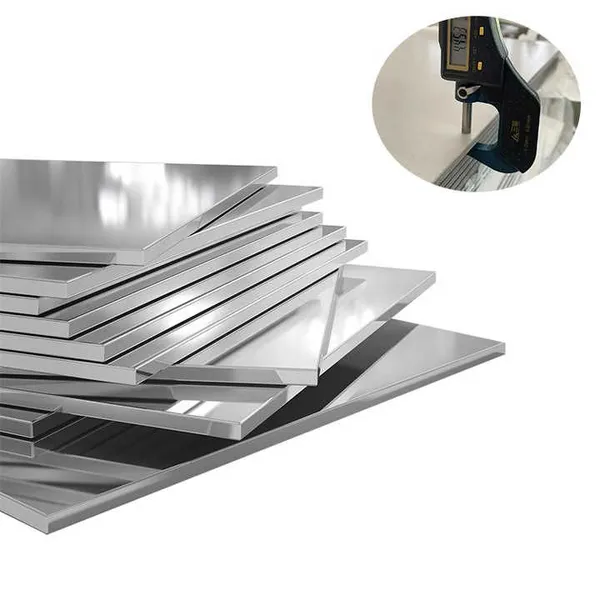
304/304L/316/409/410/904L/2205/2507/310H Premium Stainless Steel Sheets Supplier Custom Sizes & FinishesUS$ 1.72MOQ: 1 Ton
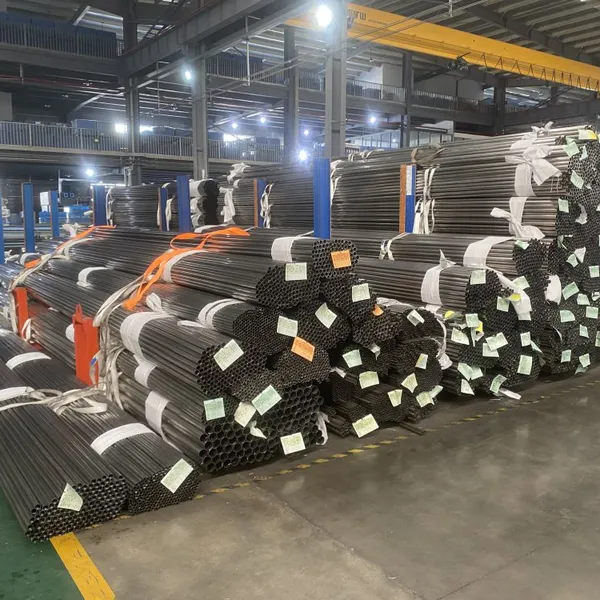
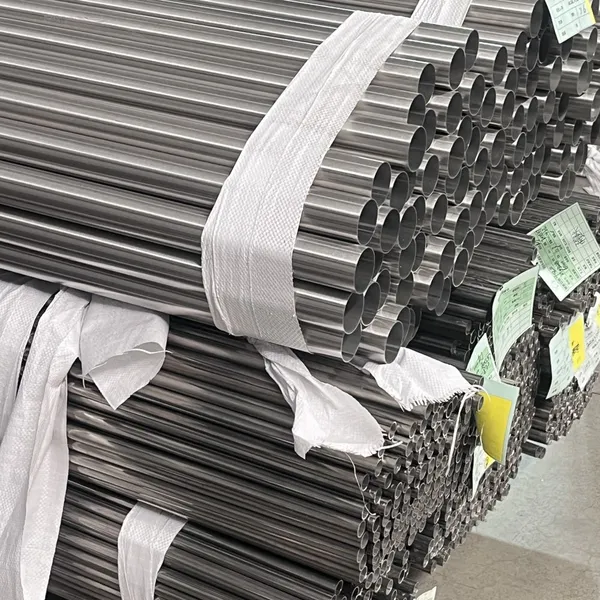
-
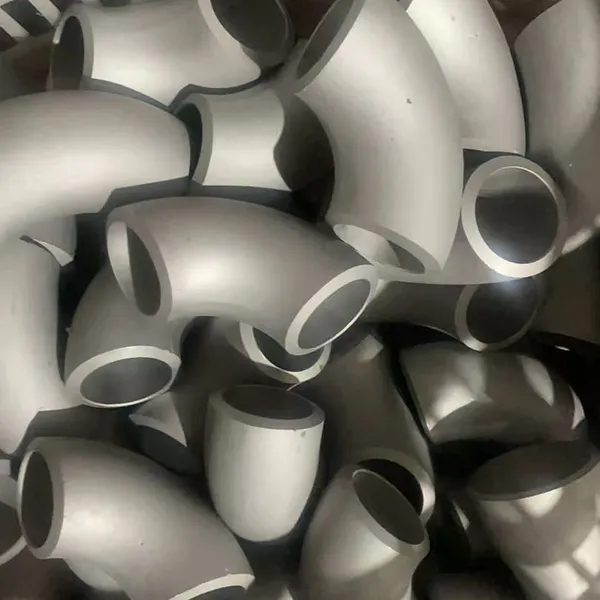
Stainless Steel ASME B16.9 Sch 45 90 Degree Pipe Fittings ElbowUS$ 8MOQ: 1 Piece
-
China Brand Zz 304L 316/316L GB En JIS Standard Thin Wall Welded Stainless Steel Water Pipe/TubeNegotiableMOQ: 2 Meters
-
BA 4 Inch 6 Inch 8 Inch 201 304 304L 316 316L Welded Seamless Stainless Steel PipeNegotiableMOQ: 2 Meters
-
ASME B36.19M-2004 SCH40S Stainless Steel Pipe - Complies With EU 3.1 CertificationUS$ 1 - 650MOQ: 1 Piece
-
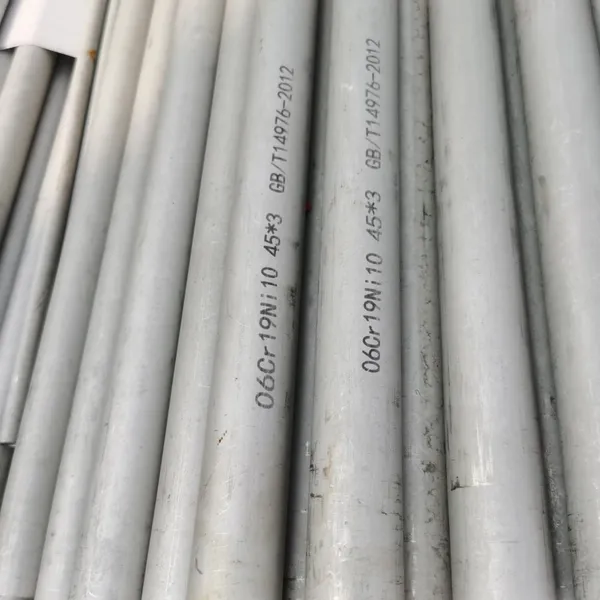
Factory TP309/TP309S/TP309H (UNS30900) Seamless Stainless Steel Pipe and Tube for Boiler BafflesUS$ 8MOQ: 200 Kilograms
-
TP347/TP347H/1.4961/S34709 Seamless Stainless Steel Pipe for UseNegotiableMOQ: 2 Meters
-
China 304 316 Stainless Steel Sanitary Welded Tube Food Grade Sanitary Grade Welded Pipe PolishingNegotiableMOQ: 1 Piece
-
China Manufacture Stainless Steel 316L Ba Seamless Welded Steel Pipe TubesUS$ 1760 - 1860MOQ: 5 Tons
-
316L/1.4405 Seamless Stainless Steel PipeNegotiableMOQ: 2 Meters
-
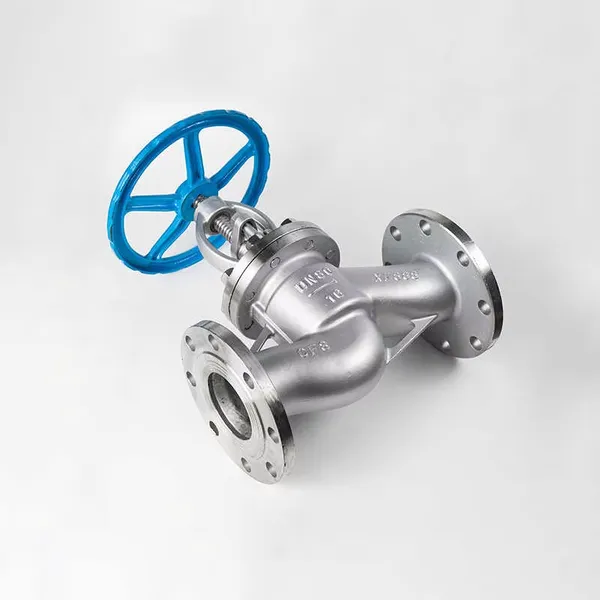
Stainless Steel Globe Valve – High Durability & Corrosion ResistanceNegotiableMOQ: 1 Piece
-
1.4529 Stainless Steel Flat Plate for Chemical Processing EquipmentUS$ 25 - 35MOQ: 1 Kilogram
-
Color Coated Steel Panels for Warehouse Partition Walls (Fireproof Grade)US$ 1 - 1.2MOQ: 50 Kilograms
-
Custom Width (600mm-1250mm) Colored Steel Coil With Scratch ResistanceUS$ 1 - 1.2MOQ: 50 Kilograms
-
0.5mm-3.0mm Colored Coated Steel Sheet With PVDF/Polyester CoatingUS$ 1 - 1.2MOQ: 50 Kilograms
-
JIS G 3322 Compliant Colored Coils With Third-Party Inspection ReportUS$ 1 - 1.2MOQ: 50 Kilograms