
 Business License

What are the specific differences in application between 316L stainless steel pipes and 316 stainles
Both 316 and 316L stainless steel pipes belong to the molybdenum-containing austenitic stainless steel family. The core difference lies in their carbon content (316 has a carbon content of ≤0.08%, while 316L has a carbon content of ≤0.03%). This distinction directly leads to specific differences between the two in terms of processing performance, corrosion resistance, and application scenarios.
I. Core Performance Differences
Intergranular Corrosion Resistance
316 Stainless Steel Pipe: With a higher carbon content, when welded or used at high temperatures between 450-850°C, carbon readily combines with chromium to form chromium carbide (Cr₂₃C₆), leading to chromium depletion at the grain boundaries and the formation of "chromium-poor zones", which makes it prone to intergranular corrosion (corrosion cracking along the grain boundaries).
316L Stainless Steel Pipe: With an ultra-low carbon design (≤0.03%), it significantly reduces the precipitation of chromium carbide, fundamentally lowering the risk of intergranular corrosion, and is particularly suitable for scenarios where post-weld solution heat treatment is not feasible.
High-Temperature Strength and Workability
316 Stainless Steel Pipe: Due to its higher carbon content, it has slightly better high-temperature strength than 316L, with more stable creep resistance at 600-800°C and a more pronounced increase in hardness after cold working.
316L Stainless Steel Pipe: The low carbon content makes it more ductile, less prone to cracking during cold bending, stretching, and other processing operations, and is thus suitable for manufacturing complex-shaped thin-walled components (such as medical implants and precision pipes).
II. Specific Differences in Application Scenarios
1. Scenarios Dominated by Welding Conditions
Give priority to 316L:
Chemical pipeline systems (such as sulfuric acid / hydrochloric acid delivery pipes): After welding, overall heat treatment is impossible, and 316L can prevent intergranular corrosion in welds and heat-affected zones.
Food processing equipment (such as connecting pipes of fermentation tanks): Welding points need to be in long-term contact with acid and alkali cleaning solutions, and the corrosion resistance of 316L is more reliable.
Support tubes for building curtain walls: After on-site welding, secondary treatment is impossible, and 316L can resist weld corrosion caused by rain and moisture.
For optional 316: Welded components that need to be used at high temperatures (such as heating furnace coil tubes above 600℃): 316 has better high-temperature strength and can mitigate the risk of intergranular corrosion through local heat treatment after welding.
2. Environments with strict corrosion resistance requirements
316L is preferred:
Marine engineering (such as seawater desalination pipelines, submarine cable protection pipes): Seawater contains high concentrations of chloride ions. The low-carbon design and molybdenum content (2-3%) of 316L can jointly resist pitting and crevice corrosion.
Medical implants (such as bone screws, infusion catheters): Long-term implantation in the human body requires 316L's resistance to intergranular corrosion to prevent material failure caused by body fluids (containing chloride ions).
Nuclear industry pipelines: The radiation environment accelerates metal corrosion, and the stability of 316L is more suitable for long-term service.
For dry industrial atmospheric environments (such as stainless steel storage tanks): In scenarios without welding or with low humidity, 316 offers better cost performance.
3. High-intensity and High-temperature Scenarios
316 is preferred:
High-temperature pressure vessels (such as steam pipes, heat exchanger tubes): At working temperatures of 600-800°C, 316 has superior creep resistance compared to 316L and can withstand higher pressures.
Mechanical structural components (such as pump shafts, valve cores): For cold working to enhance hardness, 316's strength advantage is more pronounced.
316L can be selected:
Low-temperature high-pressure scenarios (such as LNG transmission pipes): 316L's low-temperature toughness (remaining plastic at -196°C) is more suitable, and it has no risk of intergranular corrosion.
4. Cost-sensitive scenarios
The price of 316 stainless steel pipes is usually 5% to 10% lower than that of 316L. In non-welding, low-humidity, and non-strong-corrosion scenarios (such as indoor decorative pipes and normal-temperature low-pressure water pipes), 316 can be preferred to control costs.
III. Summary Comparison Table
Post-welding heat treatment not possible
Preferred choice: 316L
Core reason: Strong resistance to intergranular corrosion
Typical applications: Chemical pipelines, food equipment weldments
High chloride ion / body fluid environment
Preferred choice: 316L
Core reason: Resistance to pitting and crevice corrosion, no risk of intergranular corrosion
Typical applications: Seawater pipelines, medical implants
Above 600℃ high temperature / high pressure
Preferred choice: 316
Core reason: Superior high-temperature strength and creep resistance
Typical applications: Heating furnace coil, high-pressure steam pipeline
Cold-formed complex-shaped thin-walled parts
Preferred choice: 316L
Core reason: Good toughness, less prone to cracking during processing
Typical cases: Precision instrument pipe fittings, thin-walled conduits
Cost-sensitive + low-corrosion scenarios
Preferred choice: 316
Core reason: Higher cost performance, performance meets basic requirements
Typical cases: Indoor decorative pipes, normal temperature and low-pressure water pipes
In short, 316L is the "corrosion resistance priority type", suitable for welding, strong corrosion, and high reliability scenarios; 316 is the "balanced cost-performance type", suitable for high-temperature, high-strength, and low-corrosion scenarios. When choosing, a comprehensive judgment should be made based on the welding process, environmental medium, temperature and pressure, and cost.
Recently Posted
-
Does the stainless steel welded pipe have specific temperature requirements during the solution heat
January 20, 2026Solution heat treatment involves heating stainless steel to a high temperature and then rapidly cooling it to achieve an oversatur Read More
 -
Can stainless steel welded pipes be made into thick pipes
January 20, 2026With the improvement of high-quality welding technology and increasingly strict weld inspection, the application fields of s Read More
 -
Three types of commonly available food-grade stainless steel on the market
January 20, 2026The common food-grade stainless steel pipes are mainly composed of iron, chromium and carbon and other elements. Household stainle Read More
 -
What are the requirements for stainless steel welding pipe production equipment
January 20, 2026As is well known, stainless steel welded pipes have been widely used in various industries such as machinery, chemical engineering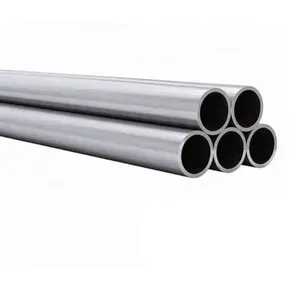 Read More

Contact Us
Recommended Products
-
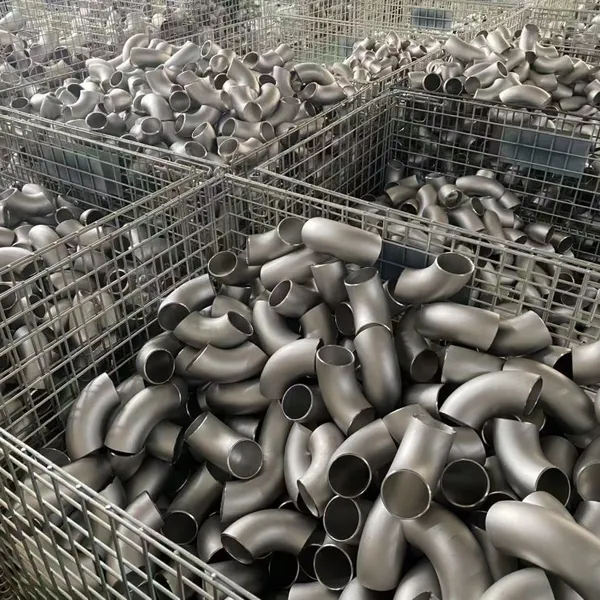
 Stainless Steel Elbow Welded Elbow 45/90/180-degree Seamless Pressed Elbow Long Radius Elbow Short Radius Elbow WholesaleNegotiableMOQ: 1 Piece
 -
316L/1.4405 Seamless Stainless Steel PipeNegotiableMOQ: 2 Meters
-
310s 440 Seamless Sanitary Piping Price 321 904l 201 20 Inch Seamless Steel Pipe A554 Stainless Steel PipeNegotiableMOQ: 1 Piece
-
China Brand ZZ Wholesale 304L 316 316L Welded Austenitic Piping Stainless Steel Pipe SupplierNegotiableMOQ: 2 Meters
-
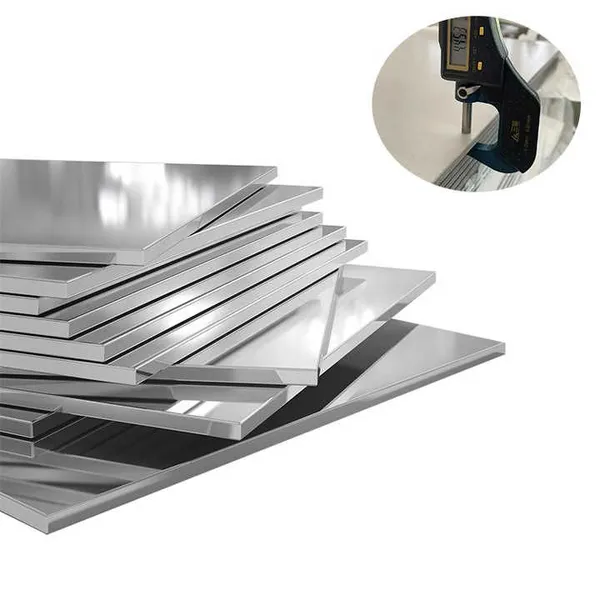
304/304L/316/409/410/904L/2205/2507/310H Premium Stainless Steel Sheets Supplier Custom Sizes & FinishesUS$ 1.72MOQ: 1 Ton
-
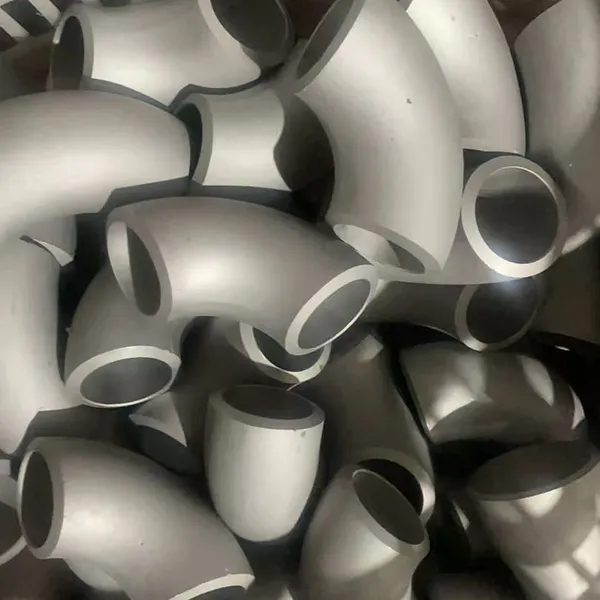
Stainless Steel ASME B16.9 Sch 45 90 Degree Pipe Fittings ElbowUS$ 8MOQ: 1 Piece
-
China Brand Zz 304L 316/316L GB En JIS Standard Thin Wall Welded Stainless Steel Water Pipe/TubeNegotiableMOQ: 2 Meters
-
BA 4 Inch 6 Inch 8 Inch 201 304 304L 316 316L Welded Seamless Stainless Steel PipeNegotiableMOQ: 2 Meters
-
ASME B36.19M-2004 SCH40S Stainless Steel Pipe - Complies With EU 3.1 CertificationUS$ 1 - 650MOQ: 1 Piece
-
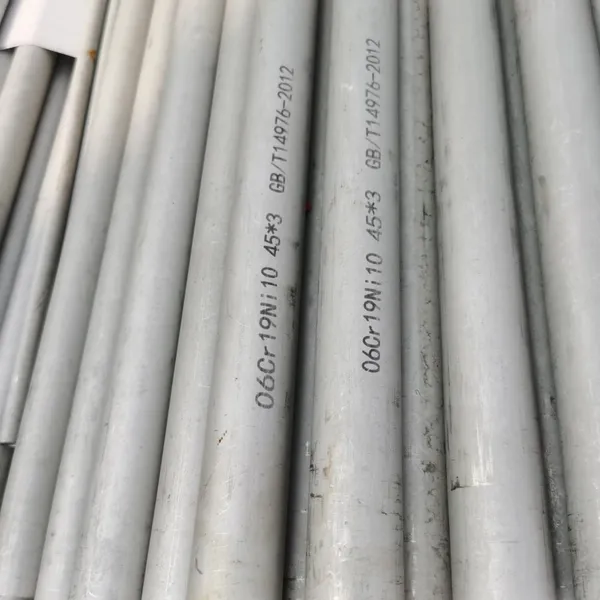
Factory TP309/TP309S/TP309H (UNS30900) Seamless Stainless Steel Pipe and Tube for Boiler BafflesUS$ 8MOQ: 200 Kilograms
-
TP347/TP347H/1.4961/S34709 Seamless Stainless Steel Pipe for UseNegotiableMOQ: 2 Meters
-
China 304 316 Stainless Steel Sanitary Welded Tube Food Grade Sanitary Grade Welded Pipe PolishingNegotiableMOQ: 1 Piece
-
China Manufacture Stainless Steel 316L Ba Seamless Welded Steel Pipe TubesUS$ 1760 - 1860MOQ: 5 Tons
-
316L/1.4405 Seamless Stainless Steel PipeNegotiableMOQ: 2 Meters
-
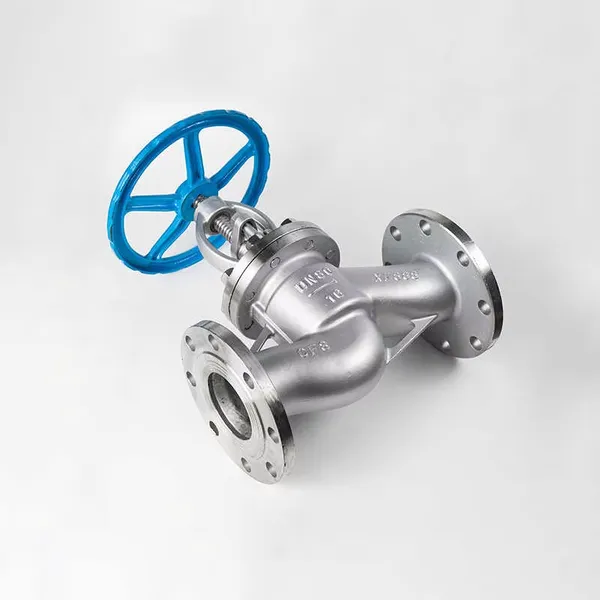
Stainless Steel Globe Valve – High Durability & Corrosion ResistanceNegotiableMOQ: 1 Piece
-
1.4529 Stainless Steel Flat Plate for Chemical Processing EquipmentUS$ 25 - 35MOQ: 1 Kilogram
-
Color Coated Steel Panels for Warehouse Partition Walls (Fireproof Grade)US$ 1 - 1.2MOQ: 50 Kilograms
-
Custom Width (600mm-1250mm) Colored Steel Coil With Scratch ResistanceUS$ 1 - 1.2MOQ: 50 Kilograms
-
0.5mm-3.0mm Colored Coated Steel Sheet With PVDF/Polyester CoatingUS$ 1 - 1.2MOQ: 50 Kilograms
-
JIS G 3322 Compliant Colored Coils With Third-Party Inspection ReportUS$ 1 - 1.2MOQ: 50 Kilograms