
 Business License

What are the applications of non-magnetic stainless steel pipes in other fields
Non-magnetic stainless steel pipes, with their core characteristic of "non-magnetism", combined with advantages such as corrosion resistance, high strength, and ease of processing, have unique applications in various fields. Here are some common scenarios:
1. Precision Instruments and Measurement Field
Used for manufacturing the enclosures or internal structural components of high-precision measuring instruments (such as flow meters, pressure gauges, balances). Non-magnetic materials can prevent interference to sensitive measurement elements, ensuring data accuracy. For example, in electromagnetic flowmeters, non-magnetic pipes can prevent magnetic distortion and ensure the accuracy of fluid flow measurement.
In laboratory equipment, such as container supports for magnetic stirrers and pipeline components for vacuum equipment, magnetic interference must be avoided to prevent affecting the experimental environment or instrument readings.
2. Electronics and Semiconductor Industry
Wafer transfer pipelines in semiconductor production lines, framework structures in clean rooms, etc. Non-magnetic materials can prevent metal ions from interfering with the manufacturing process of semiconductor chips, and at the same time avoid magnetic adsorption of dust and impurities, ensuring the cleanliness of the production environment.
Shielding casings for electronic devices (such as internal connectors of radars and communication base stations), non-magnetic materials do not affect the transmission and reception of electromagnetic waves, and also have the properties of corrosion resistance and structural stability.
3. Energy and Power Industry
In the nuclear energy field, for example, pipes and heat exchanger components around the reactor. Non-magnetic materials can reduce the eddy current losses of the materials in a strong magnetic field environment, and can also withstand corrosion in high-temperature, high-pressure and radiation environments.
Some precise components of wind power generation equipment (such as sensor protection tubes) avoid the interference of magnetism on signals such as wind direction and rotational speed, ensuring the stable operation of the equipment.
4. Security and Detection Equipment
The frame or internal pipelines of security inspection equipment (such as metal detectors in airports and stations). Non-magnetic materials will not interfere with the magnetic field of the detector, ensuring accurate identification of metal items and avoiding misjudgment.
The auxiliary pipelines around magnetic resonance (MRI) equipment (such as cooling water pipes and gas supply pipes) prevent interference with the strong magnetic field environment, ensuring imaging quality.
5. High-end Manufacturing and Special Engineering
The track auxiliary structure and pipeline system of maglev trains. The non-magnetic nature can prevent interaction with the strong magnetic field of the train, reducing energy loss and structural interference.
In precision mold manufacturing, it is used for mold frames or cooling pipelines that need to avoid magnetic adsorption of waste materials, improving processing accuracy and efficiency.
The core requirements of these application scenarios all revolve around "eliminating magnetic interference". At the same time, leveraging the corrosion resistance, mechanical strength, and other characteristics of stainless steel, it ensures stable performance in complex environments.
Recently Posted
-
Does the stainless steel welded pipe have specific temperature requirements during the solution heat
January 20, 2026Solution heat treatment involves heating stainless steel to a high temperature and then rapidly cooling it to achieve an oversatur Read More
 -
Can stainless steel welded pipes be made into thick pipes
January 20, 2026With the improvement of high-quality welding technology and increasingly strict weld inspection, the application fields of s Read More
 -
Three types of commonly available food-grade stainless steel on the market
January 20, 2026The common food-grade stainless steel pipes are mainly composed of iron, chromium and carbon and other elements. Household stainle Read More
 -
What are the requirements for stainless steel welding pipe production equipment
January 20, 2026As is well known, stainless steel welded pipes have been widely used in various industries such as machinery, chemical engineering Read More

Contact Us
Recommended Products
-
 Stainless Steel Elbow Welded Elbow 45/90/180-degree Seamless Pressed Elbow Long Radius Elbow Short Radius Elbow WholesaleNegotiableMOQ: 1 Piece
 -
316L/1.4405 Seamless Stainless Steel PipeNegotiableMOQ: 2 Meters
-
310s 440 Seamless Sanitary Piping Price 321 904l 201 20 Inch Seamless Steel Pipe A554 Stainless Steel PipeNegotiableMOQ: 1 Piece
-
China Brand ZZ Wholesale 304L 316 316L Welded Austenitic Piping Stainless Steel Pipe SupplierNegotiableMOQ: 2 Meters
-
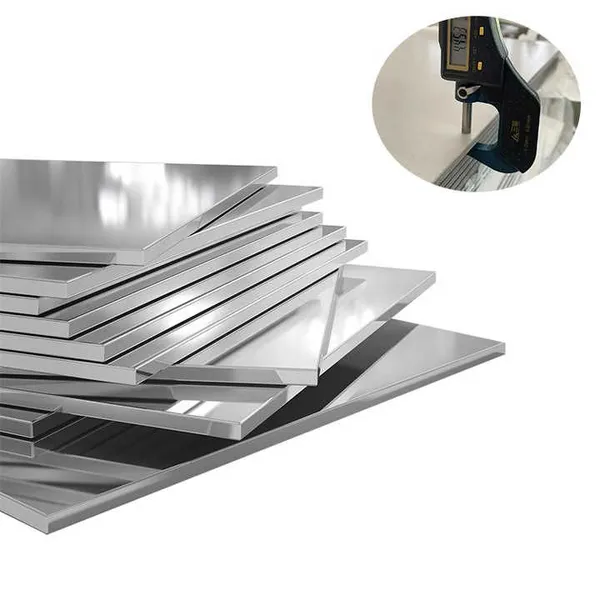
304/304L/316/409/410/904L/2205/2507/310H Premium Stainless Steel Sheets Supplier Custom Sizes & FinishesUS$ 1.72MOQ: 1 Ton
-
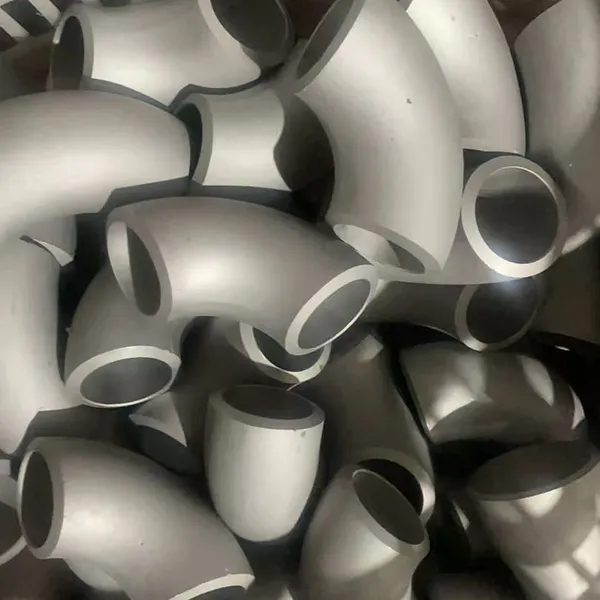
Stainless Steel ASME B16.9 Sch 45 90 Degree Pipe Fittings ElbowUS$ 8MOQ: 1 Piece
-
China Brand Zz 304L 316/316L GB En JIS Standard Thin Wall Welded Stainless Steel Water Pipe/TubeNegotiableMOQ: 2 Meters
-
BA 4 Inch 6 Inch 8 Inch 201 304 304L 316 316L Welded Seamless Stainless Steel PipeNegotiableMOQ: 2 Meters
-
ASME B36.19M-2004 SCH40S Stainless Steel Pipe - Complies With EU 3.1 CertificationUS$ 1 - 650MOQ: 1 Piece
-
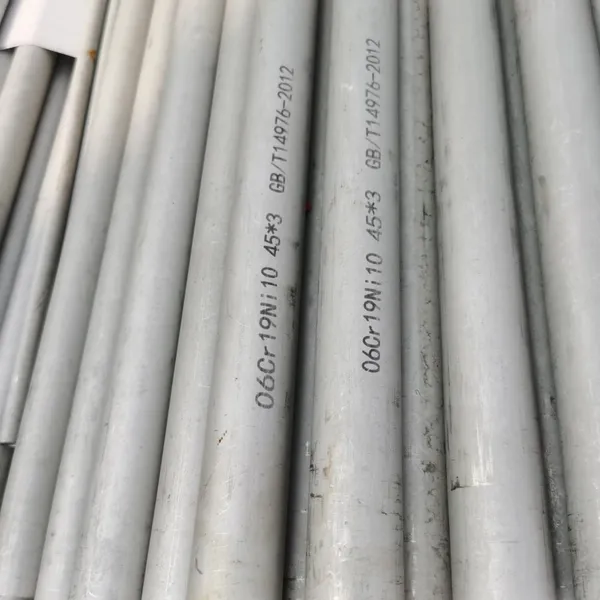
Factory TP309/TP309S/TP309H (UNS30900) Seamless Stainless Steel Pipe and Tube for Boiler BafflesUS$ 8MOQ: 200 Kilograms
-
TP347/TP347H/1.4961/S34709 Seamless Stainless Steel Pipe for UseNegotiableMOQ: 2 Meters
-
China 304 316 Stainless Steel Sanitary Welded Tube Food Grade Sanitary Grade Welded Pipe PolishingNegotiableMOQ: 1 Piece
-
China Manufacture Stainless Steel 316L Ba Seamless Welded Steel Pipe TubesUS$ 1760 - 1860MOQ: 5 Tons
-
316L/1.4405 Seamless Stainless Steel PipeNegotiableMOQ: 2 Meters
-
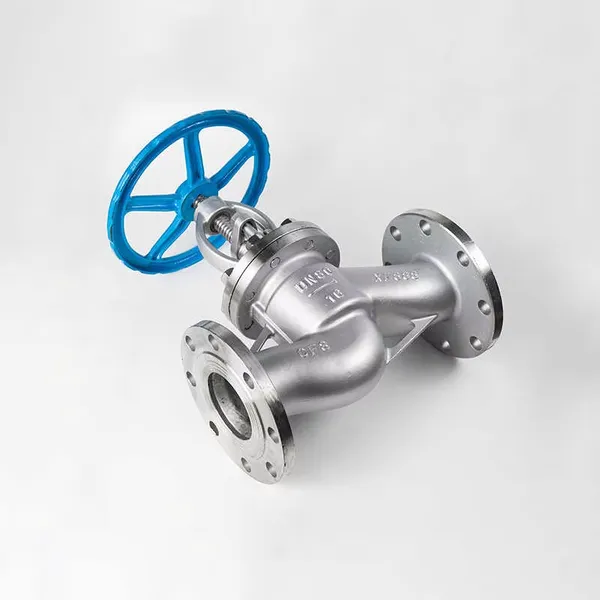
Stainless Steel Globe Valve – High Durability & Corrosion ResistanceNegotiableMOQ: 1 Piece
-
1.4529 Stainless Steel Flat Plate for Chemical Processing EquipmentUS$ 25 - 35MOQ: 1 Kilogram
-
Color Coated Steel Panels for Warehouse Partition Walls (Fireproof Grade)US$ 1 - 1.2MOQ: 50 Kilograms
-
Custom Width (600mm-1250mm) Colored Steel Coil With Scratch ResistanceUS$ 1 - 1.2MOQ: 50 Kilograms
-
0.5mm-3.0mm Colored Coated Steel Sheet With PVDF/Polyester CoatingUS$ 1 - 1.2MOQ: 50 Kilograms
-
JIS G 3322 Compliant Colored Coils With Third-Party Inspection ReportUS$ 1 - 1.2MOQ: 50 Kilograms