
 Business License

How is the corrosion resistance of 201 welded pipe
The corrosion resistance of 201 stainless steel welded pipes is at a medium to low level within the stainless steel category. Its corrosion resistance is significantly influenced by factors such as composition, usage environment (such as humidity, medium, and temperature), and there is a notable difference compared to austenitic stainless steels like 304 and 316. The specific characteristics are as follows:
I. Composition and Corrosion Resistance Foundation of 201 Stainless Steel
201 stainless steel belongs to the nickel-free type austenitic stainless steel. Its composition features are:
The chromium (Cr) content is relatively low (16%-18%), and the nickel (Ni) content is extremely small (3.5%-5.5%). Some models even substitute nickel with manganese (Mn, 5%-8%) and nitrogen (N) to reduce costs.
The carbon (C) content is relatively high (≤0.15%), higher than that of 304 (≤0.08%) and 304L (≤0.03%).
This component leads to the core defect of its corrosion resistance:
Chromium is the key element for forming the passivation film (Cr₂O₃). The chromium content of 201 only meets the basic passivation requirements. The passivation film is thin and unstable, and is prone to being damaged.
The deficiency of nickel reduces the stability of austenitic structure. In stress or corrosion environments, it is prone to precipitate ferrite or carbides, resulting in a decline in local corrosion resistance.
High carbon content will increase the risk of carbides (Cr₂₃C₆) precipitating at the grain boundaries during welding or high-temperature usage, leading to intergranular corrosion (corrosion cracking along the grain boundaries).
II. Corrosion Resistance Performance of 201 Steel Pipes (Classified by Environment)
1. Dry and Clean Environment (such as indoor dry air)
Good performance: In an environment without moisture and pollutants, a basic passivation film can form on the surface, which can resist slight oxidation and is not prone to rusting over a long period of use.
Applicable scenarios: Indoor decoration, structural supports, etc., for non-contact with corrosive media.
2. Moist or lightly contaminated environment (such as outdoor rain exposure, contact with ordinary tap water)
Corrosion resistance is limited: Moist environments will accelerate the consumption of the protective film. If there are scratches on the surface (damaged protective film), the exposed substrate is prone to pitting corrosion (local rust spots), especially in coastal areas (with salty moisture) or industrial zones (containing sulfur and nitrogen oxides), the corrosion rate will significantly increase.
Example: 201 welded pipes are used for outdoor railings. If exposed to continuous rain over a long period of time without regular maintenance, surface rust spots may appear within 1-2 years. The weld seam (welded heat affected zone) is more prone to rust due to changes in the material structure.
3. Exposure to corrosive media (such as acid and alkali solutions, high-salt solutions, industrial wastewater)
Poor corrosion resistance:
Acidic environment (pH <6): Even weakly acidic media (such as rainwater, sweat) may damage the passivation film, leading to uniform corrosion or pitting corrosion.
High-salt environments (such as seawater and salt water): Chloride ions (Cl⁻) can penetrate the passivation film, causing severe pitting corrosion. In the short term (within weeks or months), perforation may occur.
Alkaline environment (such as pH > 10): In concentrated alkaline or high-temperature alkaline solutions, stress corrosion cracking may occur, especially in the weld zone of welded pipes (where residual stress exists), which is more sensitive.
III. Shortcomings and Risks of the Corrosion Resistance of 201 Steel Pipes
Lower corrosion resistance in the weld area
During the welding process, the weld and heat-affected zone of 201 steel pipes experience chromium element distribution imbalance due to high temperatures, resulting in the disruption of the passivation film integrity and the easy generation of welding stress. These areas become "weak points" prone to corrosion, and are more susceptible to rusting or cracking compared to the base material.
Poor anti-corrosion ability
Pitting corrosion is the most common form of corrosion for 201. Once there is a minor damage on the surface (such as scratches or bumps), in a humid or chloride-ion-containing environment, the damaged area will quickly form rust spots and gradually spread inward.
Unable to withstand long-term immersion or high-temperature corrosion
If used for transporting liquids (such as ordinary tap water or mild sewage), there may be no obvious corrosion after a short period (a few months), but long-term use (more than one year) will cause internal wall rusting due to water flow erosion and medium corrosion, and even contamination of the transported medium; high-temperature environments (>60℃) will accelerate the corrosion rate.
IV. Measures to Enhance the Corrosion Resistance of 201 Steel Pipes (Limited Improvement)
Surface Treatment: Through polishing (reducing surface defects), applying anti-rust paint or galvanizing (physically isolating the corrosive medium), but the coating will still corrode rapidly if damaged.
Regular Maintenance: In humid environments, regularly wipe with a neutral cleaner to remove surface salt and contaminants, delaying corrosion.
Control of Usage Environment: Avoid using in coastal areas, high humidity, or environments with acid and alkali contact. It can only be used as a low-cost alternative in dry environments.
Summary
The corrosion resistance of 201 stainless steel welded pipes can only meet simple scenarios with dry and non-corrosive media. Its performance is far inferior to 304 (resistant to moderate corrosion) and 316 (resistant to strong corrosion). If used in environments that come into contact with water, moisture, acids, alkalis, or high salt content, it is highly prone to rusting, which can even affect the service life and safety. Therefore, in fields where corrosion resistance is required (such as water supply and drainage, chemical industry, food processing), it is not recommended to use 201 welded pipes. Instead, 304 and higher-grade stainless steel should be preferred.
Recently Posted
-
Does the stainless steel welded pipe have specific temperature requirements during the solution heat
January 20, 2026Solution heat treatment involves heating stainless steel to a high temperature and then rapidly cooling it to achieve an oversatur Read More
 -
Can stainless steel welded pipes be made into thick pipes
January 20, 2026With the improvement of high-quality welding technology and increasingly strict weld inspection, the application fields of s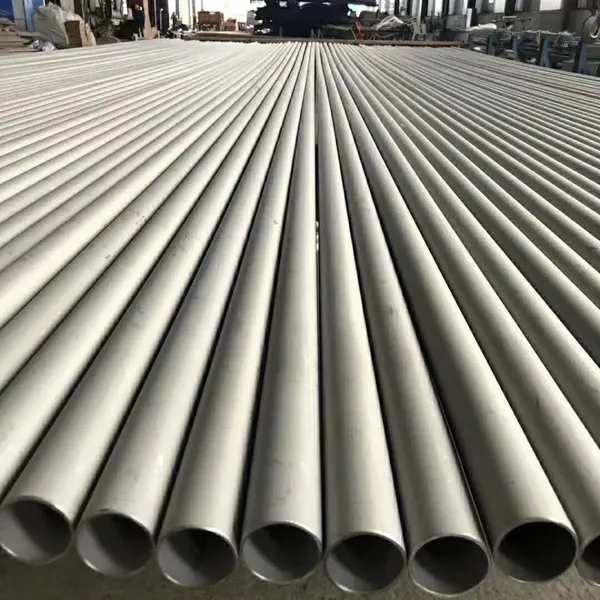 Read More
 -
Three types of commonly available food-grade stainless steel on the market
January 20, 2026The common food-grade stainless steel pipes are mainly composed of iron, chromium and carbon and other elements. Household stainle Read More
 -
What are the requirements for stainless steel welding pipe production equipment
January 20, 2026As is well known, stainless steel welded pipes have been widely used in various industries such as machinery, chemical engineering Read More

Contact Us
Recommended Products
-
 Stainless Steel Elbow Welded Elbow 45/90/180-degree Seamless Pressed Elbow Long Radius Elbow Short Radius Elbow WholesaleNegotiableMOQ: 1 Piece
 -
316L/1.4405 Seamless Stainless Steel PipeNegotiableMOQ: 2 Meters
-
310s 440 Seamless Sanitary Piping Price 321 904l 201 20 Inch Seamless Steel Pipe A554 Stainless Steel PipeNegotiableMOQ: 1 Piece
-
China Brand ZZ Wholesale 304L 316 316L Welded Austenitic Piping Stainless Steel Pipe SupplierNegotiableMOQ: 2 Meters
-
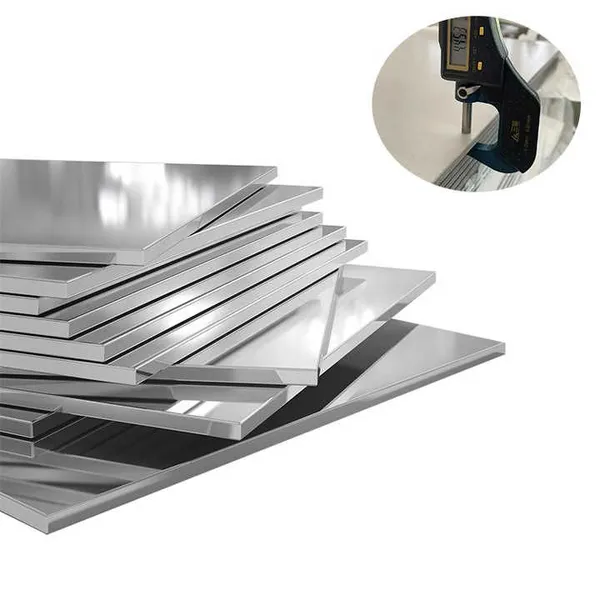
304/304L/316/409/410/904L/2205/2507/310H Premium Stainless Steel Sheets Supplier Custom Sizes & FinishesUS$ 1.72MOQ: 1 Ton
-
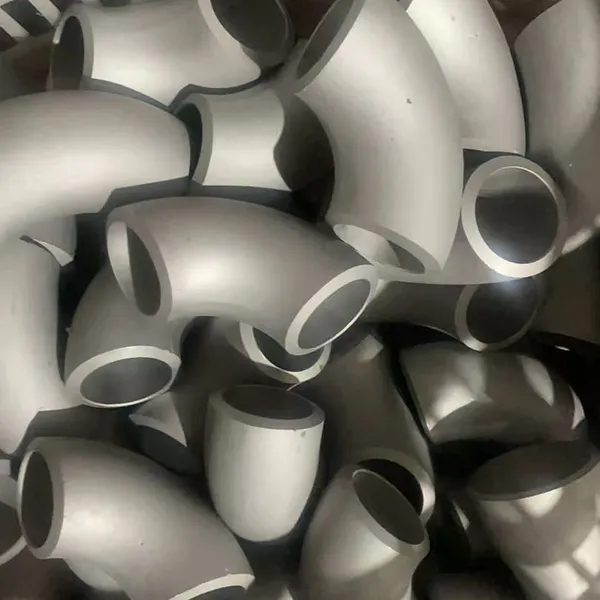
Stainless Steel ASME B16.9 Sch 45 90 Degree Pipe Fittings ElbowUS$ 8MOQ: 1 Piece
-
China Brand Zz 304L 316/316L GB En JIS Standard Thin Wall Welded Stainless Steel Water Pipe/TubeNegotiableMOQ: 2 Meters
-
BA 4 Inch 6 Inch 8 Inch 201 304 304L 316 316L Welded Seamless Stainless Steel PipeNegotiableMOQ: 2 Meters
-
ASME B36.19M-2004 SCH40S Stainless Steel Pipe - Complies With EU 3.1 CertificationUS$ 1 - 650MOQ: 1 Piece
-
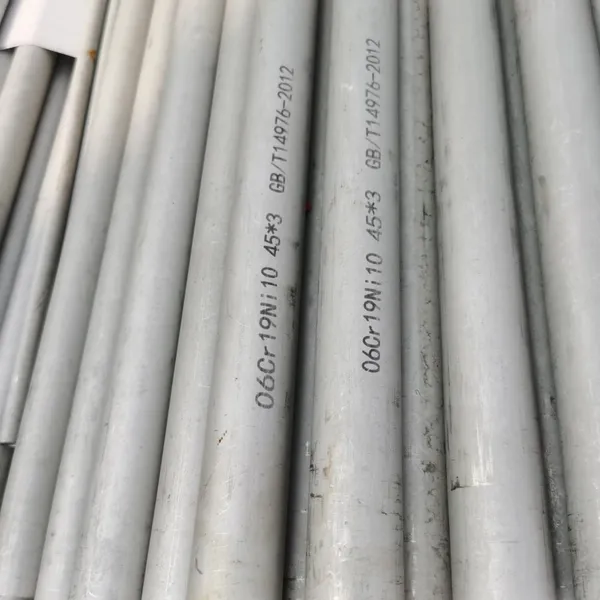
Factory TP309/TP309S/TP309H (UNS30900) Seamless Stainless Steel Pipe and Tube for Boiler BafflesUS$ 8MOQ: 200 Kilograms
-
TP347/TP347H/1.4961/S34709 Seamless Stainless Steel Pipe for UseNegotiableMOQ: 2 Meters
-
China 304 316 Stainless Steel Sanitary Welded Tube Food Grade Sanitary Grade Welded Pipe PolishingNegotiableMOQ: 1 Piece
-
China Manufacture Stainless Steel 316L Ba Seamless Welded Steel Pipe TubesUS$ 1760 - 1860MOQ: 5 Tons
-
316L/1.4405 Seamless Stainless Steel PipeNegotiableMOQ: 2 Meters
-
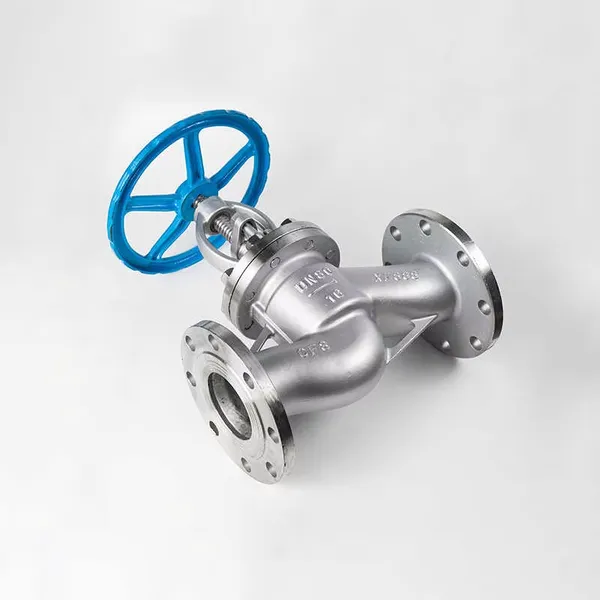
Stainless Steel Globe Valve – High Durability & Corrosion ResistanceNegotiableMOQ: 1 Piece
-
1.4529 Stainless Steel Flat Plate for Chemical Processing EquipmentUS$ 25 - 35MOQ: 1 Kilogram
-
Color Coated Steel Panels for Warehouse Partition Walls (Fireproof Grade)US$ 1 - 1.2MOQ: 50 Kilograms
-
Custom Width (600mm-1250mm) Colored Steel Coil With Scratch ResistanceUS$ 1 - 1.2MOQ: 50 Kilograms
-
0.5mm-3.0mm Colored Coated Steel Sheet With PVDF/Polyester CoatingUS$ 1 - 1.2MOQ: 50 Kilograms
-
JIS G 3322 Compliant Colored Coils With Third-Party Inspection ReportUS$ 1 - 1.2MOQ: 50 Kilograms