
 Business License

What pretreatment is required for stainless steel welded pipes before bright annealing
The pretreatment of stainless steel welded tubes before bright annealing is a crucial step to ensure the quality of annealing and avoid defects such as black spots. It mainly includes the following steps:
1. Surface oil contamination removal
Remove the rolling oil, cutting fluid, fingerprint grease, etc. on the surface of the welded tubes. Common methods include:
Solvent cleaning: Soak and wipe with alcohol, acetone or special metal cleaning agents to dissolve non-polar oil stains;
Alkali washing: Spray or immerse in a 5%-10% sodium hydroxide solution (temperature 60-80℃) to remove polar oils and some oxides;
Ultrasonic cleaning: For complex pipe fittings, high-frequency vibration is used to detach oil stains from the surface, especially suitable for weld seams and other dead corners.
2. Removal of weld seams and surface impurities
Mechanical cleaning: Use stainless steel wire brushes or grinding wheels to grind the weld seam area to remove welding spatter, oxide scale and unmelted metal particles;
Pickling treatment: Pickle the entire or part (such as weld seams) of the welded tubes, commonly using a mixture of nitric acid and hydrofluoric acid (volume ratio 5:1) to remove the black oxide layer produced by high-temperature welding. After pickling, thoroughly rinse with clean water to avoid acid residue.
3. Removal of moisture and residual cleaning agents
After cleaning, the tubes should be dried by hot air (temperature 80-120℃, time 10-30 minutes) or blown dry with compressed air to ensure the surface moisture content is ≤0.1%, preventing water evaporation into the protective gas system during annealing and causing oxidation black spots.
4. Pipe fitting shaping and inspection
Correct the deformation and bending of the welded tubes to avoid abnormal local heating due to uneven contact with the furnace rollers;
Visually or with fluorescent inspection to check for cracks, dents and other defects on the surface. Defective pipe fittings need to be repaired before entering the annealing process to prevent impurities from accumulating at the defect sites.
5. Environmental control before loading into the furnace
The pretreated pipe fittings should be stored in a clean and dry environment (relative humidity ≤50%) to avoid secondary contamination;
Use stainless steel racks when loading into the furnace to avoid contact with carbon steel and other dissimilar materials to prevent iron ion contamination of the surface.
These pretreatment steps can effectively reduce the risks of impurity carbonization and oxidation during the annealing process, providing a fundamental guarantee for the surface quality after bright annealing.
Recently Posted
-
Does the stainless steel welded pipe have specific temperature requirements during the solution heat
January 20, 2026Solution heat treatment involves heating stainless steel to a high temperature and then rapidly cooling it to achieve an oversatur Read More
 -
Can stainless steel welded pipes be made into thick pipes
January 20, 2026With the improvement of high-quality welding technology and increasingly strict weld inspection, the application fields of s Read More
 -
Three types of commonly available food-grade stainless steel on the market
January 20, 2026The common food-grade stainless steel pipes are mainly composed of iron, chromium and carbon and other elements. Household stainle Read More
 -
What are the requirements for stainless steel welding pipe production equipment
January 20, 2026As is well known, stainless steel welded pipes have been widely used in various industries such as machinery, chemical engineering Read More

Contact Us
Recommended Products
-
 Stainless Steel Elbow Welded Elbow 45/90/180-degree Seamless Pressed Elbow Long Radius Elbow Short Radius Elbow WholesaleNegotiableMOQ: 1 Piece
 -
316L/1.4405 Seamless Stainless Steel PipeNegotiableMOQ: 2 Meters
-
310s 440 Seamless Sanitary Piping Price 321 904l 201 20 Inch Seamless Steel Pipe A554 Stainless Steel PipeNegotiableMOQ: 1 Piece
-
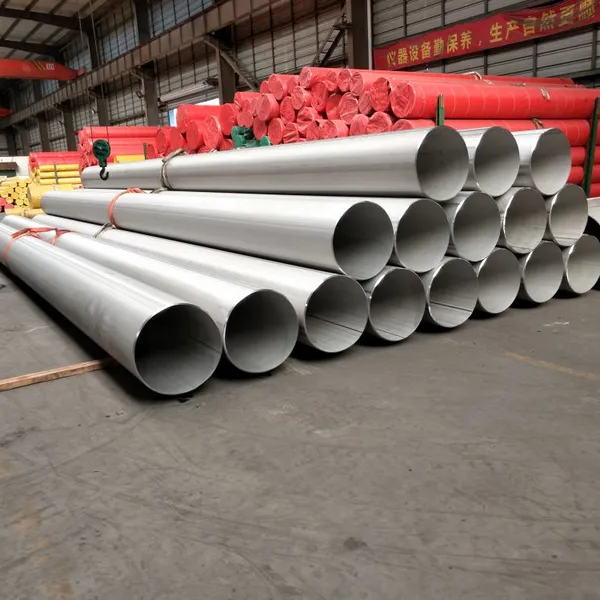
China Brand ZZ Wholesale 304L 316 316L Welded Austenitic Piping Stainless Steel Pipe SupplierNegotiableMOQ: 2 Meters
-
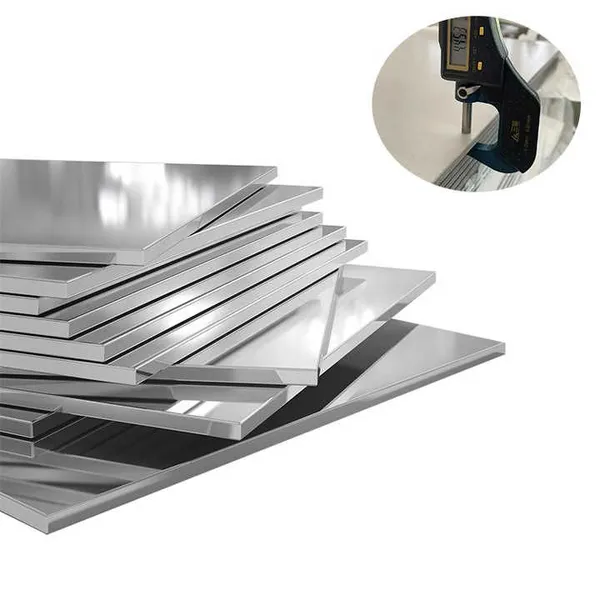
304/304L/316/409/410/904L/2205/2507/310H Premium Stainless Steel Sheets Supplier Custom Sizes & FinishesUS$ 1.72MOQ: 1 Ton
-
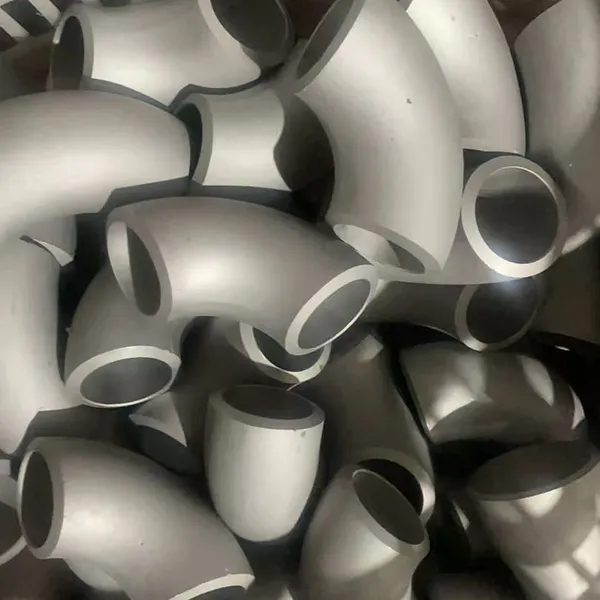
Stainless Steel ASME B16.9 Sch 45 90 Degree Pipe Fittings ElbowUS$ 8MOQ: 1 Piece
-
China Brand Zz 304L 316/316L GB En JIS Standard Thin Wall Welded Stainless Steel Water Pipe/TubeNegotiableMOQ: 2 Meters
-
BA 4 Inch 6 Inch 8 Inch 201 304 304L 316 316L Welded Seamless Stainless Steel PipeNegotiableMOQ: 2 Meters
-
ASME B36.19M-2004 SCH40S Stainless Steel Pipe - Complies With EU 3.1 CertificationUS$ 1 - 650MOQ: 1 Piece
-
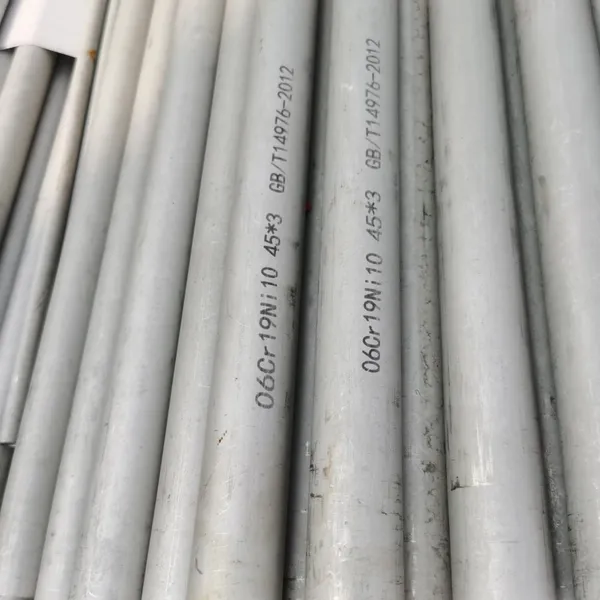
Factory TP309/TP309S/TP309H (UNS30900) Seamless Stainless Steel Pipe and Tube for Boiler BafflesUS$ 8MOQ: 200 Kilograms
-
TP347/TP347H/1.4961/S34709 Seamless Stainless Steel Pipe for UseNegotiableMOQ: 2 Meters
-
China 304 316 Stainless Steel Sanitary Welded Tube Food Grade Sanitary Grade Welded Pipe PolishingNegotiableMOQ: 1 Piece
-
China Manufacture Stainless Steel 316L Ba Seamless Welded Steel Pipe TubesUS$ 1760 - 1860MOQ: 5 Tons
-
316L/1.4405 Seamless Stainless Steel PipeNegotiableMOQ: 2 Meters
-
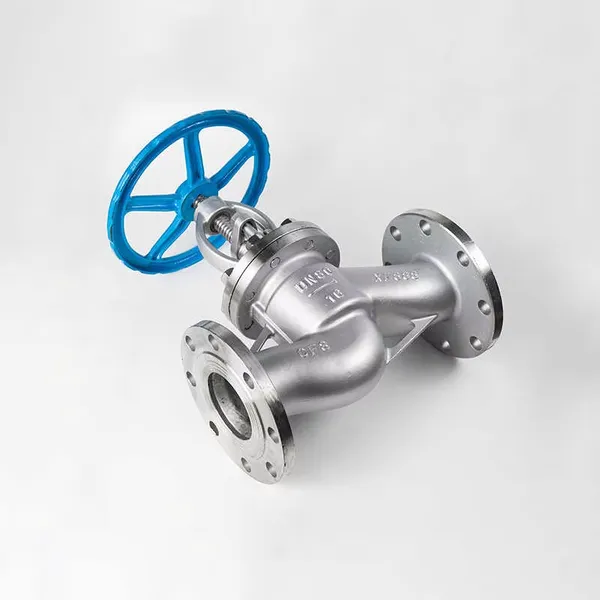
Stainless Steel Globe Valve – High Durability & Corrosion ResistanceNegotiableMOQ: 1 Piece
-
1.4529 Stainless Steel Flat Plate for Chemical Processing EquipmentUS$ 25 - 35MOQ: 1 Kilogram
-
Color Coated Steel Panels for Warehouse Partition Walls (Fireproof Grade)US$ 1 - 1.2MOQ: 50 Kilograms
-
Custom Width (600mm-1250mm) Colored Steel Coil With Scratch ResistanceUS$ 1 - 1.2MOQ: 50 Kilograms
-
0.5mm-3.0mm Colored Coated Steel Sheet With PVDF/Polyester CoatingUS$ 1 - 1.2MOQ: 50 Kilograms
-
JIS G 3322 Compliant Colored Coils With Third-Party Inspection ReportUS$ 1 - 1.2MOQ: 50 Kilograms