
 Business License

What are the specific impacts of the mechanical degreasing treatment process on the quality
The mechanical degreasing treatment process removes oil stains from the surface of stainless steel pipes through physical or mechanical actions. The process parameters and operation specifications have a direct impact on the quality of the pipes. The specific impacts are as follows:
1. Surface cleanliness and compatibility with subsequent processes
Harm of residual oil stains:
If degreasing is not thorough (oil residue > 10mg/m²), the passivation process will be hindered, resulting in an uneven passivation film (such as local areas without a film layer) and a decrease in corrosion resistance (rust spots appear earlier in salt spray tests).
Residual oil stains during welding will decompose at high temperatures, generating gas, which is prone to form pores (diameter > 0.5mm), reducing the strength of the weld seam (tensile strength may decrease by 15% - 20%).
Cleanliness standard:
Qualified state: continuous water film (rupture angle <10°), no oil stains found during wiping test, ensuring that subsequent passivation, welding, and other processes are not contaminated.
II. Influence of Surface Roughness and Mechanical Properties
Physical effects of mechanical degreasing:
Sandblasting degreasing (e.g., Al₂O₃ abrasive, particle size 0.1 - 0.5mm):
Advantages: Can simultaneously remove oxide scale, increasing the surface roughness Ra to 1.6 - 3.2 μm, enhancing the adhesion of the passivation film (no peeling of scratches during the adhesion test).
Risks: If the abrasive particle size is too large (> 0.5mm) or the pressure is too high (> 0.6MPa), it may cause the surface scratch depth > 0.3mm, becoming a stress concentration source, reducing the fatigue strength (cycle number decreases by approximately 30%).
Ultrasonic degreasing (frequency 20 - 40kHz):
Advantages: Through cavitation effect, it can remove oil stains in crevices, having little impact on surface roughness (Ra variation <0.2μm), suitable for precision welded pipes (such as medical device pipes).
Note: Excessive power (> 1000W) may cause microcracks (especially in the sensitization temperature zone of 304 material).
III. Influence of Material Intergranular Corrosion Sensitivity
Potential risks of alkaline degreasing agents:
Strongly alkaline degreasing agents (NaOH concentration > 15%, temperature > 70℃) may cause chromium deficiency at the grain boundaries of 304/316L and other austenitic stainless steels, increasing the tendency of intergranular corrosion (tested according to ASTM A262 E method, the corrosion rate after sensitization > 0.05mm/year).
Improvement measures: Use weakly alkaline degreasing agents (pH value 9~11), add corrosion inhibitors (such as silicates), control the temperature ≤ 60℃, and avoid the precipitation of carbides at the grain boundaries.
IV. Dimension Accuracy and Appearance Impact
Precision impact of mechanical force:
For drum degreasing (rotation speed > 20 rpm), if the welded pipe is not fixed, it may result in excessive ellipticity (standard ≤ 0.5%), especially for thin-walled pipes (wall thickness <2mm), where the deformation risk is higher (ellipticity may reach 1% - 2%).
For high-pressure water degreasing (pressure > 50 MPa), the spray angle needs to be controlled (45° - 60°) to avoid local impact causing surface depression (depth > 0.1mm).
Appearance quality:
Qualified standard: No mechanical damage, color change on the surface, uniform metallic luster; cases: Inconsistent sandblasting results in surface pitting, insufficient ultrasonic cavitation leading to local oil residue (visible oil spots).
V. Typical Defects and Process Improvement Cases
Sandblasting Degreasing
Common quality issues: surface scratches, uneven roughness
Improvement measures: Switch to glass bead abrasive (particle size 0.05 - 0.2mm)
Effect: Scratch depth <0.1mm, Ra control 1.6μm
Alkaline drum degreasing
Common quality issue: Excessive ellipticity of welded pipes
Improvement measure: Add elastic support device, rotational speed ≤ 15 rpm
Effect: Ellipticity ≤ 0.3%
Ultrasonic degreasing
Common quality issues: Oil residue remaining at the gaps
Improvement measures: Combined with spray rinsing (flow rate ≥ 10L/min)
Effect: Cleanliness improved to oil content <5mg/m²
Summary of Key Control Parameters
Sanding pressure
Recommended parameter range: 0.3 - 0.5 MPa (for Al₂O₃ abrasive)
Core impact on quality: Uniformity of roughness, avoiding excessive damage
Alkaline degreasing temperature
Recommended parameter range: 50 - 60℃ (pH value 9 - 11)
Core impact on quality: Prevent intergranular corrosion, ensure degreasing efficiency
Ultrasonic power
Recommended parameter range: 500 - 800W (frequency 30kHz)
Core impact on quality: Moderate cavitation effect, avoiding material damage
Rolling speed
Recommended parameter range: ≤ 15 rpm (for thin-walled tubes, ≤ 10 rpm)
Core impact on quality: Control dimensional accuracy, prevent deformation
Conclusion: Mechanical degreasing requires a balance between cleaning efficiency and material protection. By optimizing parameters such as abrasive, temperature, and mechanical force, surface damage, intergranular corrosion, and dimensional deformation can be avoided, ensuring that the subsequent processes of the welded pipe meet the quality and corrosion resistance standards.
Recently Posted
-
Does the stainless steel welded pipe have specific temperature requirements during the solution heat
January 20, 2026Solution heat treatment involves heating stainless steel to a high temperature and then rapidly cooling it to achieve an oversatur Read More
 -
Can stainless steel welded pipes be made into thick pipes
January 20, 2026With the improvement of high-quality welding technology and increasingly strict weld inspection, the application fields of s Read More
 -
Three types of commonly available food-grade stainless steel on the market
January 20, 2026The common food-grade stainless steel pipes are mainly composed of iron, chromium and carbon and other elements. Household stainle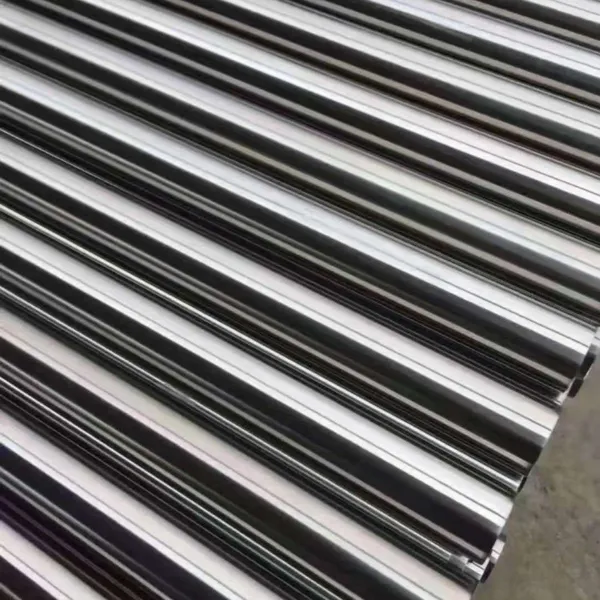 Read More
 -
What are the requirements for stainless steel welding pipe production equipment
January 20, 2026As is well known, stainless steel welded pipes have been widely used in various industries such as machinery, chemical engineering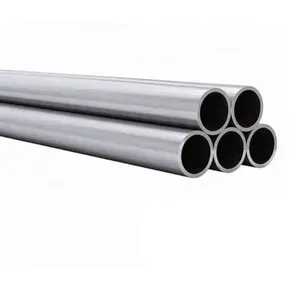 Read More

Contact Us
Recommended Products
-
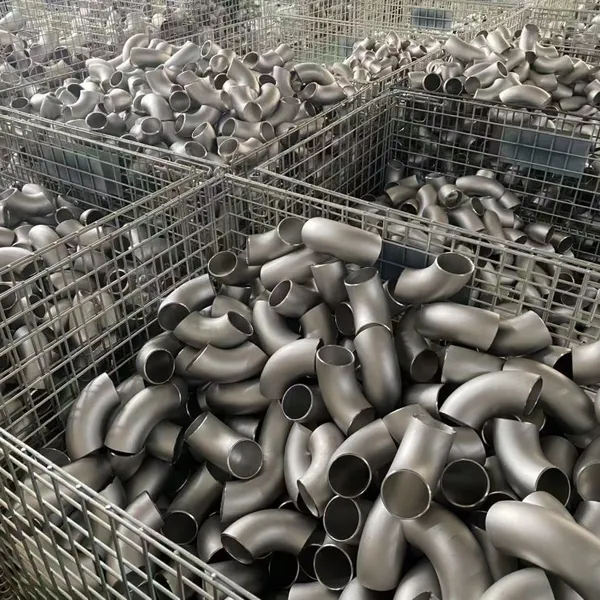
 Stainless Steel Elbow Welded Elbow 45/90/180-degree Seamless Pressed Elbow Long Radius Elbow Short Radius Elbow WholesaleNegotiableMOQ: 1 Piece
 -
316L/1.4405 Seamless Stainless Steel PipeNegotiableMOQ: 2 Meters
-
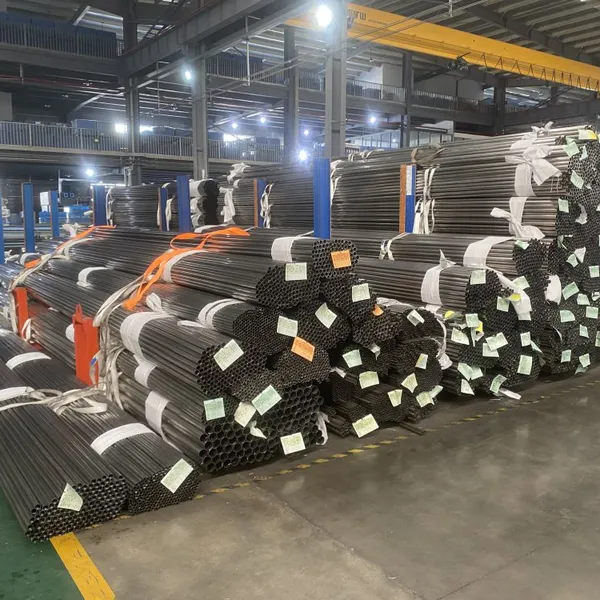
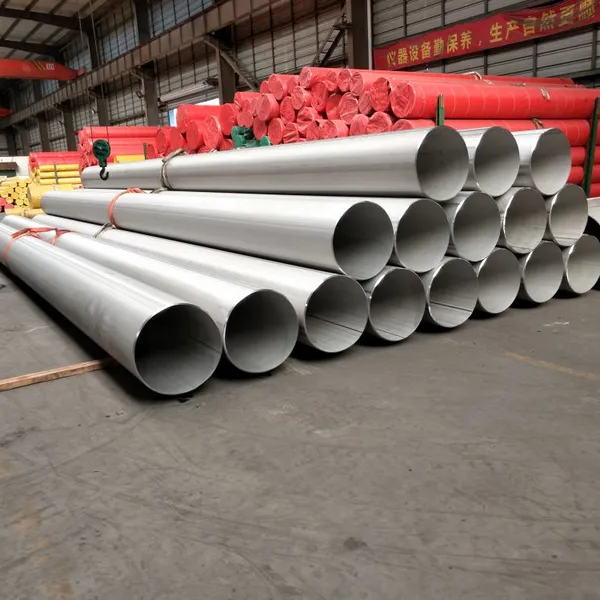
310s 440 Seamless Sanitary Piping Price 321 904l 201 20 Inch Seamless Steel Pipe A554 Stainless Steel PipeNegotiableMOQ: 1 Piece
-
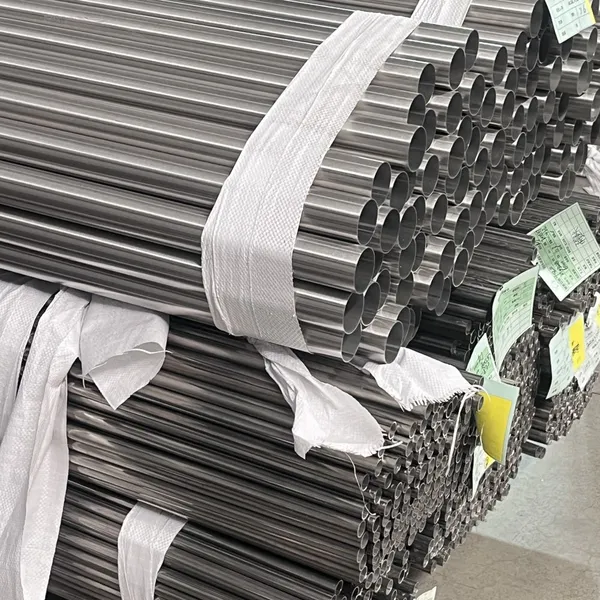
China Brand ZZ Wholesale 304L 316 316L Welded Austenitic Piping Stainless Steel Pipe SupplierNegotiableMOQ: 2 Meters
-
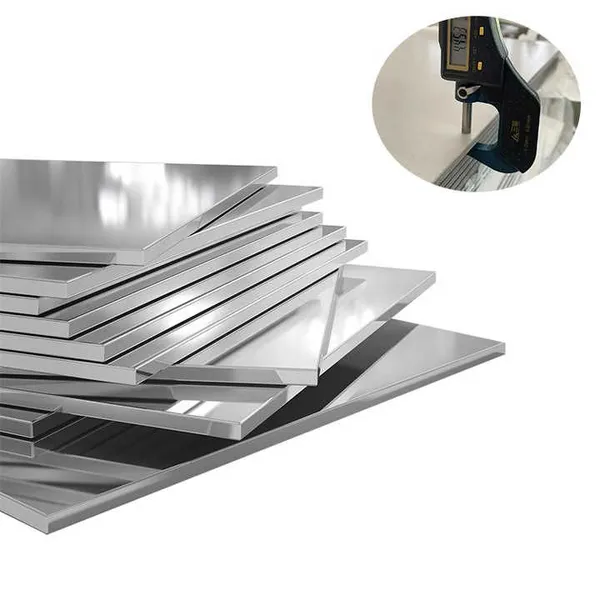
304/304L/316/409/410/904L/2205/2507/310H Premium Stainless Steel Sheets Supplier Custom Sizes & FinishesUS$ 1.72MOQ: 1 Ton
-
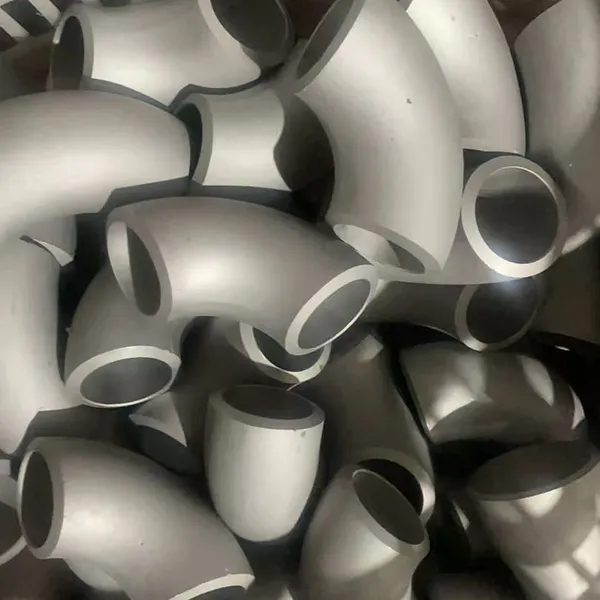
Stainless Steel ASME B16.9 Sch 45 90 Degree Pipe Fittings ElbowUS$ 8MOQ: 1 Piece
-
China Brand Zz 304L 316/316L GB En JIS Standard Thin Wall Welded Stainless Steel Water Pipe/TubeNegotiableMOQ: 2 Meters
-
BA 4 Inch 6 Inch 8 Inch 201 304 304L 316 316L Welded Seamless Stainless Steel PipeNegotiableMOQ: 2 Meters
-
ASME B36.19M-2004 SCH40S Stainless Steel Pipe - Complies With EU 3.1 CertificationUS$ 1 - 650MOQ: 1 Piece
-
Factory TP309/TP309S/TP309H (UNS30900) Seamless Stainless Steel Pipe and Tube for Boiler BafflesUS$ 8MOQ: 200 Kilograms
-
TP347/TP347H/1.4961/S34709 Seamless Stainless Steel Pipe for UseNegotiableMOQ: 2 Meters
-
China 304 316 Stainless Steel Sanitary Welded Tube Food Grade Sanitary Grade Welded Pipe PolishingNegotiableMOQ: 1 Piece
-
China Manufacture Stainless Steel 316L Ba Seamless Welded Steel Pipe TubesUS$ 1760 - 1860MOQ: 5 Tons
-
316L/1.4405 Seamless Stainless Steel PipeNegotiableMOQ: 2 Meters
-
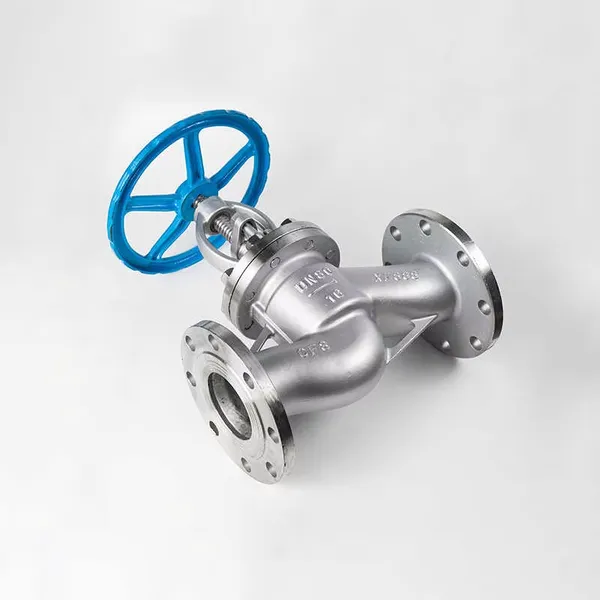
Stainless Steel Globe Valve – High Durability & Corrosion ResistanceNegotiableMOQ: 1 Piece
-
1.4529 Stainless Steel Flat Plate for Chemical Processing EquipmentUS$ 25 - 35MOQ: 1 Kilogram
-
Color Coated Steel Panels for Warehouse Partition Walls (Fireproof Grade)US$ 1 - 1.2MOQ: 50 Kilograms
-
Custom Width (600mm-1250mm) Colored Steel Coil With Scratch ResistanceUS$ 1 - 1.2MOQ: 50 Kilograms
-
0.5mm-3.0mm Colored Coated Steel Sheet With PVDF/Polyester CoatingUS$ 1 - 1.2MOQ: 50 Kilograms
-
JIS G 3322 Compliant Colored Coils With Third-Party Inspection ReportUS$ 1 - 1.2MOQ: 50 Kilograms