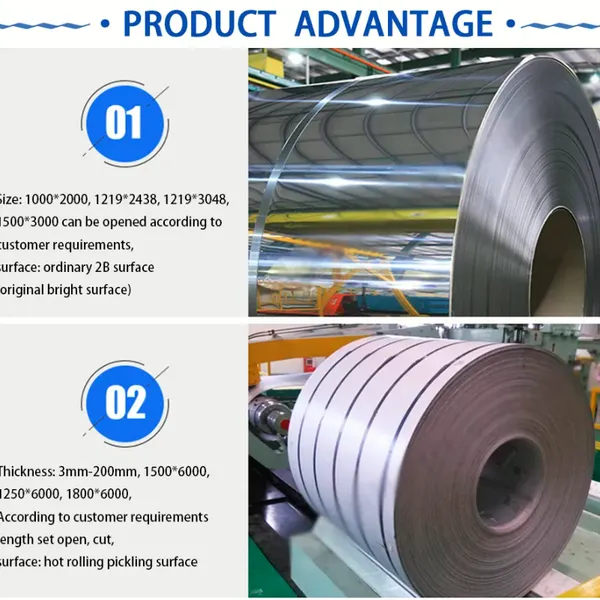

 Business License

What methods are there to slow down the change in the wall thickness of stainless steel pipes during
To effectively slow down the change in the wall thickness of stainless steel pipes during use, measures can be taken from aspects such as selecting appropriate pipe materials, optimizing the usage environment, and strengthening maintenance management. The specific measures are as follows:
Reasonable selection of pipe materials and protection
Choose appropriate materials: Based on the usage environment and characteristics of the medium, select stainless steel materials with suitable corrosion resistance, wear resistance, etc. For example, in a highly corrosive environment, choose 316L stainless steel with a high molybdenum content; for situations with wear risks, consider using precipitation hardening type stainless steel with higher hardness.
Using coatings or linings: Applying protective coatings or linings on the inner or outer walls of the stainless steel pipe, such as epoxy resin coatings, ceramic coatings, polytetrafluoroethylene linings, etc., can effectively isolate the medium from the pipe, reduce corrosion and wear, and extend the service life of the pipe.
Optimize operating conditions
Control medium parameters: Strictly control the temperature, pressure, flow rate, etc. of the transported medium to avoid extreme working conditions such as high temperature, high pressure, and high speed. For example, in petrochemical pipelines, control the medium flow rate within a reasonable range to reduce erosion and wear; for corrosive media, adjust their pH value, oxygen content, etc. to reduce corrosiveness.
Avoid frequent temperature changes: Try to keep the temperature of the environment where the stainless steel pipes are used stable, and reduce the impact of thermal expansion and contraction. For situations where temperature changes cannot be avoided, appropriate insulation measures can be taken to slow down the rate of temperature change and reduce thermal stress.
Reduce vibration and external force effects: For stainless steel pipes that may cause vibration, install vibration-reducing brackets, dampers, and other vibration-reducing devices. For example, install vibration-reducing brackets on the inlet and outlet pipes of the compressor to reduce the impact of vibration on the pipes. At the same time, design the pipeline layout reasonably to avoid the pipes being subjected to additional external forces such as compression, tension, etc.
Strengthen maintenance management
Regular inspection: Establish a regular inspection system, adopt non-destructive testing technologies such as ultrasonic thickness measurement, radiographic testing, and magnetic particle testing, and regularly inspect the wall thickness of the stainless steel pipes to promptly detect any changes in wall thickness and potential defects, so as to take corresponding measures.
Timely repair: If any slight corrosion or wear is found on the stainless steel pipe, it should be repaired promptly. For local corrosion pits, methods such as welding or grinding can be used for repair; for worn areas, treatments like spraying wear-resistant materials can be adopted.
Cleaning and Maintenance: Regularly clean the stainless steel pipes to remove dirt, impurities, and corrosion products inside the pipes, preventing them from accumulating inside and causing local corrosion or accelerating wear. At the same time, keep the external environment of the pipes clean and dry to avoid erosion by corrosive substances from the outside on the outer wall of the pipes.
Correct installation and construction
Ensure installation quality: When installing the stainless steel pipes, strictly follow the construction specifications for operation to ensure the installation accuracy of the pipes, avoid problems such as misalignment and skewing, and prevent stress concentration and accelerated wall thickness changes due to improper installation.
Reasonably set the compensators: Based on the length, direction and usage environment of the pipeline, set the compensators reasonably to compensate for the expansion and contraction deformation of the pipeline caused by temperature changes, pressure changes, etc., reduce the internal stress of the pipeline, and protect the wall thickness of the pipeline.
Recently Posted
-
Does the stainless steel welded pipe have specific temperature requirements during the solution heat
January 20, 2026Solution heat treatment involves heating stainless steel to a high temperature and then rapidly cooling it to achieve an oversatur Read More
 -
Can stainless steel welded pipes be made into thick pipes
January 20, 2026With the improvement of high-quality welding technology and increasingly strict weld inspection, the application fields of s Read More
 -
Three types of commonly available food-grade stainless steel on the market
January 20, 2026The common food-grade stainless steel pipes are mainly composed of iron, chromium and carbon and other elements. Household stainle Read More
 -
What are the requirements for stainless steel welding pipe production equipment
January 20, 2026As is well known, stainless steel welded pipes have been widely used in various industries such as machinery, chemical engineering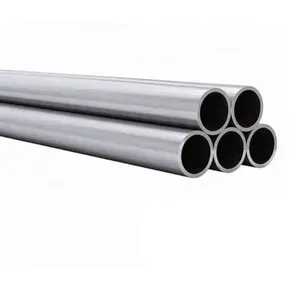 Read More

Contact Us
Recommended Products
-
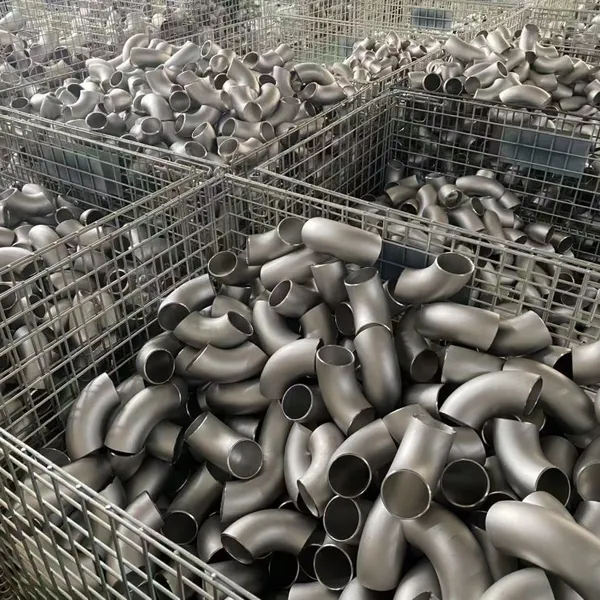
 Stainless Steel Elbow Welded Elbow 45/90/180-degree Seamless Pressed Elbow Long Radius Elbow Short Radius Elbow WholesaleNegotiableMOQ: 1 Piece
 -
316L/1.4405 Seamless Stainless Steel PipeNegotiableMOQ: 2 Meters
-
310s 440 Seamless Sanitary Piping Price 321 904l 201 20 Inch Seamless Steel Pipe A554 Stainless Steel PipeNegotiableMOQ: 1 Piece
-
China Brand ZZ Wholesale 304L 316 316L Welded Austenitic Piping Stainless Steel Pipe SupplierNegotiableMOQ: 2 Meters
-
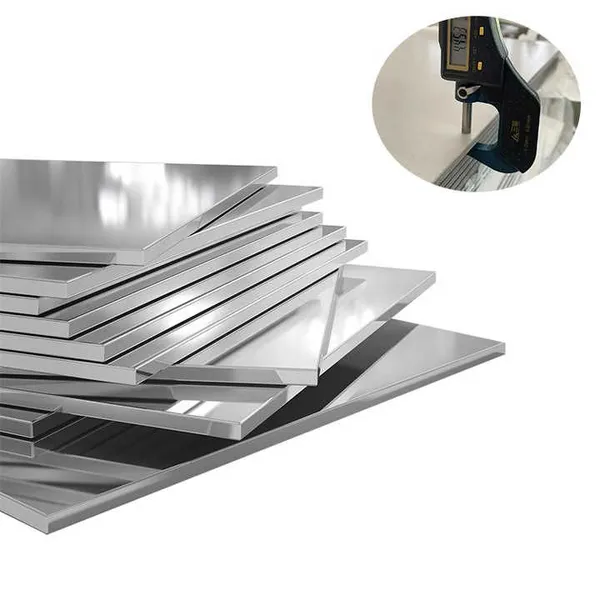
304/304L/316/409/410/904L/2205/2507/310H Premium Stainless Steel Sheets Supplier Custom Sizes & FinishesUS$ 1.72MOQ: 1 Ton
-
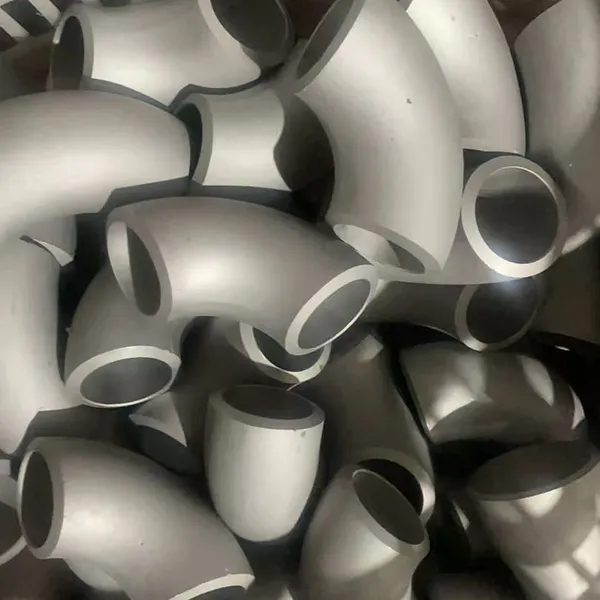
Stainless Steel ASME B16.9 Sch 45 90 Degree Pipe Fittings ElbowUS$ 8MOQ: 1 Piece
-
China Brand Zz 304L 316/316L GB En JIS Standard Thin Wall Welded Stainless Steel Water Pipe/TubeNegotiableMOQ: 2 Meters
-
BA 4 Inch 6 Inch 8 Inch 201 304 304L 316 316L Welded Seamless Stainless Steel PipeNegotiableMOQ: 2 Meters
-
ASME B36.19M-2004 SCH40S Stainless Steel Pipe - Complies With EU 3.1 CertificationUS$ 1 - 650MOQ: 1 Piece
-
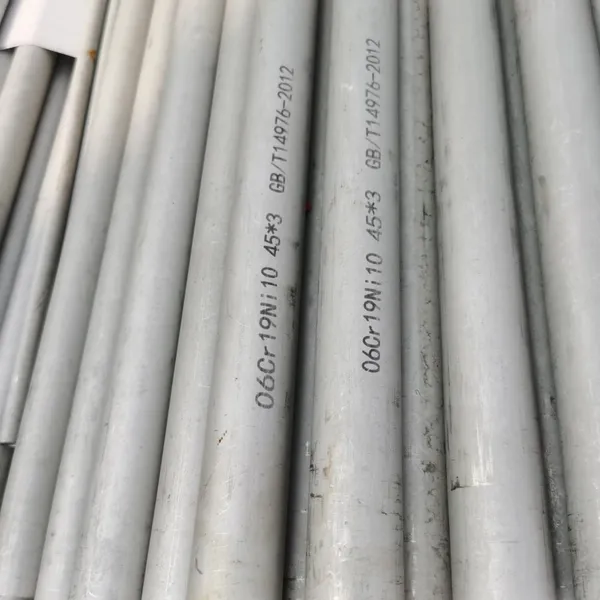
Factory TP309/TP309S/TP309H (UNS30900) Seamless Stainless Steel Pipe and Tube for Boiler BafflesUS$ 8MOQ: 200 Kilograms
-
TP347/TP347H/1.4961/S34709 Seamless Stainless Steel Pipe for UseNegotiableMOQ: 2 Meters
-
China 304 316 Stainless Steel Sanitary Welded Tube Food Grade Sanitary Grade Welded Pipe PolishingNegotiableMOQ: 1 Piece
-
China Manufacture Stainless Steel 316L Ba Seamless Welded Steel Pipe TubesUS$ 1760 - 1860MOQ: 5 Tons
-
316L/1.4405 Seamless Stainless Steel PipeNegotiableMOQ: 2 Meters
-
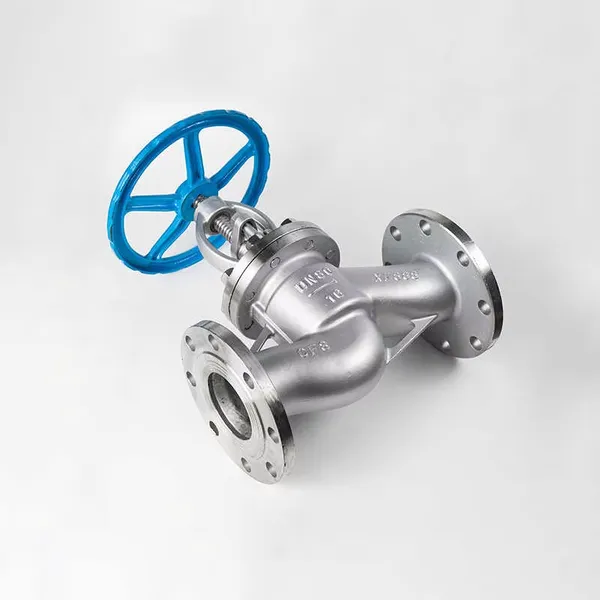
Stainless Steel Globe Valve – High Durability & Corrosion ResistanceNegotiableMOQ: 1 Piece
-
1.4529 Stainless Steel Flat Plate for Chemical Processing EquipmentUS$ 25 - 35MOQ: 1 Kilogram
-
Color Coated Steel Panels for Warehouse Partition Walls (Fireproof Grade)US$ 1 - 1.2MOQ: 50 Kilograms
-
Custom Width (600mm-1250mm) Colored Steel Coil With Scratch ResistanceUS$ 1 - 1.2MOQ: 50 Kilograms
-
0.5mm-3.0mm Colored Coated Steel Sheet With PVDF/Polyester CoatingUS$ 1 - 1.2MOQ: 50 Kilograms
-
JIS G 3322 Compliant Colored Coils With Third-Party Inspection ReportUS$ 1 - 1.2MOQ: 50 Kilograms