
 Business License

What are the detection methods for intergranular corrosion of 304 stainless steel tubes
The detection methods for intergranular corrosion of 304 stainless steel mainly include chemical test methods and physical detection methods. Below, we will provide a detailed introduction:
Chemical test method
Sulfuric acid - Copper sulfate test
Principle: The sample is immersed in a mixture of sulfuric acid and copper sulfate solution. After being heated and boiled for a certain period of time, if there is intergranular corrosion in the stainless steel tube, the areas with low chromium content will be corroded first. The intergranular corrosion condition can be determined by observing whether there are cracks on the surface of the sample through the bending test.
Operation process: Place the processed and sized sample of the appropriate size into the specific ratio of sulfuric acid - copper sulfate solution. Heat and boil it for the specified time. After removing it, rinse it clean with water and conduct a bending test. If cracks appear at the bending point, it indicates that intergranular corrosion may exist.
Advantages: This method is relatively simple to operate, has low cost, and can provide a clear indication of whether intergranular corrosion has occurred.
Disadvantage: It can only make qualitative judgments and cannot accurately measure the extent of intergranular corrosion.
Nitric acid method
Principle: Based on the characteristic that stainless steel with intergranular corrosion has a faster corrosion rate in nitric acid solution compared to normal tissue. By measuring the mass loss of the sample in the nitric acid solution within a certain period of time, the corrosion rate can be calculated, thereby evaluating the sensitivity of intergranular corrosion.
Operation process: After precisely weighing the sample, place it in a solution of a certain concentration of nitric acid. Conduct a corrosion test under the specified temperature and time conditions. After the test is completed, remove the sample, clean, dry it, and re-weigh it. Calculate the corrosion rate based on the change in mass.
Advantage: It can quantitatively assess the degree of intergranular corrosion, and the results are relatively accurate.
Disadvantages: The test period is relatively long. Nitric acid has strong corrosiveness, and safety precautions must be taken during operation.
Physical detection method
Observation using a metallographic microscope
Principle: By observing the microstructure of the stainless steel tube through a metallographic microscope, intergranular corrosion will cause changes in the microstructure at the grain boundaries, such as the appearance of corrosion grooves and widened grain boundaries. By analyzing these microscopic structural features, it is possible to determine whether intergranular corrosion exists.
Operation process: First, the sample is subjected to cutting, grinding, polishing and other treatments. Then, an appropriate etching agent is used to erode the sample, making the grain boundaries visible. Finally, the observation is conducted under a metallographic microscope.
Advantages: It enables one to visually observe the microscopic morphology and distribution of intergranular corrosion, which is helpful for in-depth analysis of the corrosion causes.
Disadvantages: The sample preparation process is rather complicated, requiring high technical skills from the operators, and it can only observe a local area.
Electrochemical detection method
Principle: Utilizing electrochemical principles, the electrochemical parameters of the stainless steel tube in a specific electrolyte solution are measured, such as potential and current. When intergranular corrosion occurs, these electrochemical parameters will change. By analyzing the changes in parameters, the occurrence and severity of intergranular corrosion can be determined.
Operation process: The sample is used as the working electrode, together with the reference electrode and auxiliary electrode to form an electrochemical measurement system. Electrochemical measurements are conducted in a specific electrolyte solution, relevant parameters are recorded and analyzed.
Advantages: Fast detection speed, high sensitivity, and capable of real-time monitoring of the occurrence and development process of intergranular corrosion.
Disadvantages: The instruments and equipment are relatively expensive and have high requirements for the measurement environment and conditions.
Recently Posted
-
Does the stainless steel welded pipe have specific temperature requirements during the solution heat
January 20, 2026Solution heat treatment involves heating stainless steel to a high temperature and then rapidly cooling it to achieve an oversatur Read More
 -
Can stainless steel welded pipes be made into thick pipes
January 20, 2026With the improvement of high-quality welding technology and increasingly strict weld inspection, the application fields of s Read More
 -
Three types of commonly available food-grade stainless steel on the market
January 20, 2026The common food-grade stainless steel pipes are mainly composed of iron, chromium and carbon and other elements. Household stainle Read More
 -
What are the requirements for stainless steel welding pipe production equipment
January 20, 2026As is well known, stainless steel welded pipes have been widely used in various industries such as machinery, chemical engineering Read More

Contact Us
Recommended Products
-
 Stainless Steel Elbow Welded Elbow 45/90/180-degree Seamless Pressed Elbow Long Radius Elbow Short Radius Elbow WholesaleNegotiableMOQ: 1 Piece
 -
316L/1.4405 Seamless Stainless Steel PipeNegotiableMOQ: 2 Meters
-
310s 440 Seamless Sanitary Piping Price 321 904l 201 20 Inch Seamless Steel Pipe A554 Stainless Steel PipeNegotiableMOQ: 1 Piece
-
China Brand ZZ Wholesale 304L 316 316L Welded Austenitic Piping Stainless Steel Pipe SupplierNegotiableMOQ: 2 Meters
-
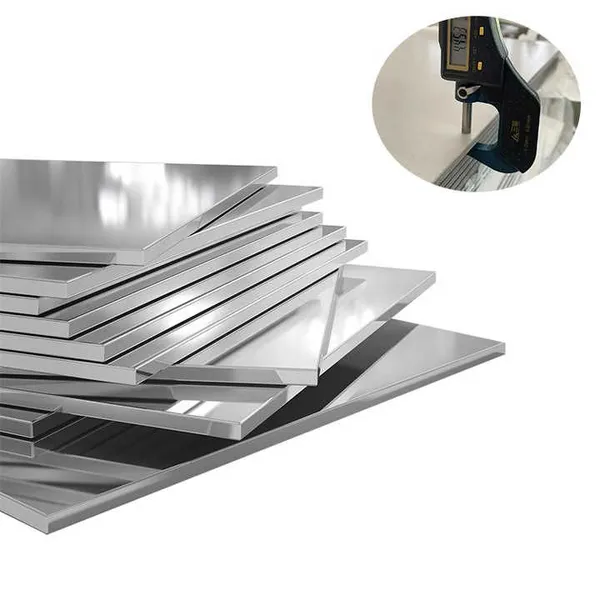
304/304L/316/409/410/904L/2205/2507/310H Premium Stainless Steel Sheets Supplier Custom Sizes & FinishesUS$ 1.72MOQ: 1 Ton
-
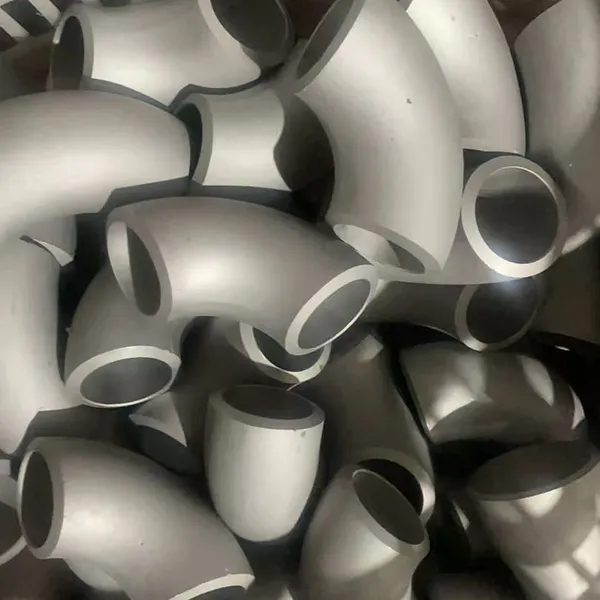
Stainless Steel ASME B16.9 Sch 45 90 Degree Pipe Fittings ElbowUS$ 8MOQ: 1 Piece
-
China Brand Zz 304L 316/316L GB En JIS Standard Thin Wall Welded Stainless Steel Water Pipe/TubeNegotiableMOQ: 2 Meters
-
BA 4 Inch 6 Inch 8 Inch 201 304 304L 316 316L Welded Seamless Stainless Steel PipeNegotiableMOQ: 2 Meters
-
ASME B36.19M-2004 SCH40S Stainless Steel Pipe - Complies With EU 3.1 CertificationUS$ 1 - 650MOQ: 1 Piece
-
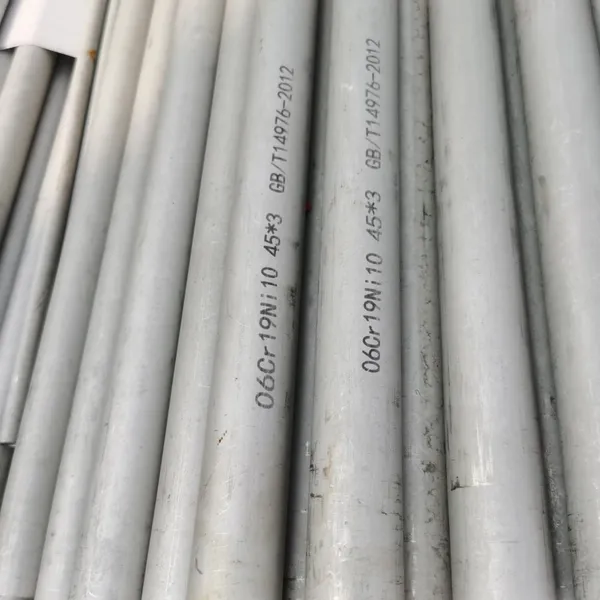
Factory TP309/TP309S/TP309H (UNS30900) Seamless Stainless Steel Pipe and Tube for Boiler BafflesUS$ 8MOQ: 200 Kilograms
-
TP347/TP347H/1.4961/S34709 Seamless Stainless Steel Pipe for UseNegotiableMOQ: 2 Meters
-
China 304 316 Stainless Steel Sanitary Welded Tube Food Grade Sanitary Grade Welded Pipe PolishingNegotiableMOQ: 1 Piece
-
China Manufacture Stainless Steel 316L Ba Seamless Welded Steel Pipe TubesUS$ 1760 - 1860MOQ: 5 Tons
-
316L/1.4405 Seamless Stainless Steel PipeNegotiableMOQ: 2 Meters
-
Stainless Steel Globe Valve – High Durability & Corrosion ResistanceNegotiableMOQ: 1 Piece
-
1.4529 Stainless Steel Flat Plate for Chemical Processing EquipmentUS$ 25 - 35MOQ: 1 Kilogram
-
Color Coated Steel Panels for Warehouse Partition Walls (Fireproof Grade)US$ 1 - 1.2MOQ: 50 Kilograms
-
Custom Width (600mm-1250mm) Colored Steel Coil With Scratch ResistanceUS$ 1 - 1.2MOQ: 50 Kilograms
-
0.5mm-3.0mm Colored Coated Steel Sheet With PVDF/Polyester CoatingUS$ 1 - 1.2MOQ: 50 Kilograms
-
JIS G 3322 Compliant Colored Coils With Third-Party Inspection ReportUS$ 1 - 1.2MOQ: 50 Kilograms